Small Kitchen Ventilation and Air Quality Solutions
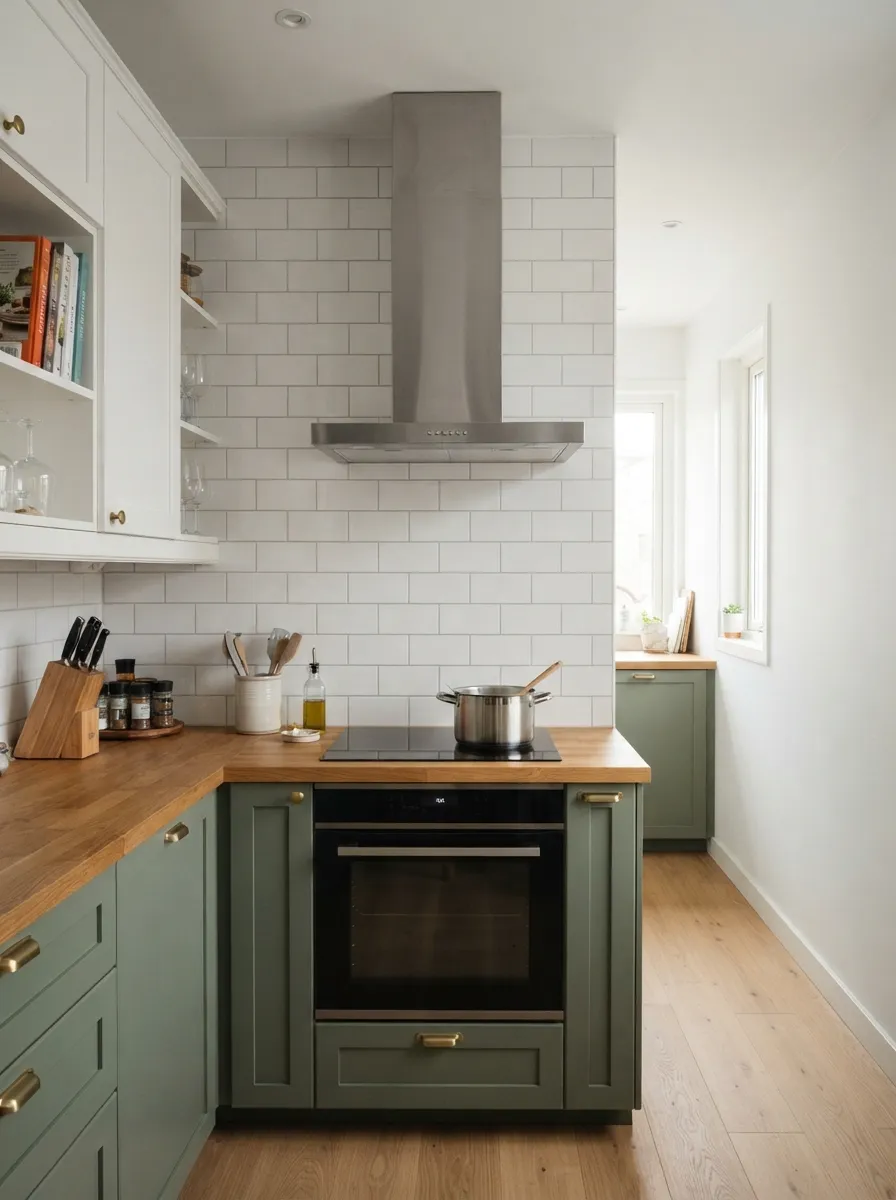
A small kitchen fills with smoke, grease particles, and humidity faster than a larger one simply because there’s less air volume to dilute them into, which makes ventilation and air quality a bigger priority than the room’s size might suggest. A properly sized range hood, an air purifier, and a few daily habits together do most of the work of keeping the space healthy to cook and breathe in.
Quick Takeaways
- A small kitchen’s limited air volume means pollutants concentrate faster than in a larger room.
- A properly sized, ducted range hood is the single most effective air quality investment.
- A standalone air purifier with a HEPA and carbon filter helps between cooking sessions.
- Gas cooking produces more airborne pollutants than electric or induction.
- Simple habits — lids on pots, hood running before you start cooking — reduce pollutant load significantly.
Table of Contents
1. Why Small Kitchens Are More Affected
Smoke, grease particles, and moisture released during cooking have less total air volume to disperse into in a small kitchen, so concentrations build up faster than in a larger room doing the same amount of cooking. This isn’t just a comfort issue — cooking, especially with gas, produces measurable air pollutants that matter more in a confined space.
2. A Properly Sized Range Hood
A ducted range hood sized to your cooktop’s BTU output (roughly 1 CFM per 100 BTUs) remains the single most effective way to remove smoke, grease, and moisture at the source, before they disperse into the room’s limited air volume. This matters more in a small kitchen than a large one, since there’s less room for pollutants to dilute into while waiting to be exhausted.
3. Standalone Air Purifiers
A compact air purifier with both a HEPA filter (for particulates) and an activated carbon filter (for odors and some gases) supplements the range hood, especially useful for the period after cooking when residual smoke and odor linger. In a small kitchen, even a modest-capacity purifier can meaningfully improve air turnover given the room’s limited volume.
4. Cooking Fuel and Air Quality
Gas cooking produces measurably more airborne pollutants, including nitrogen dioxide and fine particulates, than electric or induction cooking. If air quality is a significant concern and you’re considering a cooktop replacement, induction offers both efficiency benefits and reduced pollutant output compared to gas.
5. Daily Habits That Help
Small daily habits compound over time in a small kitchen’s limited air volume: keeping lids on pots reduces released steam and particulates, running the hood for a few minutes after cooking finishes (not just during) clears lingering pollutants, and cracking a window when weather allows adds passive ventilation on top of mechanical systems.
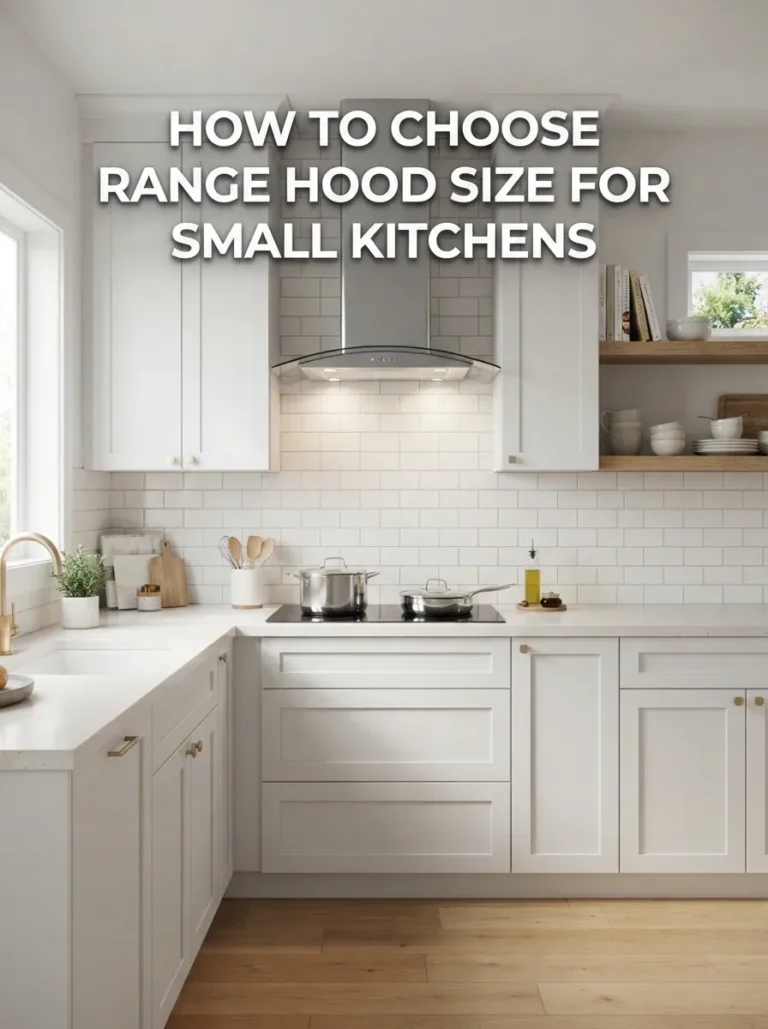
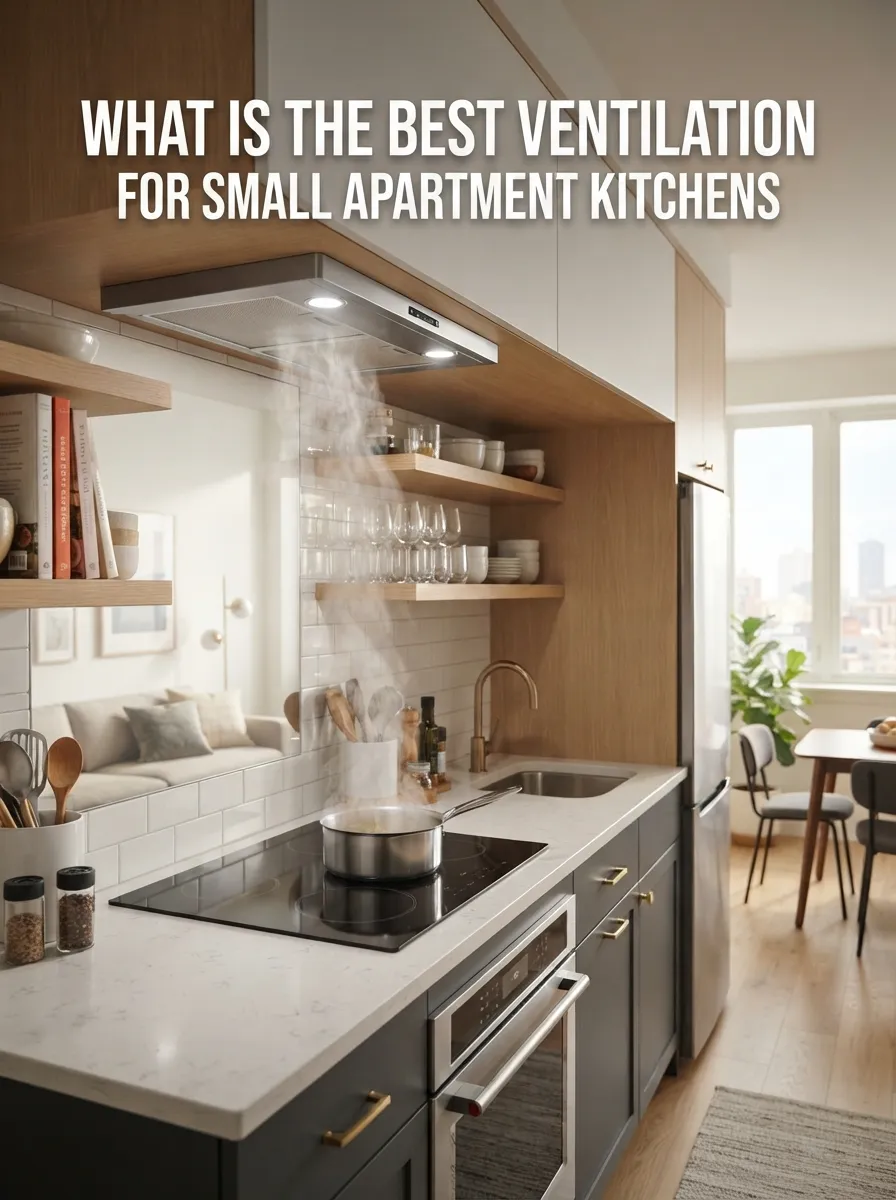
A properly sized range hood removes pollutants at the source before they spread.
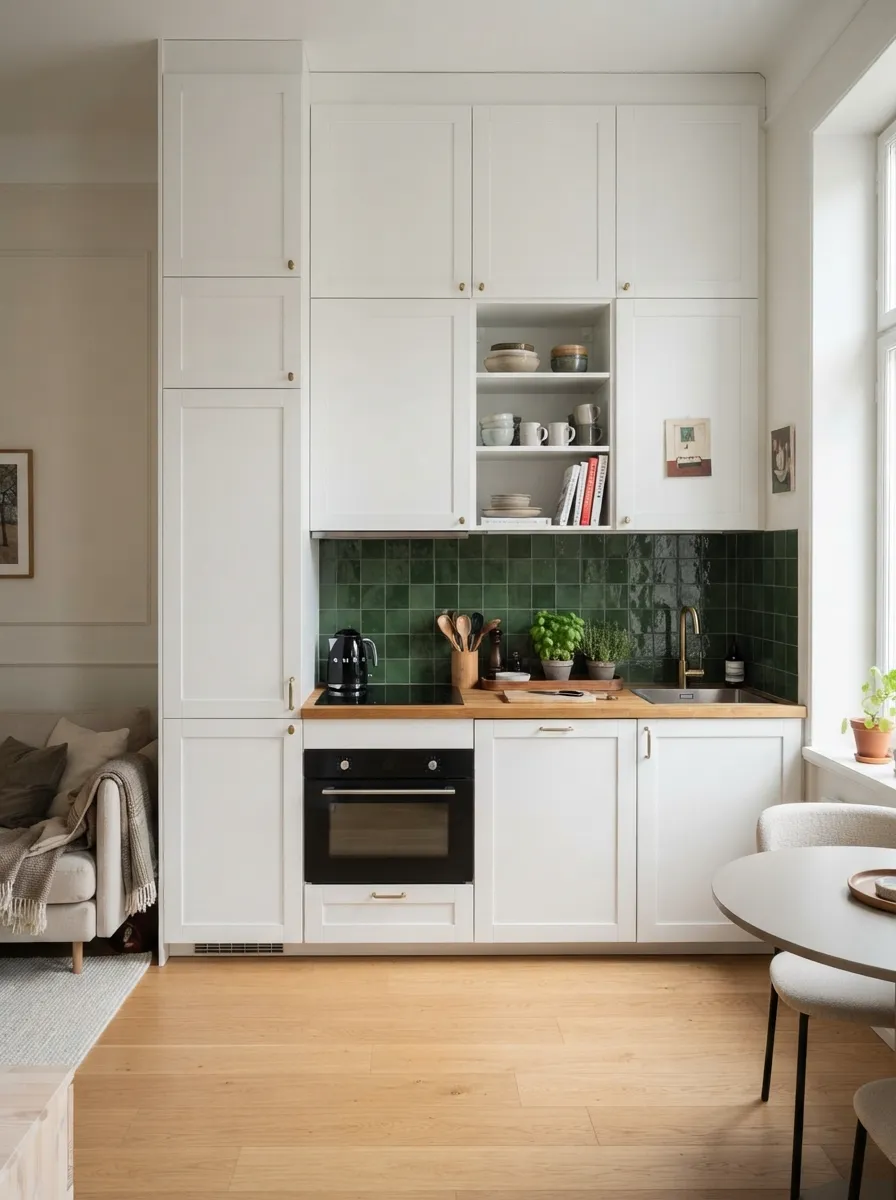
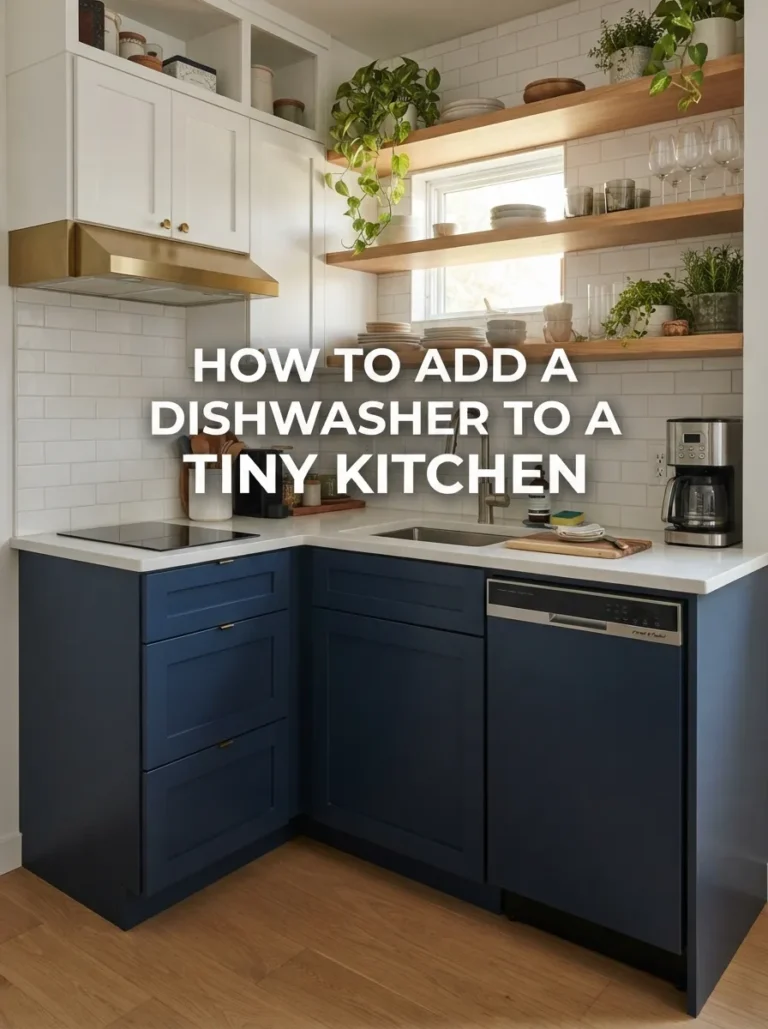
Compact studio kitchens have the least air volume to dilute cooking pollutants.
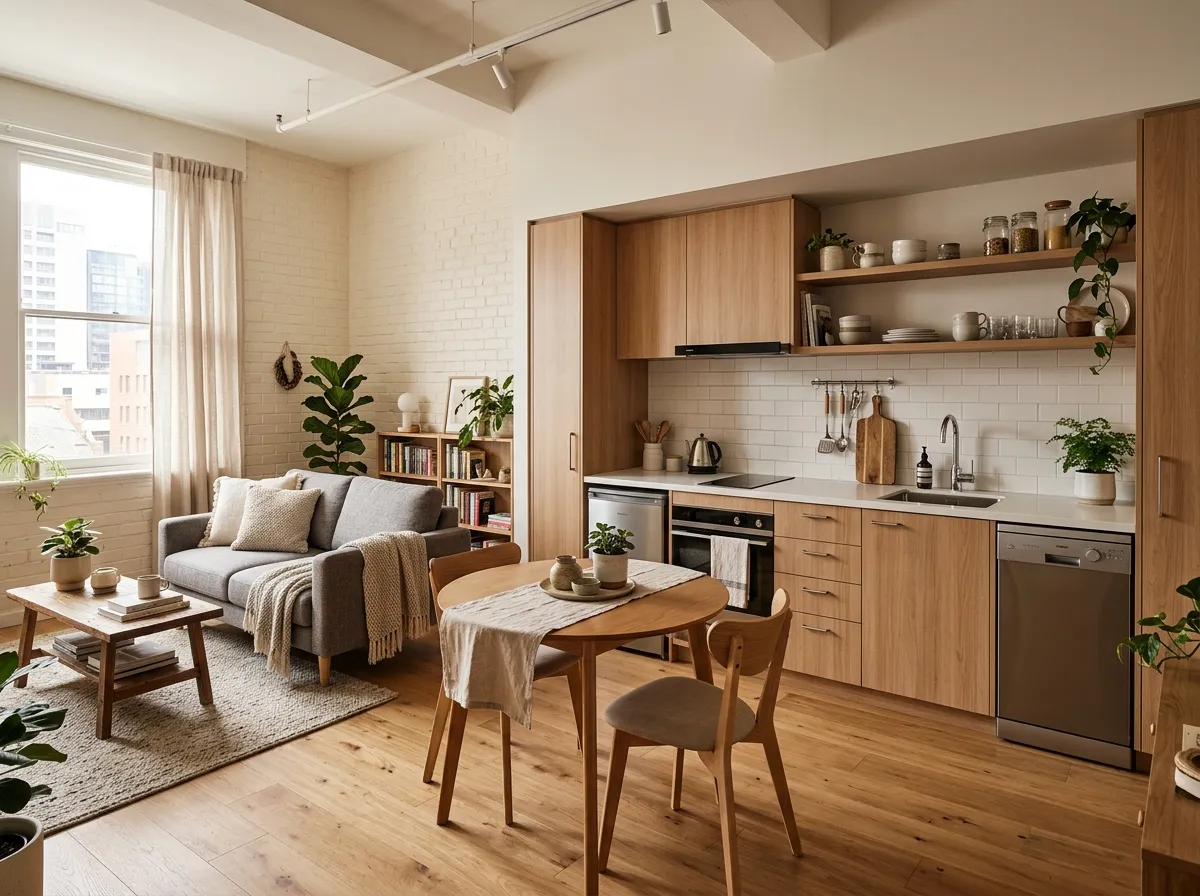
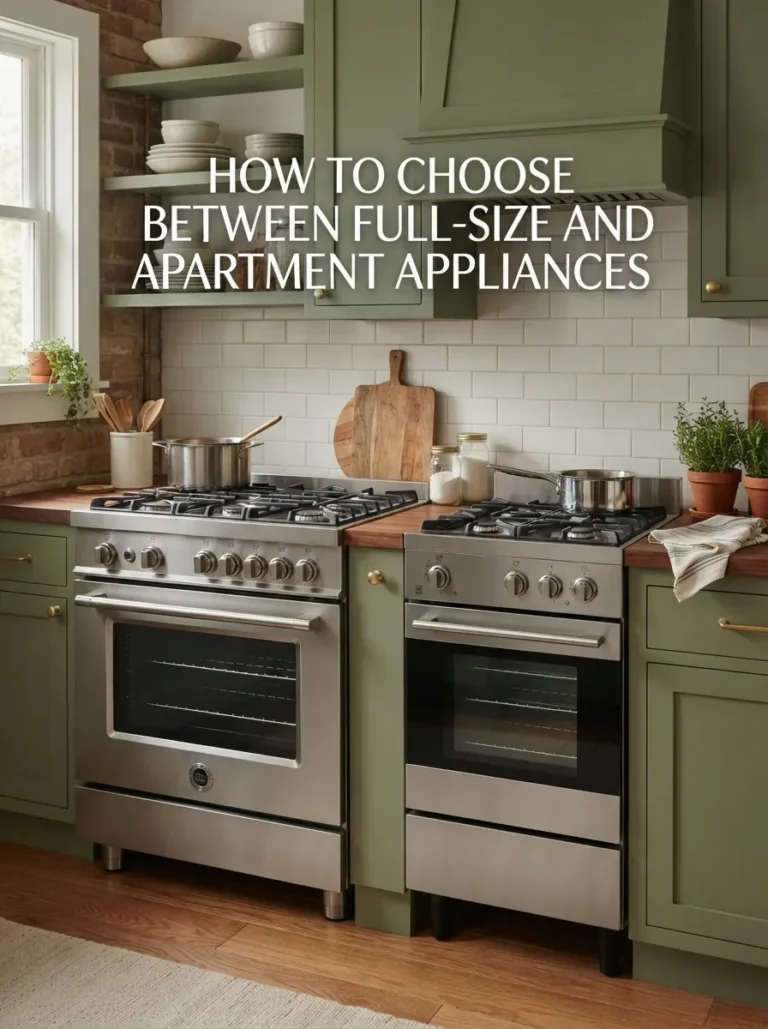
A one-wall layout benefits significantly from a well-ducted hood system.
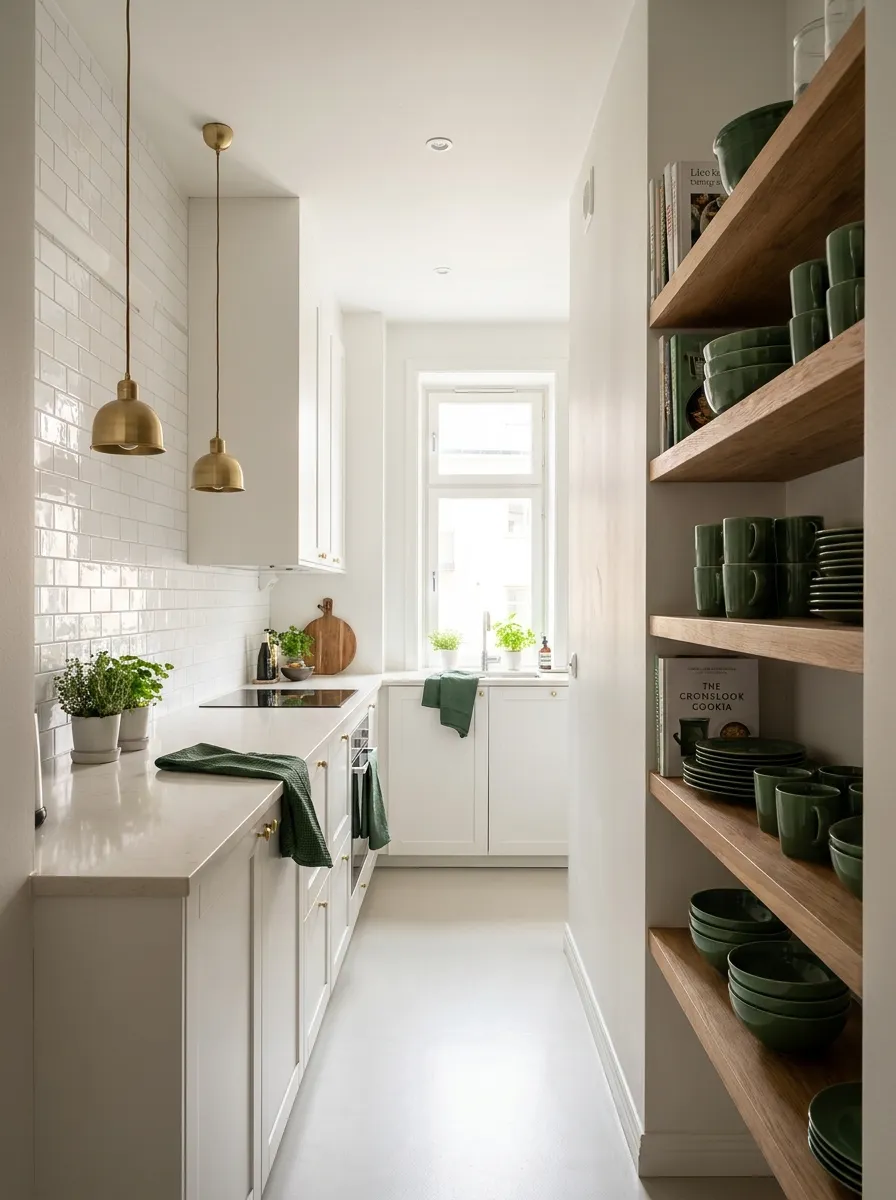
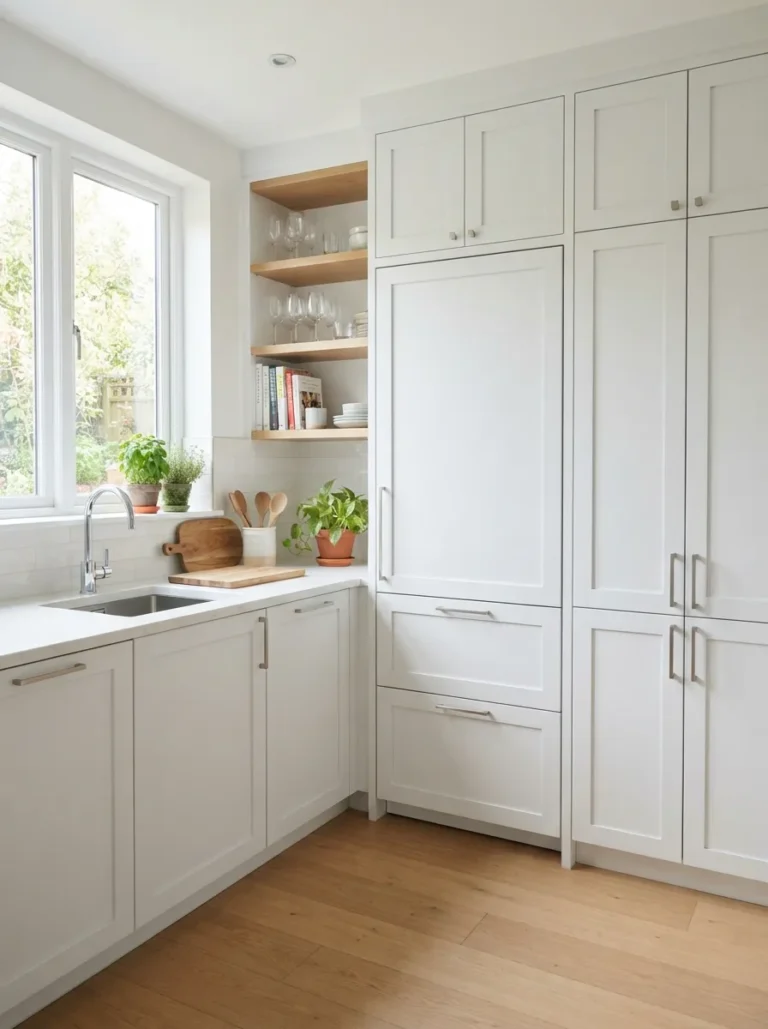
Galley kitchens especially benefit from consistent, well-planned ventilation.
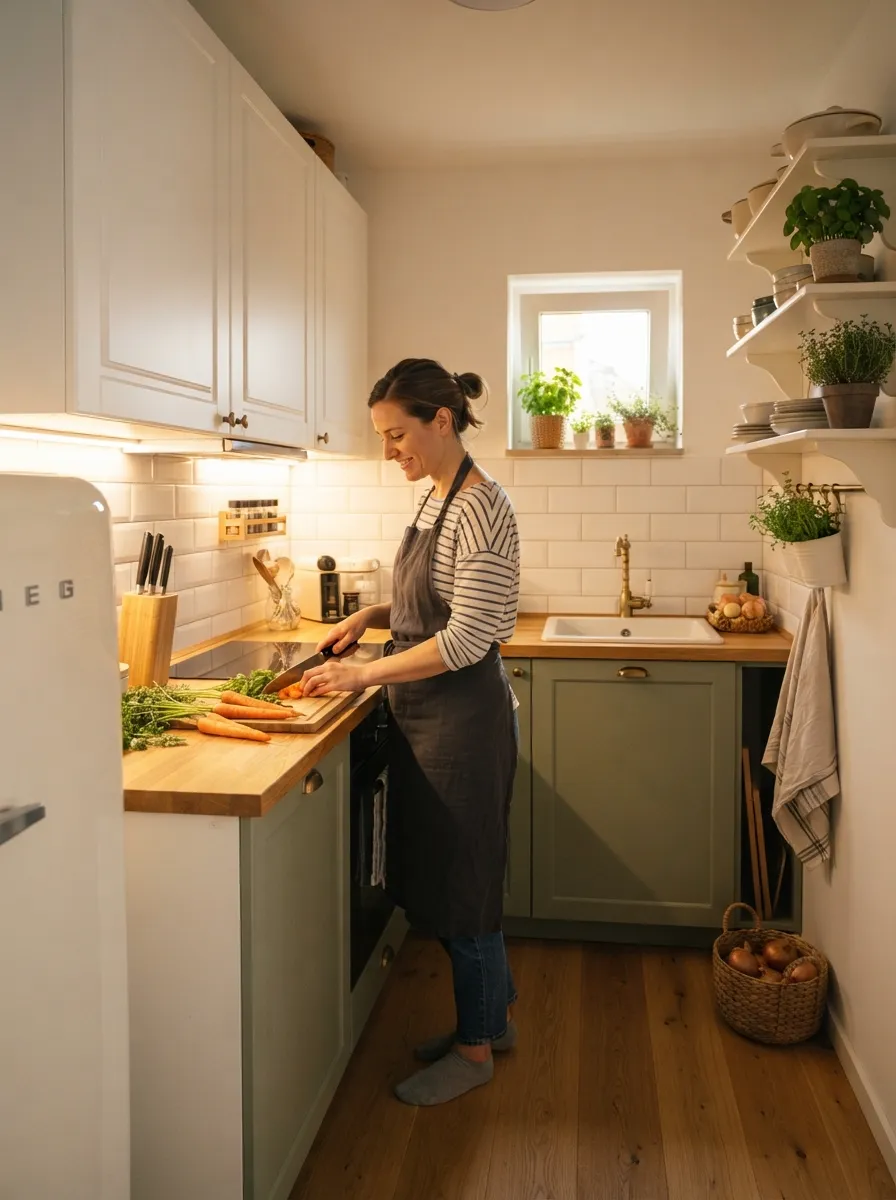
Good lighting helps you notice smoke and grease buildup that ventilation should address.
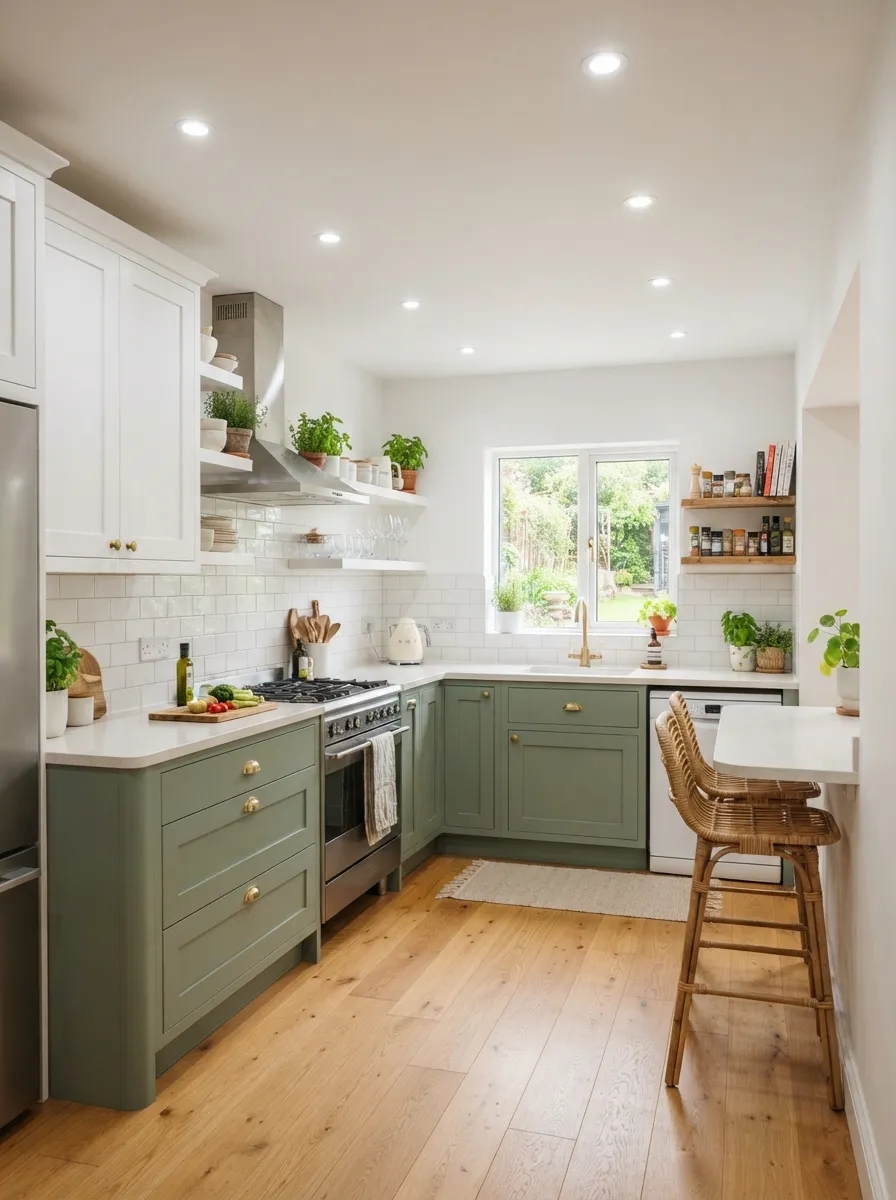
A well-lit, well-ventilated kitchen supports both comfort and air quality.
Frequently Asked Questions
Why does air quality matter more in a small kitchen?
There’s less air volume for smoke, grease, and moisture to disperse into, so pollutant concentrations build up faster than in a larger room.
Is an air purifier enough without a range hood?
No, an air purifier supplements ventilation but doesn’t remove pollutants as quickly at the source as a properly sized range hood does.
Does gas cooking really affect indoor air quality?
Yes, gas cooking produces measurably more airborne pollutants like nitrogen dioxide and fine particulates than electric or induction.
Should I run the range hood after I finish cooking?
Yes, running it for a few minutes after cooking finishes helps clear lingering pollutants, not just the smoke visible during cooking.
What type of air purifier filter works best for kitchen air?
A combination of HEPA (for particulates) and activated carbon (for odors and some gases) covers the most common kitchen air quality concerns.
Does keeping lids on pots really help air quality?
Yes, it reduces the steam and particulates released into the room’s air during cooking.
Related Pages
Improving Your Kitchen Air Quality?
Start by sizing a range hood to your cooktop’s BTU output — it’s the single most effective investment. Browse our apartment kitchen design guide for more layout ideas.