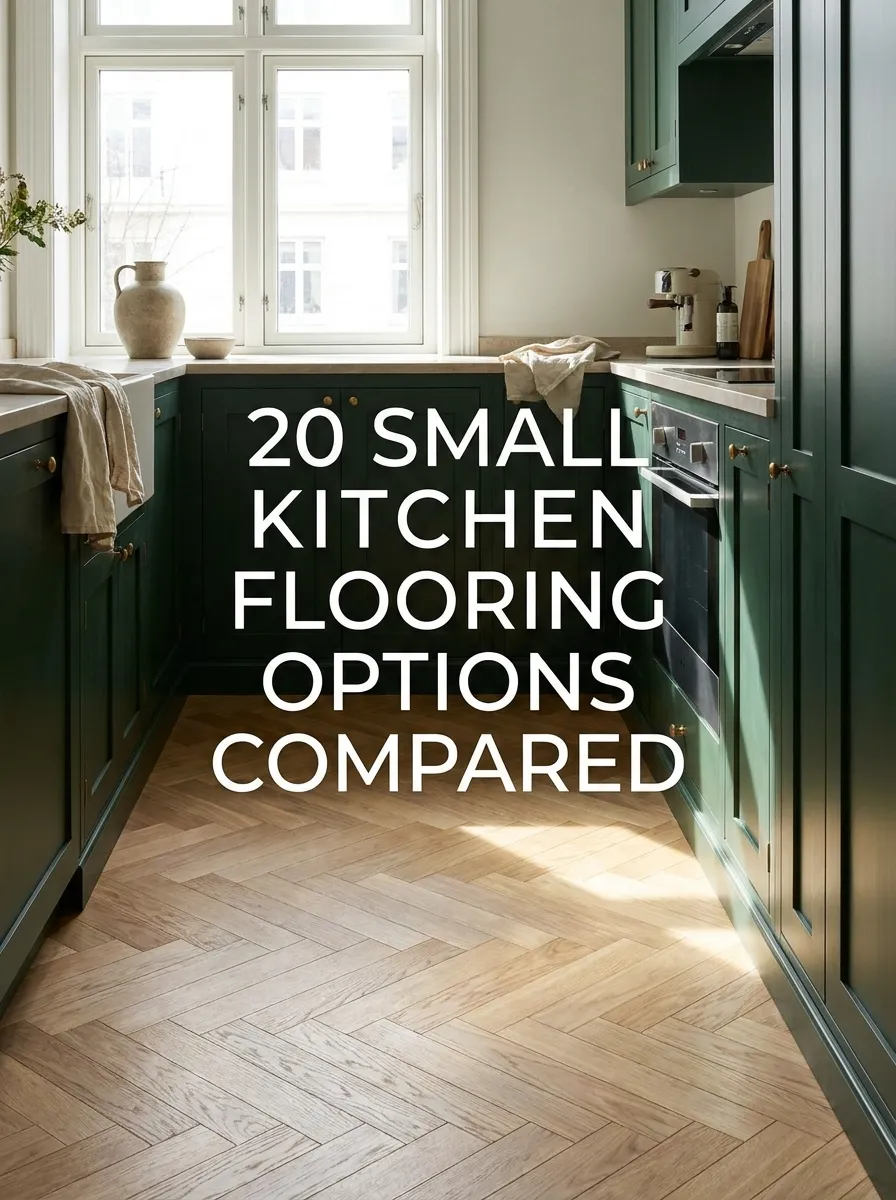
20 Small Kitchen Flooring Options Compared: Complete Guide
Small kitchen flooring options dramatically impact both aesthetics and functionality in compact cooking spaces, with the right choice making rooms feel larger, brighter, and more cohesive while withstanding daily wear from cooking, spills, and foot traffic. From budget-friendly luxury vinyl planks starting at $2 per square foot to premium hardwood and natural stone exceeding $15 per square foot, understanding the pros, cons, costs, and installation requirements of each flooring type empowers you to make informed decisions balancing style, durability, maintenance, and budget.
This comprehensive comparison examines 20 popular small kitchen flooring options across critical factors including water resistance, durability, comfort underfoot, installation complexity, maintenance requirements, cost per square foot, and visual impact on perceived space. Whether you're planning a complete kitchen remodel or simply replacing worn flooring, this guide provides the detailed information needed to select flooring perfectly suited to your specific needs, lifestyle, and design aesthetic.
⭐ Quick Takeaways
- Luxury Vinyl Plank (LVP) offers best overall value: waterproof, durable, easy DIY install, $2-7/sq ft
- Light-colored flooring makes small kitchens feel 15-20% larger through light reflection
- Porcelain tile provides longest lifespan (50+ years) but hardest underfoot and most expensive install
- Installation costs add $3-12/sq ft depending on material complexity and subfloor condition
- Water resistance is non-negotiable in kitchens—eliminate options without waterproof properties
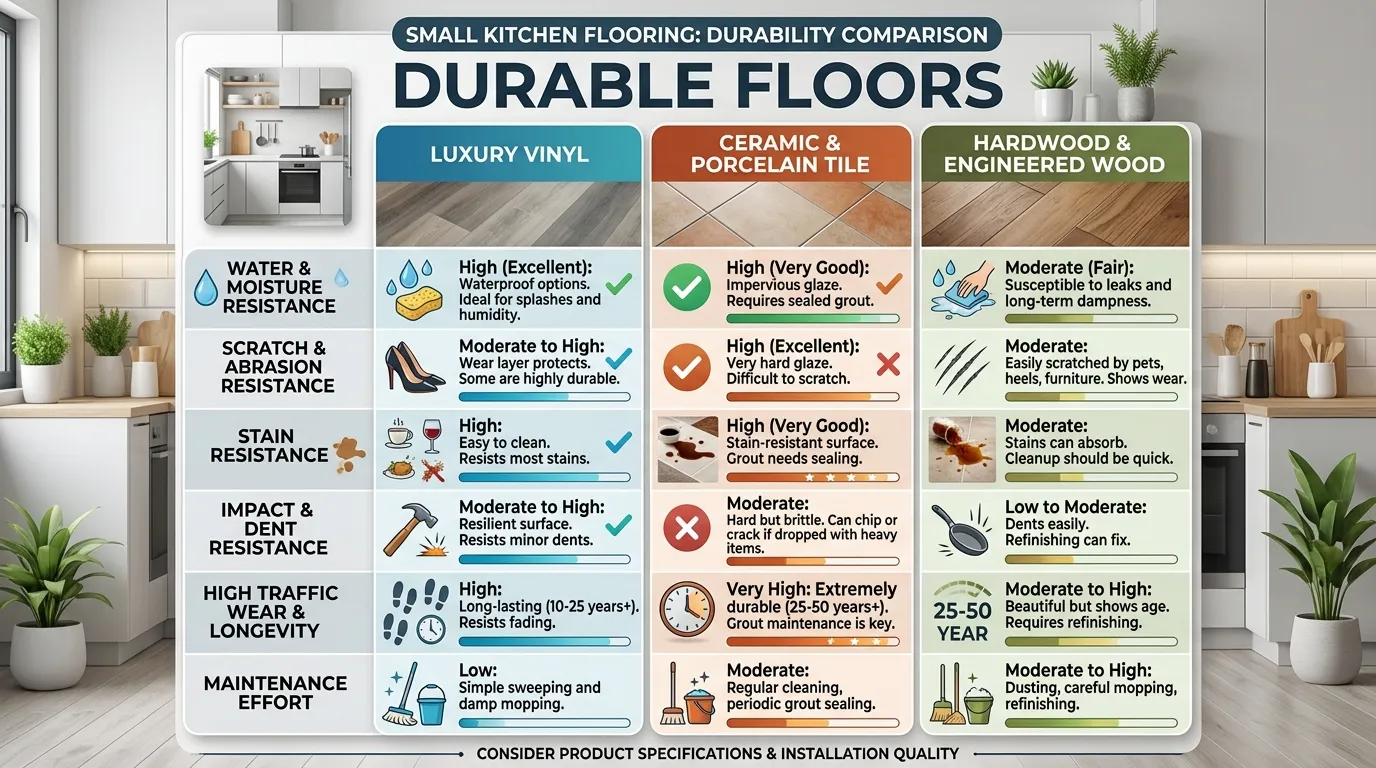
Comprehensive flooring material comparison showing durability, water resistance, and cost factors
📑 Table of Contents
Key Flooring Selection Criteria for Small Kitchens
Before diving into specific options, understanding critical selection criteria helps you evaluate which flooring types align with your priorities, budget, and kitchen requirements.
Water Resistance (Most Critical)
Kitchens experience frequent water exposure from sinks, dishwashers, spills, and mopping. Water resistance determines flooring longevity and prevents subfloor damage.
- 100% Waterproof: LVP, WPC, SPC, porcelain/ceramic tile, natural stone (sealed)
- Water-resistant: Engineered hardwood (better than solid but not waterproof)
- Moisture-sensitive: Solid hardwood, laminate, bamboo (require immediate spill cleanup)
- Kitchen recommendation: Prioritize 100% waterproof options; avoid moisture-sensitive materials
Durability and Lifespan
Kitchen floors endure heavy foot traffic, dropped utensils, appliance movements, and constant use. Durability impacts long-term value.
- 50+ years: Porcelain/ceramic tile, natural stone (with proper care)
- 25-40 years: Solid hardwood (can be refinished), quality engineered hardwood
- 15-25 years: LVP/WPC/SPC, high-quality laminate, luxury vinyl tile
- 10-15 years: Budget vinyl, cork, bamboo
- 5-10 years: Sheet vinyl, peel-and-stick tiles
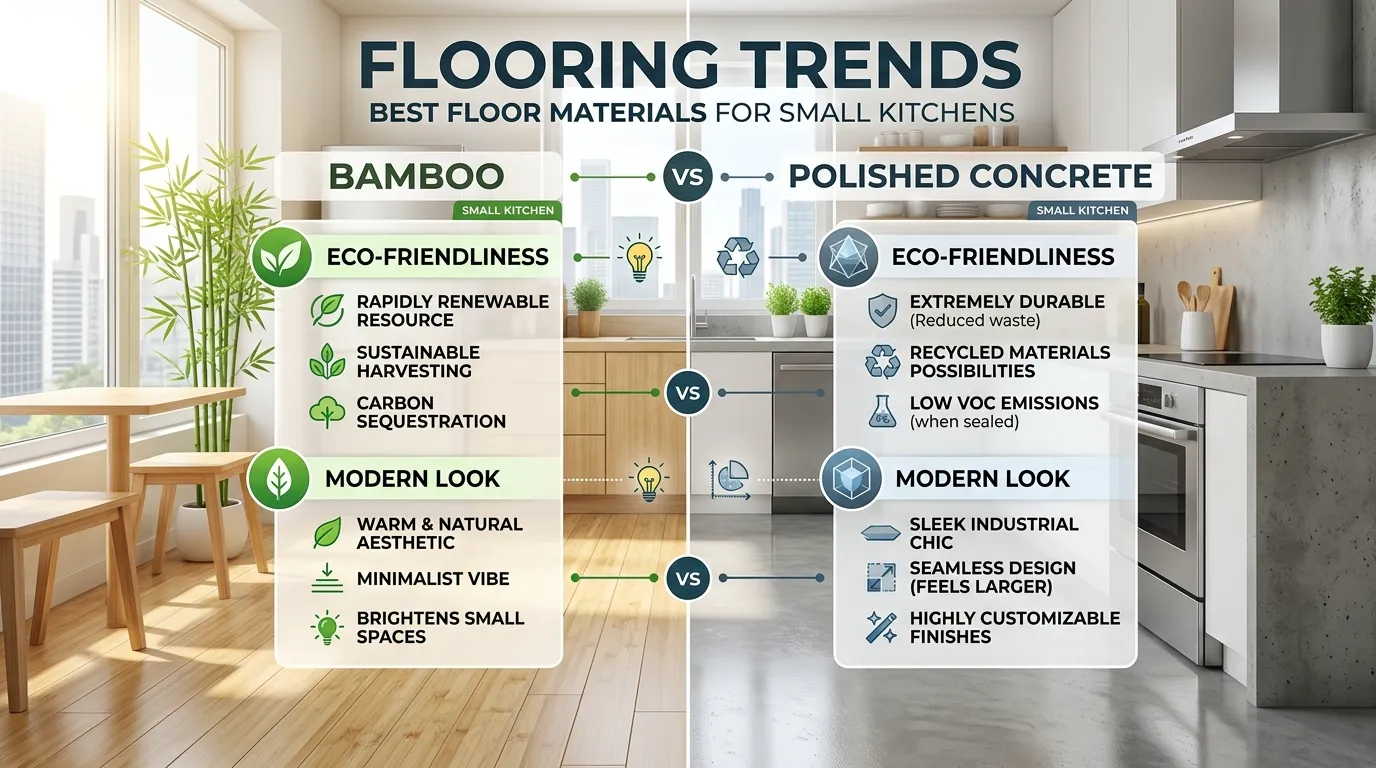
Flooring durability comparison showing expected lifespan of various kitchen flooring materials
Cost Considerations
Total flooring cost includes materials, installation labor, subfloor prep, transitions, and removal of existing flooring.
💰 Average Kitchen Flooring Costs (Materials + Install):
Budget ($3-8/sq ft total): Sheet vinyl, peel-and-stick, basic laminate
Mid-Range ($8-15/sq ft): LVP, ceramic tile, engineered hardwood, quality laminate
Premium ($15-25/sq ft): Porcelain tile, solid hardwood, natural stone
Luxury ($25-40+/sq ft): Exotic hardwood, high-end stone, custom tile
Typical small kitchen (80-120 sq ft): $640-$4,800 total project cost
Visual Impact on Space
Flooring color, pattern, and installation direction significantly affect how large small kitchens feel.
- Light colors: Reflect light; make spaces feel 15-20% larger; show dirt more easily
- Dark colors: Absorb light; create cozy intimacy; hide dirt better; can shrink small spaces
- Wide planks/large tiles: Fewer grout lines; cleaner appearance; modern aesthetic
- Diagonal installation: Creates longest sightlines; expands perceived space maximally
- Continuous flooring: Same material from kitchen to adjacent rooms eliminates boundaries
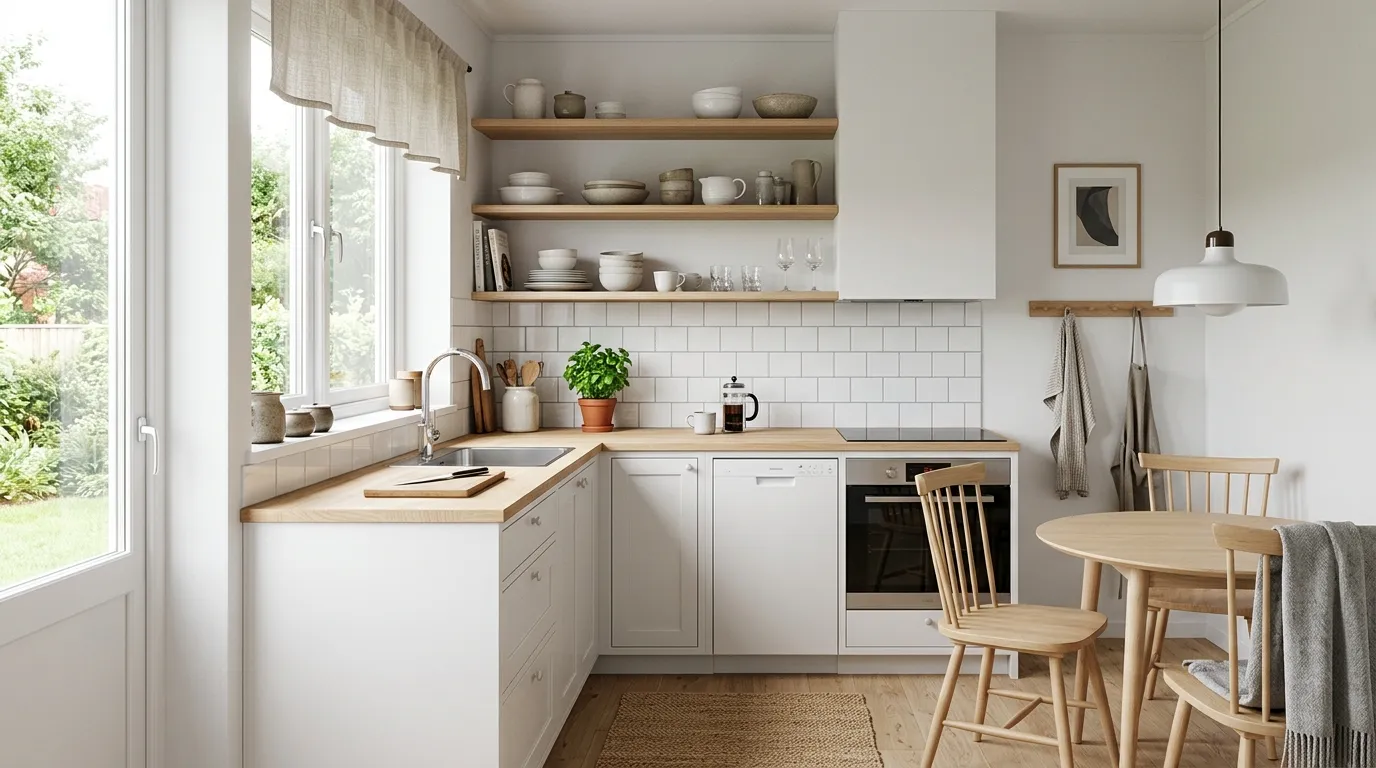
Light, reflective finishes are the fastest way to make a small kitchen feel more spacious
Comfort and Safety
Since you stand while cooking, flooring comfort matters more in kitchens than other rooms.
- Most comfortable: Cork, vinyl, rubber (cushioned, warm underfoot)
- Moderate comfort: Engineered hardwood, bamboo, luxury vinyl (some give)
- Hard/cold: Tile, stone, concrete, solid hardwood (fatigue-inducing for long standing)
- Slip resistance: Textured tile, matte finishes safer than glossy/polished surfaces
- Radiant heat compatible: Tile, stone, engineered wood, luxury vinyl (adds warmth)
Vinyl Flooring Options (1-4)
Vinyl flooring has evolved dramatically from outdated sheet vinyl to sophisticated waterproof planks rivaling real hardwood in appearance while offering superior durability and easier maintenance.
1. Luxury Vinyl Plank (LVP) - Best Overall Value
Luxury Vinyl Plank (LVP)
Cost: $2-7 per square foot (materials); $5-12 installed
Lifespan: 15-25 years
Water Resistance: 100% waterproof
Best For: Budget-conscious homeowners; DIY installers; busy kitchens
- Pros: Completely waterproof, realistic wood appearance, comfortable underfoot, easy click-lock DIY installation, wide variety of colors/patterns, affordable, low maintenance
- Cons: Can dent from heavy appliances, may fade in direct sunlight, not as prestigious as real wood for resale, some products off-gas VOCs initially
- Installation: Floating floor over existing surface; no adhesive needed; DIY-friendly; 1-2 days for small kitchen
- Maintenance: Sweep/vacuum regularly; damp mop with vinyl cleaner; extremely low-maintenance
- Visual impact: Wide planks (7-9") in light tones maximize space expansion
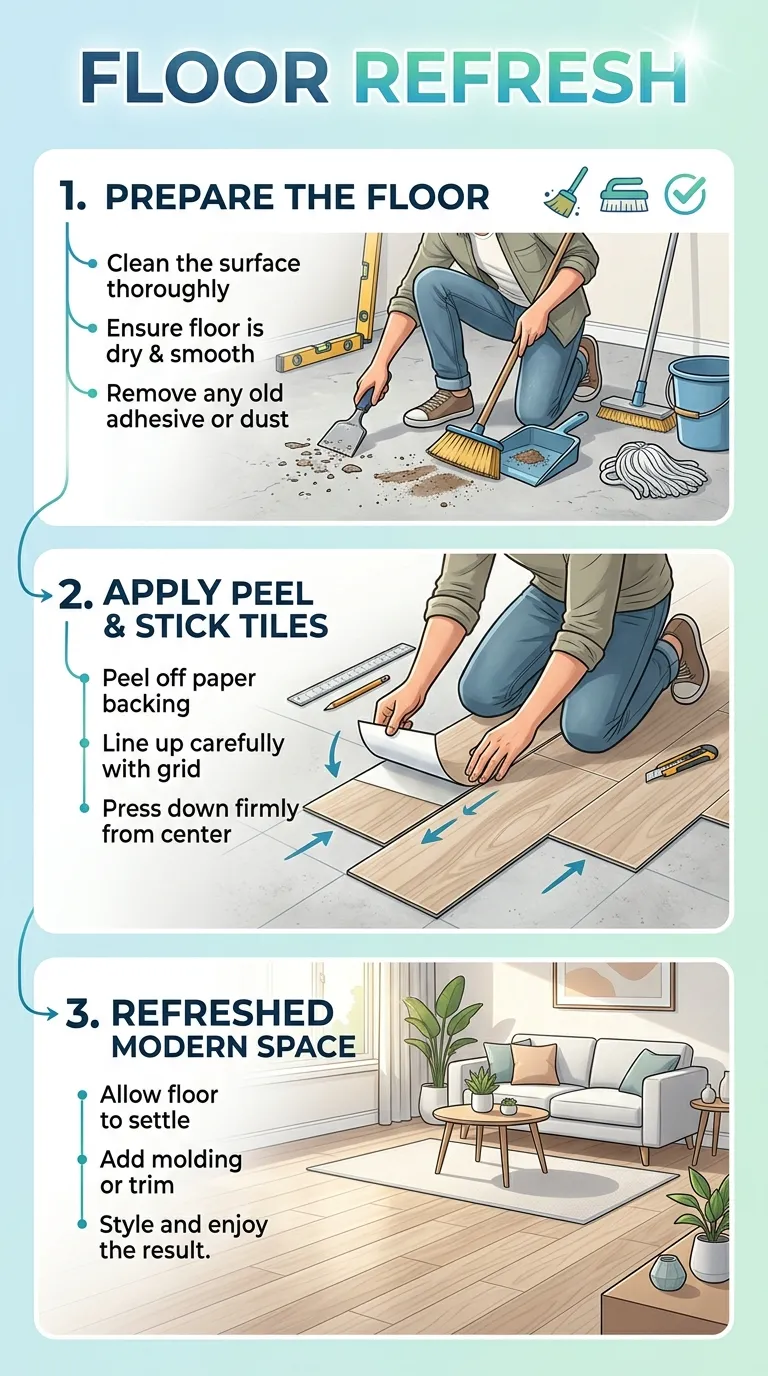
Step-by-step guide to laying luxury vinyl plank flooring in small kitchen DIY installation
2. WPC (Wood Plastic Composite) Vinyl
WPC Vinyl Flooring
Cost: $3-8 per square foot; $6-13 installed
Lifespan: 20-25 years
Water Resistance: 100% waterproof with superior stability
Best For: High-moisture areas; uneven subfloors; temperature fluctuations
- Pros: Thicker/more durable than standard LVP, waterproof core provides dimensional stability, hides minor subfloor imperfections, warmer/softer underfoot, excellent for basements and kitchens
- Cons: More expensive than standard LVP, thicker profile requires larger transition strips, slightly less realistic wood grain than SPC
- Difference from LVP: WPC has foam/composite core vs. solid vinyl; provides cushion and forgiveness
3. SPC (Stone Plastic Composite) Vinyl
SPC Vinyl Flooring
Cost: $3-9 per square foot; $6-14 installed
Lifespan: 20-30 years
Water Resistance: 100% waterproof with rigid core
Best For: Commercial-grade durability; heavy traffic; pet owners
- Pros: Extremely durable rigid core, 100% waterproof, superior dent resistance, very realistic embossed textures, stable in temperature changes, commercial-grade quality
- Cons: Harder underfoot than WPC, more expensive, requires flatter subfloor, can sound hollow without underlayment
- Difference from WPC: Stone-based core (firmer) vs. wood-plastic core (softer); SPC more durable, WPC more comfortable
4. Sheet Vinyl - Budget Option
Sheet Vinyl Flooring
Cost: $1-4 per square foot; $3-8 installed
Lifespan: 10-15 years
Water Resistance: Water-resistant (not waterproof at seams)
Best For: Extremely tight budgets; rental properties; temporary solutions
- Pros: Most affordable option, seamless in small kitchens, soft underfoot, easy to clean, wide variety of patterns
- Cons: Shorter lifespan, can tear or puncture, seams visible in larger rooms, difficult DIY installation (requires adhesive), less durable than plank vinyl
- Installation: Professional installation recommended; requires adhesive application; challenging for DIY
- Visual: Dated appearance compared to planks; choose realistic wood/stone patterns
Tile Flooring Options (5-10)
Tile flooring delivers unmatched durability and water resistance with extensive design flexibility, though harder underfoot and more expensive to install than vinyl alternatives.
5. Porcelain Tile - Most Durable
Porcelain Tile
Cost: $5-15 per square foot; $10-25 installed
Lifespan: 50+ years (virtually permanent)
Water Resistance: 100% waterproof, stain-proof
Best For: Longevity; high-value homes; serious cooks; resale value
- Pros: Longest lifespan of any flooring, completely waterproof, extremely durable, stain/scratch/fade resistant, infinite design options, adds home value, easy cleaning
- Cons: Very hard/cold underfoot (fatiguing), expensive professional installation required, can crack if heavy object dropped, grout requires sealing/maintenance
- Installation: Professional only; requires flat subfloor, thinset mortar, precise cutting; 2-4 days for small kitchen
- Best sizes for small kitchens: Large format (12x24" or bigger) minimizes grout lines; creates cleaner, more spacious look
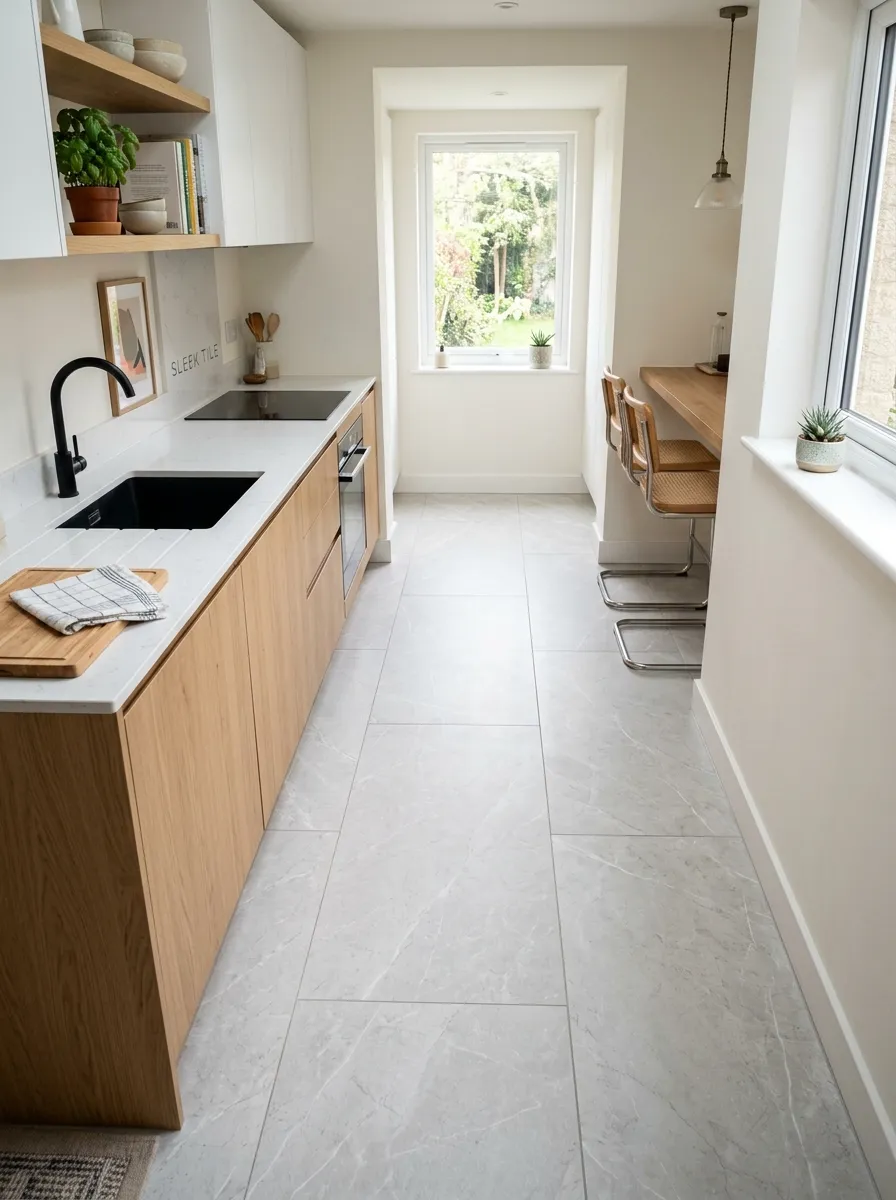
Large format porcelain tiles create sleek, modern look with minimal grout lines in small kitchen
6. Ceramic Tile - Affordable Alternative
Ceramic Tile
Cost: $3-10 per square foot; $8-20 installed
Lifespan: 30-50 years
Water Resistance: Water-resistant (glaze protects surface)
Best For: Budget-conscious tile preference; DIY tile experience
- Pros: More affordable than porcelain, excellent water resistance, wide variety of colors/patterns, durable, DIY-possible for experienced installers
- Cons: Less dense than porcelain (more prone to chips/cracks), glaze can wear in high-traffic areas, cold/hard underfoot, professional installation recommended
- Difference from porcelain: Ceramic softer, more porous, less expensive; porcelain denser, harder, more durable, pricier
7. Natural Stone Tile - Luxury Option
Natural Stone (Marble, Slate, Travertine, Limestone)
Cost: $8-25 per square foot; $15-40 installed
Lifespan: 50-100+ years (with proper maintenance)
Water Resistance: Requires sealing; porous without treatment
Best For: Luxury kitchens; unique character; long-term investment
- Pros: Unmatched natural beauty, every tile unique, extremely durable when sealed, adds significant home value, timeless elegance, cool in hot climates
- Cons: Expensive, requires regular sealing (annually), porous/stains easily if unsealed, cold/hard underfoot, professional installation essential, acid-sensitive (marble/limestone)
- Maintenance: Seal every 6-12 months; clean only with pH-neutral cleaners; immediate spill cleanup critical
- Best stones for kitchens: Slate (most durable/stain-resistant), honed granite, soapstone; avoid polished marble (slippery when wet, stains easily)
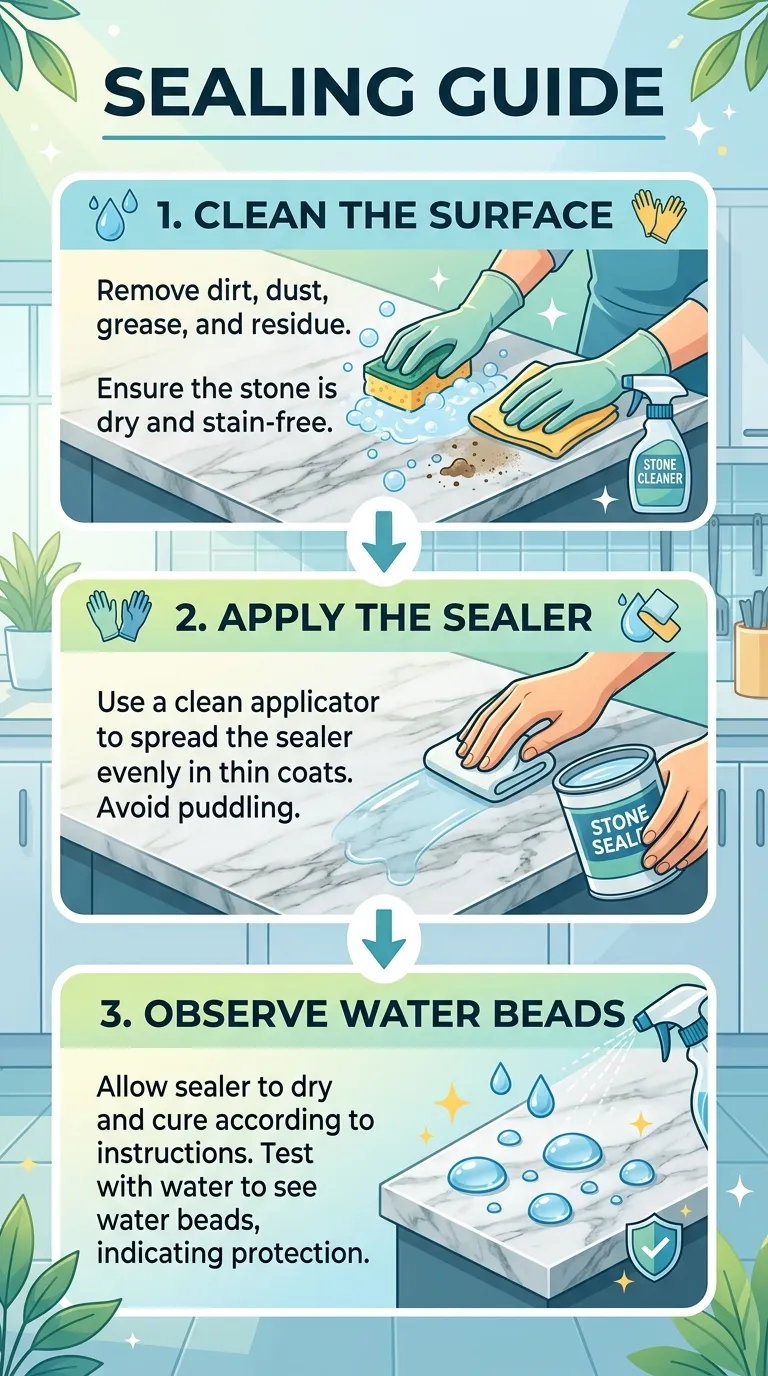
Natural stone needs regular sealing to stay stain- and water-resistant — the same care routine that applies to sealed stone flooring
8. Patterned Cement Tile - Statement Design
Patterned Cement/Encaustic Tile
Cost: $10-30 per square foot; $18-45 installed
Lifespan: 30-50 years
Water Resistance: Requires sealing; porous without treatment
Best For: Bold design statements; bohemian/Mediterranean styles; feature areas
- Pros: Stunning visual impact, handcrafted character, colors/patterns throughout (not just surface), durable when sealed, unique personality
- Cons: Very expensive, requires professional installation and sealing, porous/stains without sealing, labor-intensive maintenance, busy pattern can overwhelm very small spaces
- Small kitchen application: Use as accent area (in front of sink/stove) with solid tile elsewhere to avoid overwhelming compact space
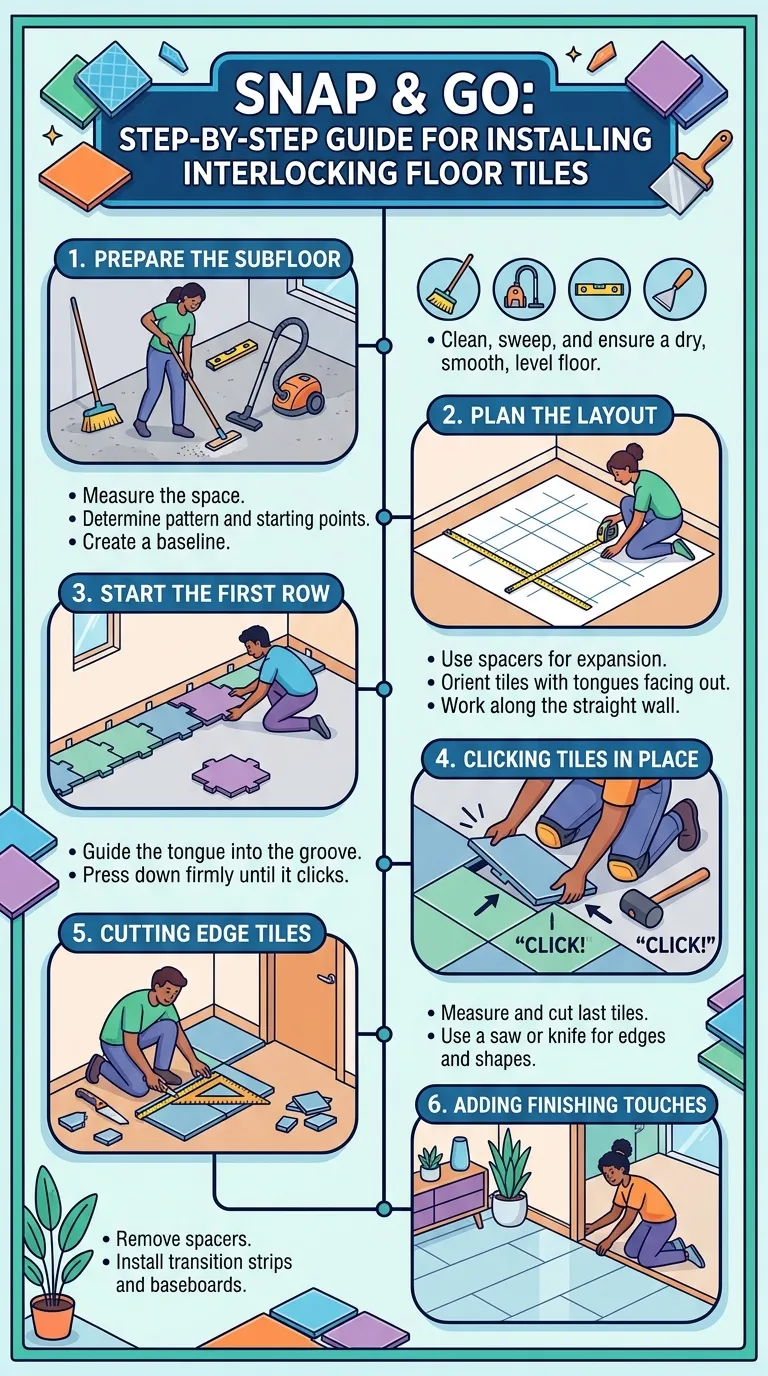
Patterned floor tiles installed as an accent area keep the bold look from overwhelming a small footprint
9. Mosaic Tile - Decorative Accent
Mosaic Tile (Glass, Ceramic, Stone)
Cost: $8-20 per square foot; $15-35 installed
Lifespan: 25-40 years
Water Resistance: Excellent (many grout lines channel water)
Best For: Accent areas; borders; transition zones
- Pros: Beautiful artistic possibilities, excellent slip resistance (many grout lines), works on curved surfaces, available in glass/ceramic/stone
- Cons: Expensive, labor-intensive installation, excessive grout lines require more cleaning/maintenance, busy appearance can overwhelm small floors
- Best application: Border accents, transition strips, small feature areas—not entire small kitchen floor
10. Terracotta/Clay Tile - Rustic Warmth
Terracotta/Clay Tile
Cost: $6-15 per square foot; $12-28 installed
Lifespan: 40-75 years (with proper sealing)
Water Resistance: Requires sealing; very porous unsealed
Best For: Mediterranean/Southwestern/farmhouse styles; warm climates
- Pros: Warm, earthy aesthetic, handmade character/variation, naturally warm underfoot, ages beautifully with patina, eco-friendly natural material
- Cons: Requires regular sealing (2-3x yearly), stains easily if unsealed, soft/chips more easily than porcelain, color variation (pro or con depending on preference)
- Maintenance intensive: Not ideal for busy cooks or those wanting low-maintenance flooring
Wood Flooring Options (11-14)
Real and engineered wood bring warmth few other materials can match, though kitchens are among the toughest rooms for any wood floor to survive in long-term.
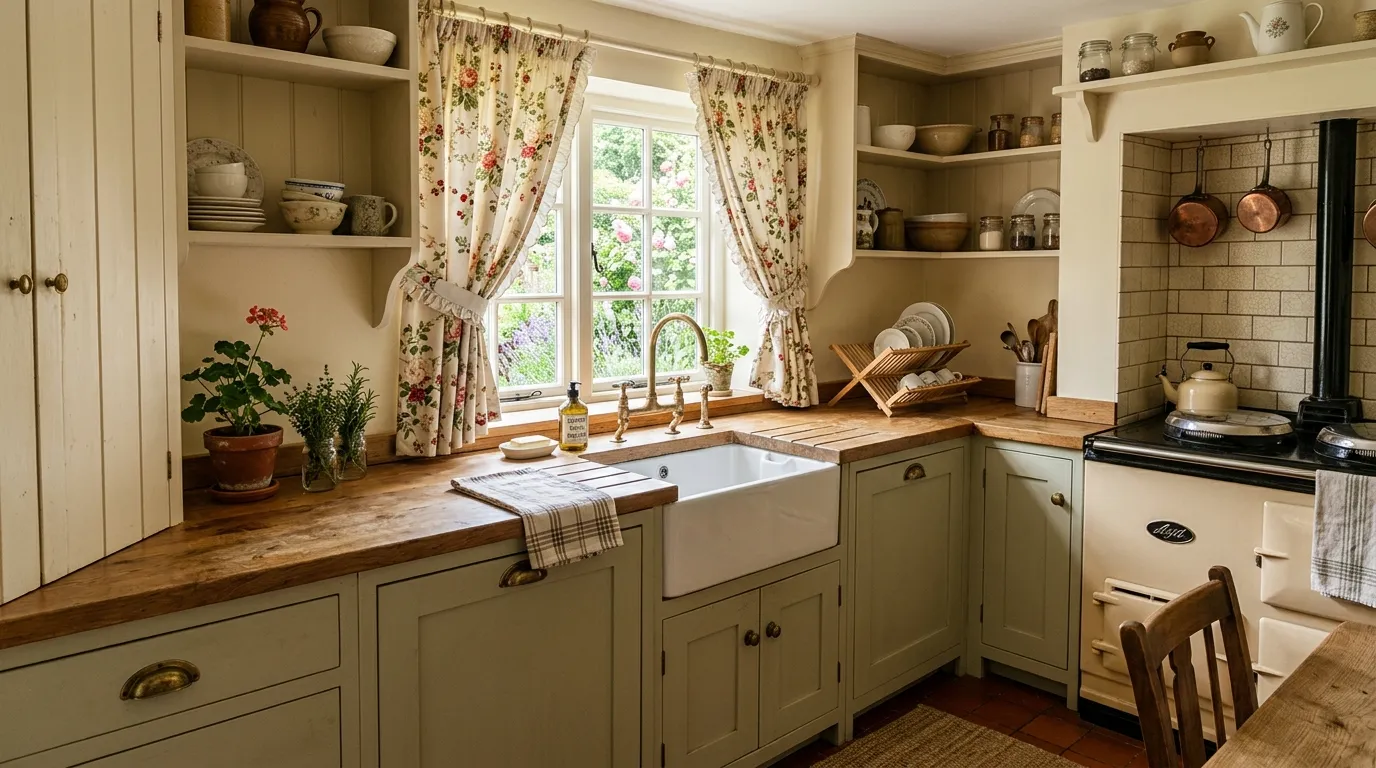
A warm, traditional palette pairs naturally with wood and wood-look flooring choices
11. Engineered Hardwood
Engineered Hardwood
Cost: $4-11 per square foot; $8-18 installed
Lifespan: 25-40 years (can be refinished 1-3 times)
Water Resistance: Water-resistant, not waterproof
Best For: Homeowners wanting real wood look with better moisture tolerance than solid hardwood
- Pros: Real wood veneer over stable plywood core, more dimensionally stable than solid hardwood, works over radiant heat, can flow seamlessly into adjacent living spaces, refinishable
- Cons: Still moisture-sensitive at seams, thinner wear layer than solid hardwood limits refinishing, higher cost than vinyl alternatives, not ideal directly around sink/dishwasher
- Kitchen tip: Use only in kitchens with minimal direct water exposure, and pair with strict spill-cleanup habits
12. Solid Hardwood
Solid Hardwood (Oak, Maple, Walnut)
Cost: $6-15 per square foot; $12-25 installed
Lifespan: 30-100 years (multiple refinishes possible)
Water Resistance: Moisture-sensitive; not recommended for wet zones
Best For: Open-concept homes extending existing hardwood into the kitchen
- Pros: Timeless, adds significant resale value, can be sanded and refinished repeatedly, ages beautifully
- Cons: Warps/cups with water exposure, most expensive wood option, requires professional installation, not recommended as a first choice for high-spill kitchen zones
- Small kitchen tip: Only recommended if continuing hardwood already running through an open-concept living/dining space — for a kitchen in isolation, engineered or LVP is the safer choice
13. Bamboo Flooring
Bamboo Flooring
Cost: $3-9 per square foot; $6-15 installed
Lifespan: 15-25 years
Water Resistance: Water-resistant, not waterproof
Best For: Eco-conscious homeowners wanting a wood-like renewable material
- Pros: Rapidly renewable resource (grows in 3-5 years vs. decades for hardwood trees), harder than many hardwoods (strand-woven varieties), attractive grain pattern
- Cons: Still susceptible to water damage, quality varies significantly by manufacturer, can scratch/dent, some products off-gas
- Kitchen tip: Choose strand-woven bamboo for maximum hardness and durability in kitchen use
14. Reclaimed Wood
Reclaimed Wood Flooring
Cost: $8-20 per square foot; $15-35 installed
Lifespan: 30-75+ years (already proven durability from prior life)
Water Resistance: Moisture-sensitive, same as solid hardwood
Best For: Farmhouse and industrial-style kitchens wanting authentic character
- Pros: Unique character marks and patina, sustainable/eco-friendly reuse of existing material, often more stable than new-cut wood (already acclimated over decades), conversation-starting story
- Cons: Most expensive wood option, limited availability/inconsistent supply, still moisture-sensitive, requires careful sourcing to avoid contaminated or structurally compromised salvage material
Alternative Flooring Options (15-20)
Beyond vinyl, tile, and wood, several alternative materials offer distinct advantages worth considering for specific priorities — comfort, budget, sustainability, or a particular design statement.
15. Cork Flooring
Cork Flooring
Cost: $3-8 per square foot; $6-14 installed
Lifespan: 10-25 years (varies with maintenance)
Water Resistance: Water-resistant when sealed; not waterproof
Best For: Comfort-focused cooks who stand for long periods; sustainability priority
- Pros: Most comfortable/cushioned underfoot of any option, naturally warm, sound-dampening, renewable and biodegradable, naturally antimicrobial
- Cons: Needs resealing every few years, can dent under heavy appliances, less durable than tile/vinyl in high-traffic kitchens, fades in direct sunlight
16. Polished Concrete
Polished Concrete
Cost: $3-12 per square foot (varies hugely by finish/stain); $8-20 installed
Lifespan: 30+ years (essentially permanent structure)
Water Resistance: Waterproof when properly sealed
Best For: Modern/industrial-style small kitchens; slab-on-grade homes already with concrete subfloor
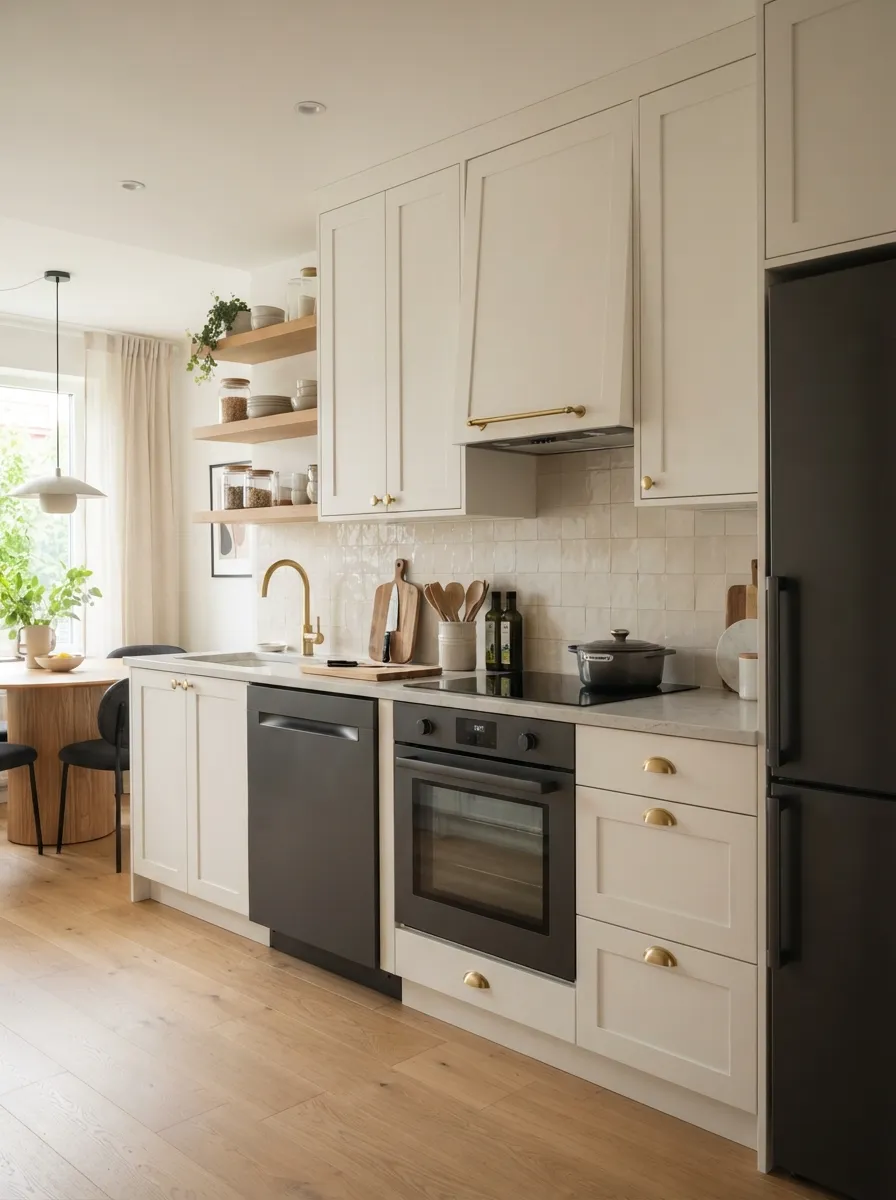
Charcoal and grey tones echo the sleek, industrial look polished concrete brings to a small kitchen
- Pros: Extremely durable, seamless (no grout lines to clean), works with radiant heat, modern aesthetic, most affordable option if you already have a concrete subfloor
- Cons: Very hard/cold/tiring underfoot, can crack over time (existing slab condition matters), expensive to install if pouring new slab, echo/sound amplification
17. Laminate Flooring
Laminate Flooring
Cost: $1-5 per square foot; $4-9 installed
Lifespan: 15-25 years
Water Resistance: Water-resistant in modern waterproof-core products; standard laminate is not
Best For: Tight budgets wanting a wood-look floor with easy DIY click-lock installation
- Pros: Very affordable, easy DIY click-lock install, realistic photographic wood/stone finishes, scratch-resistant top layer
- Cons: Standard laminate swells/warps with water exposure at seams, can sound hollow underfoot, cannot be refinished when worn, lower resale perception than real wood or tile
- Kitchen tip: If choosing laminate for a kitchen, buy only products specifically rated "waterproof core" — standard laminate is a poor fit for this room
18. Rubber Flooring
Rubber Flooring
Cost: $3-10 per square foot; $6-16 installed
Lifespan: 20-30 years
Water Resistance: 100% waterproof
Best For: Serious home cooks prioritizing comfort and slip resistance over traditional aesthetics
- Pros: Excellent cushioning for standing, superior slip resistance, waterproof, quiet underfoot, easy to clean
- Cons: Limited design options compared to vinyl/tile, can have a rubbery odor initially, less "premium" resale perception, can show scuff marks
19. Peel-and-Stick Vinyl Tile
Peel-and-Stick Vinyl Tile
Cost: $1-3 per square foot; $2-6 installed (DIY-friendly)
Lifespan: 5-10 years
Water Resistance: Water-resistant; edges can lift with prolonged moisture
Best For: Renters, extremely tight budgets, temporary or starter-home solutions
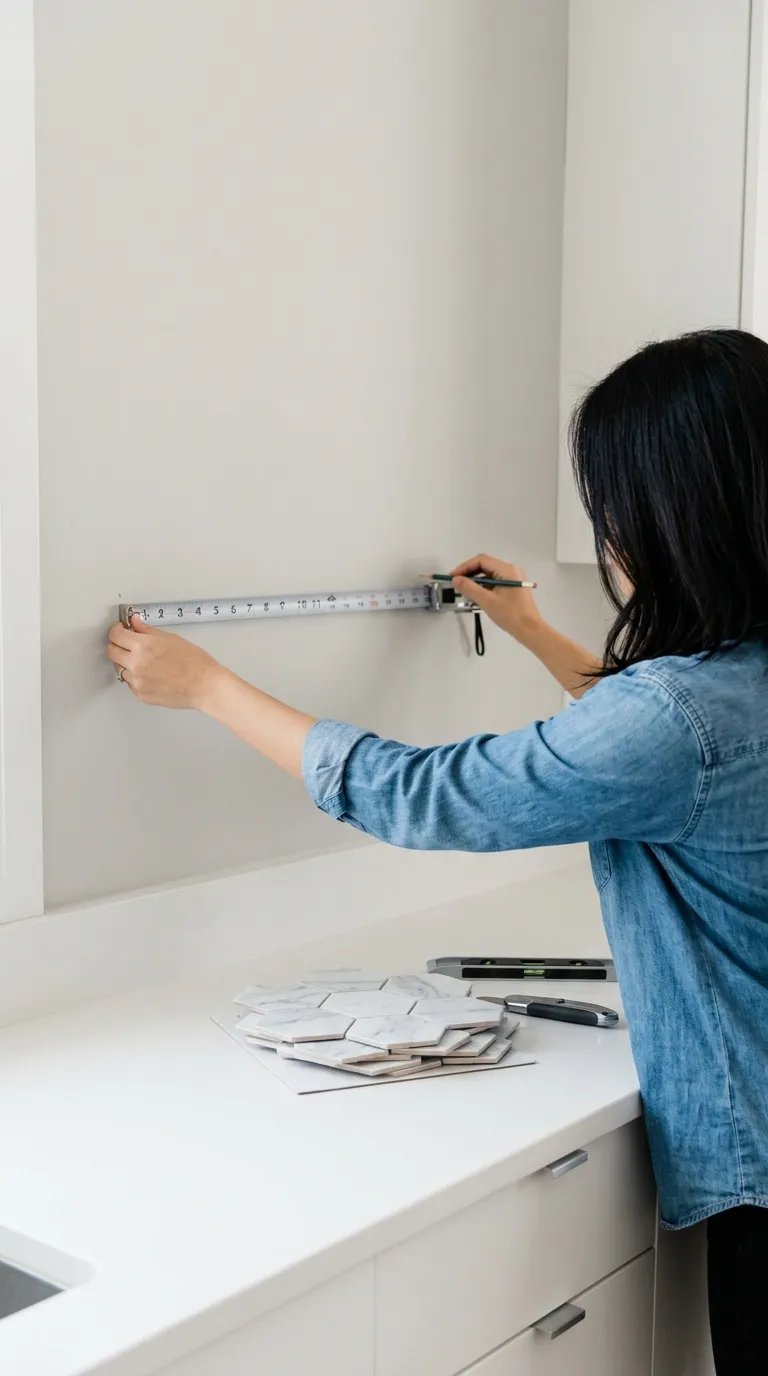
Peel-and-stick materials are the fastest, most budget-friendly way to refresh a rental kitchen floor
- Pros: Cheapest flooring option available, no adhesive/tools required, renter-friendly (removable), fast weekend installation
- Cons: Shortest lifespan of any option, tiles can lift at edges over time, less realistic appearance than luxury vinyl plank, not a long-term solution
20. Terrazzo
Terrazzo (Poured or Tile)
Cost: $15-30 per square foot; $25-50 installed (poured); tile terrazzo is more affordable
Lifespan: 50-75+ years
Water Resistance: Waterproof when sealed
Best For: Design-forward small kitchens wanting a distinctive, speckled statement floor
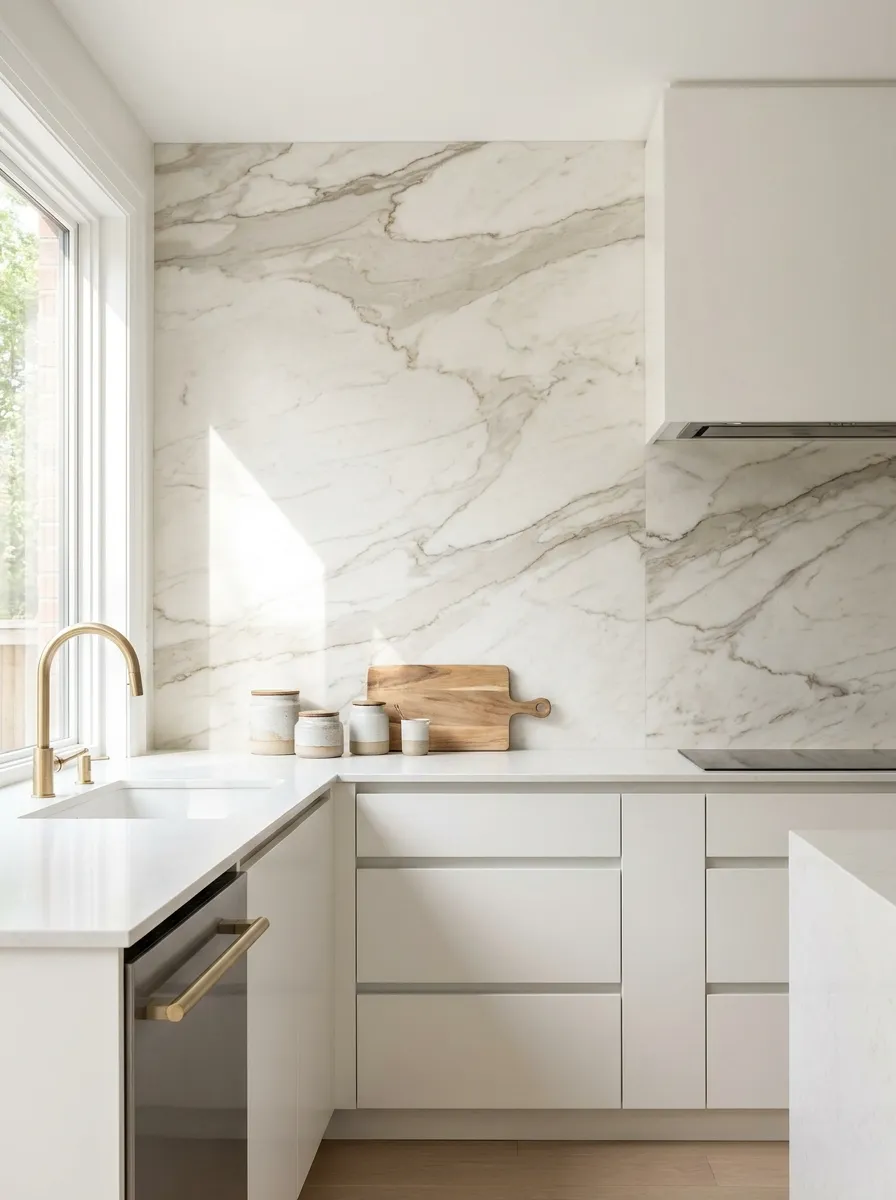
Terrazzo's speckled aggregate look brings a similar dimensional pattern to marble and stone finishes
- Pros: Extremely durable, seamless poured option eliminates grout lines, distinctive speckled aesthetic, endless color/aggregate customization, adds resale value
- Cons: Most expensive flooring option on this list, poured terrazzo requires specialist installers, terrazzo tile (more affordable) still needs grout maintenance, cold underfoot
Quick Comparison Table: All 20 Flooring Options
A side-by-side snapshot to help you shortlist options before diving deeper into any single material.
| Flooring Type | Cost (Installed) | Lifespan | Waterproof? | Comfort Underfoot |
|---|---|---|---|---|
| 1. Luxury Vinyl Plank | $5-12/sq ft | 15-25 yrs | Yes | Good |
| 2. WPC Vinyl | $6-13/sq ft | 20-25 yrs | Yes | Very Good |
| 3. SPC Vinyl | $6-14/sq ft | 20-30 yrs | Yes | Moderate |
| 4. Sheet Vinyl | $3-8/sq ft | 10-15 yrs | Water-resistant | Good |
| 5. Porcelain Tile | $10-25/sq ft | 50+ yrs | Yes | Hard/Cold |
| 6. Ceramic Tile | $8-20/sq ft | 30-50 yrs | Water-resistant | Hard/Cold |
| 7. Natural Stone | $15-40/sq ft | 50-100+ yrs | When sealed | Hard/Cold |
| 8. Patterned Cement | $18-45/sq ft | 30-50 yrs | When sealed | Hard/Cold |
| 9. Mosaic Tile | $15-35/sq ft | 25-40 yrs | Yes | Hard/Cold |
| 10. Terracotta/Clay | $12-28/sq ft | 40-75 yrs | When sealed | Moderate |
| 11. Engineered Hardwood | $8-18/sq ft | 25-40 yrs | Water-resistant | Moderate |
| 12. Solid Hardwood | $12-25/sq ft | 30-100 yrs | No | Moderate |
| 13. Bamboo | $6-15/sq ft | 15-25 yrs | Water-resistant | Moderate |
| 14. Reclaimed Wood | $15-35/sq ft | 30-75+ yrs | No | Moderate |
| 15. Cork | $6-14/sq ft | 10-25 yrs | Water-resistant | Best |
| 16. Polished Concrete | $8-20/sq ft | 30+ yrs | When sealed | Hard/Cold |
| 17. Laminate | $4-9/sq ft | 15-25 yrs | Varies | Moderate |
| 18. Rubber | $6-16/sq ft | 20-30 yrs | Yes | Very Good |
| 19. Peel-and-Stick | $2-6/sq ft | 5-10 yrs | Water-resistant | Good |
| 20. Terrazzo | $25-50/sq ft | 50-75+ yrs | When sealed | Hard/Cold |
Installation Considerations
Installation complexity and cost vary dramatically by material — and directly affects your total project timeline and budget.
DIY-Friendly Options
- Easiest: Peel-and-stick tile, click-lock LVP, click-lock laminate
- Moderate DIY skill needed: WPC/SPC vinyl (floating floor systems), floating engineered hardwood
- Professional recommended: All tile (porcelain, ceramic, stone, mosaic, patterned cement, terracotta), glued-down solid hardwood, poured terrazzo, polished concrete
Subfloor Requirements
- Forgiving of minor imperfections: WPC vinyl, cork, carpet-backed sheet vinyl
- Requires flat, level subfloor: Tile, natural stone, SPC vinyl, hardwood
- May require self-leveling compound first: Any rigid material (tile, stone) over an uneven older subfloor
Existing Floor Removal
Most flooring types can be installed over existing vinyl or tile if it's flat and well-adhered, saving demolition cost. Exceptions: solid hardwood and poured concrete generally require removal of the prior surface down to subfloor.
Maintenance Requirements
🧽 Maintenance Effort by Category
Lowest maintenance: LVP, WPC, SPC, porcelain tile — sweep/vacuum + occasional damp mop
Moderate maintenance: Ceramic tile, laminate, engineered hardwood — same as above, plus occasional grout or seam care
Higher maintenance: Natural stone, terracotta, patterned cement — require periodic resealing (every 6-24 months)
Highest maintenance: Solid hardwood — needs refinishing every 7-10 years in high-traffic kitchens, plus strict spill vigilance
Whatever material you choose, immediate spill cleanup extends the life of every flooring type — this matters most for anything not 100% waterproof (hardwood, bamboo, laminate, unsealed stone or cement tile).
Common Mistakes to Avoid
- Choosing beauty over water resistance: A gorgeous solid hardwood floor next to a sink with no water discipline is a recipe for early replacement
- Ignoring subfloor condition: Skipping subfloor prep leads to cracked tile, squeaky floors, or failed vinyl seams within a few years
- Going too dark in a very small kitchen: Dark flooring can visually shrink an already-tight room — reserve it for kitchens with ample natural light
- Over-patterning a small floor: Bold patterned tile across an entire small kitchen floor can feel busy; use it as an accent instead
- Underestimating installation cost: Material cost is only part of the budget — always price labor and subfloor prep before committing
Frequently Asked Questions
Luxury vinyl plank (LVP) offers the best overall balance for most small kitchens — 100% waterproof, durable, comfortable underfoot, budget-friendly, and easy enough for DIY installation. Porcelain tile is the better choice if maximum lifespan matters more than upfront cost or comfort.
Yes — light, reflective flooring can make a small kitchen feel roughly 15-20% larger by bouncing more light around the room, while dark flooring absorbs light and can make a tight space feel smaller, even though it hides dirt better.
It depends on priorities. Tile (especially porcelain) lasts far longer and adds more resale value, but is harder, colder, and more expensive to install. Vinyl is more affordable, warmer and more comfortable underfoot, and easier to install or replace later.
Often yes, if the existing floor is flat, stable, and well-adhered — many vinyl and laminate products can float directly over old vinyl or tile. Solid hardwood and poured concrete generally require full removal down to the subfloor.
LVP, WPC, SPC vinyl, rubber flooring, and porcelain/ceramic tile are all 100% waterproof (or effectively so). Natural stone, terracotta, and cement tile are waterproof only once properly sealed and require ongoing resealing to stay that way.
Not necessarily, but it requires more caution than other options. Solid hardwood is moisture-sensitive and best reserved for kitchens with minimal water exposure or ones extending existing hardwood from an open-concept living space. Engineered hardwood offers more moisture tolerance if the wood look is a priority.
Peel-and-stick vinyl tile and click-lock LVP or laminate are the most DIY-friendly options, requiring no adhesive or specialty tools. Tile, natural stone, and solid hardwood generally require professional installation.
For a typical 80-120 square foot small kitchen, budget-friendly options (sheet vinyl, laminate) run roughly $640-$1,900 total installed, mid-range options (LVP, ceramic tile) run about $1,900-$3,600, and premium options (porcelain, hardwood, natural stone) can run $3,600-$6,000 or more.
Cork is the most cushioned and comfortable option, followed closely by rubber flooring and vinyl (LVP/WPC). Tile, natural stone, and polished concrete are the hardest and most fatiguing to stand on for long cooking sessions.
Either can work — a close match between floor and cabinet tone creates a seamless, larger-feeling look, while a contrasting floor (like a light floor under dark cabinets) adds definition and visual interest. In small kitchens, matching tones generally reads as more spacious.
Conclusion: Choosing Your Small Kitchen Floor
With 20 flooring options on the table, the right choice comes down to ranking your own priorities: water resistance and durability should never be compromised in a kitchen, but beyond that, budget, comfort underfoot, and desired aesthetic will point you toward the right category. For most small kitchens, luxury vinyl plank offers the best all-around balance of cost, durability, and style — but if you're building for the long term and can invest more upfront, porcelain tile or natural stone will outlast almost everything else on this list.
Whatever you choose, prioritize proper subfloor prep and correct installation — even the best material underperforms if installed over an uneven or poorly prepared subfloor.
Explore More Small Kitchen Design Ideas