25 Small Kitchen Trash and Recycling Solutions
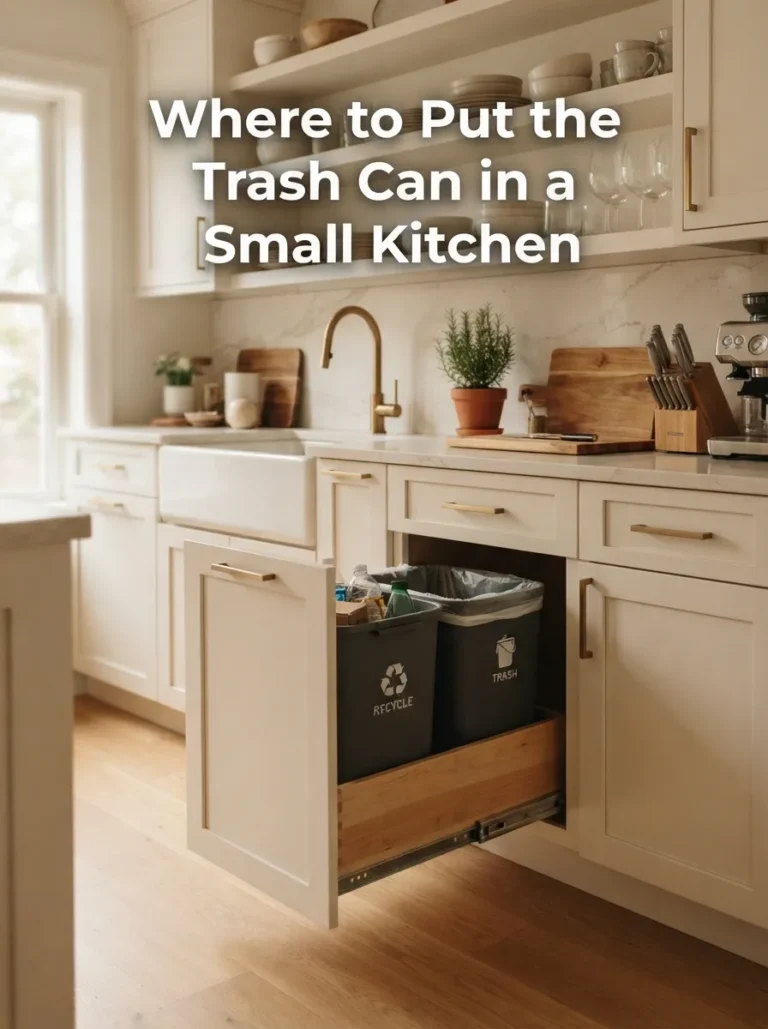
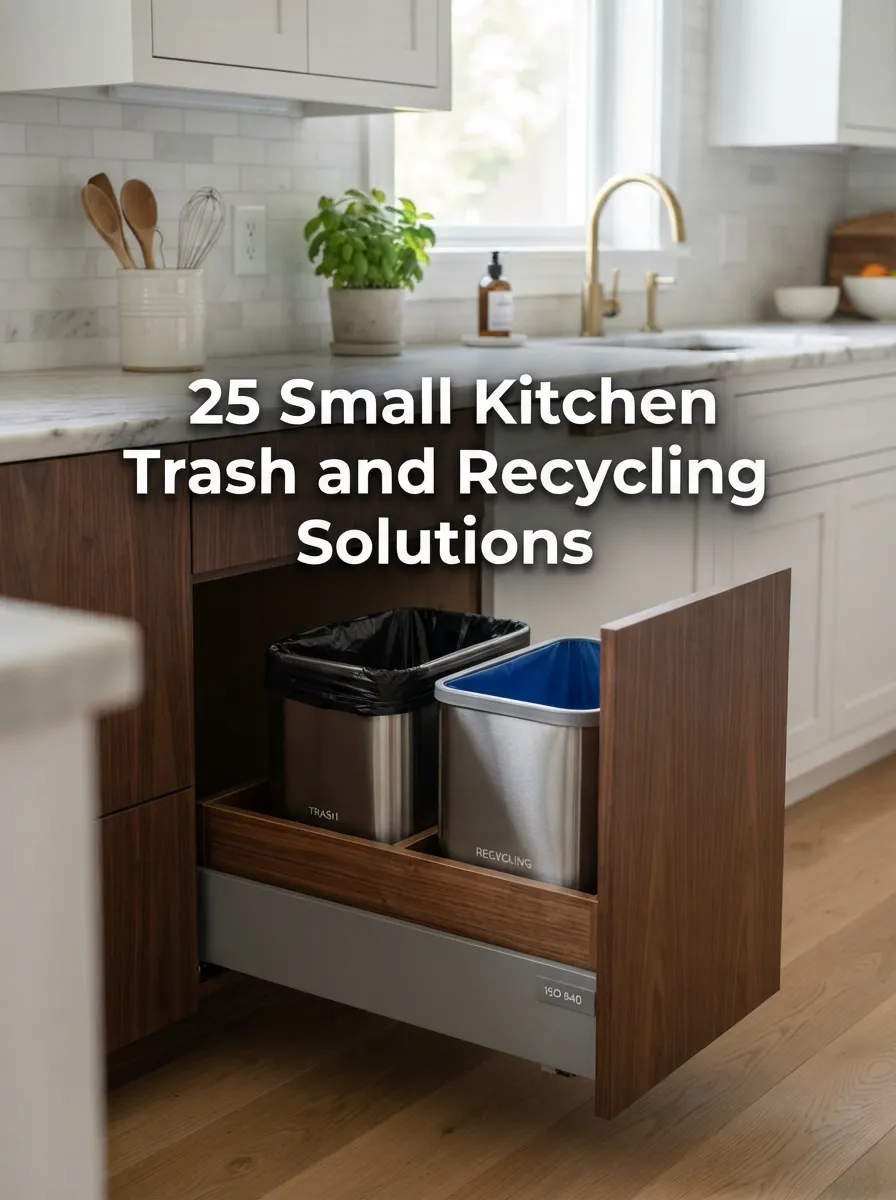
A freestanding trash can is often the single biggest floor-space offender in a small kitchen, blocking foot traffic and cabinet doors alike. These 25 small kitchen trash and recycling solutions move waste and recycling out of the walkway and into cabinets, drawers, and corners that were otherwise going unused.
♻️ Quick Takeaways
- Pull-out bins built into a base cabinet reclaim floor space a freestanding can occupies.
- Separate compartments for trash, recycling, and compost simplify sorting without extra thinking.
- Under-sink is the most common location, but toe-kick and end-of-cabinet spots work well too.
- Slim single-stream bins fit spaces as narrow as 6-8 inches wide.
- Odor control (charcoal filters, tight-sealing lids) matters more in a small kitchen where smell has nowhere to dissipate.
In This Post
1. Under-Sink Solutions (1-6)
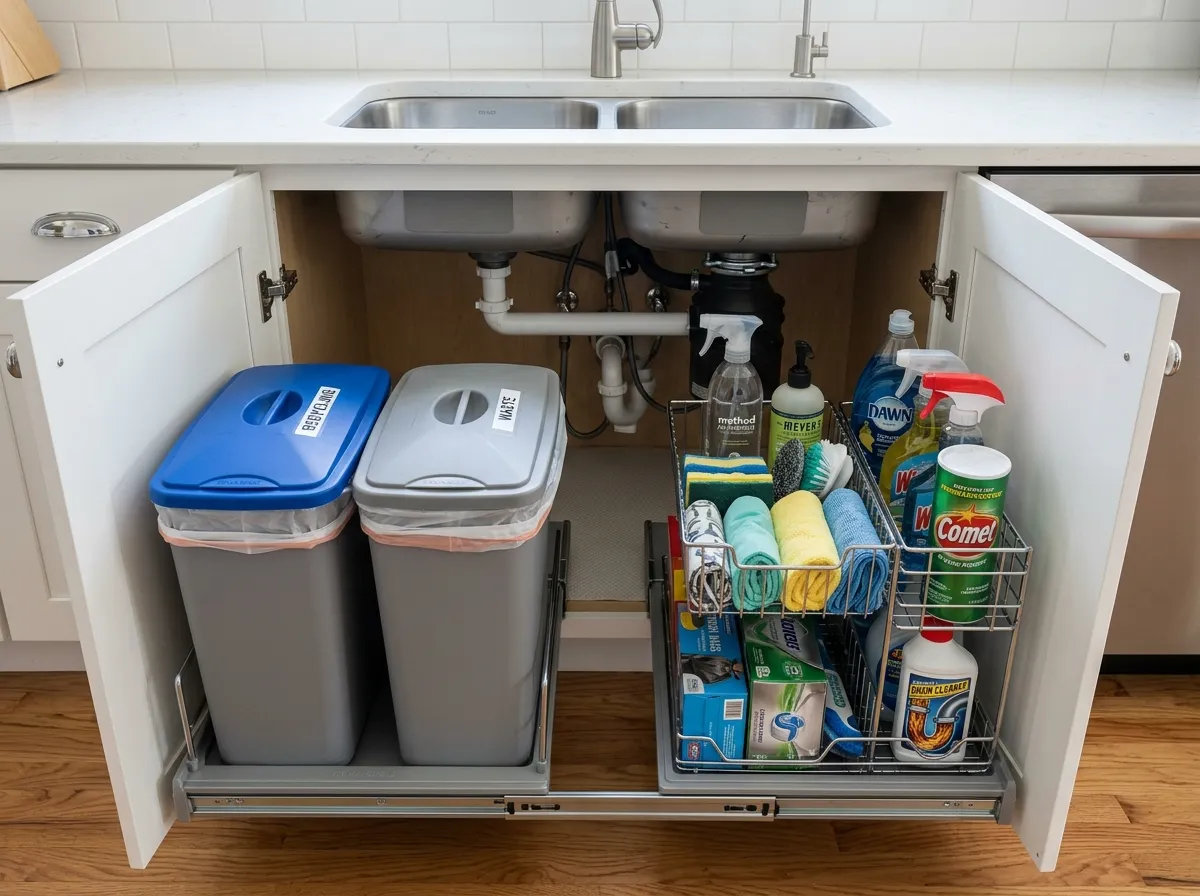
The under-sink cabinet is the most common home for trash and recycling in a small kitchen, since it’s already positioned near the prep and cleanup zone.
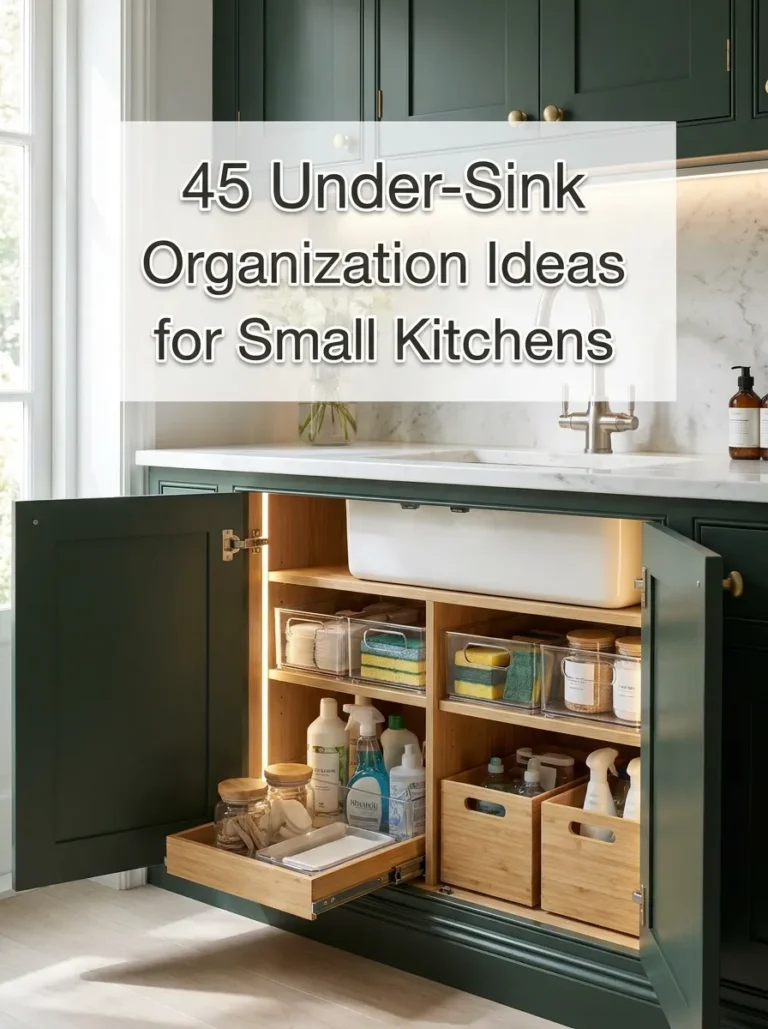
- 1. Dual-bin pull-out under the sink. Two separate bins on a sliding rail handle trash and recycling side by side.
- 2. Door-mounted bin. A bin attached directly to the cabinet door swings out automatically when opened, adding capacity without extra floor footprint.
- 3. Tiered under-sink shelf with bin below. A shelf above the bin adds storage for cleaning supplies without sacrificing bin access.
- 4. Three-compartment sorting system. Trash, recycling, and compost each get a dedicated slim bin within the same cabinet footprint.
- 5. Adjustable-width bin rails. Sliding rails that adapt to your specific cabinet width maximize bin size within an irregular under-sink space.
- 6. Bin with a built-in odor-control lid. A sealing lid reduces smell escape in the enclosed under-sink cabinet.
2. Cabinet Pull-Out Systems (7-14)
Beyond the sink cabinet, several other spots in a small kitchen cabinet layout can host a hidden pull-out bin.
- 7. End-of-cabinet pull-out. A narrow bin at the terminal end of a cabinet run uses space that’s otherwise awkward to fit shelving into.
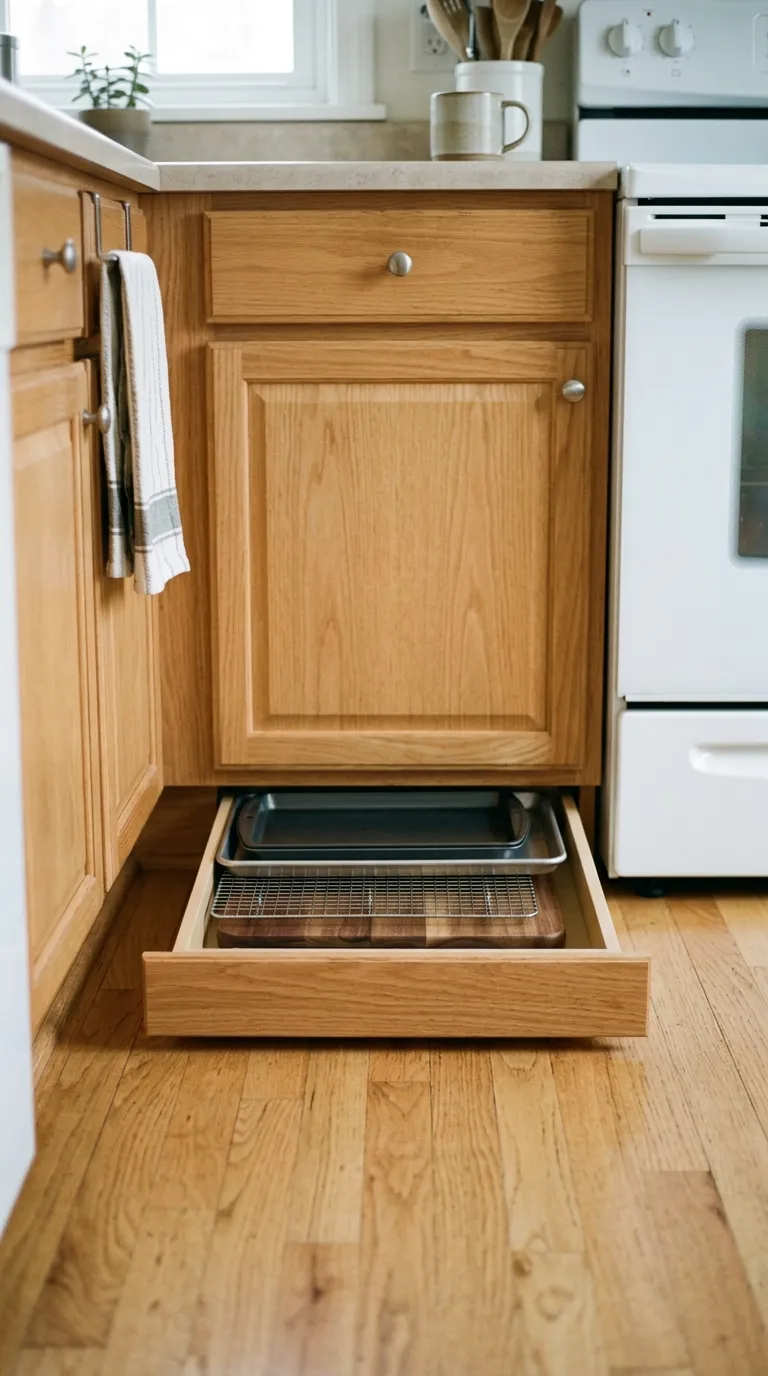
- 8. Toe-kick trash drawer. The typically empty toe-kick space holds a slim pull-out bin, ideal for a truly space-starved kitchen.
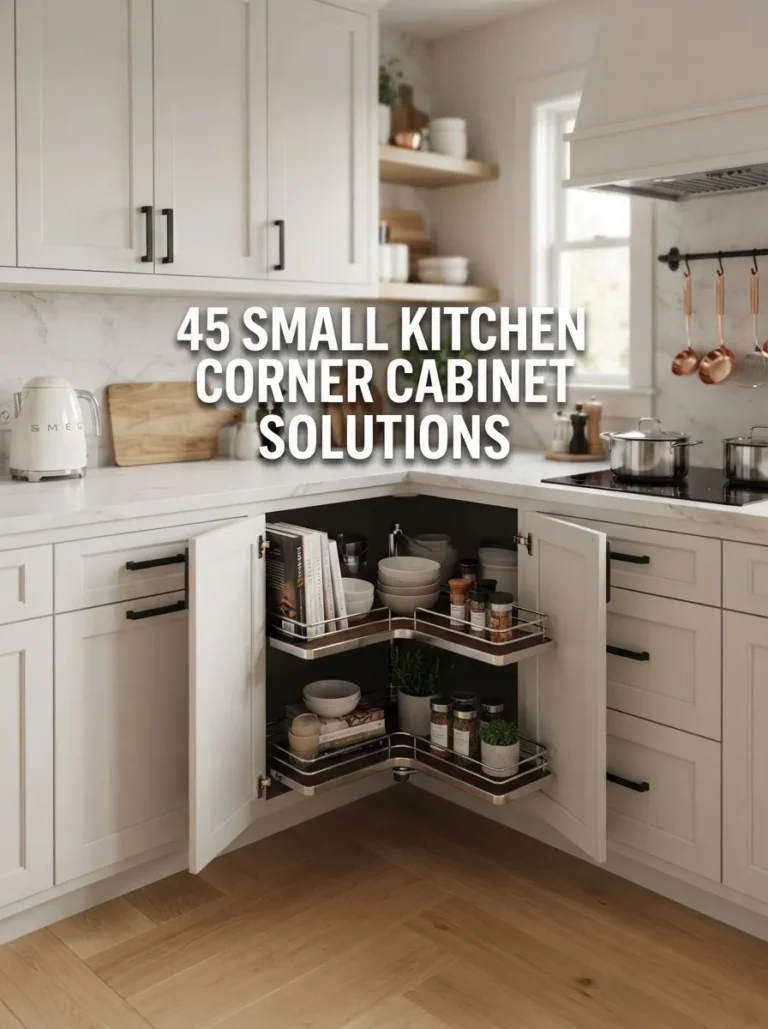
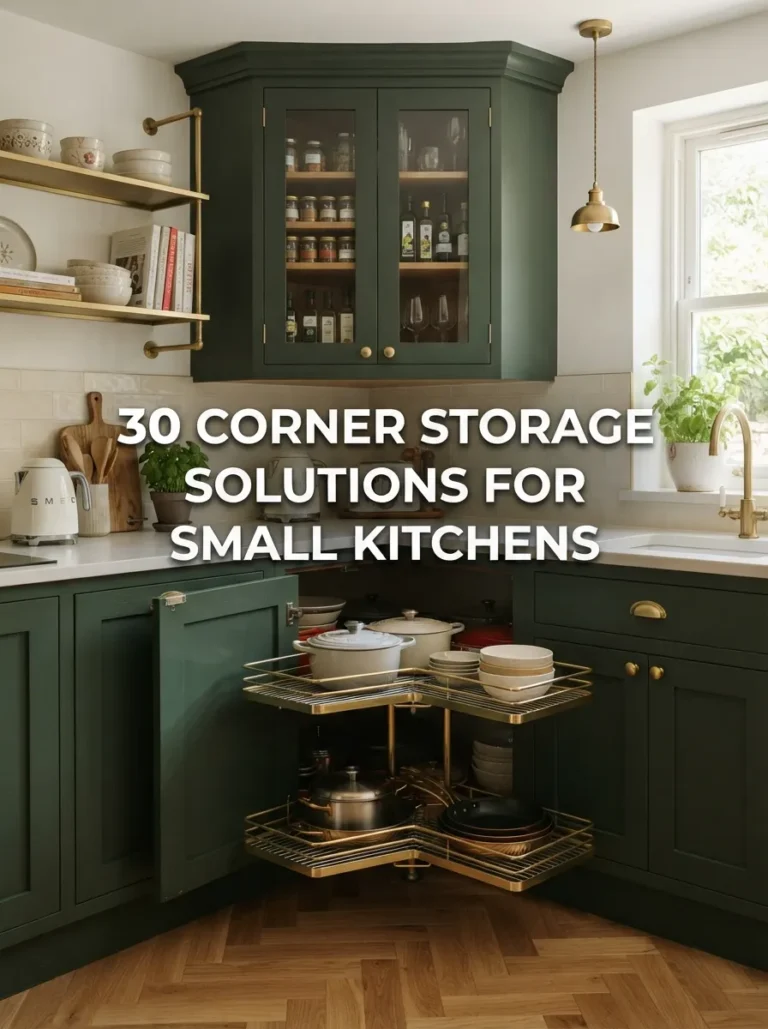
- 9. Corner cabinet carousel with bin. A rotating carousel system incorporates a bin alongside standard storage in a hard-to-use corner.
- 10. Pantry cabinet pull-out. If the pantry sits closer to the prep zone than the sink, a bin there can shorten the walk during cooking.
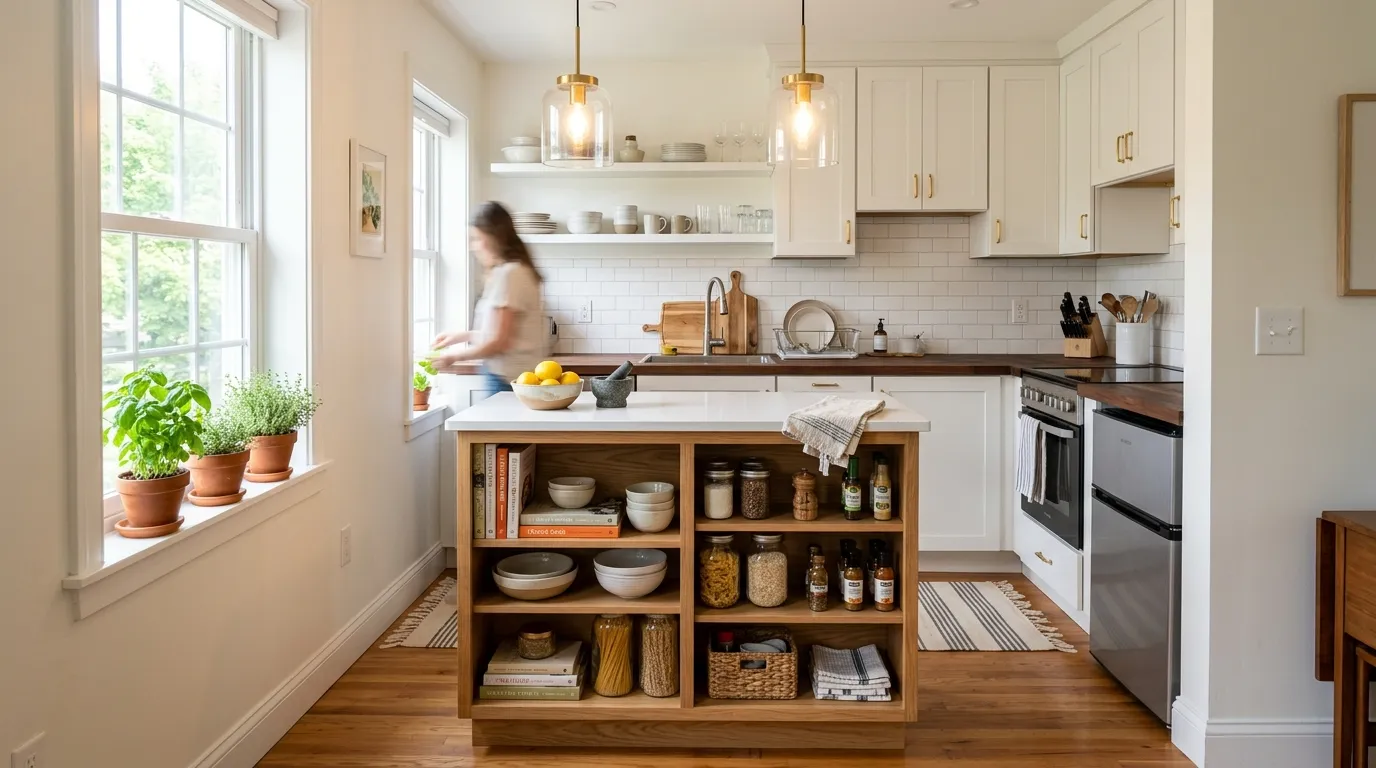
- 11. Island base pull-out. A bin built into an island’s base cabinet keeps trash centrally located during meal prep.
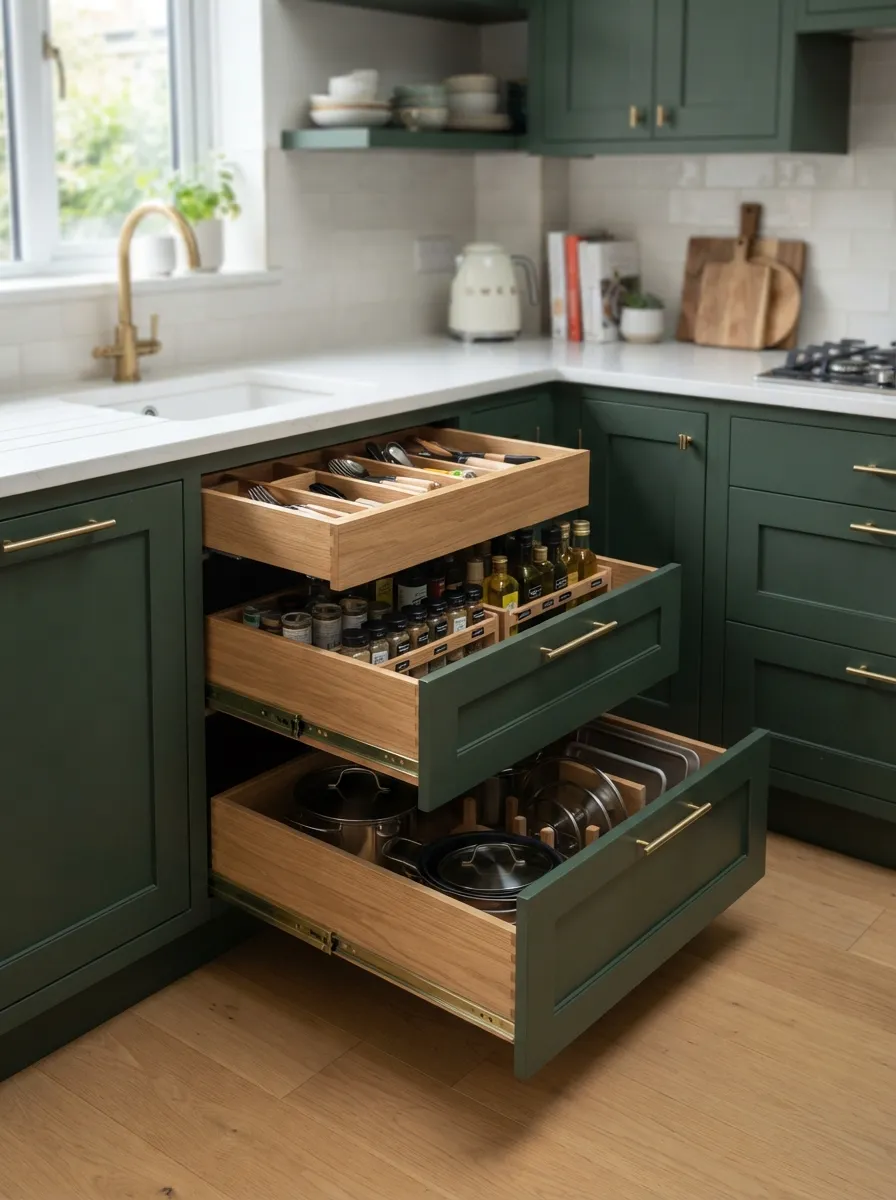
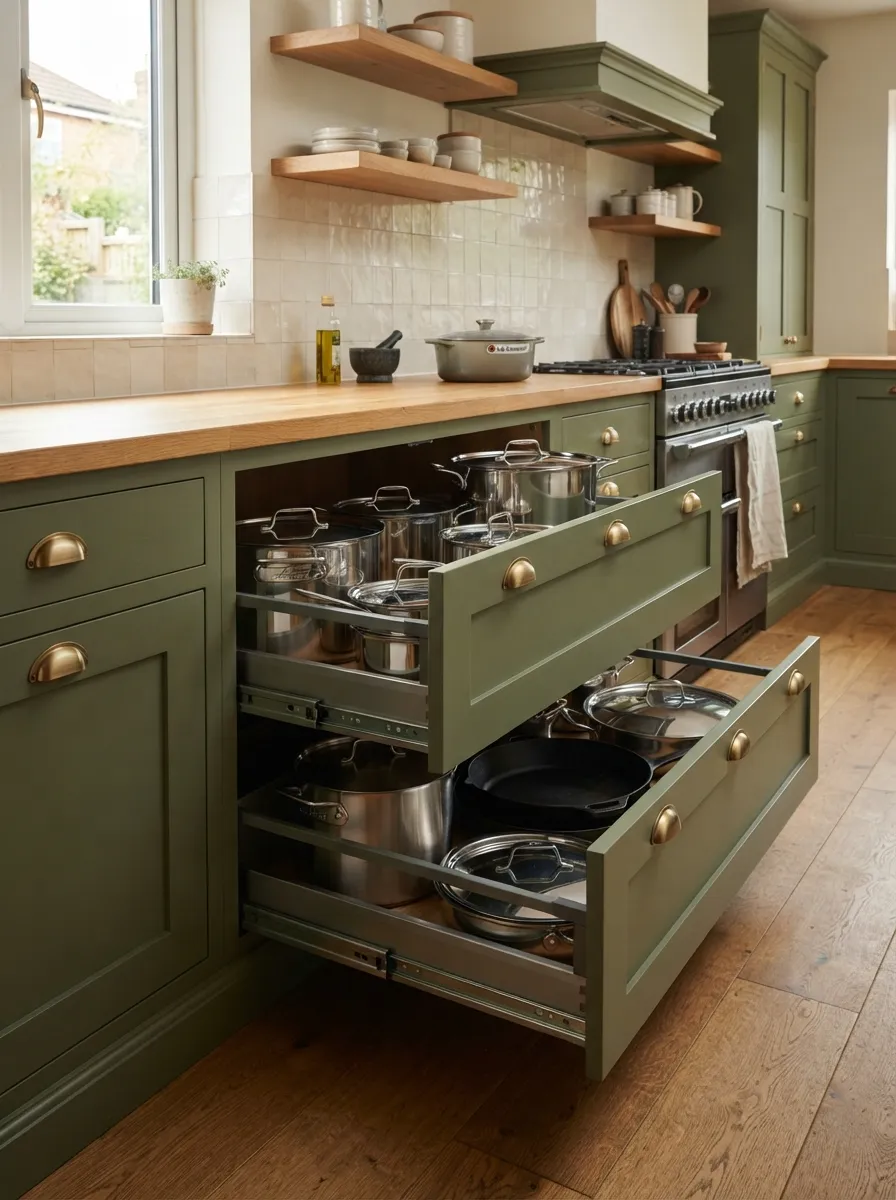
- 12. Deep drawer bin insert. A full-extension drawer converted to hold a bin gives complete access rather than a narrow pull-out track.
- 13. Locking pull-out for households with pets. A cabinet latch keeps curious pets from accessing an open bin.
- 14. Modular bin system that expands. Add a second or third bin module as your sorting needs grow, without replacing the whole system.
3. Compact & Slim-Space Solutions (15-19)
For kitchens where even a standard pull-out doesn’t fit, these slimmer options work in spaces as narrow as 6-8 inches.
- 15. Slim single-stream bin. A narrow bin as little as 6 inches wide fits a gap most standard systems can’t.
- 16. Freestanding step-can with a small footprint. When built-in options aren’t possible, a compact step-can under 12 inches wide minimizes floor impact.
- 17. Wall-mounted trash bag holder. A simple frame holds a trash bag against the inside of a cabinet door, requiring almost no cabinet depth.
- 18. Collapsible silicone bin. A fold-flat bin stores nearly flush when empty, expanding only when in use.
- 19. Rolling slim cart with a built-in bin. A narrow rolling cart doubles as trash storage and a mobile item, tucking away when not needed.
4. Countertop & Compost Options (20-22)
Compost has its own storage needs, separate from standard trash and recycling, especially in a plant-forward or produce-heavy kitchen.
- 20. Countertop compost caddy. A small, ventilated container holds scraps temporarily before a trip to an outdoor bin.
- 21. Freezer-stored compost bag. Keeping scraps in the freezer eliminates smell entirely between larger compost trips.
- 22. Under-sink compost bin alongside trash and recycling, sized specifically for the higher scrap volume of fresh cooking.
5. Odor Control & Maintenance (23-25)
Odor control matters more in a small kitchen than a large one, since there’s simply less air volume for smells to dissipate into.
- 23. Charcoal filter lids. Activated charcoal filters built into a bin lid absorb odor before it escapes the cabinet.
- 24. Compostable liner bags. Liners designed for food scraps resist tearing and odor better than standard plastic bags.
- 25. A weekly emptying routine tied to trash pickup day keeps bins from sitting full longer than necessary in an enclosed cabinet space.
Trash & Recycling Gallery
Frequently Asked Questions
Where is the best place to put a trash can in a small kitchen?
Under the sink is the most common spot since it’s already near the prep and cleanup zone, though a toe-kick or end-of-cabinet pull-out works well if the sink cabinet is too shallow.
How do I fit both trash and recycling in a small kitchen?
A dual-bin pull-out system under the sink or in a deep drawer holds both side by side within the same cabinet footprint most kitchens already have.
What is the narrowest space a trash bin can fit into?
Slim single-stream bins are available as narrow as 6-8 inches wide, fitting gaps that standard multi-bin systems can’t.
How do I control trash odor in a small kitchen?
Charcoal filter lids, compostable liner bags, and a consistent weekly emptying routine all help control odor in an enclosed cabinet space.
Where should I store compost in a small kitchen?
A small countertop caddy or an under-sink compost bin both work; freezing scraps between compost trips eliminates odor entirely if space is very tight.
Can I add a pull-out bin system to existing cabinets?
Yes, most pull-out bin systems are designed to retrofit into standard base cabinets without requiring new cabinetry, as long as the interior clearance fits the bin’s dimensions.
Related Pages
Get the Can Off the Floor
Moving trash and recycling into a cabinet, drawer, or corner pull-out is one of the highest-impact changes you can make in a small kitchen — it clears a walkway, hides an unattractive necessity, and often adds sorting capacity you didn’t have before. Start with the under-sink cabinet, since it’s usually the easiest retrofit, and expand to a second location only if your household’s volume calls for it.
For more storage that hides in plain sight, see our Drawer Organization Systems guide next.