The Science of Small Kitchen Storage Optimization
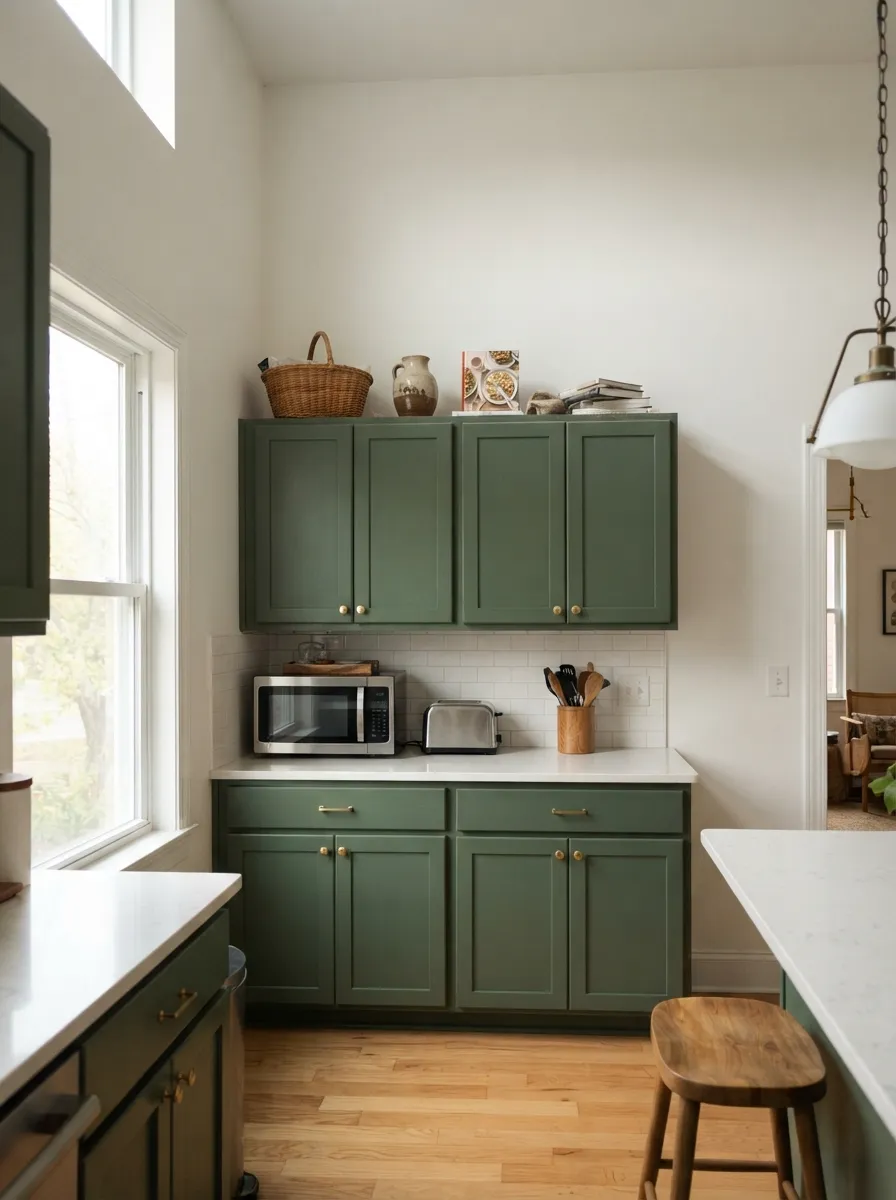
Small kitchen storage optimization comes down to three principles: zoning items by task, storing by frequency of use, and using every plane of the room — floor, wall, and ceiling — not just cabinet interiors. Applied together, these principles typically recover 20-30% more usable storage from the same footprint without adding a single new cabinet.
Quick Takeaways
- Group items by task zone (prep, cook, clean, store) rather than by category alone.
- Store daily items at hip-to-eye height; rarely used items go high or low.
- Deep drawers with dividers outperform deep cabinets for most kitchen items.
- Corner cabinets waste up to 40% of their space without a carousel or pull-out system.
- Auditing what you actually use over 30 days reveals what to relocate or remove.
Table of Contents
1. Zone by Task, Not Just Category
Most kitchens are organized by category — all pots together, all spices together — but a more efficient system organizes by task zone instead. A prep zone holds cutting boards, knives, and mixing bowls near open counter space. A cook zone holds pans, oils, and utensils near the stove. A clean zone holds dish soap and towels near the sink. This cuts the number of steps between related tasks, which matters most in a kitchen where every step counts.
2. Store by Frequency of Use
Items used daily belong between hip and eye height — no bending, no stretching. Items used weekly can go slightly higher or lower. Items used monthly or seasonally (holiday bakeware, a large stockpot) belong on the highest shelf or in the back of a deep cabinet, since reaching for them occasionally is a fair trade for freeing up prime storage space for daily items.
| Frequency | Ideal Storage Zone |
|---|---|
| Daily (mugs, plates, everyday pans) | Hip to eye height, front of shelf/drawer |
| Weekly (baking sheets, serving bowls) | Slightly above or below daily zone |
| Monthly/seasonal (holiday items, large pots) | Top shelf, back of deep cabinet, or garage/basement |
3. Why Drawers Beat Cabinets
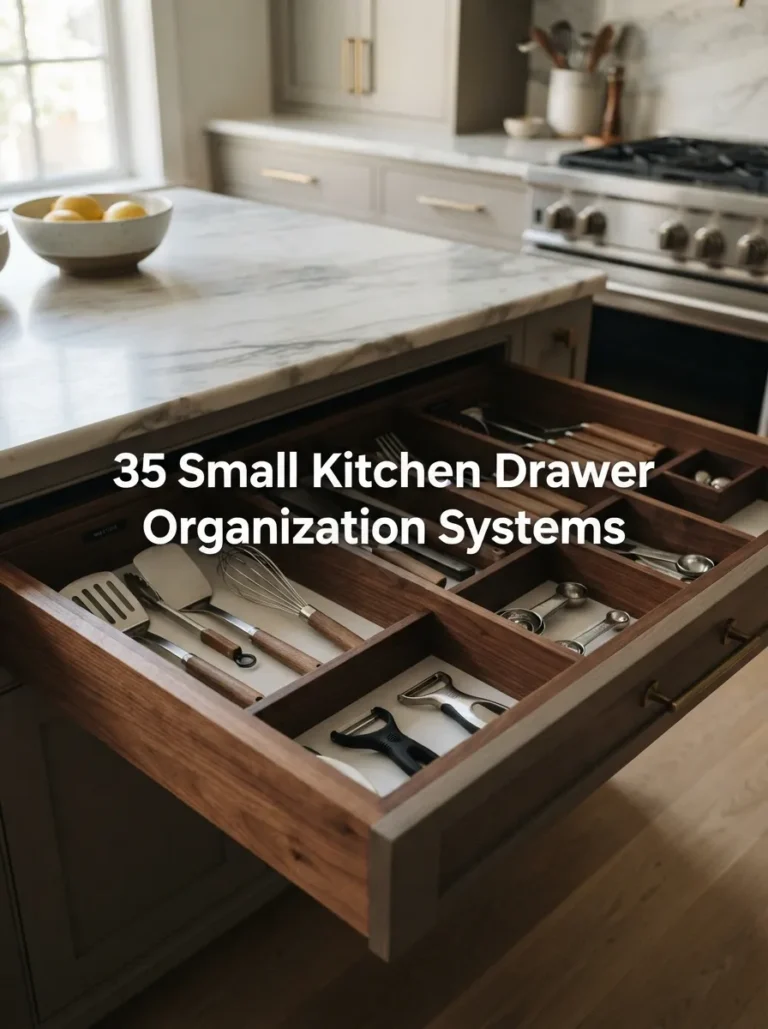
A deep drawer gives you a full top-down view of everything inside, while a deep cabinet hides its back half behind whatever is in front. For small kitchens, converting even one or two lower cabinets to drawers — with dividers for pots, lids, or utensils — usually increases usable storage more than adding a new cabinet elsewhere would.
4. Solving the Corner Cabinet Problem
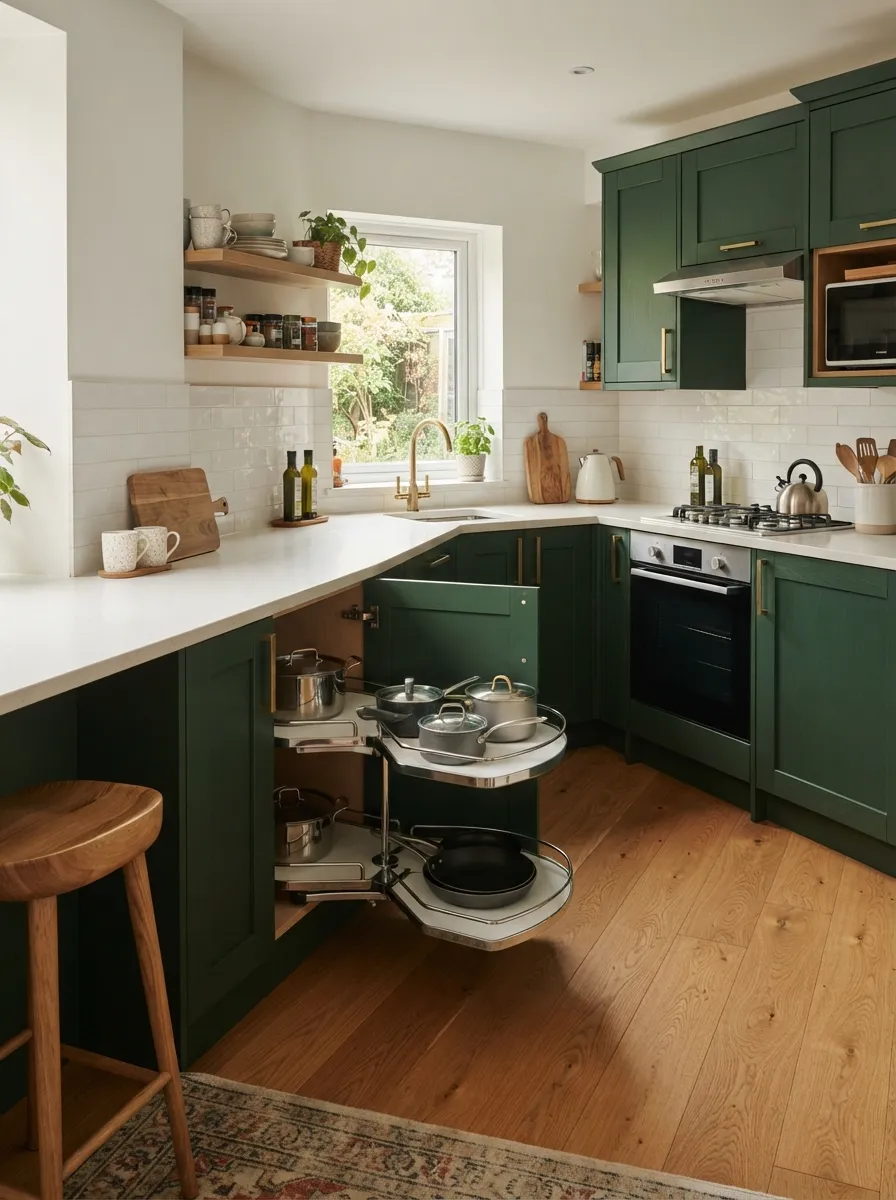
Standard corner cabinets waste up to 40% of their interior space because the back corner is nearly unreachable behind a standard door and shelf. A lazy Susan, corner carousel, or diagonal pull-out system recovers most of that lost space by rotating or sliding items to the front, turning the least efficient cabinet in the kitchen into one of the most functional.
5. Running a 30-Day Storage Audit
For 30 days, turn every mug, pan, or gadget handle to face outward after you use it. At the end of the month, anything still facing the original direction hasn’t been touched — that’s a strong candidate to relocate to low-priority storage or donate. This simple audit reveals exactly which items deserve prime real estate and which are quietly taking up space you could use better.
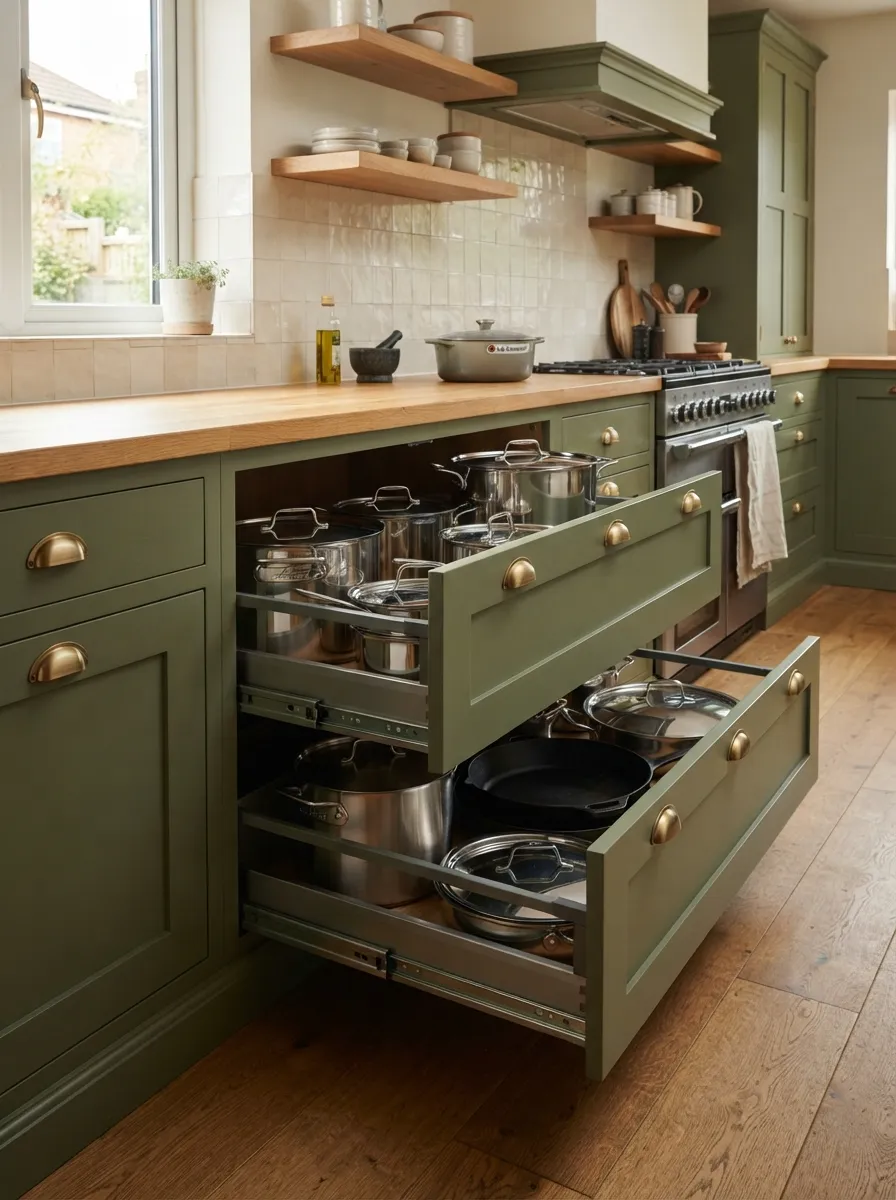
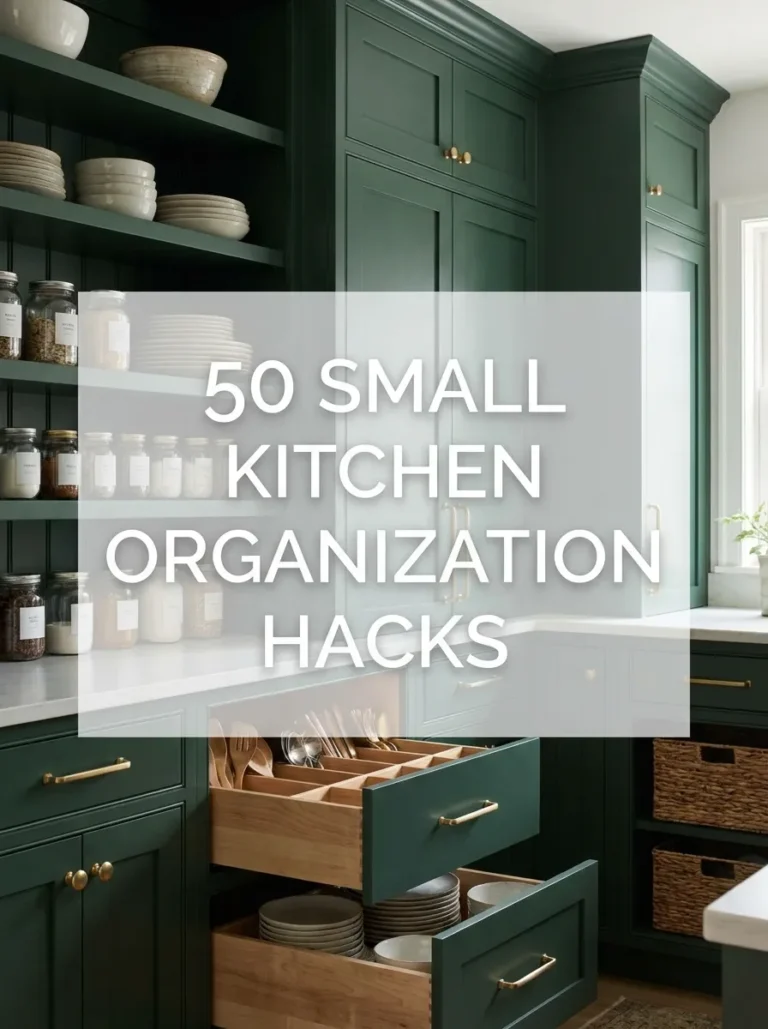
Deep drawers with dividers outperform standard cabinets for visibility.
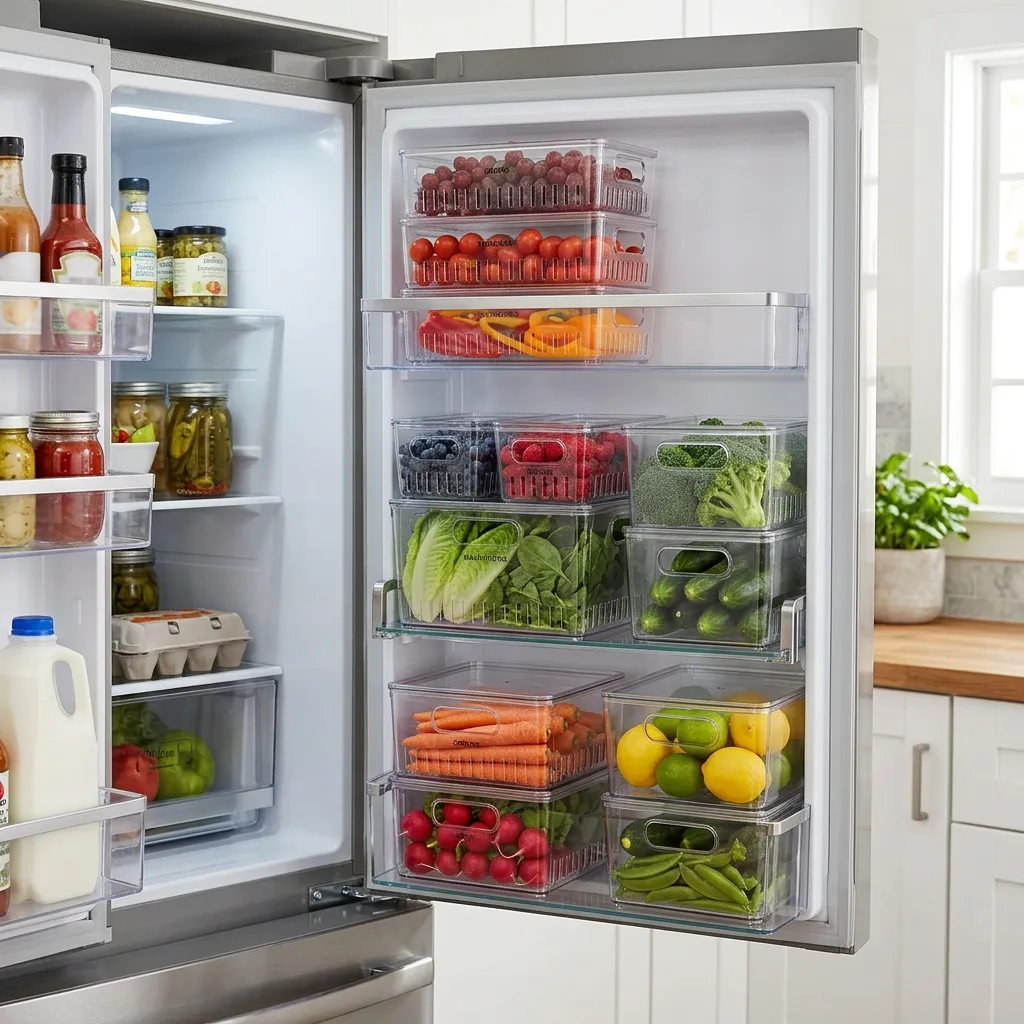
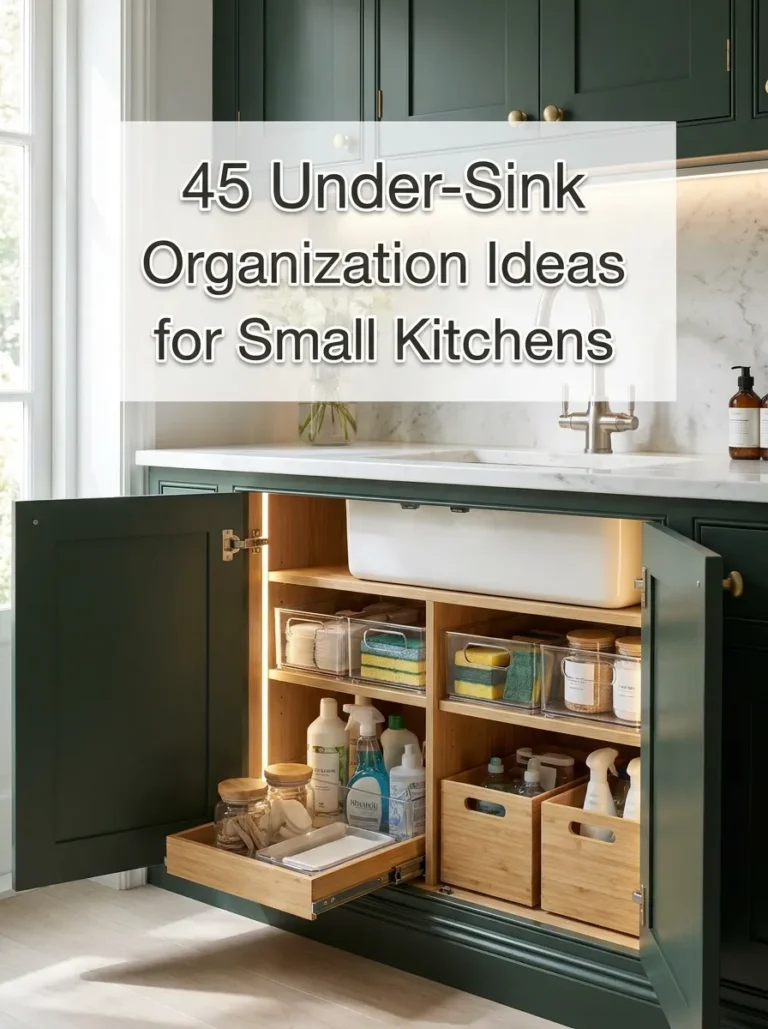
Stackable bins group items by category within a single shelf zone.
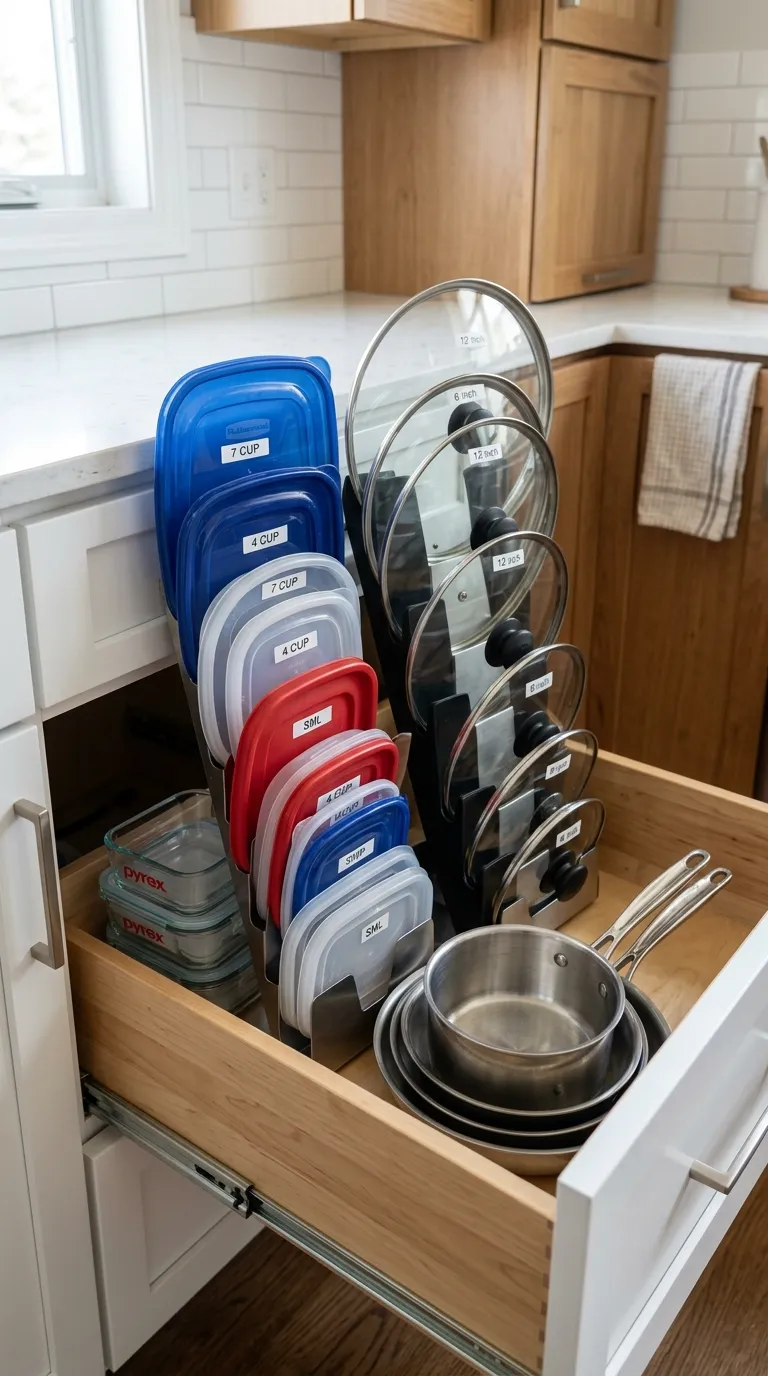
Lid organizers keep pot and container lids upright and visible.
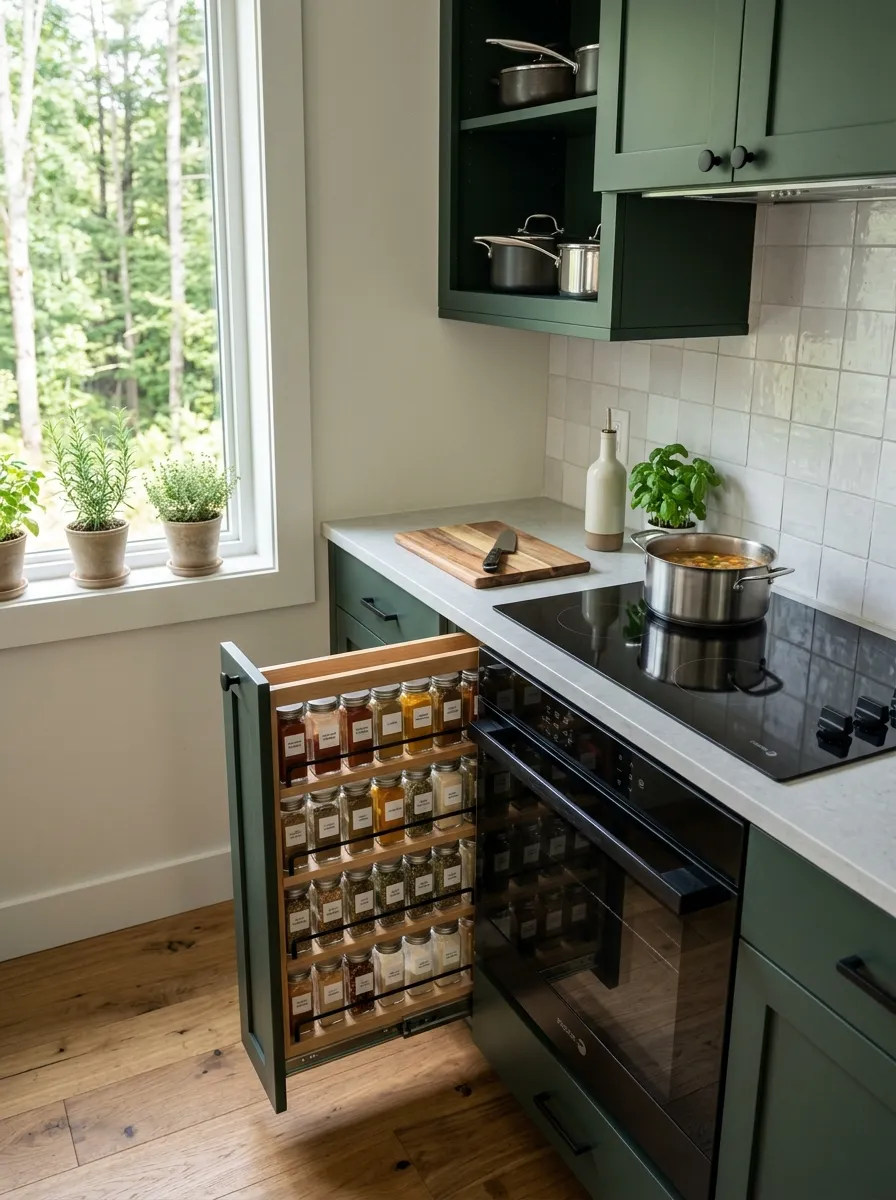
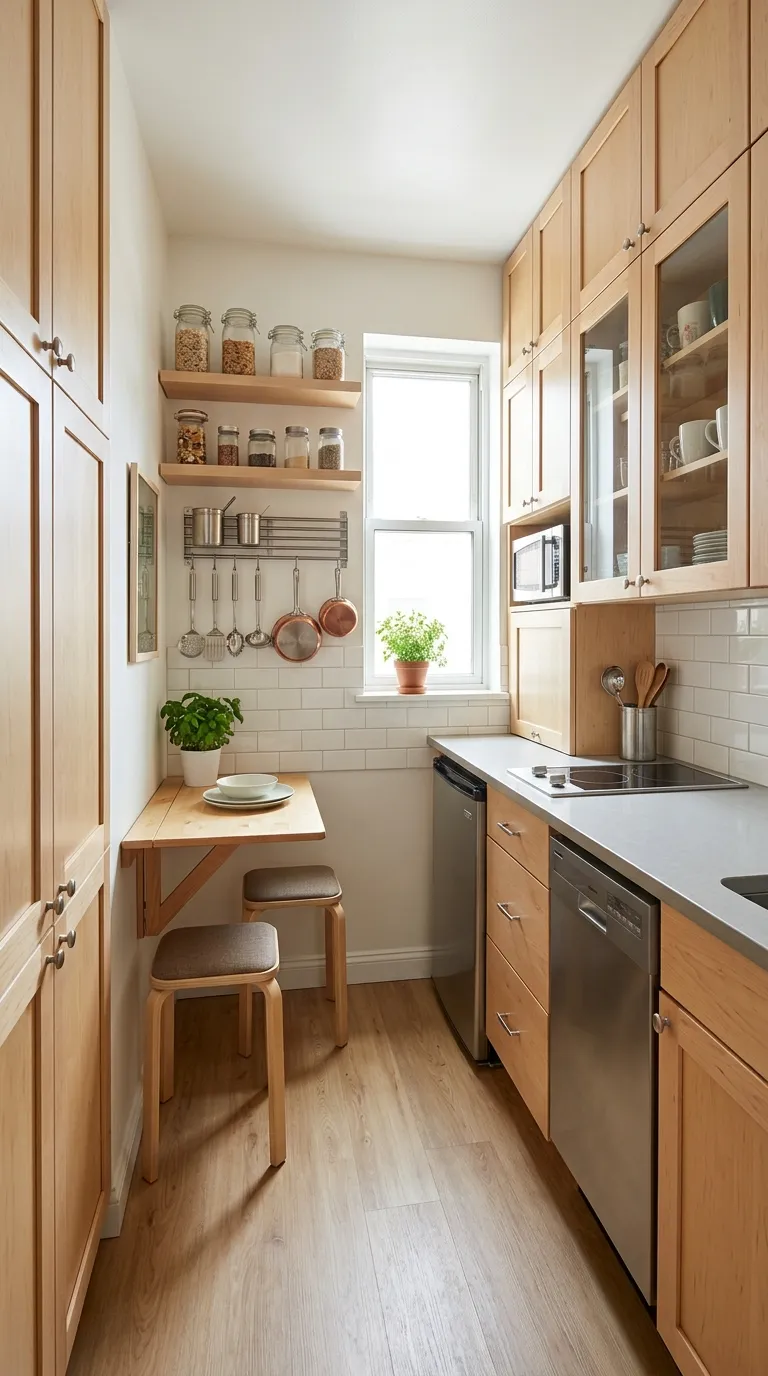
A spice rack near the stove reflects task-zone storage principles.
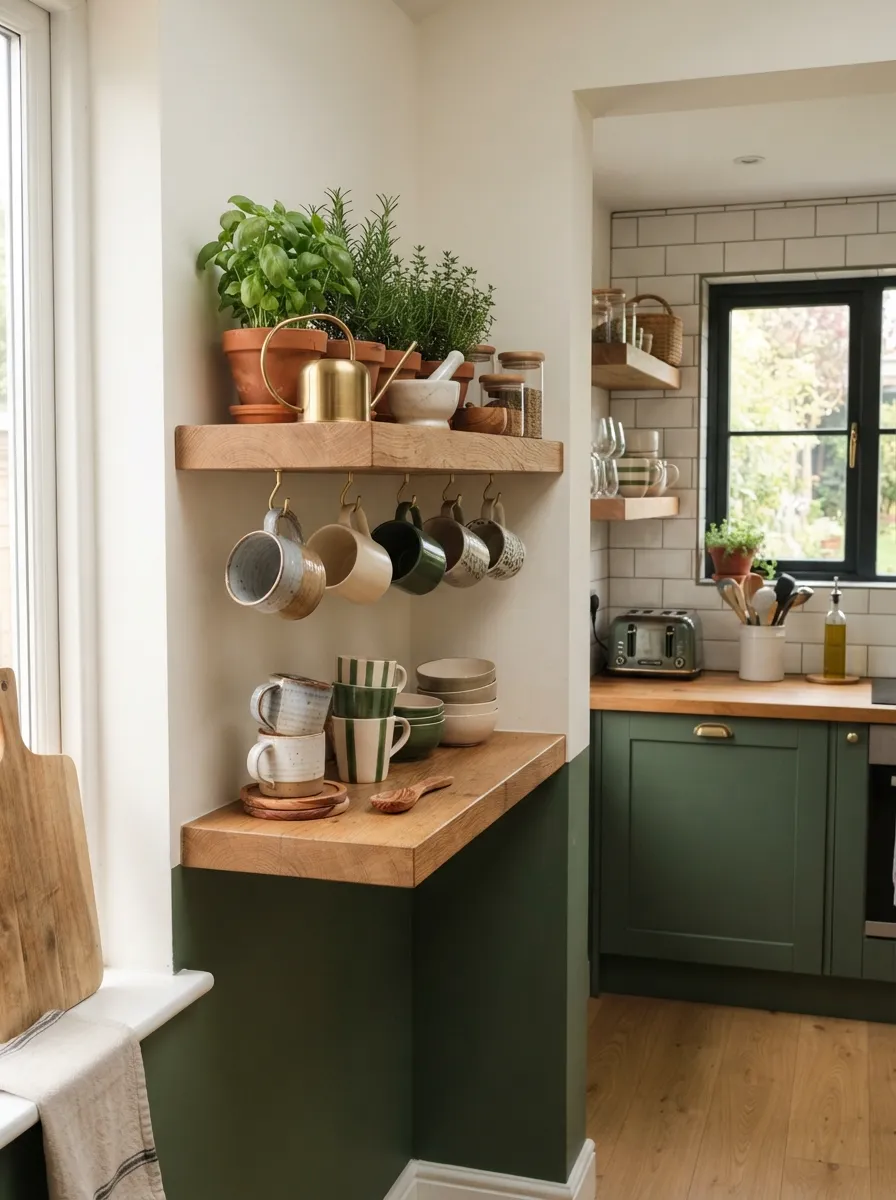
Corner shelving recovers space that standard corner cabinets waste.
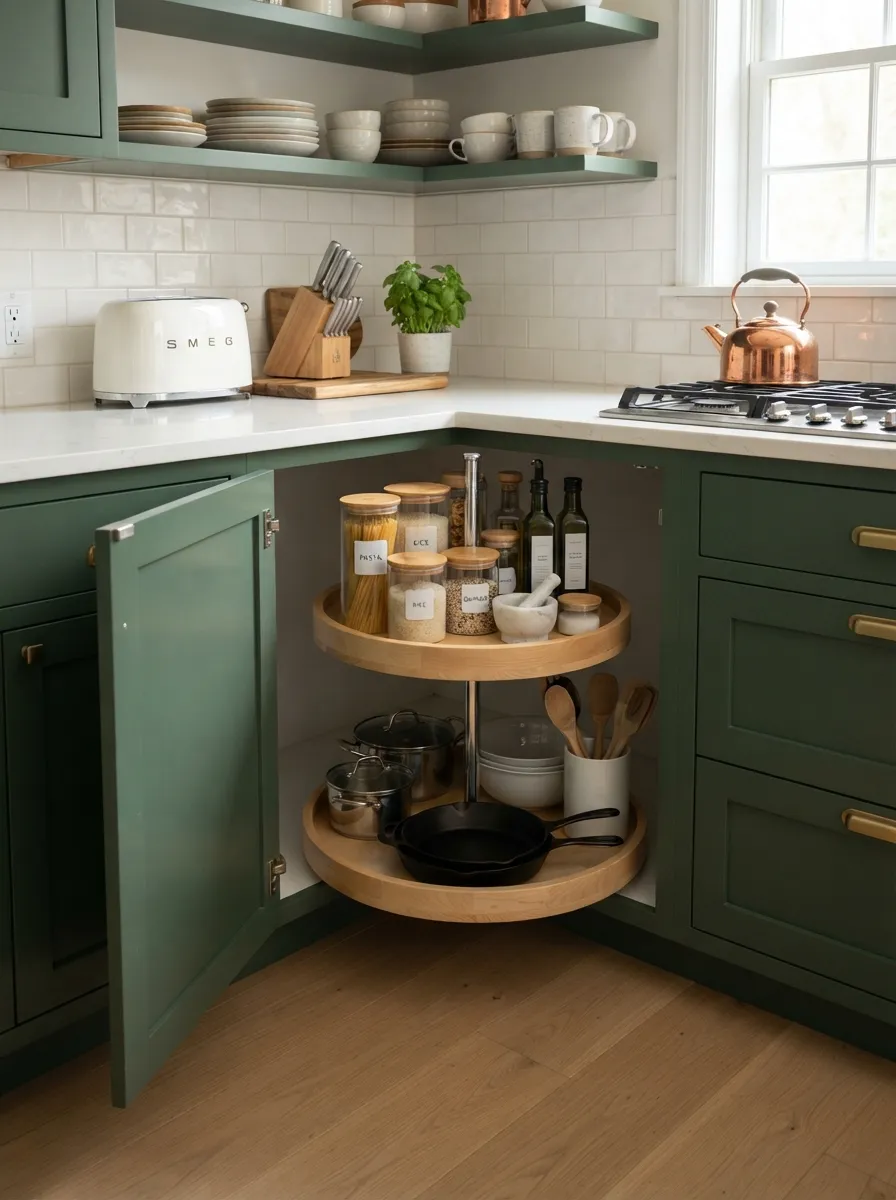
A lazy Susan turns a corner cabinet’s dead space into usable storage.
Frequently Asked Questions
What is the most effective small kitchen storage principle?
Storing items by frequency of use — daily items at hip-to-eye height, rarely used items high or low — has the biggest impact on daily efficiency.
Are drawers really better than cabinets for storage?
For most items, yes. Drawers give a full top-down view, while cabinets hide their back half behind whatever’s stored in front.
How much space do corner cabinets actually waste?
Standard corner cabinets can waste up to 40% of their interior space without a lazy Susan or carousel system to reach the back corner.
What is a kitchen storage audit?
A 30-day exercise where you turn item handles outward after each use — anything untouched by month’s end is a candidate to relocate or remove.
Should I organize by category or by task zone?
Task zoning — prep, cook, clean, store — is generally more efficient than pure category grouping because it reduces steps during actual cooking.
Can storage optimization work without a renovation?
Yes, most of these principles — zoning, frequency sorting, pull-out inserts — can be applied to an existing kitchen without any construction.
Related Pages
Ready to Optimize?
Start with a 30-day audit before buying new organizers — you may already have more space than you think. Browse our cabinet design guide for storage-first layout ideas.