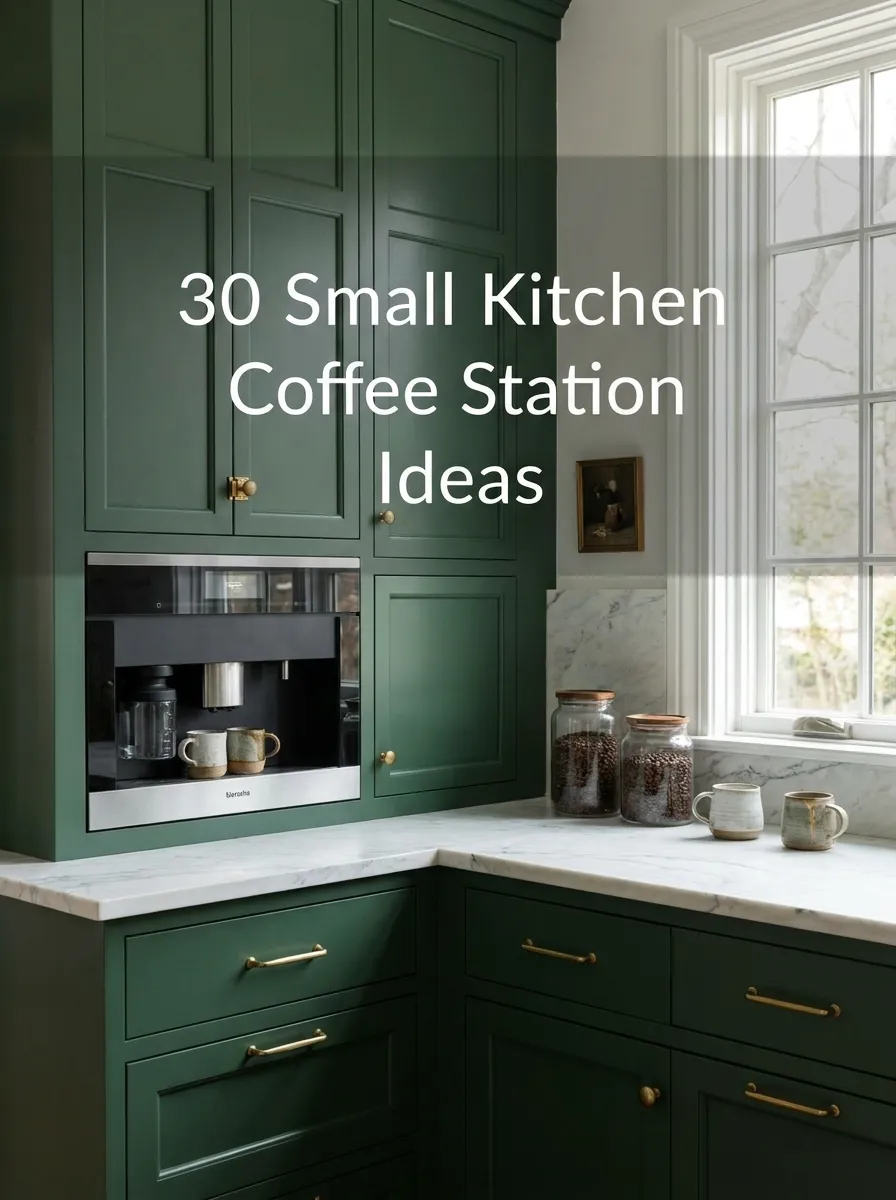
30 Small Kitchen Coffee Station Ideas
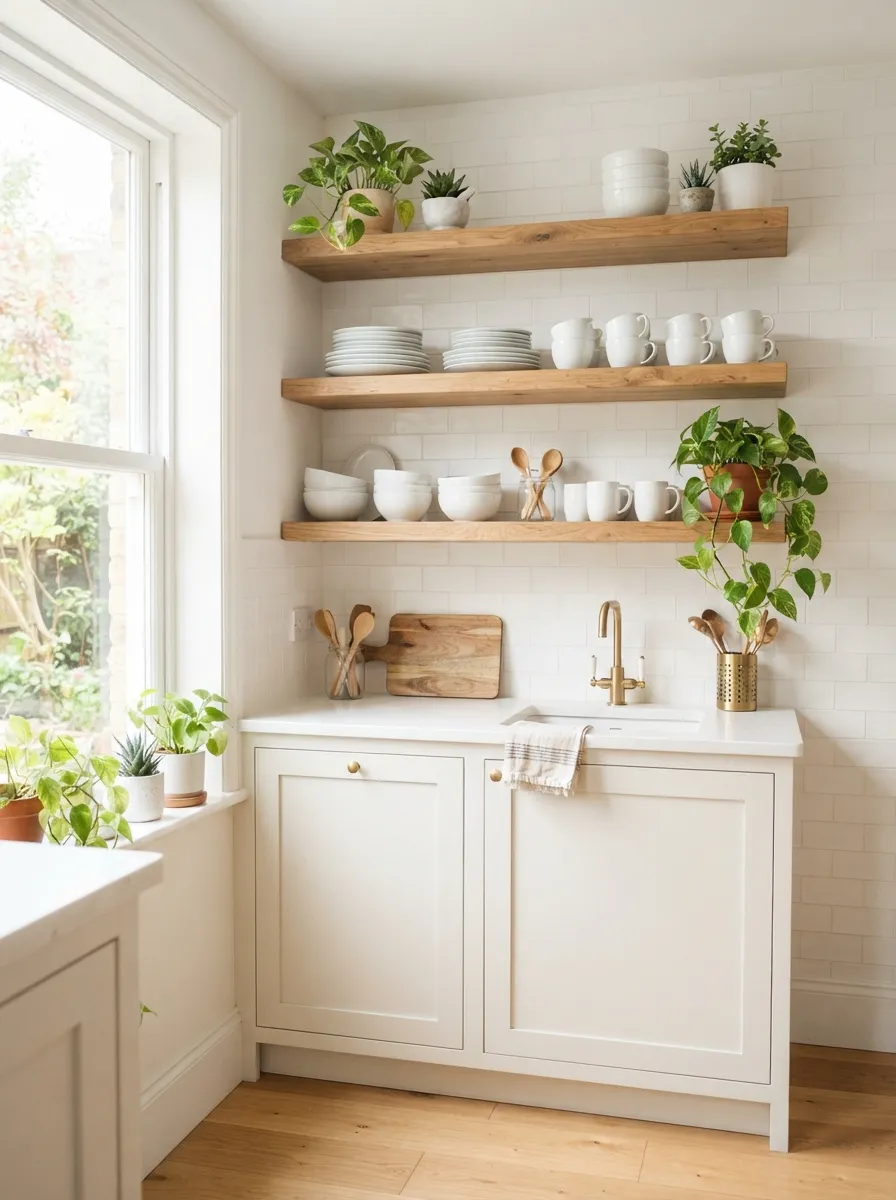
A dedicated coffee station doesn’t need a full counter run — a single corner, a narrow shelf, or even a rolling cart can hold everything from the machine to the mugs. In a small kitchen, the goal is to contain coffee-making to one small zone so it doesn’t spread across your main prep counter every morning.
Quick Takeaways
- A single counter corner is usually enough space for a full coffee station.
- Open shelving above the station keeps mugs and filters visible and grabbable.
- A rolling cart works as a coffee station that tucks away when not in use.
- Vertical stacking (machine below, supplies above) uses less counter footprint than spreading out.
- A tray under the station contains spills and makes daily cleanup faster.
Table of Contents
1. Counter Corner Stations
A counter corner, especially one that’s slightly less trafficked, is the most common spot for a coffee station:
- A tray-lined corner with the machine, mugs, and a small canister of grounds.
- A corner station tucked beside the fridge, keeping the whole zone contained.
- A narrow strip of counter under a window, using natural light as a bonus.
- A corner station with a small under-cabinet outlet strip for the machine.
2. Shelf-Based Stations
Vertical space above the machine can hold everything else:
- A single open shelf for mugs directly above the machine.
- A two-tier shelf setup: mugs up top, filters and syrups below.
- A hanging mug rack mounted under a cabinet to skip a shelf entirely.
- A small shelf dedicated to a French press or pour-over setup.
3. Rolling Cart Stations
A cart-based coffee station is fully mobile, which matters in the tightest kitchens:
- A bar cart with the machine on top and mugs/supplies on lower shelves.
- A narrow rolling cart that tucks into a gap between the fridge and counter.
- A cart with a fold-down side for extra temporary counter space while brewing.
4. Cabinet & Pantry Stations
For a fully contained, closed-door look, a cabinet can house the whole setup:
- A pull-out shelf inside a cabinet dedicated to the coffee machine.
- A pantry shelf reserved entirely for coffee, tea, and mugs.
- An appliance garage with a lift-up door that hides the machine when not in use.
5. Styling & Organization Tips
A few small touches keep the station functional and tidy:
- Use a tray to contain drips and make wiping down the station faster.
- Store grounds and filters in labeled, stackable containers.
- Keep only daily-use mugs at the station; store the rest elsewhere.
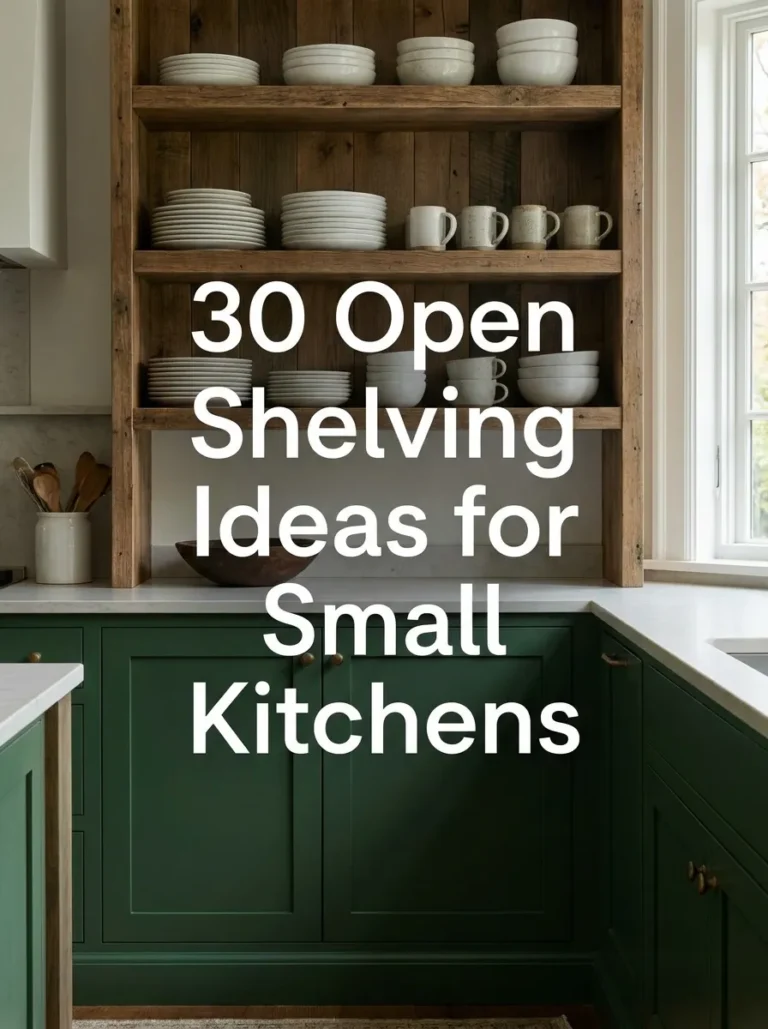
Open shelving keeps mugs and supplies visible right above the station.
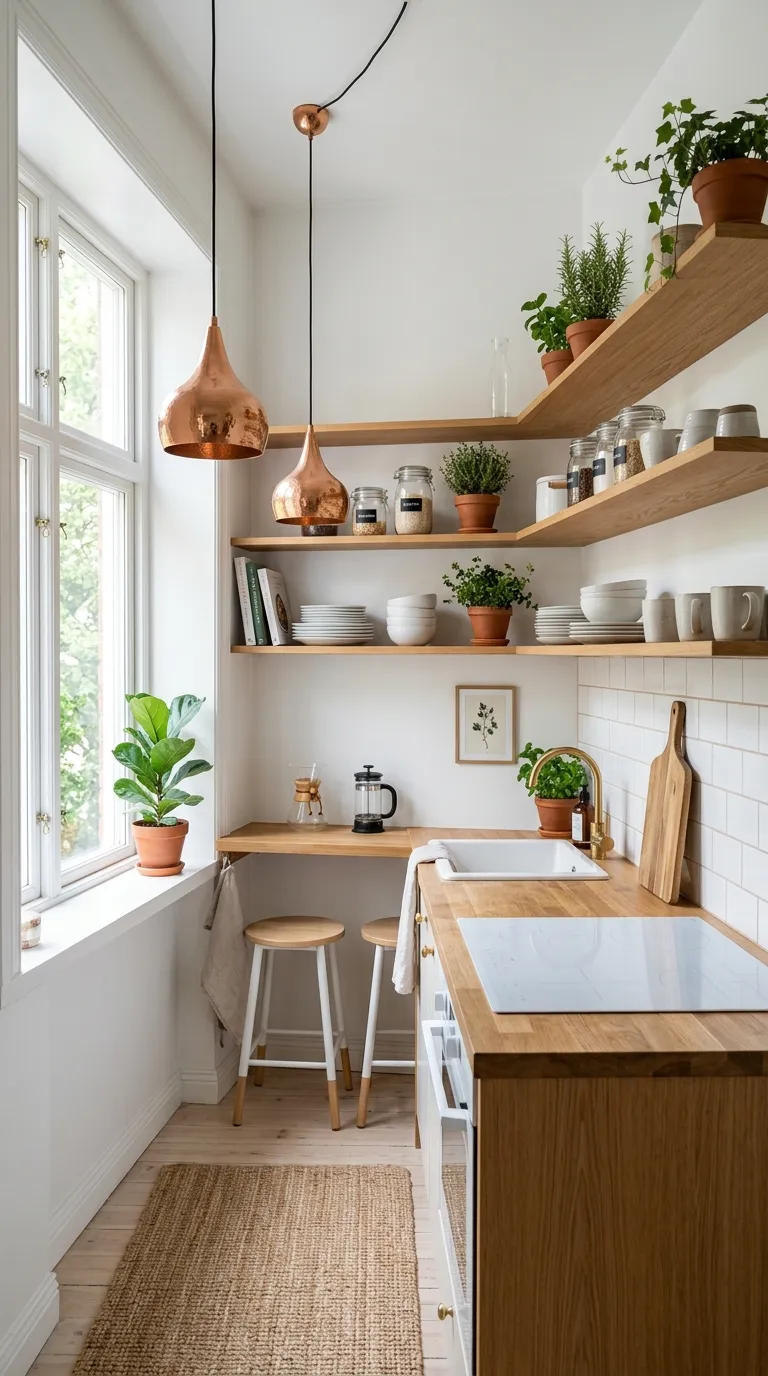
A corner with open shelving contains the whole coffee setup in one spot.
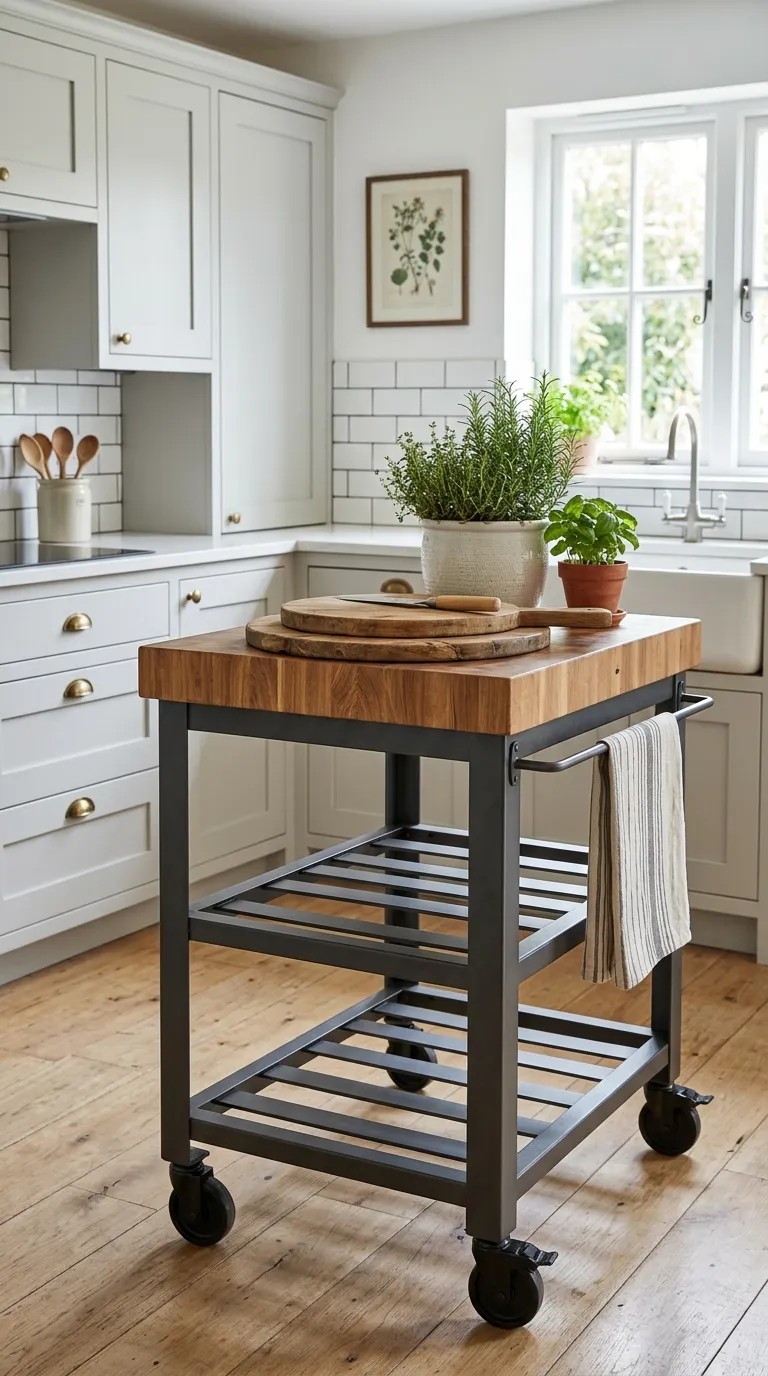
A rolling cart makes a fully mobile coffee station that tucks away easily.
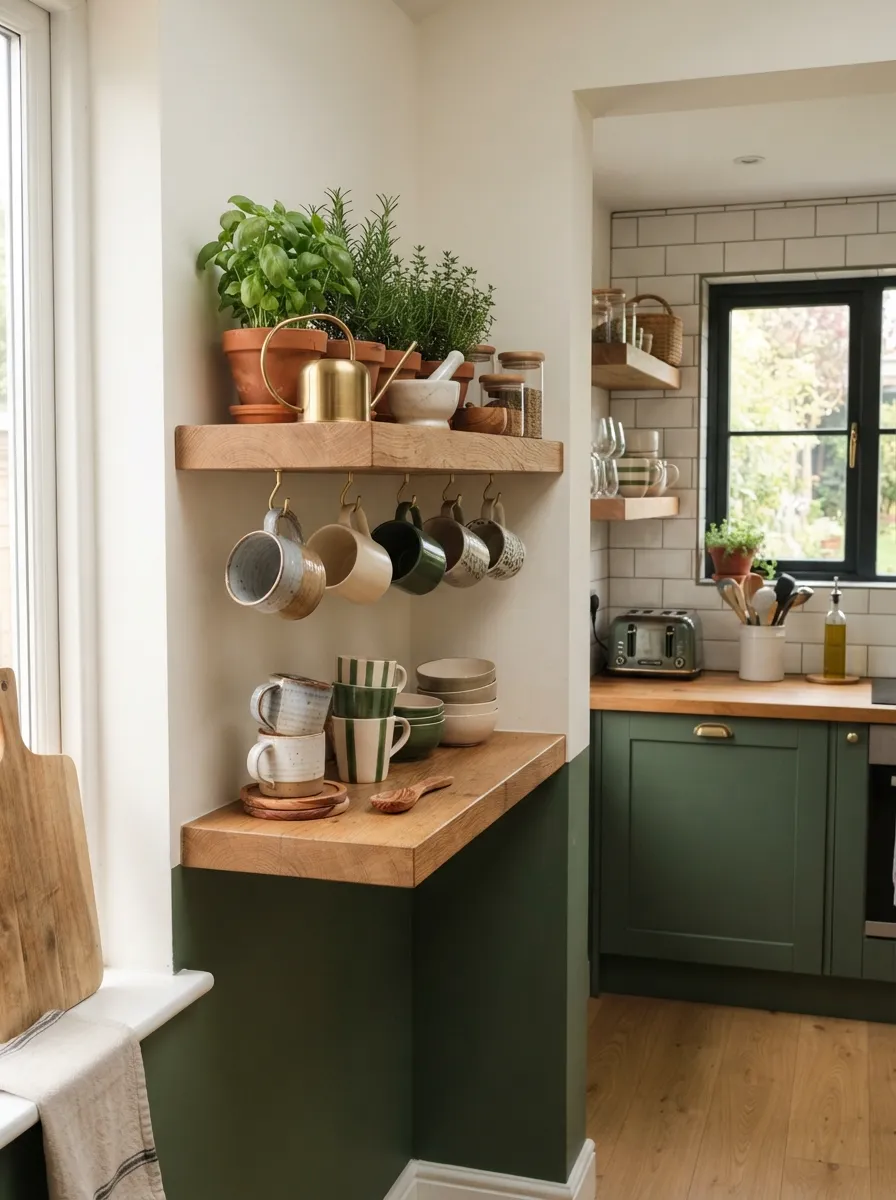
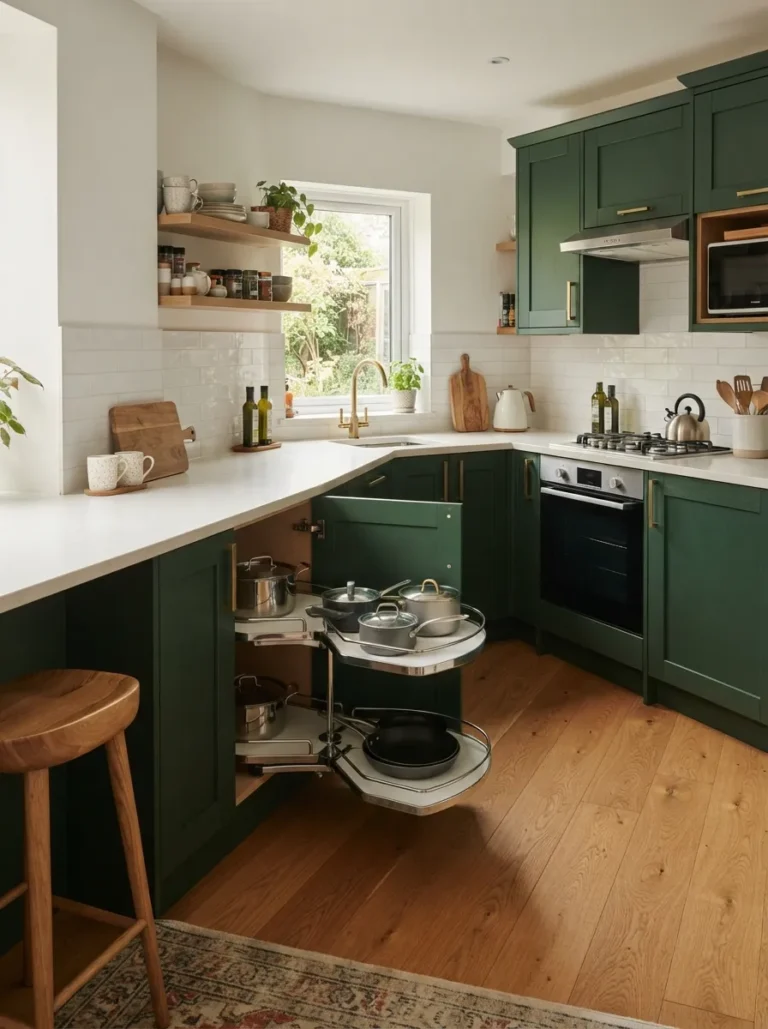
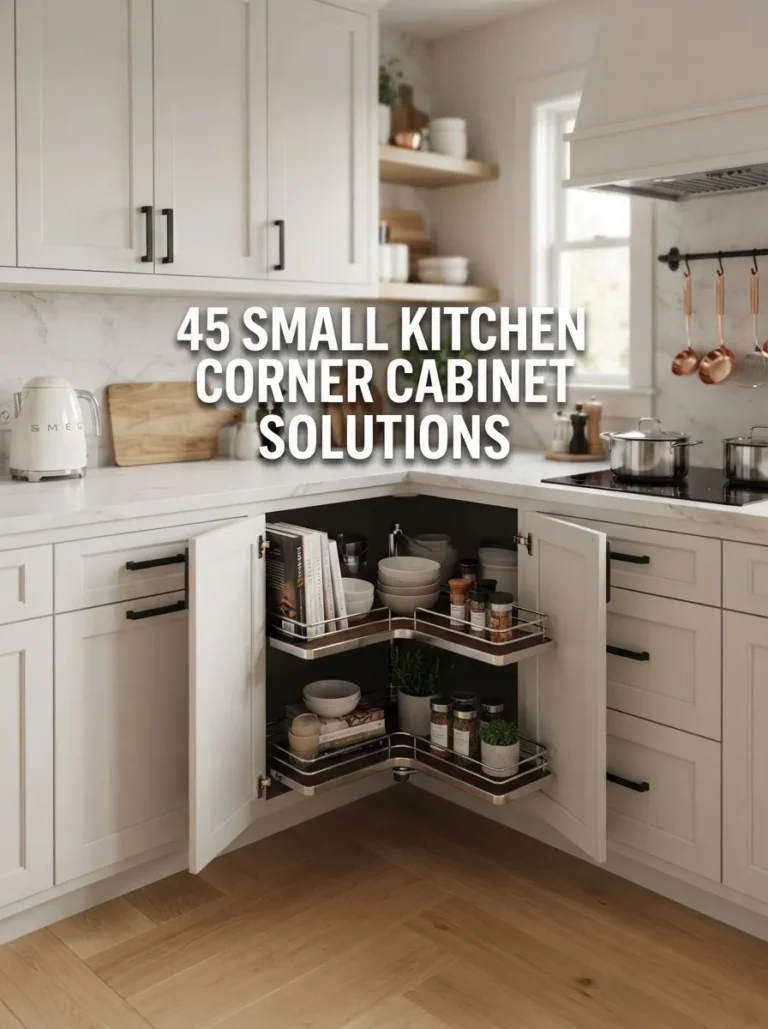
Corner shelving fits a coffee station into an otherwise underused nook.
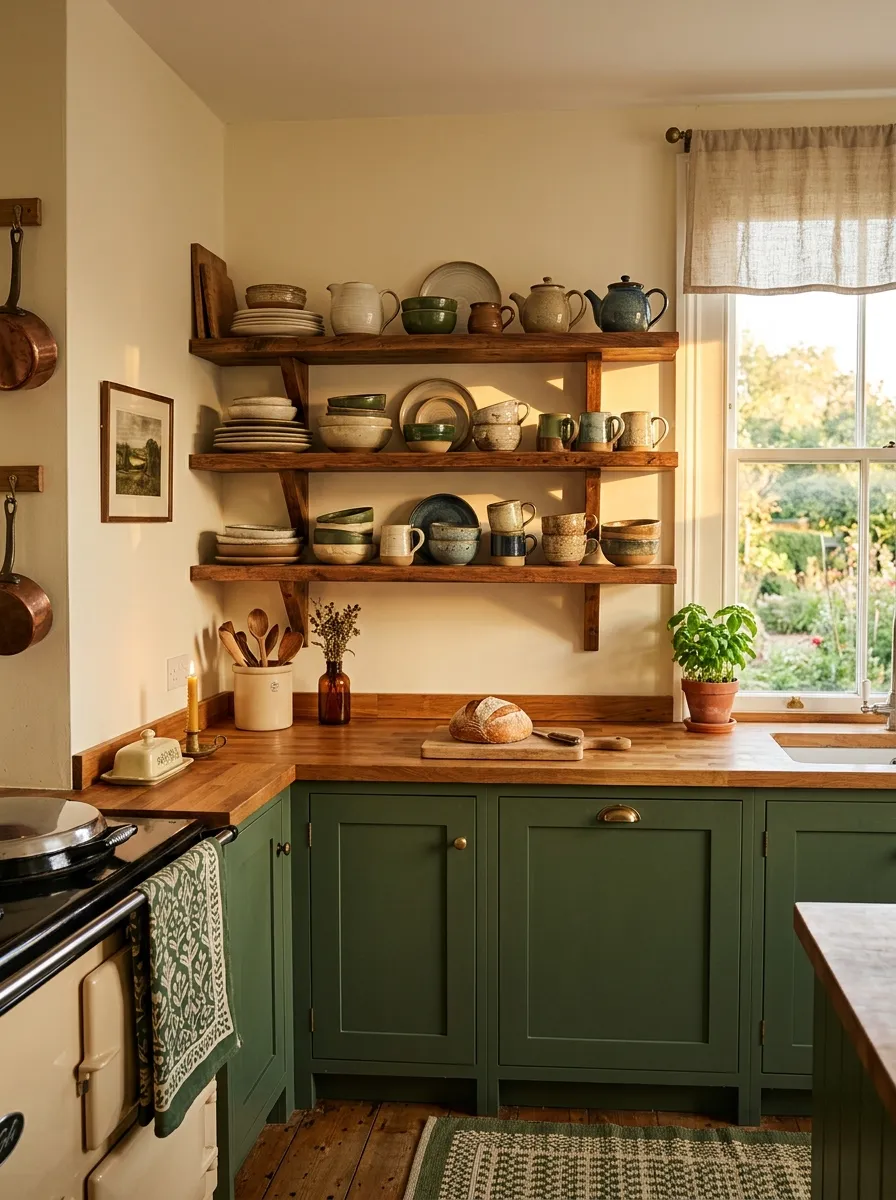
Wood shelving above the machine adds warmth to a compact coffee corner.
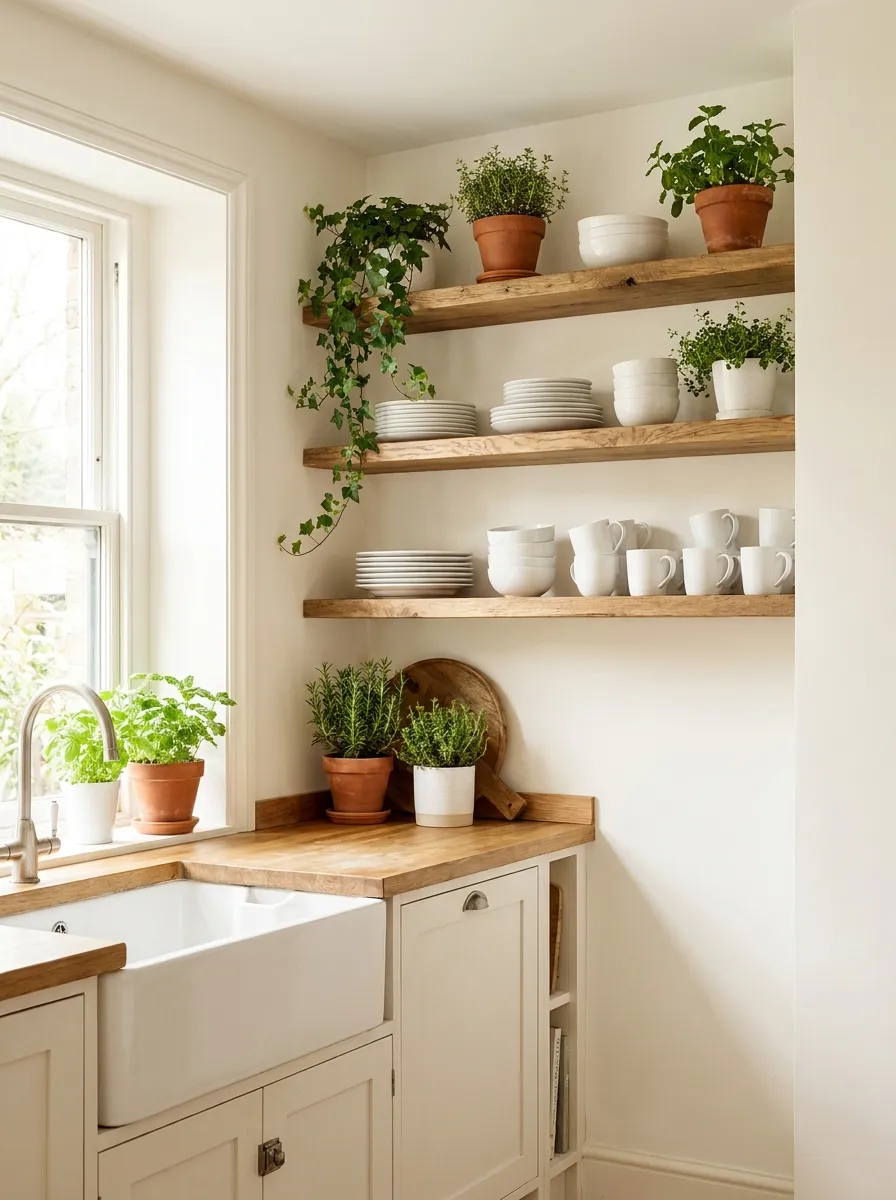
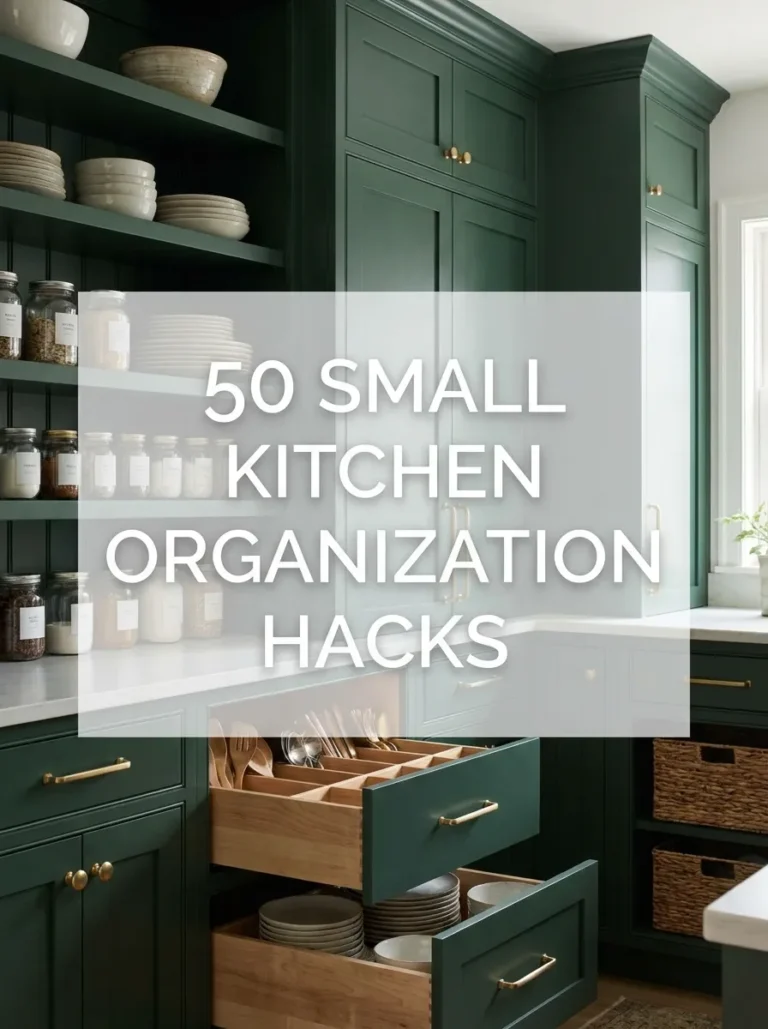
Keeping only daily-use mugs at the station prevents visual clutter.
Frequently Asked Questions
How much space does a coffee station really need?
A single counter corner, roughly 18-24 inches wide, is typically enough for the machine, mugs, and daily supplies.
Is a rolling cart a good option for a coffee station?
Yes, especially in the tightest kitchens, since it can be moved out of the way when not in use and parked anywhere with outlet access.
Do I need a dedicated electrical outlet for a coffee station?
Not necessarily — choosing a station location near an existing outlet is usually simpler and cheaper than running a new circuit.
Should mugs go on open shelving or inside a cabinet?
Open shelving keeps them visible and quick to grab, which works well for daily-use mugs specifically at the coffee station.
How do I keep a coffee station from looking cluttered?
Use a tray to contain the setup, store only daily-use items at the station, and keep grounds and filters in labeled containers.
Can I hide my coffee machine when it’s not in use?
Yes, an appliance garage with a lift-up door or a cabinet with a pull-out shelf both let you conceal the machine between uses.
Related Pages
Ready to Set Up Your Station?
Pick a corner near an outlet and start with just the essentials. Explore our cabinet design guide for more layout inspiration.