
15 Small Kitchen Wine Glass Storage Ideas That Don’t Take Over a Cabinet
Wine glass storage in a small kitchen is its own specific challenge, separate from bottle storage, because stemware is tall, fragile, and awkward to stack the way sturdier glasses can be. A few tall-stemmed glasses can eat an entire cabinet shelf’s worth of vertical clearance, which is exactly the kind of space a small kitchen can’t spare. This guide covers fifteen real small kitchen wine glass storage ideas, from a $15 under-cabinet rack to a repurposed wine crate, along with sizing and dishwasher-safety considerations, so your glassware has a proper home without swallowing a whole cabinet.
Quick Takeaways
- Hanging stemware upside-down under a cabinet uses far less vertical space than standing it upright
- Stemless wine glasses are inherently easier to store, since they can stack or sit in a standard cabinet like any other glass
- Keep everyday glasses in the most accessible spot; reserve display-style storage for glasses you use less often
- Padded or felt-lined storage matters most for stemware, since it’s the most fragile glassware in most kitchens
- Budget options start around $10–$20; built-in under-cabinet rails run $25–$60
- Check your stem thickness before buying any rack, since larger glasses don’t always fit a standard-sized slot
What’s In This Guide
Why Wine Glasses Are Tricky to Store
A standard wine glass stands 8–9 inches tall, which is taller than most kitchen cabinet shelves are spaced for, meaning a shelf that comfortably fits everyday glasses often has several inches of dead, wasted space above a row of wine glasses. Stemware is also more fragile than everyday drinkware, so it needs storage that keeps it from clinking against other glasses every time a cabinet door opens. The fifteen ideas below work around both issues, either by storing glasses hanging (using height that’s otherwise wasted) or by choosing stemless glassware that sidesteps the height problem entirely.
15 Small Kitchen Wine Glass Storage Ideas That Actually Work
1Under-Cabinet Stemware Rack
A wooden or metal rail mounted to the underside of an upper cabinet lets stemmed glasses hang upside down, using height that would otherwise sit empty above your everyday dishware. This is the single most popular small kitchen wine glass storage idea because it adds genuinely new capacity rather than competing with existing shelf space. Racks run $15–$40 and typically install with 4 screws.
2Built-In Wine Glass Rail Under a Cabinet
Similar to the rack above but recessed into the cabinet’s underside during a refacing or renovation project, a built-in rail gives a cleaner, more finished look and typically holds more glasses in the same footprint. It’s a better fit for a planned renovation than a quick add-on, running $30–$60 as part of a larger project.
3Vertical Glass Rack Inside a Cabinet
A slim vertical rack designed specifically for stemware slots glasses base-down in individual compartments, keeping them separated and stable even in a cabinet that sees daily use. This works well for kitchens with one tall, narrow cabinet section that’s otherwise hard to use efficiently.
4Wall-Mounted Stemware Rack
If you’d rather display glasses than hide them, a wall-mounted rack near your dining or prep area holds glasses hanging in view, doubling as a small design feature. This works especially well in a kitchen with some open wall space near where you’d typically pour a glass.
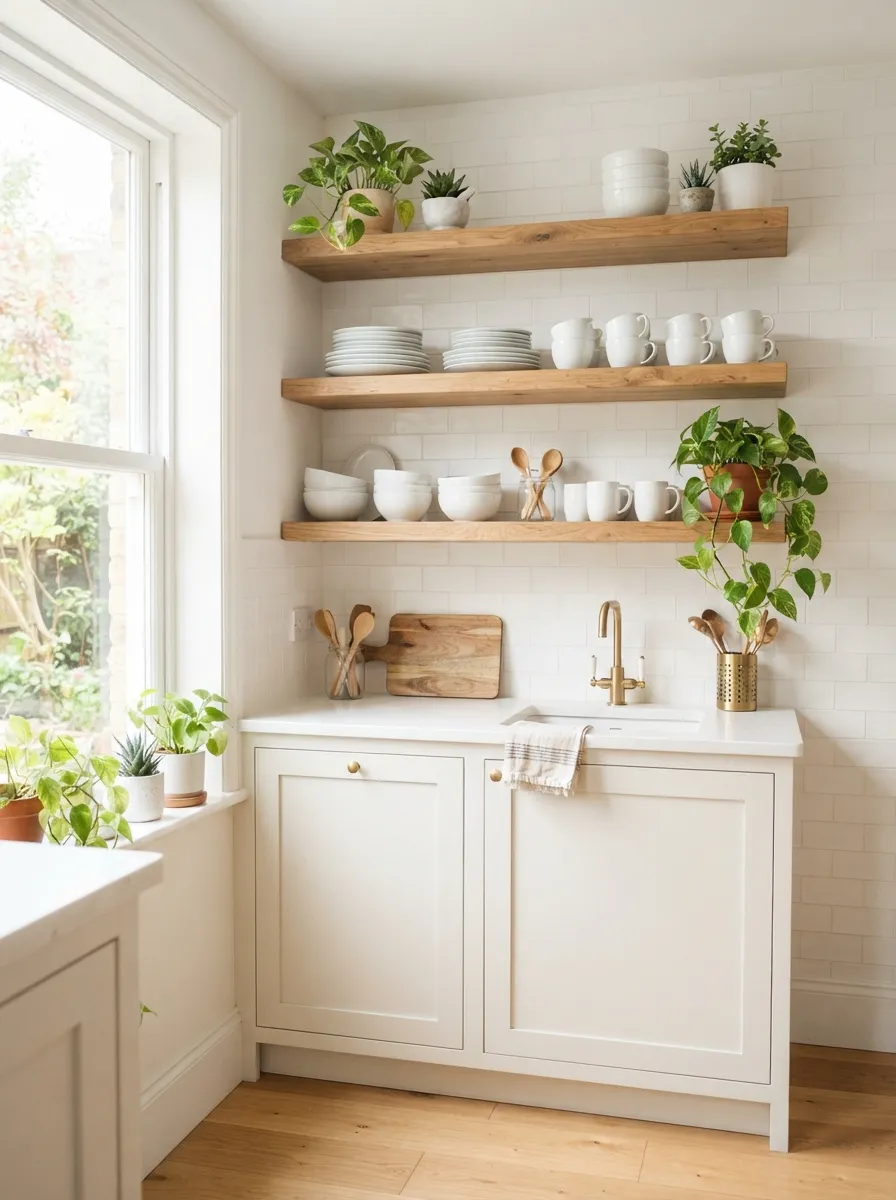
5Open Shelving With Glass Hooks
Small hooks mounted under an open shelf let glasses hang the same way an under-cabinet rack does, but with the added visual openness of open shelving. This pairs naturally with a kitchen that already uses open shelves for dishware display.
6Cabinet Insert With Felt Dividers
A foam or felt-lined insert with individual slots keeps glasses from touching each other in a standard cabinet, which matters more for stemware than almost any other glassware in the kitchen. Inserts run $15–$30 and fit into most standard cabinet shelves without modification.
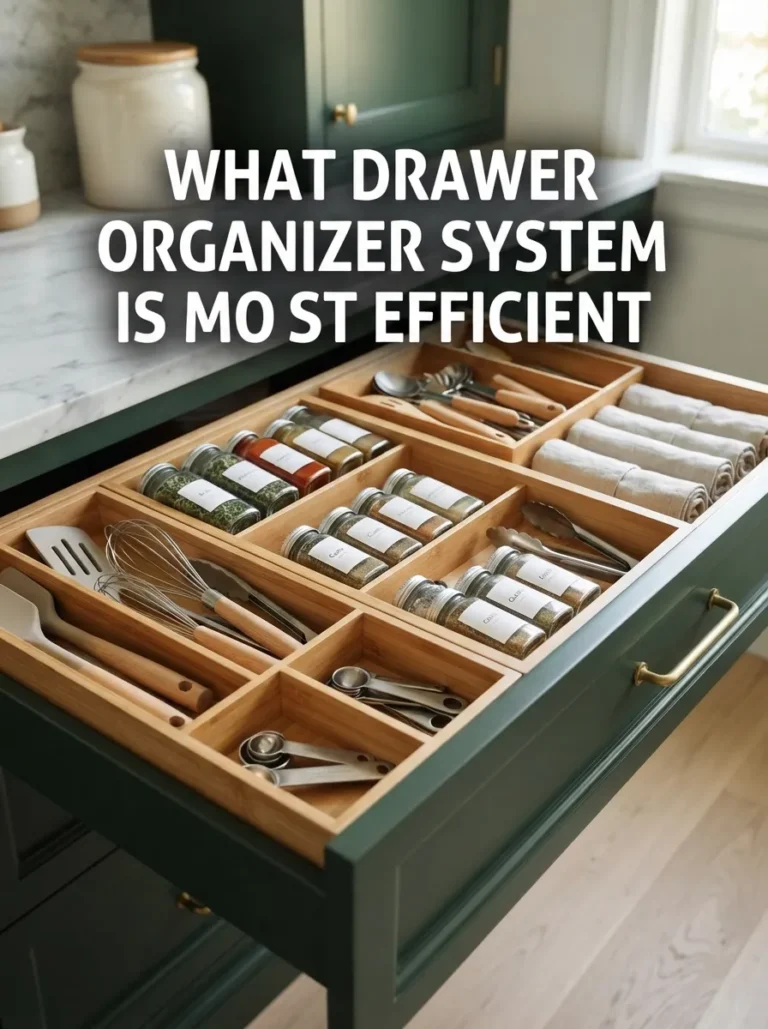
7Padded Drawer Insert for Horizontal Storage
A shallow, wide drawer fitted with a padded, divided insert lets glasses lie on their side instead of standing upright, which can work well in a kitchen with more spare drawer depth than cabinet height. This is a less common approach but genuinely useful if your cabinets are already full.
8Bar Cart With a Built-In Glass Rack
If you have (or want) a small bar cart, many include a stemware rack as part of the design, consolidating your wine glasses with your bottles and bar tools in one mobile unit that doesn’t take up any fixed cabinet space at all.
9Over-the-Sink Stemware Rack
A rack designed to rest over the sink basin gives glasses a spot to air-dry hanging, which then transitions directly into storage if left in place, cutting out the step of drying and reshelving separately.
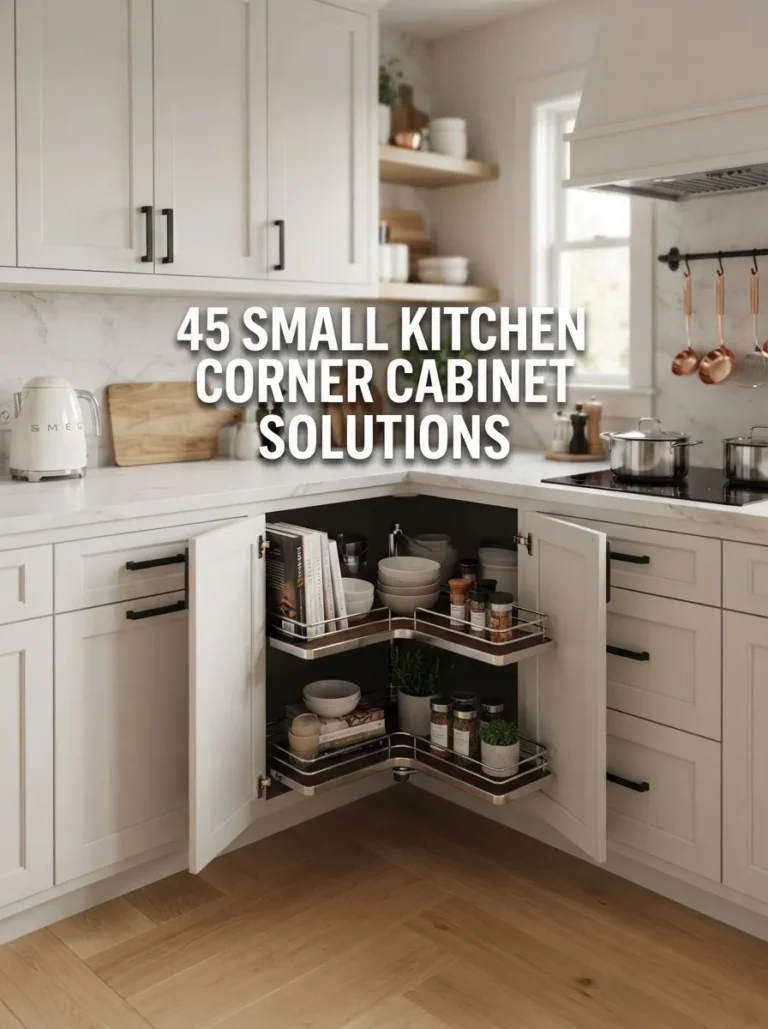
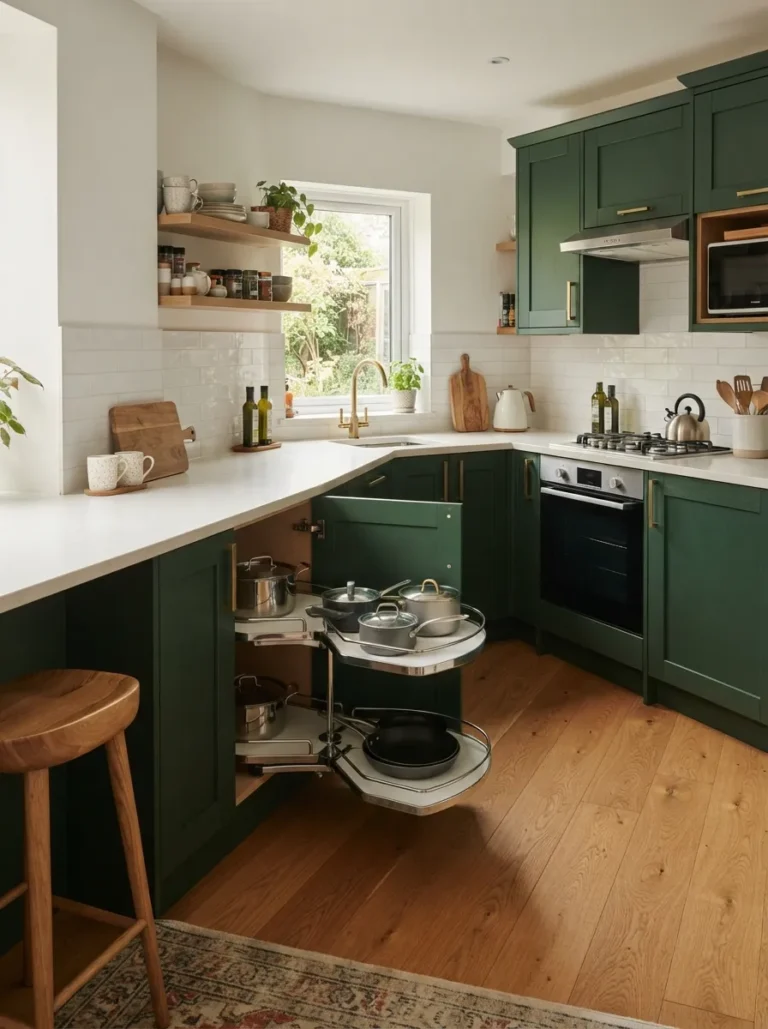
10Corner Cabinet Lazy Susan for Stemless Glasses
Corner cabinets are notoriously hard to use efficiently, but a lazy Susan insert works well for stemless wine glasses specifically, since their flat base means they won’t tip over as the turntable rotates the way a stemmed glass would.
11Sliding Cabinet Tray for Stemware
A slide-out tray fitted with dividers brings glasses stored at the back of a deep cabinet forward for easy access, without needing to reach past everything in front. This is especially useful in a small kitchen where cabinet depth is often greater than shelf width.
12Stacking Stemless Glasses
The simplest fix of all: switching some or all of your wine glasses to a stemless style means they store exactly like any other drinking glass, stacking or standing in a standard cabinet without needing any specialized rack, insert, or hanging system at all.
13Glass-Front Cabinet Display
If you already have (or are considering) a glass-front cabinet, standing stemware upright behind glass doors turns storage into display, and the visible door also serves as a gentle reminder to keep that shelf tidy and dust-free.
14Repurposed Wine Crate Insert
A small wooden wine crate, turned on its side inside a cabinet, creates natural dividers for 4–6 glasses stored base-down, and it’s one of the more budget-friendly options here if you already have (or can easily find) a crate to repurpose.
15Floating Shelf With Built-In Stemware Slots
A floating shelf manufactured with pre-cut slots for stemware bases combines open shelving with dedicated, stable storage, keeping glasses from sliding around the way they might on a plain flat shelf.
Wine Glass Sizes and What They Mean for Storage
Wine glass styles vary more in size than most people realize, and knowing which styles you actually own helps you choose the right rack or insert. A standard white wine glass runs 7–8 inches tall, a red wine glass typically runs 8–9 inches with a wider bowl, and an oversized “reserve” style red wine glass can reach 10–11 inches. Champagne flutes are usually the tallest and narrowest of the common styles. If your collection mixes several of these, look for storage with adjustable spacing rather than a fixed-size rack, since a rack sized only for standard white wine glasses may not securely fit an oversized red wine glass.
Dishwasher safety is also worth checking before you settle on a storage routine. Many stemware pieces, especially thinner, higher-end glasses, are hand-wash only, which affects your workflow: if you’re hand-washing regularly, a rack positioned near the sink (like the over-the-sink option covered above) cuts out an extra step compared to storage tucked away in a distant cabinet.
Quick Comparison: Wine Glass Storage by Space and Cost
| Option | Space Used | Typical Cost | Best For |
|---|---|---|---|
| Under-cabinet hanging rack | Otherwise-empty vertical gap | $15–$40 | Adding capacity without new cabinet space |
| Felt-lined cabinet insert | Existing cabinet shelf | $15–$30 | Protecting stemware in a standard cabinet |
| Bar cart with rack | Freestanding, no fixed space | $60–$150 | Consolidating a small bar setup |
| Stemless glasses | Standard cabinet shelf | Varies (glassware cost) | Simplest possible storage solution |
| Repurposed wine crate | Inside existing cabinet | $0–$15 | Budget-friendly, no installation |
Keeping Stemware Safe in Storage
Stemware is the most breakable glassware in most kitchens, so storage choice affects more than just space efficiency:
- Always let glasses air-dry fully before storing, since trapped moisture can cause cloudy spots on stemware over time
- Use felt, foam, or padded dividers any time glasses touch each other in storage, since stemware chips more easily than everyday drinkware
- Hang glasses on a rack rated for their stem thickness — a rack sized for standard stems may not securely hold an oversized red wine glass
- Avoid overloading a single hanging rack section, since too many glasses crowded onto one rail increases the chance of chipping as they knock together
- Store your everyday glasses in the most accessible spot; reserve a higher shelf or the back of a cabinet for special-occasion stemware you use less often
How to Choose Based on Your Kitchen
Kitchens with upper cabinets over a counter are the best candidates for an under-cabinet hanging rack, since it adds storage using space that’s otherwise completely wasted above the counter.
Kitchens with open shelving already can add simple hooks underneath for the same hanging benefit, without needing any additional cabinetry.
Apartment and rental kitchens do well with a bar cart, a repurposed crate, or simply switching to stemless glasses, since none of these require any drilling or permanent modification.
Kitchens with deep but narrow cabinets benefit most from a sliding tray or vertical rack insert, which makes use of depth that’s otherwise hard to access without pulling everything out.
Open shelving with hooks makes an easy home for hanging stemware
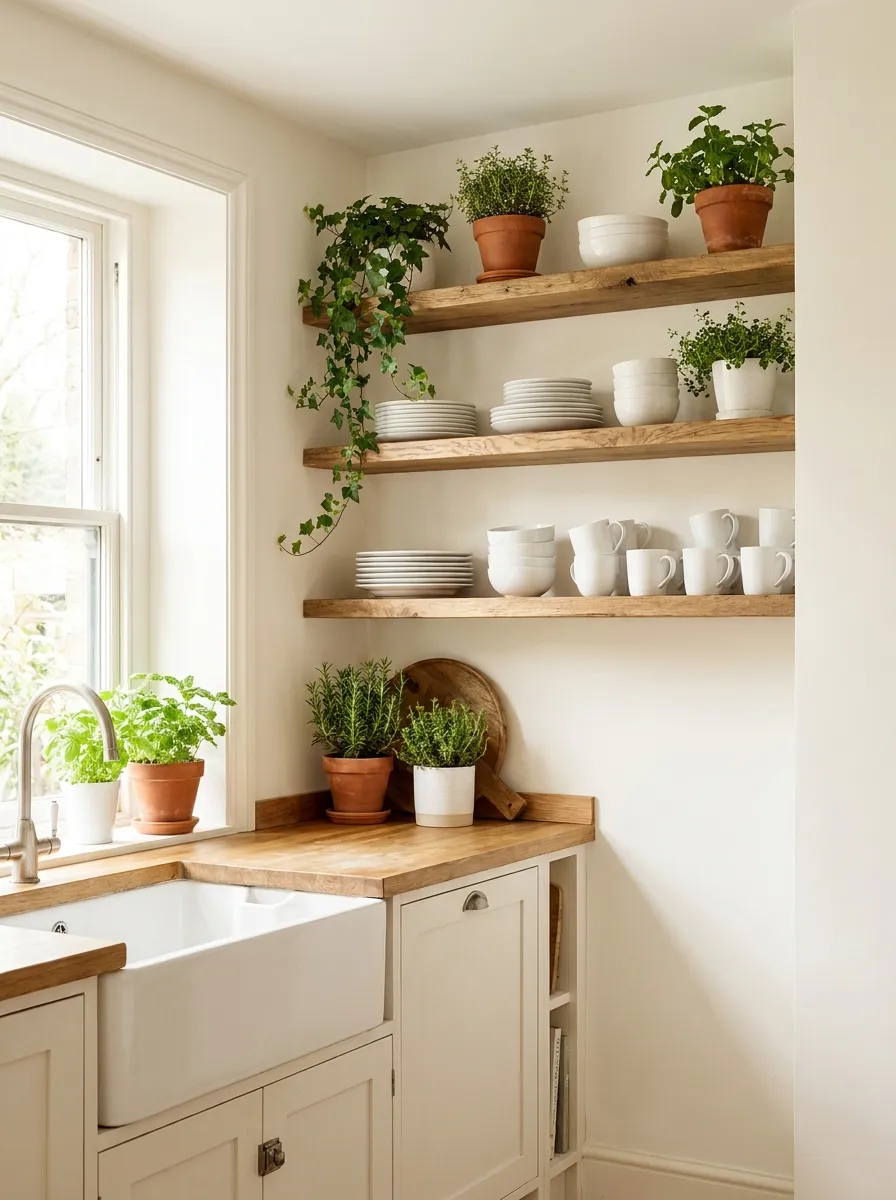
Displayed glassware doubles as both storage and decor

A bar counter setup keeps glassware visible and within reach
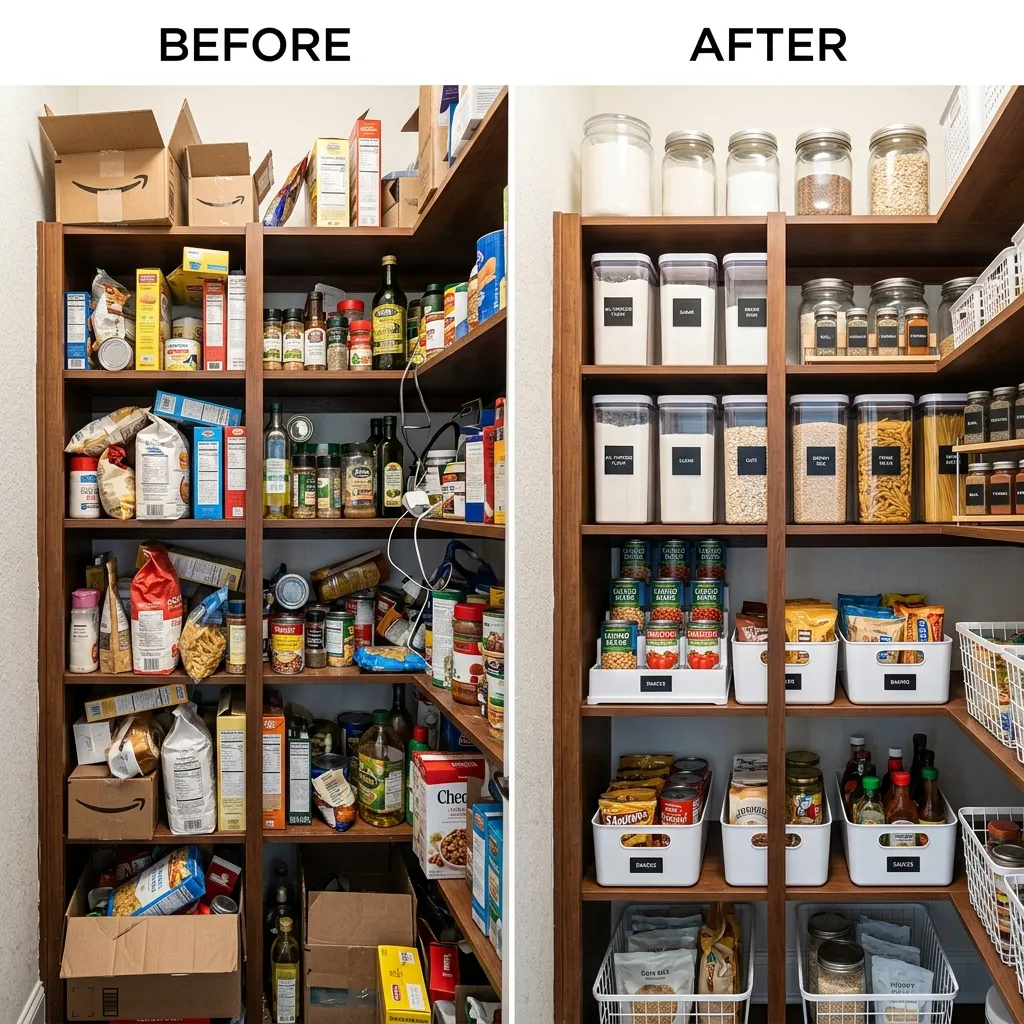
Even a small pantry corner can fit dedicated glassware storage
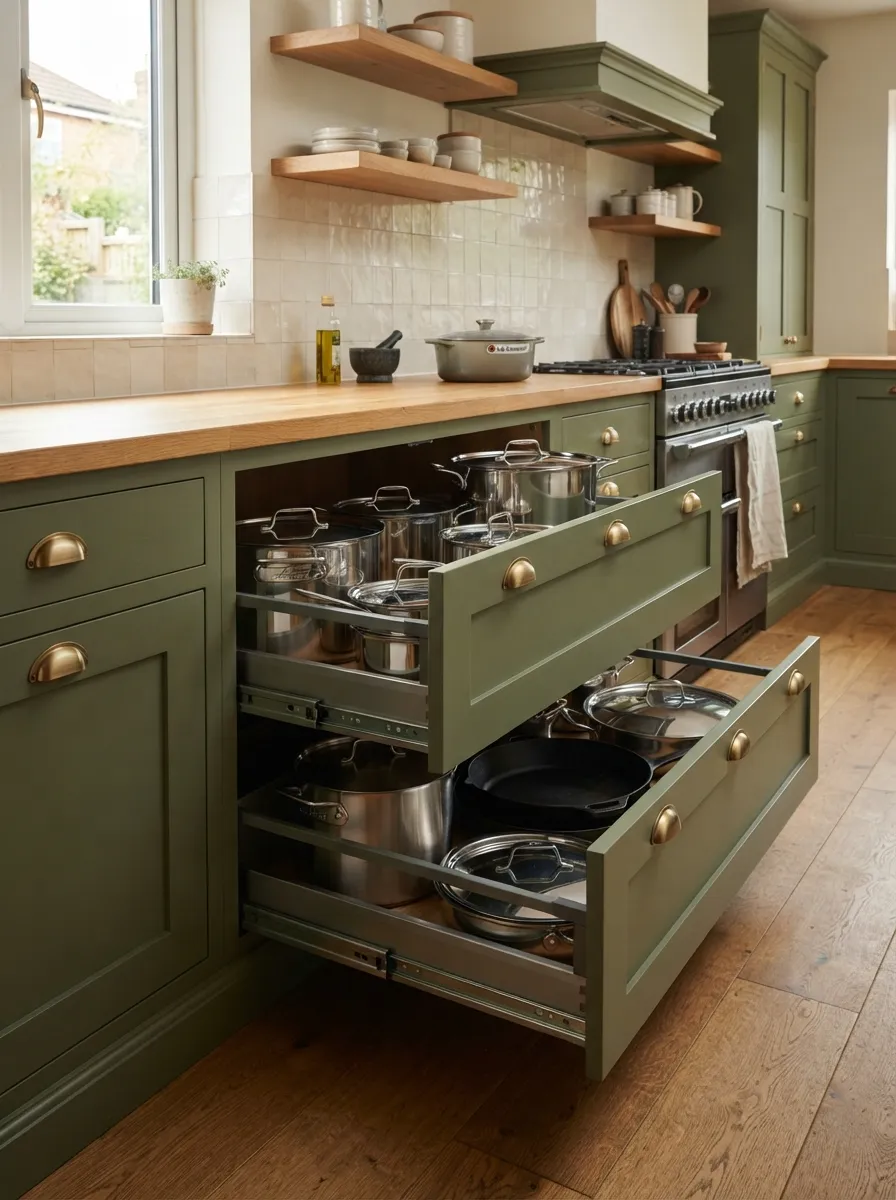
A padded drawer insert is an alternative to upright cabinet storage

A small bar counter setup keeps glasses and bottles together
Wine Glass Storage Mistakes to Avoid
Storing stemware crowded together with no padding. Glass-on-glass contact is the leading cause of chips in stemware, and a few dollars of felt or foam dividers prevents most of the damage that happens simply from opening and closing a cabinet.
Hanging glasses on a rack that’s too small for the stem. Some larger red wine glasses have thicker stems than a standard rack accommodates, which can mean an insecure hang and a higher risk of a glass slipping loose. Measure your stem thickness before buying a rack.
Keeping a large stemware collection you rarely use. If you own twelve wine glasses but regularly use four, storing all twelve in prime, easy-access space crowds out storage you could use for something else. Keep your everyday set accessible and box up the rest.
Ignoring stemless glasses as an option. Many people default to stemmed wine glasses out of habit, without considering that switching even half the collection to stemless removes the height and fragility challenges of storage almost entirely.
Frequently Asked Questions
What’s the best way to store wine glasses in a small kitchen?
Hanging stemware upside-down from an under-cabinet rack is usually the most space-efficient option, since it uses vertical clearance that would otherwise sit empty above a shelf of everyday glasses.
Are stemless wine glasses easier to store than stemmed ones?
Yes, significantly. Stemless glasses store like any standard drinking glass, stacking or standing in a regular cabinet, without needing a specialized rack or hanging system.
How do I keep wine glasses from chipping in storage?
Use felt, foam, or padded dividers any time glasses touch each other, and avoid overcrowding a single hanging rack or shelf, since glass-on-glass contact is the leading cause of chips.
Can I hang any wine glass on an under-cabinet rack?
Most racks fit standard stem thicknesses, but larger red wine glasses sometimes have thicker stems than a standard rack accommodates. Measure your stems before buying to ensure a secure hang.
What’s the best wine glass storage option for renters?
A bar cart, a repurposed wine crate, or simply switching to stemless glasses are all good renter-friendly options, since none require drilling into cabinets or walls.
Should I store everyday and special-occasion wine glasses differently?
Yes, it helps to keep your everyday glasses in the most accessible spot, like an under-cabinet rack, and reserve a less-trafficked cabinet with padded dividers for nicer stemware you use only occasionally.
How many wine glasses does a small kitchen actually need to store?
Most households regularly use 4 to 6 wine glasses at once. Keeping a larger collection boxed up separately, rather than all in prime cabinet space, frees up storage for items used more often.
Can I mix wine glass styles on the same storage rack?
Yes, as long as the rack or insert has adjustable spacing. A fixed-width rack sized only for standard white wine glasses may not securely accommodate an oversized red wine glass or a champagne flute.
Is it better to hand-wash or dishwash wine glasses?
Many wine glasses, especially thinner or higher-end stemware, are hand-wash only. If you hand-wash regularly, positioning storage near the sink, such as an over-the-sink rack, saves an extra step in your routine.
Related Pages
Final Thought
Wine glasses deserve their own storage plan separate from the rest of your dishware, mostly because their height and fragility make them a poor fit for standard cabinet shelving. Whether you go with a hanging rack, a padded insert, or simply switch to stemless glasses, giving stemware a dedicated spot keeps it both safer and easier to reach than letting it compete for space with everything else in the cabinet, and it’s one of the faster small-kitchen organization projects to actually finish in a single afternoon.
Want to organize the rest of your kitchen storage too?
Explore Small Kitchen Cabinet Design