20 Small Kitchen Cookbook Storage Ideas That Actually Fit
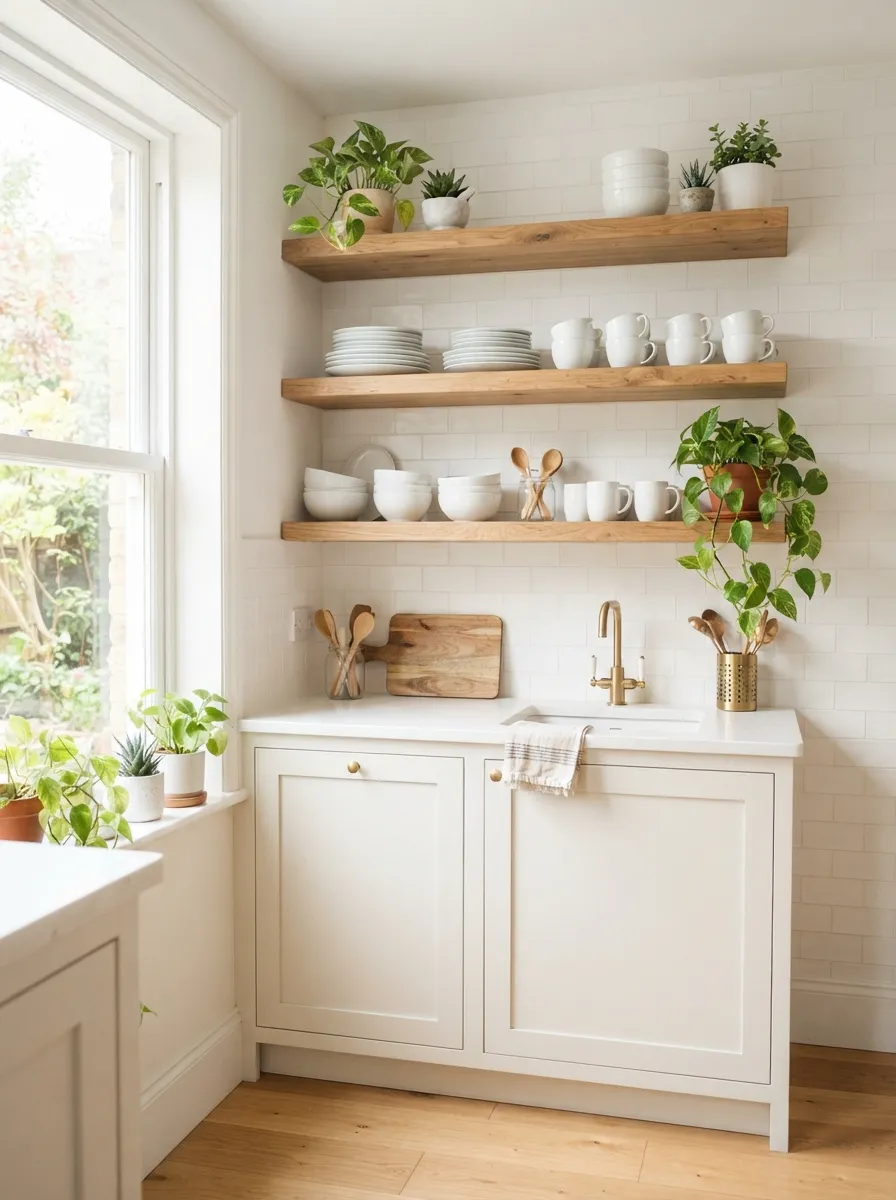
Small kitchen cookbook storage ideas matter because cookbooks are an odd shape for most kitchen storage — too tall for a drawer, too heavy for most floating shelves not rated for books, and too bulky to stack on an already-crowded counter. The fix is almost always vertical: a ledge, a wall shelf, or bookends on open shelving that use space you’re not competing for with pots and dishware. Here are twenty real small kitchen cookbook storage ideas, from a $10 bookend to a small built-in nook, covering everything from everyday paperbacks to a full hardcover collection.
Quick Takeaways
- Vertical wall storage (ledges, shelves) uses far less footprint than a countertop stack
- Keep only cookbooks you actively cook from — digitize or box up the rest
- A cookbook stand doubles as storage and a hands-free recipe display while cooking
- Choose shelving rated for book weight; standard floating shelves can sag under a full cookbook collection
- Budget options start around $10–$20; built-in nooks run $50–$150
What’s In This Guide
20 Small Kitchen Cookbook Storage Ideas
1Floating Wall Ledge
A shallow floating ledge, rated for book weight, lets cookbooks lean upright with covers facing out, using wall space that’s otherwise empty.
2Under-Cabinet Mounted Shelf
A slim shelf mounted beneath an upper cabinet holds 3–5 cookbooks in a spot most kitchens leave completely unused.
3Bookends on Open Shelving
If you already use open shelving for dishware, a pair of sturdy bookends keeps 4–6 cookbooks standing upright on the same shelf without extra hardware.
4Cookbook Stand With Clear Cover
A stand that props one book open at eye level while cooking doubles as storage for that day’s recipe and keeps pages clean from splatter.
5Repurposed Magazine File Holder
A simple file holder, the kind meant for an office desk, fits inside many cabinets and holds 3–4 cookbooks upright for $10–$20.
6Drawer Storage for Slim Cookbooks
Thinner cookbooks and recipe pamphlets can lie flat in a shallow drawer divider, keeping them separate from bulkier hardcover books.
7Rotating Cookbook Carousel
A small countertop or in-cabinet carousel lets you spin to the book you need without shuffling through a stack, useful for a handful of frequently used titles.
8Above-Cabinet Storage
The gap between the top of upper cabinets and the ceiling suits cookbooks you reference only occasionally, like a holiday baking book.
9Built-In Nook in a Pantry Wall
During a renovation, a shallow recessed nook built into a pantry or cabinet wall gives cookbooks a permanent, dedicated spot without using shelf depth.
10Wire Rack on the Inside of a Pantry Door
A wire or bamboo rack mounted to the inside of a pantry door holds a few cookbooks hidden and out of the way until that door opens.
11Small Shelf on Top of the Fridge
If there’s clearance above your fridge, a slim shelf or simple stack with a bookend uses height most kitchens never touch.
12Leaning Ladder Shelf
A narrow ladder-style shelf leaned against a free wall section holds cookbooks on its rungs without needing any wall-mounted hardware at all.
13Repurposed Wine Rack
A small horizontal wine rack, turned to hold books instead of bottles, creates individual slots that keep cookbooks from sliding into a messy pile.
14Recipe Binder Consolidation
Loose printed recipes and clippings, rather than full cookbooks, take up less space consolidated into one or two binders than scattered across a shelf.
15Kitchen Cart Shelf
If you have a rolling kitchen cart, its lower shelf is a natural, mobile spot for a small cookbook collection that moves with the cart as needed.
16Floating Corner Shelf
A small triangular shelf fitted into an unused corner makes use of space that’s otherwise awkward for almost anything else in the kitchen.
17Tablet Stand for Digital Cookbooks
Digitizing rarely used recipes to a tablet or phone, held on a small counter stand, removes the physical storage need entirely for books you reference only a few times a year.
18Glass-Front Cabinet Display
If you have a glass-front cabinet, standing cookbooks upright behind the glass turns storage into a visible, curated display.
19Under-Stairs or Awkward Nook
In kitchens with an adjacent awkward architectural nook (under stairs, a chimney breast), a small fitted shelf there is an easy way to add cookbook storage outside the kitchen’s main footprint entirely.
20Styled Mix With Decor on Open Shelves
Mixing 3–4 cookbooks with plants or dishware on open shelving spreads the visual and physical weight across a shelf run instead of stacking them all in one spot.
Cookbook Storage Mistakes to Avoid
Buying shelving not rated for book weight. Decorative floating shelves are often rated for light objects like framed photos, not a stack of hardcover cookbooks. Check the weight rating before mounting anything load-bearing.
Storing your whole collection in one spot. Splitting frequently used books (near the counter) from rarely used ones (above cabinets or in a closet) keeps your prime kitchen real estate free for what you actually reach for.
Ignoring moisture and heat near the stove. Cookbook pages and covers can warp over time if stored too close to steam or direct heat. Keep dedicated cookbook storage at least a couple feet from the stove where possible.
Choosing the Right Option for Your Kitchen
Small collections (5 or fewer books) do well with bookends on existing open shelving or a simple magazine file — no new hardware needed.
Larger collections benefit from dedicated vertical storage: a floating ledge, under-cabinet shelf, or built-in nook keeps books from crowding out everyday dishware.
Renters should lean toward no-installation options: a magazine file, a cart shelf, or a tablet stand for digital recipes.
Kitchens tight on wall space but with a spare pantry shelf or cabinet corner can still fit a small dedicated section without adding anything to the walls at all — a magazine file or a repurposed wine rack tucked into an existing shelf works just as well as anything wall-mounted.
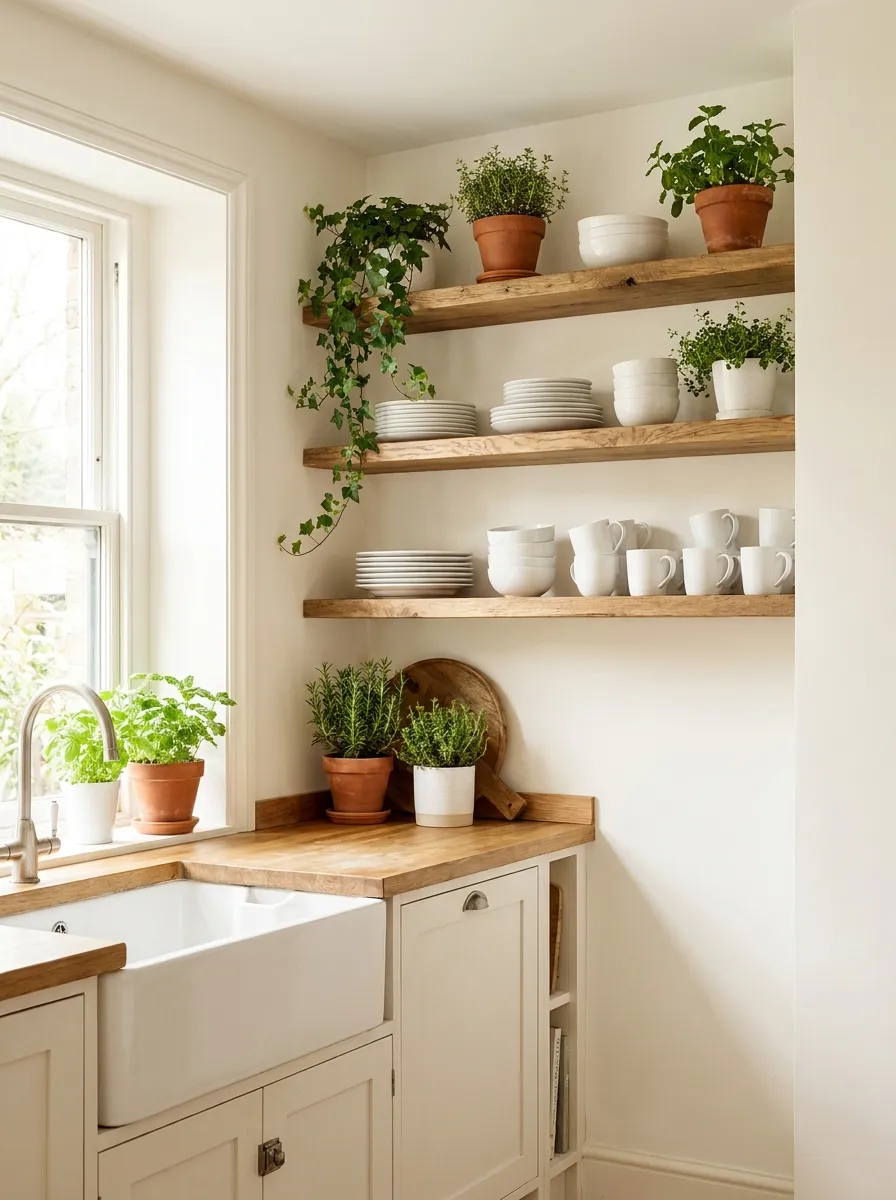
Cookbooks mix naturally with dishware on open shelving

A slim ledge near a counter keeps a favorite cookbook in reach
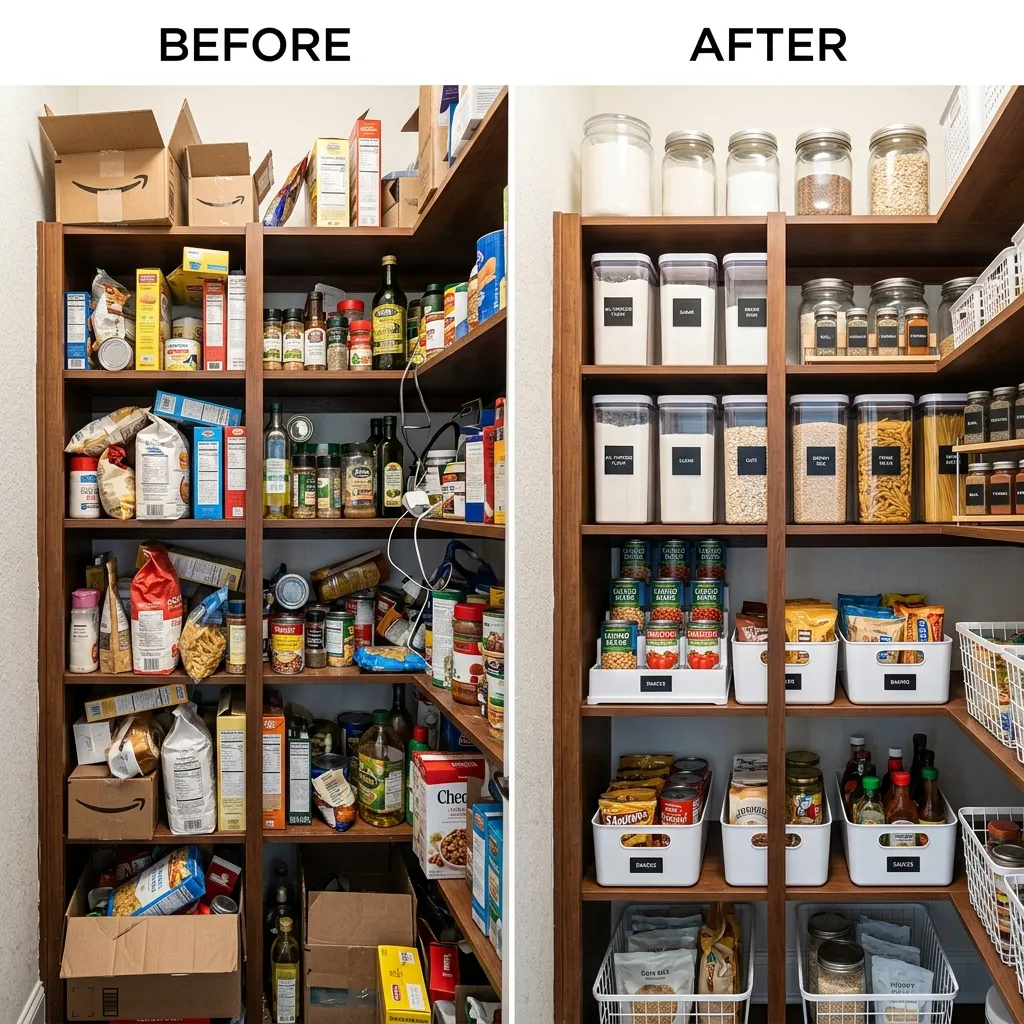
Even a small pantry wall can fit a dedicated cookbook nook
Frequently Asked Questions
Where should I store cookbooks in a small kitchen?
A floating wall ledge or under-cabinet shelf is usually the most space-efficient option, since it uses vertical space rather than competing with counter or cabinet room.
How many cookbooks should I keep in my kitchen?
Most home cooks regularly use 5 to 8 cookbooks. Keeping only those in easy reach, and boxing up or digitizing the rest, makes any storage idea work better.
Can floating shelves hold the weight of cookbooks?
Only if rated for it. Standard decorative floating shelves can sag under a full cookbook collection, so look for shelves specifically rated for book weight.
What’s the best cookbook storage option for renters?
A magazine file holder inside a cabinet, a rolling cart shelf, or a tablet stand for digital recipes all work without any drilling.
Should I keep physical cookbooks or switch to digital?
A mix works well for most people: keep a few physical favorites you reach for often, and digitize rarely used recipes to a tablet to save physical space.
Should I store cookbooks near the stove for easy reference?
Keep frequently used cookbooks within reach of your prep area, but at least a couple feet from the stove itself, since steam and heat can warp pages and covers over time.
Related Pages
Final Thought
Cookbooks don’t need much space once they’re off the counter and onto a wall — a single ledge or shelf, sized for the books you actually use, solves most of the clutter. Pick the option that matches a spot you already have, and keep your collection to the titles you genuinely cook from.
Want to organize the rest of your kitchen storage too?
Explore Small Kitchen Cabinet Design