How to Choose the Right Stove Size for Small Kitchens
Choosing the right stove size for a small kitchen means measuring your actual available width first, then matching burner count and oven capacity to how you actually cook — a 24-inch range fits 2 burners in the tightest spaces, while a standard 30-inch range fits 4 burners and a full oven if your layout allows it. The mistake to avoid is choosing size based on appearance alone rather than confirmed clearance.
Quick Takeaways
- Measure your cabinet opening before shopping — many small kitchens fit a standard 30-inch range.
- A 24-inch range typically has 2 burners and a smaller oven cavity.
- 4-burner cooking generally requires at least a 30-inch range.
- Slim induction cooktops can fit more burners into less width than gas.
- A separate cooktop and wall oven combination can add flexibility in an awkward layout.
Table of Contents
1. Measure Before You Shop
Before deciding on a stove size, measure your actual cabinet opening width, depth, and any clearance requirements from nearby cabinetry. It’s a common mistake to assume a small kitchen automatically needs a small stove — many genuinely tight kitchens can still fit a standard 30-inch range once measured precisely.
2. How Many Burners Do You Actually Need
If you regularly cook multiple dishes simultaneously, 4 burners genuinely matter. If your cooking is mostly one-pot meals or simple prep, 2 burners on a 24-inch range may be entirely sufficient and free up valuable counter space elsewhere in the layout.
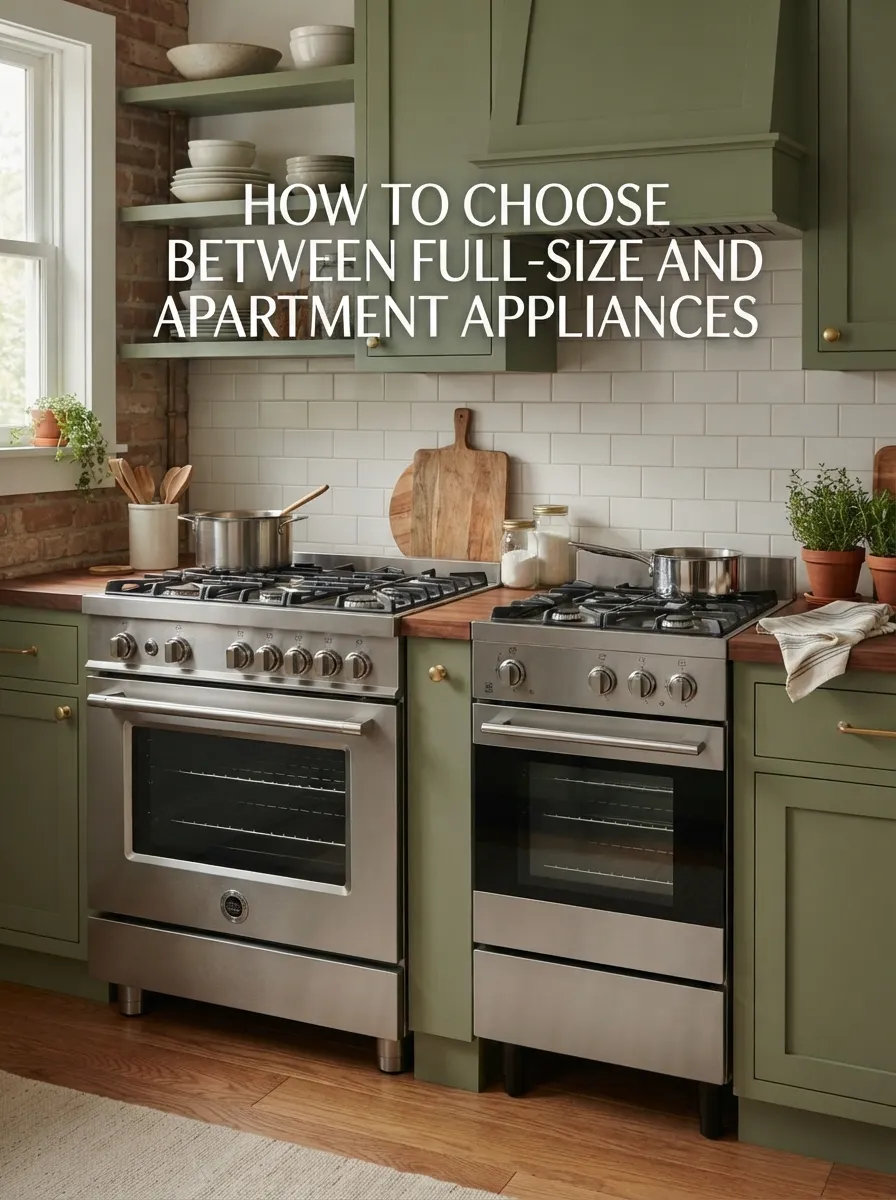
| Stove Width | Typical Burners | Best For |
|---|---|---|
| 20-24 in | 2 | Simple cooking, tightest kitchens |
| 30 in | 4 | Standard cooking, most households |
| 36 in | 5-6 | Frequent entertaining, serious cooks |
3. Oven Capacity Considerations
Smaller ranges typically have a proportionally smaller oven cavity, which matters if you bake regularly or cook large dishes like a full turkey or sheet-pan meals. If baking is a priority but width is tight, check the interior oven dimensions specifically, not just the exterior range width, since capacity can vary between models of the same size.
4. Separate Cooktop and Wall Oven
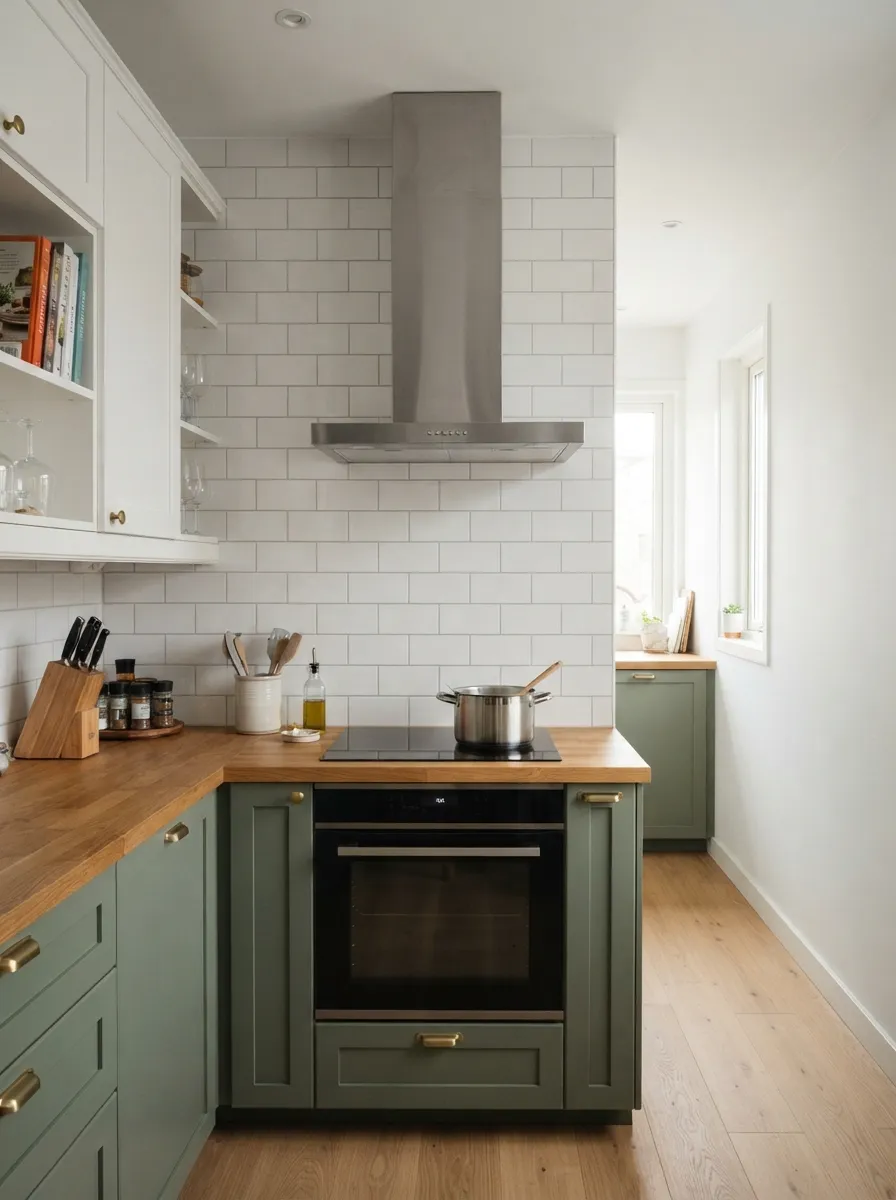
Splitting the cooktop and oven into two separate units can sometimes achieve full cooking capacity in less combined width than a single range, especially with a slim 4-burner cooktop paired with a compact wall oven mounted elsewhere. This approach adds installation complexity but offers more layout flexibility in an awkward small kitchen.
5. Gas vs. Electric vs. Induction Sizing
Induction cooktops can often fit more burners into a smaller footprint than gas, since there’s no need to accommodate open flame spacing between burner heads. If burner count matters more than fuel type preference, induction is worth considering specifically for its sizing efficiency in a tight kitchen.
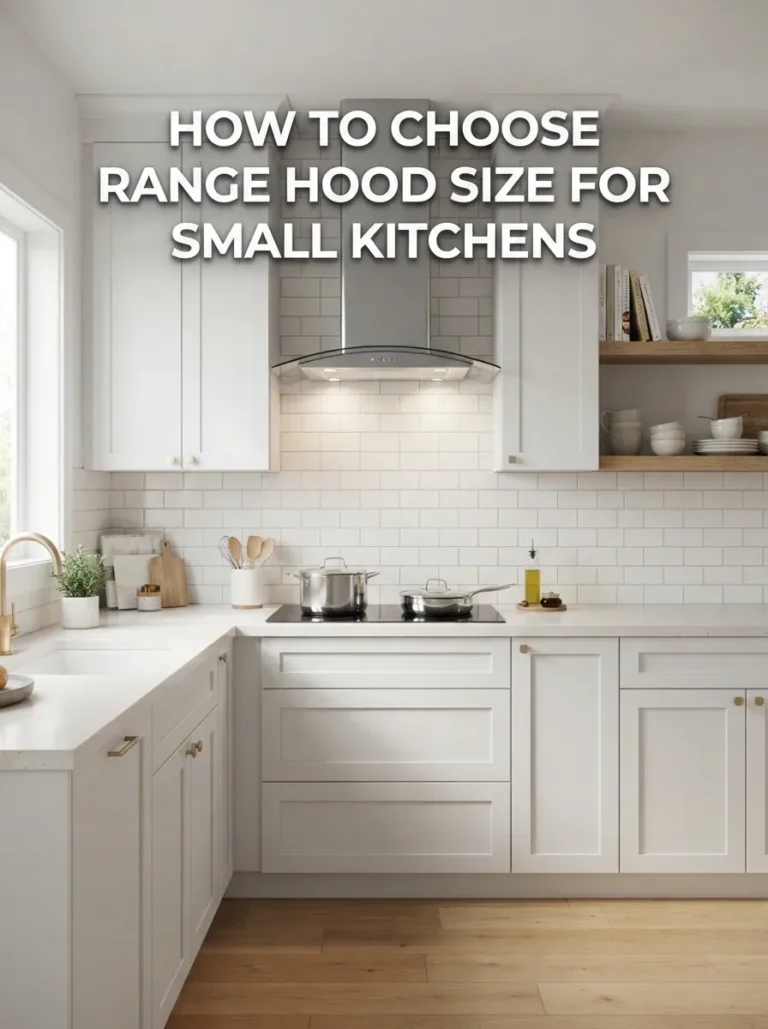
A properly sized hood should match whatever stove size you choose.
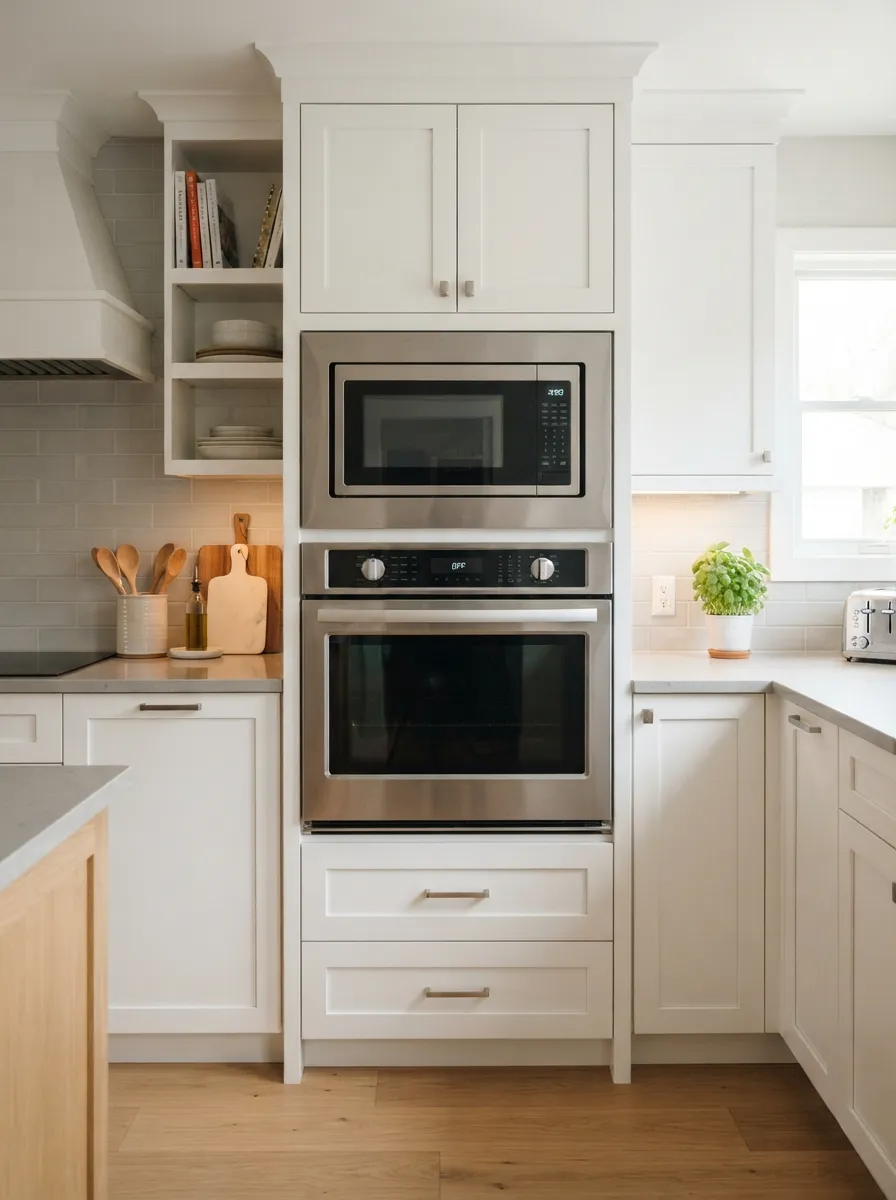
Compact appliance stacking can free up width for a larger stove elsewhere.
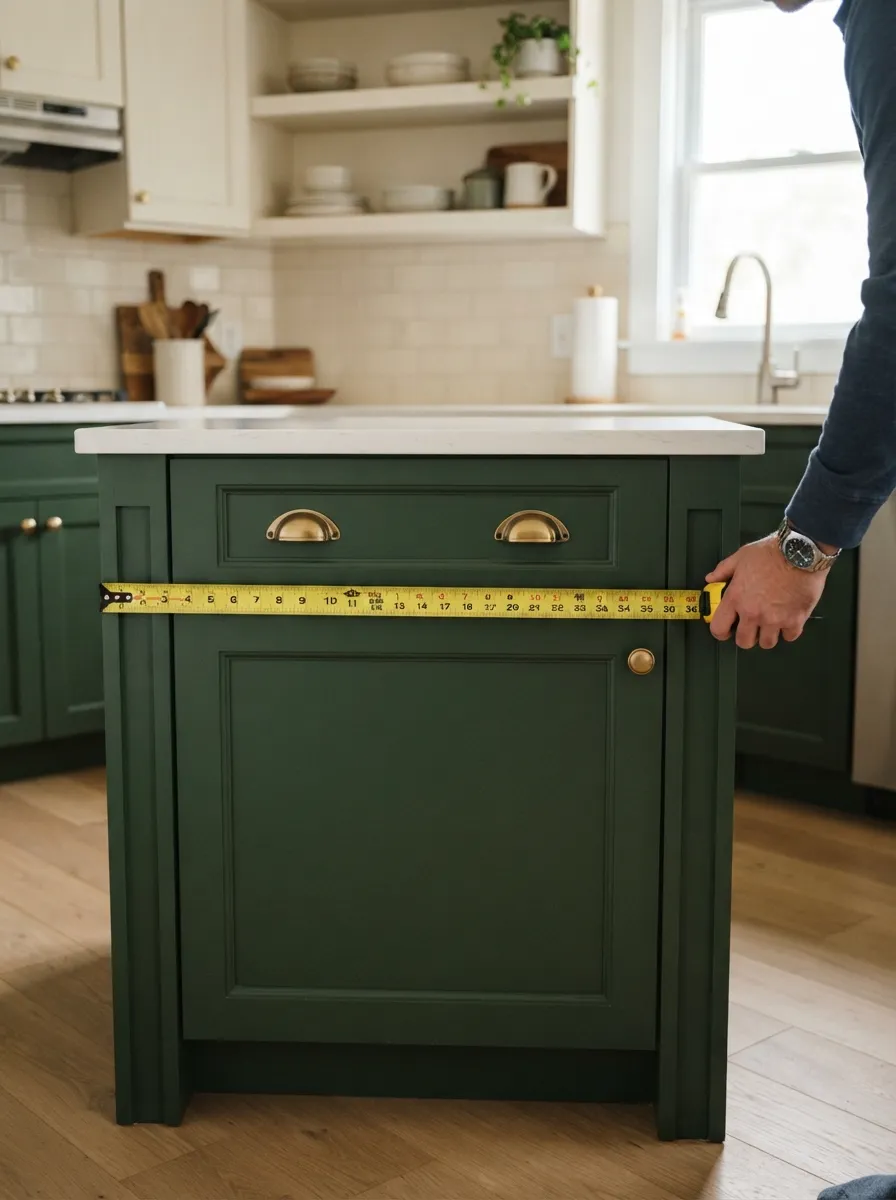
Precise measuring prevents an expensive stove-sizing mistake.
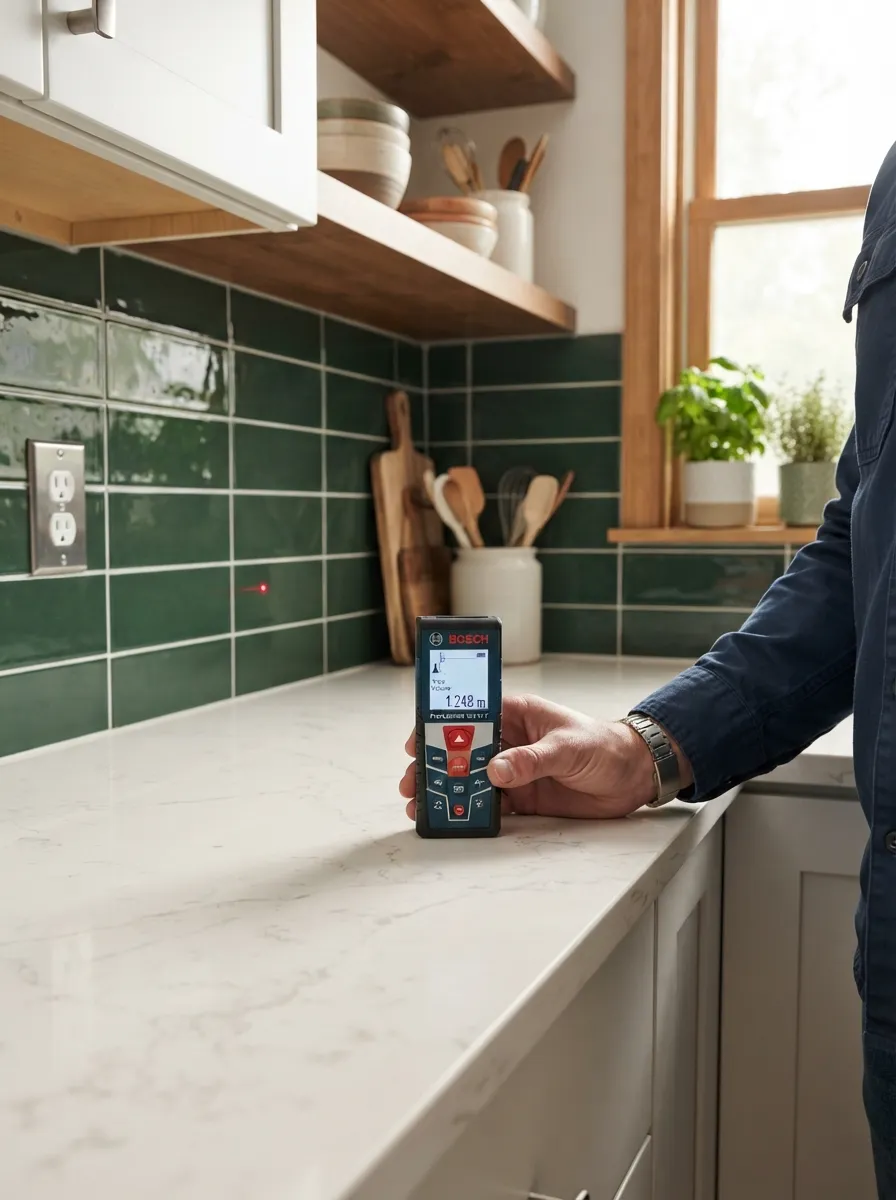
A laser measurer confirms exact clearance before ordering a range.
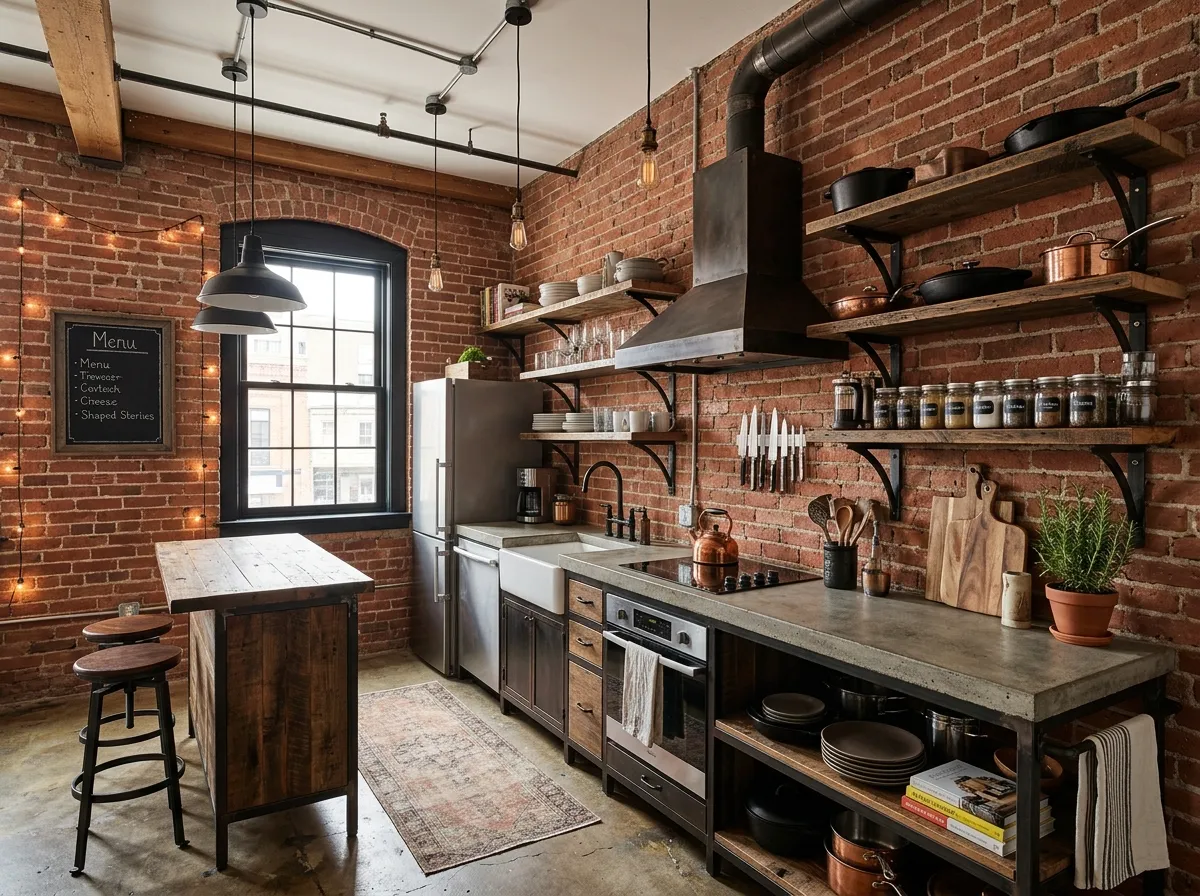
A well-sized range fits naturally into a compact industrial-style kitchen.
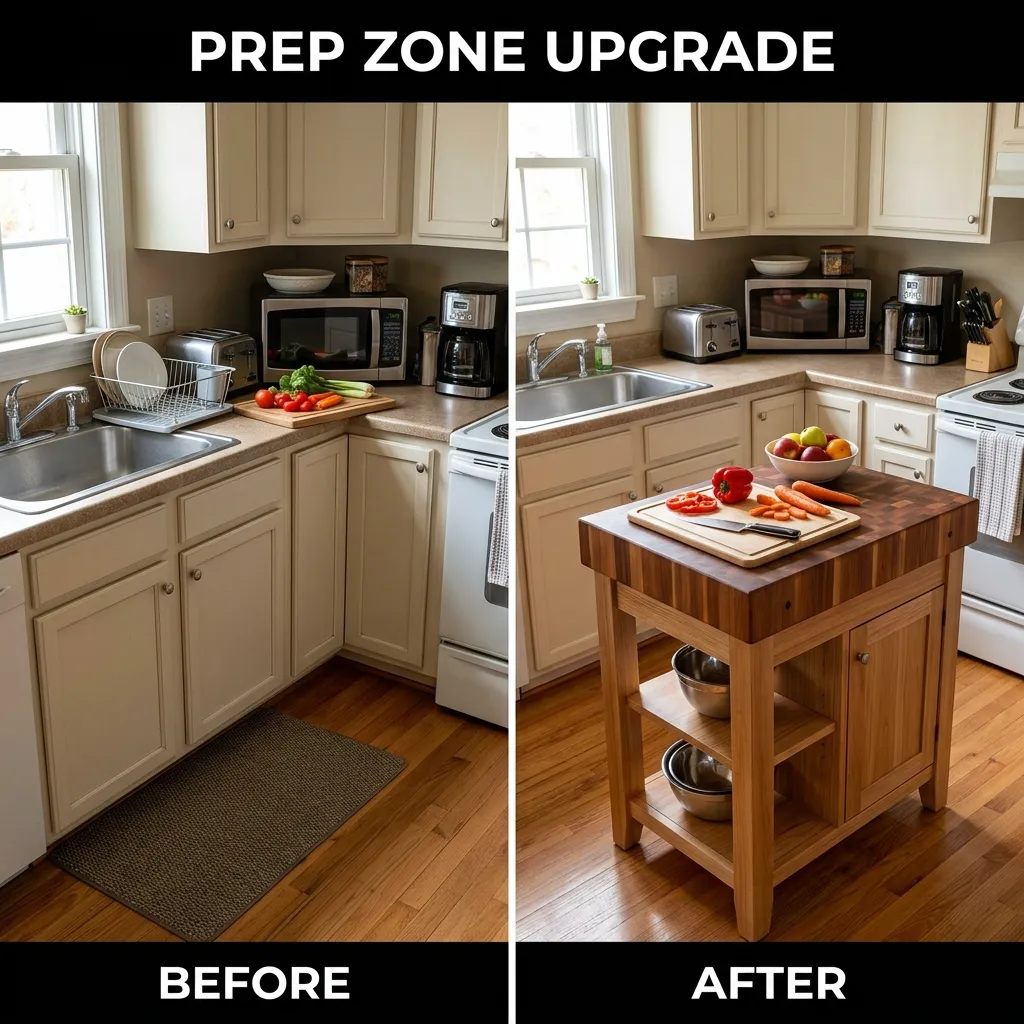
Stove size directly affects how much adjacent prep space remains.
Frequently Asked Questions
Will a standard 30-inch range fit in my small kitchen?
Often yes — measure your actual cabinet opening before assuming a smaller stove is required.
Is a 2-burner stove enough for most households?
For simple, one-pot cooking, yes, but if you regularly cook multiple dishes at once, 4 burners genuinely matter.
Does a smaller stove always mean a smaller oven?
Generally yes, and the difference can be more significant than expected — check interior oven dimensions if baking matters to you.
Can I get 4 burners without a full-size range?
Yes, a slim 4-burner cooktop paired with a separate compact wall oven can achieve this in less combined width.
Is induction more space-efficient than gas?
Often yes, since induction burners don’t need the open-flame spacing gas burners require, allowing more burners in a smaller footprint.
What’s the biggest mistake people make choosing stove size?
Assuming a small kitchen automatically needs a small stove without actually measuring the available opening first.
Related Pages
Ready to Choose Your Stove?
Measure your actual opening and think honestly about how you cook before deciding. Browse our cabinet design guide for more layout ideas.