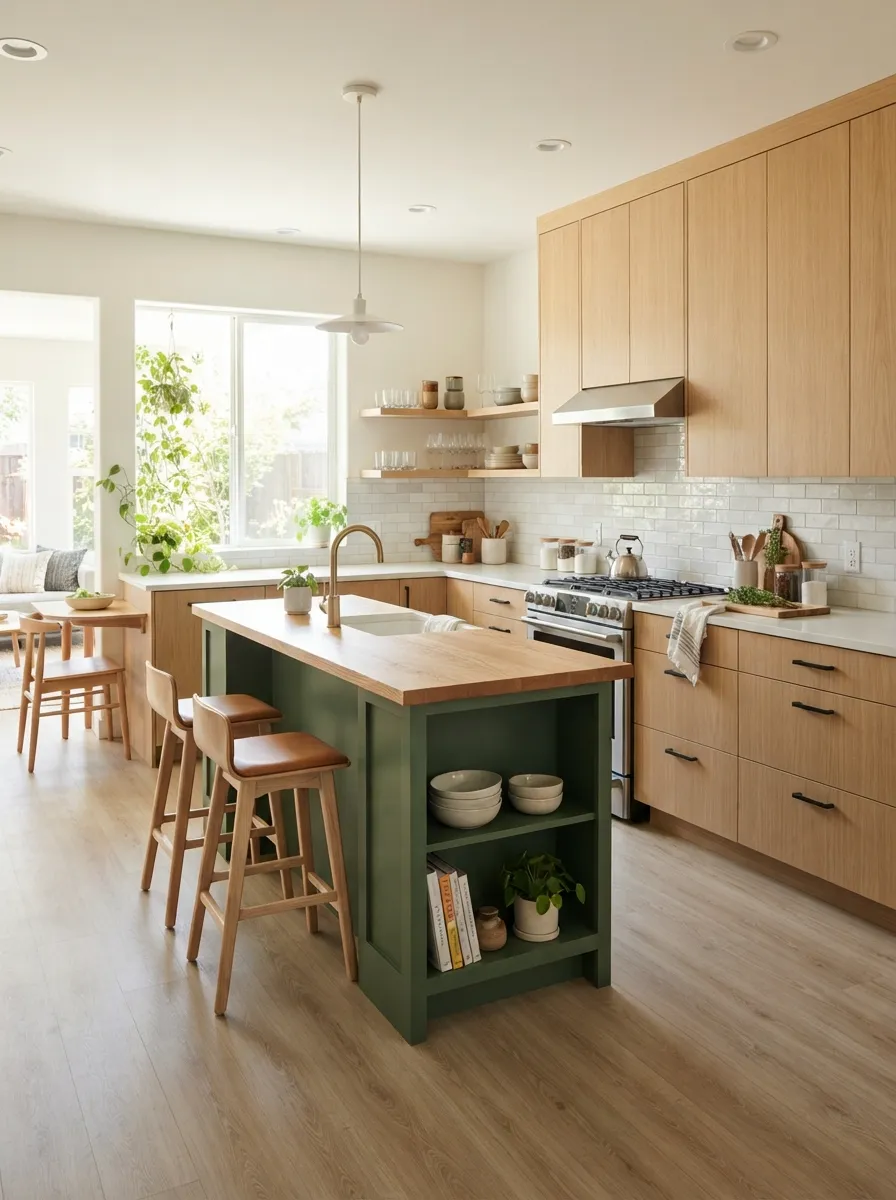
The Impact of Natural Light on Small Kitchen Design
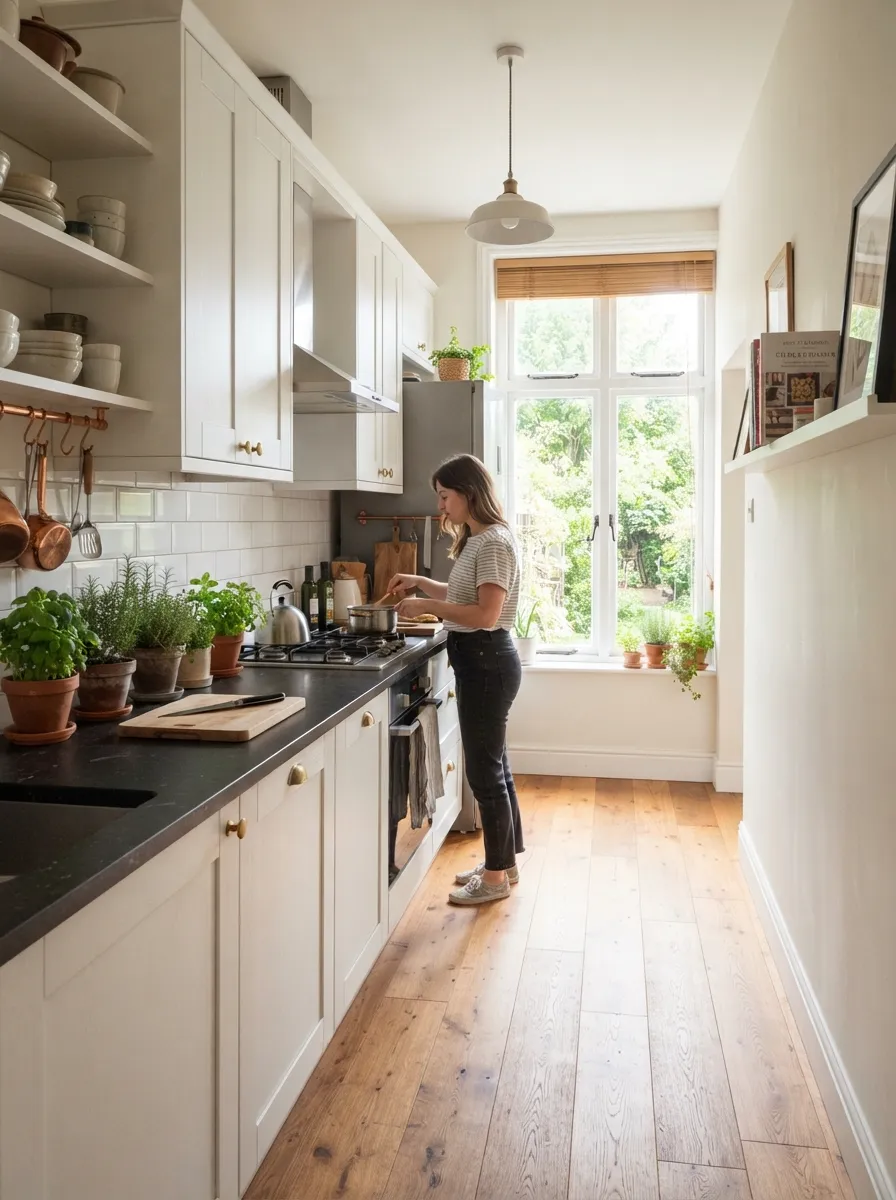
Natural light does more for a small kitchen than almost any other design choice — it makes colors read truer, reduces the need for artificial lighting during the day, and visually expands a room in a way paint or layout alone can’t fully replicate. How you treat existing windows, and how you compensate where light is limited, shapes the whole feel of the space.
Quick Takeaways
- Sheer or minimal window treatments let in the most usable daylight.
- Reflective surfaces (glossy tile, light countertops) bounce natural light further into the room.
- A single well-placed window can noticeably reduce daytime need for artificial lighting.
- Light-colored walls and cabinets amplify whatever natural light is available.
- Kitchens with limited light benefit most from layered artificial lighting to compensate.
Table of Contents
1. Window Treatments That Maximize Light
Sheer curtains, café curtains that cover only the lower half of the window, or a simple roller shade all preserve more daylight than heavy drapes or full blackout treatments. In a small kitchen, keeping the window as unobstructed as possible during the day has an outsized effect on how open the room feels.
2. Reflective Surfaces
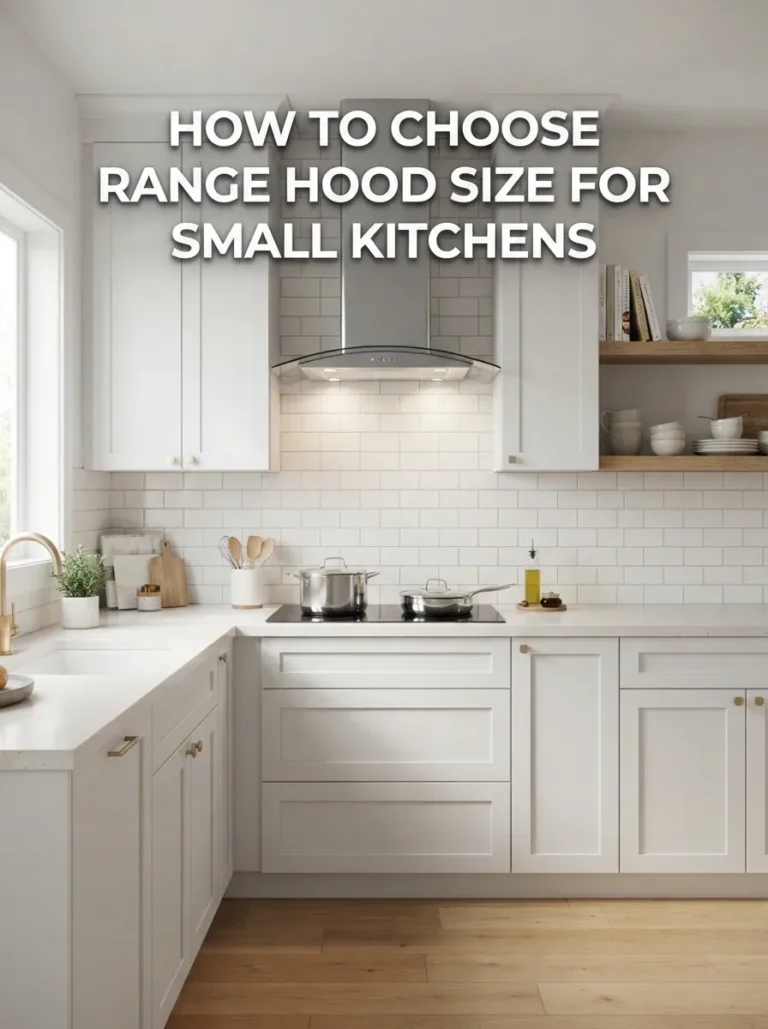
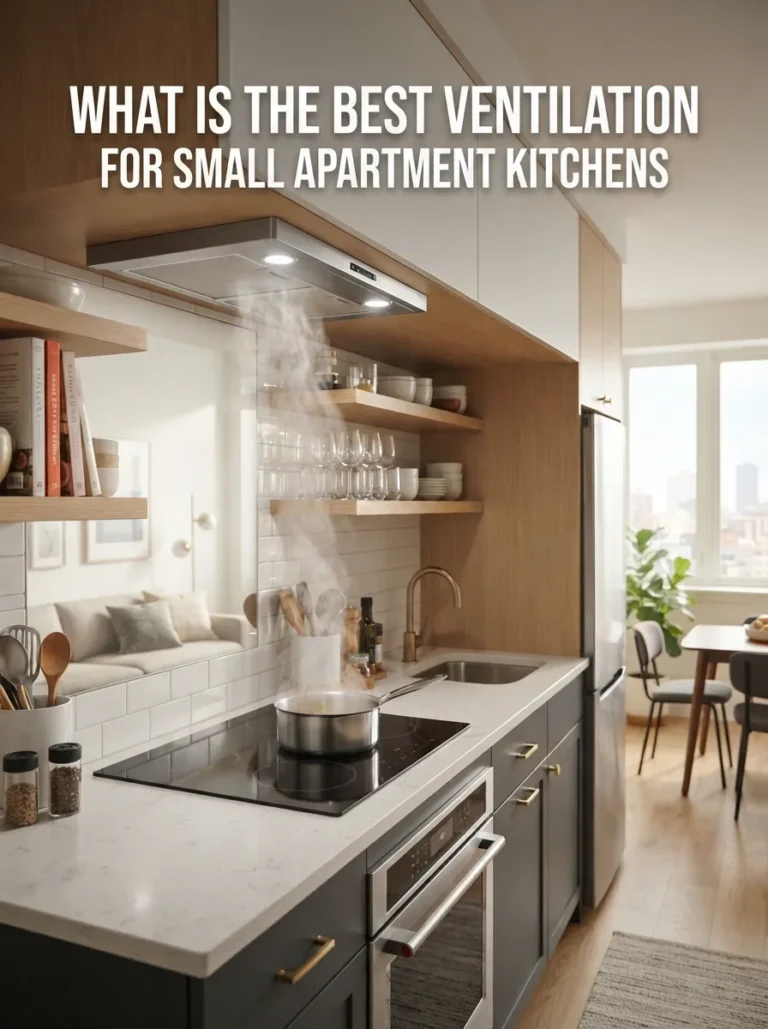
Glossy tile, light-colored quartz, and polished metal fixtures all bounce available light further into the room than matte or dark surfaces would. A mirrored or glass backsplash goes a step further, actively reflecting the window’s light across the wall — a genuinely effective trick in a kitchen where the window itself can’t be enlarged.
3. Color Choices That Amplify Light
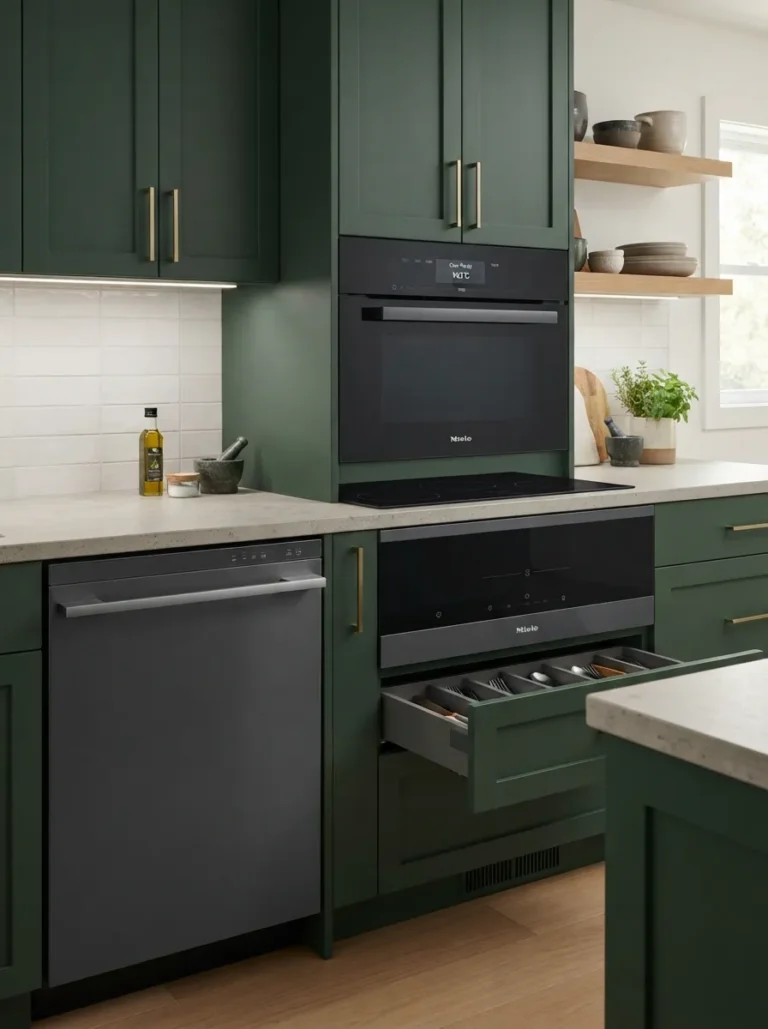
Light wall colors and cabinet finishes reflect more of the available daylight than dark ones, which matters more in a small kitchen with limited light sources to begin with. This doesn’t mean avoiding color entirely — a warm white or soft pastel still reflects light well while adding personality beyond stark white.
4. Working Around Fixed Window Placement
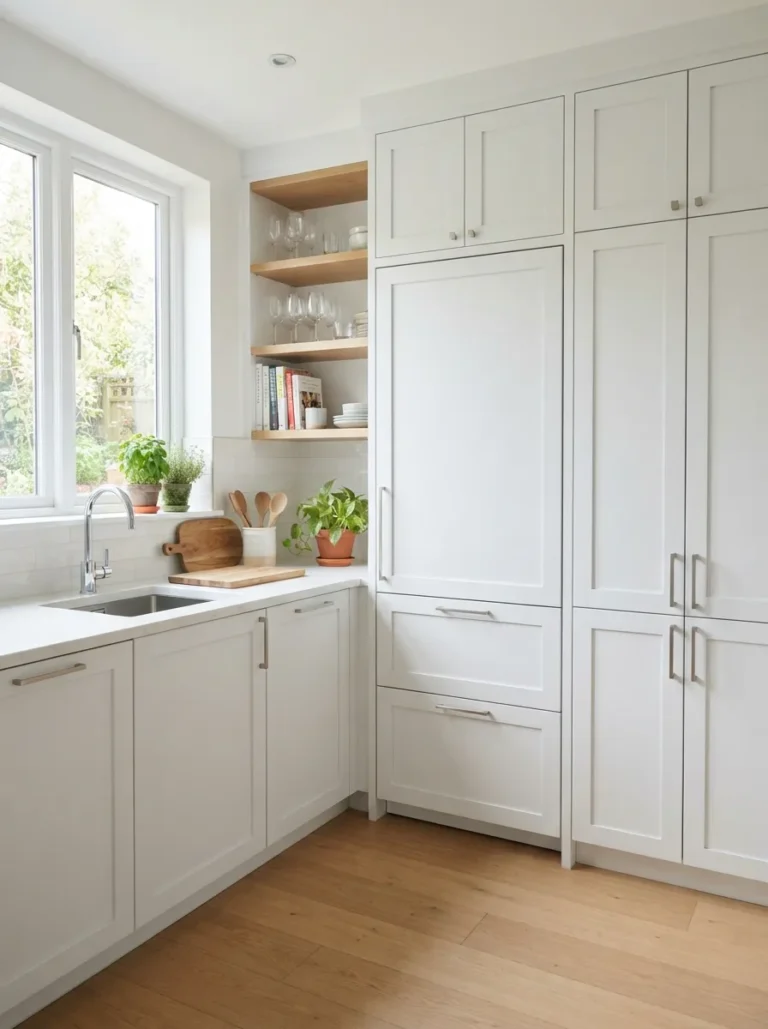
You can’t move a window, but you can plan your layout around it. Placing the sink under a window, where code and plumbing allow, puts natural light exactly where you’re likely to spend the most standing time. If the window falls elsewhere, orient open shelving or a small seating nook toward it instead.
5. Compensating for Limited Light
Interior or windowless kitchens can’t rely on daylight at all, so layered artificial lighting becomes essential — under-cabinet task lighting, ambient overhead fixtures, and warm-toned bulbs (2700-3000K) that mimic the quality of natural light as closely as possible. This won’t fully replace a real window, but it prevents the kitchen from feeling flat or clinical.
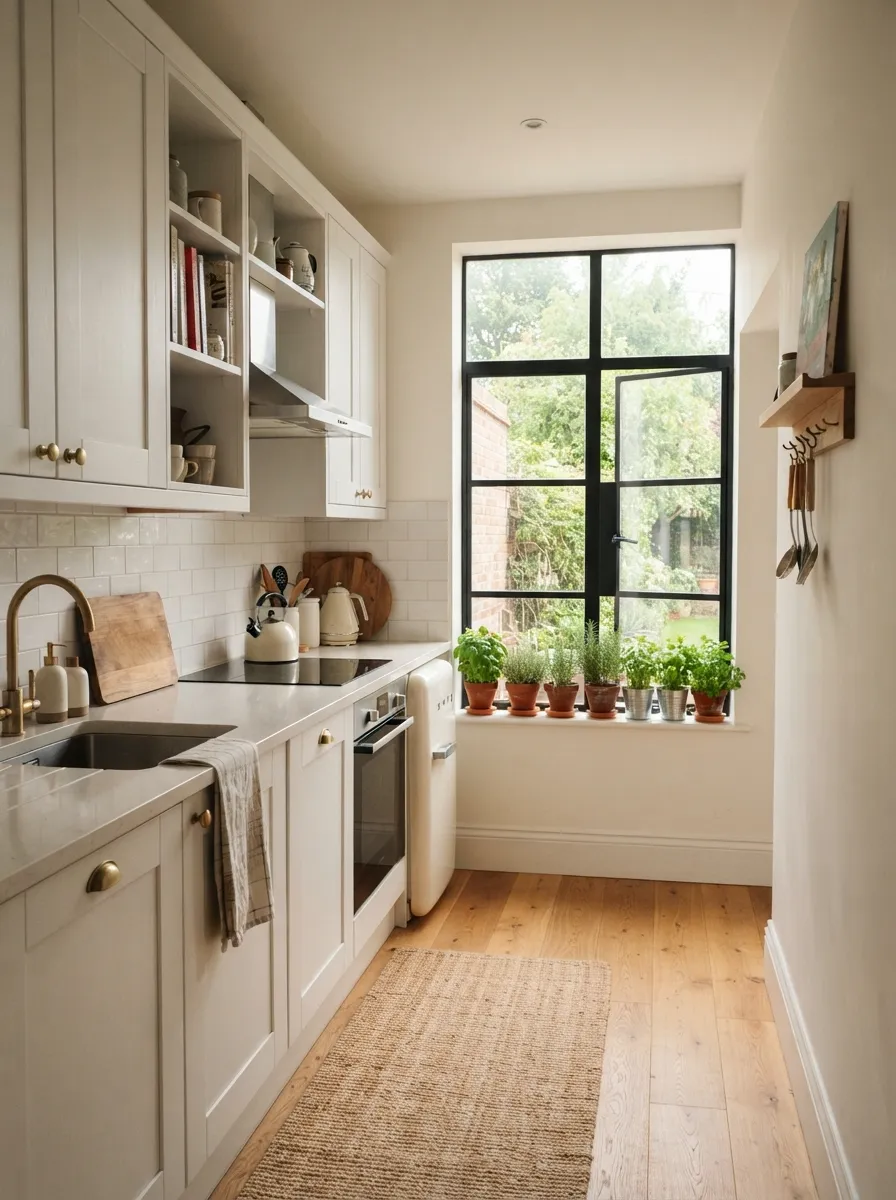
Even a single window brings meaningful natural light into a narrow kitchen.
A larger window dramatically expands how open a small kitchen feels.
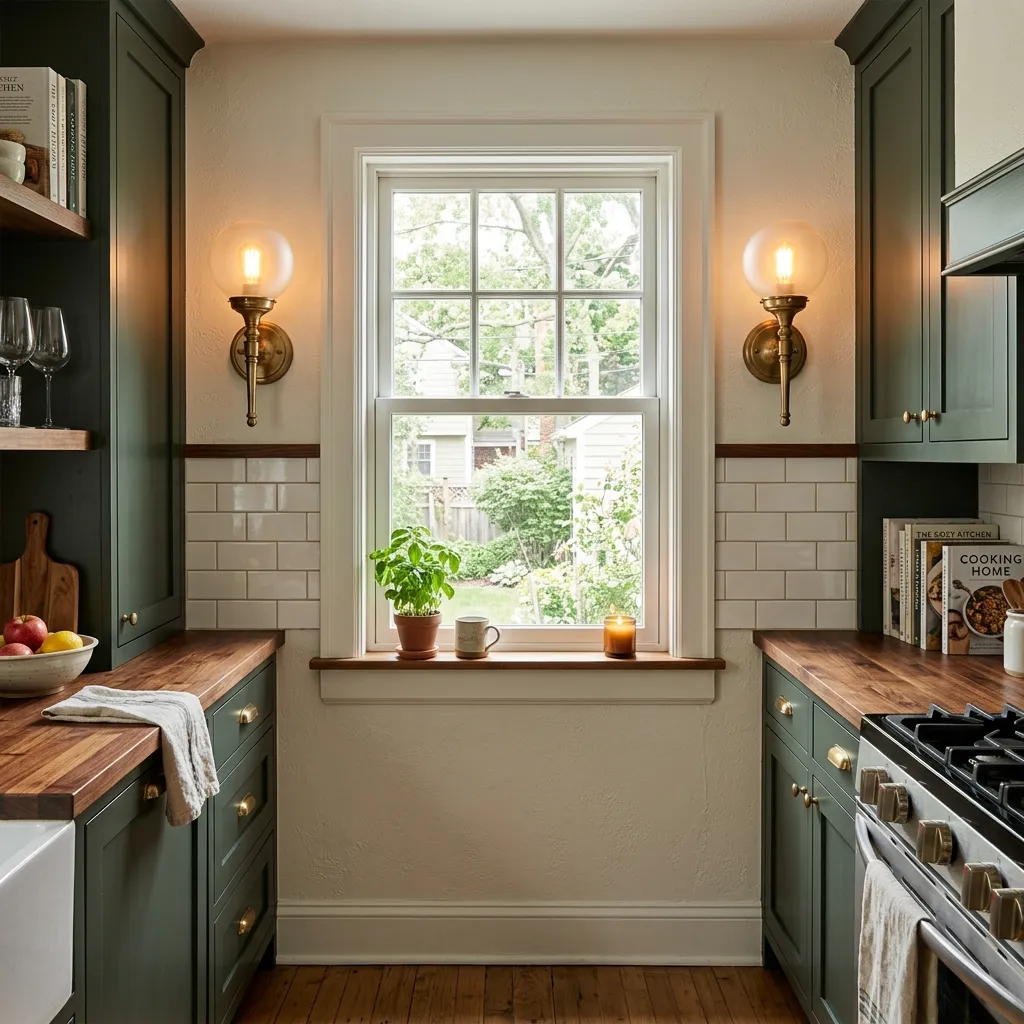
Sconces flanking a window supplement natural light after dark.
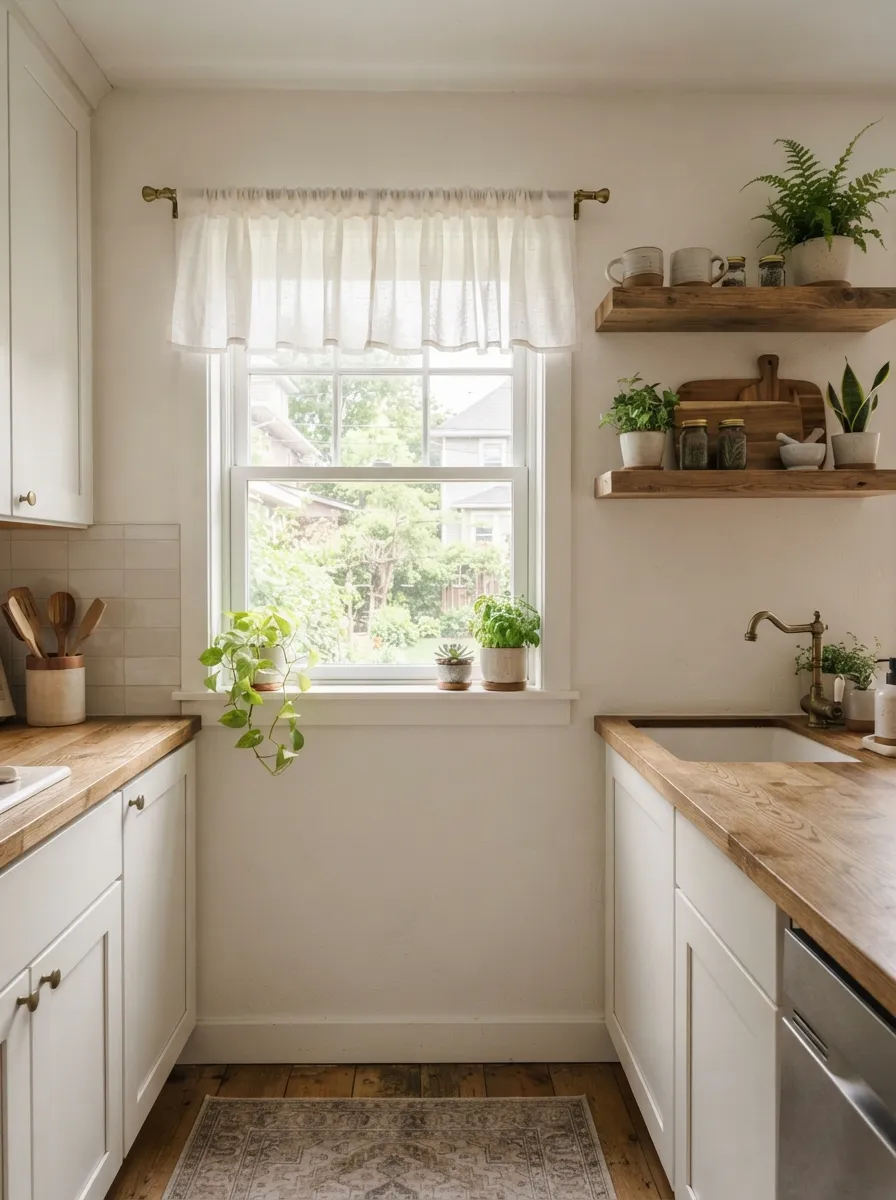
A light valance and plants make the most of a window without blocking light.
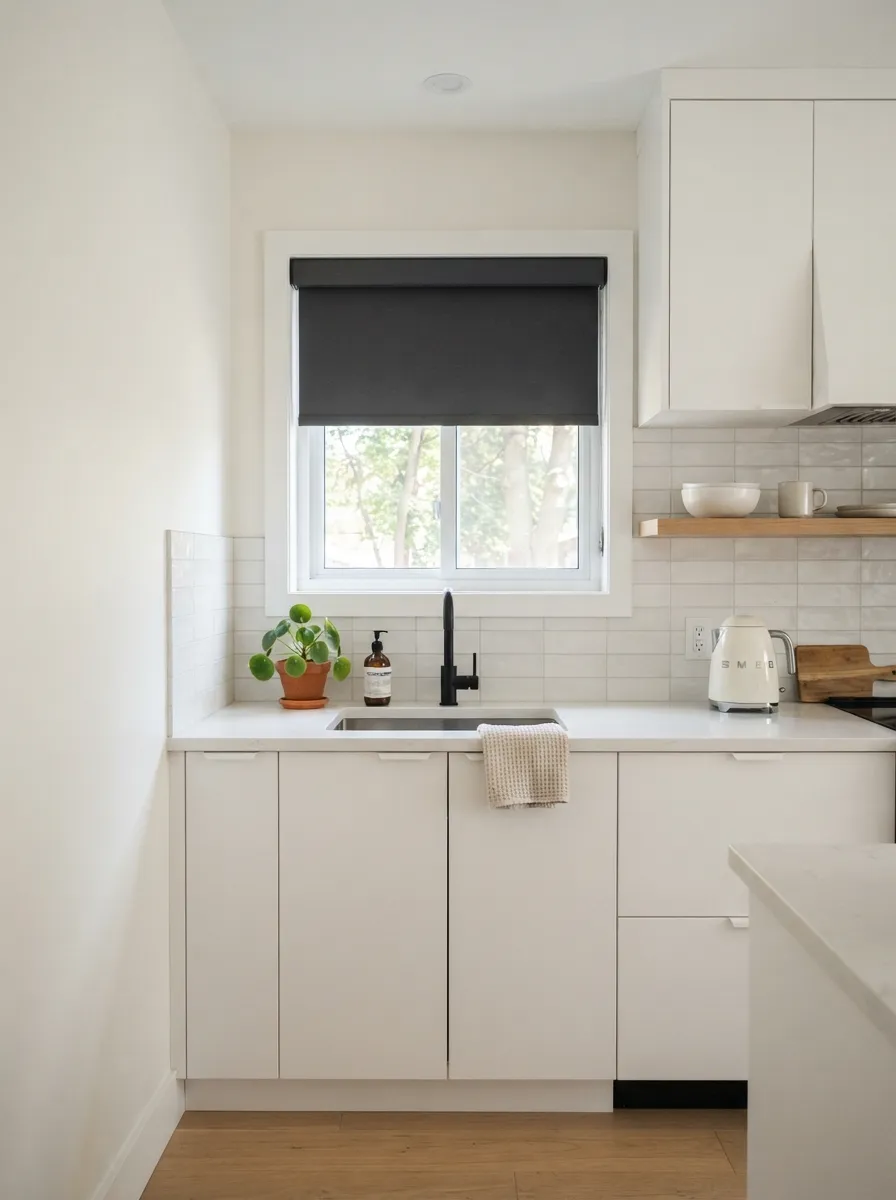
A simple roller shade preserves daylight while offering privacy control.
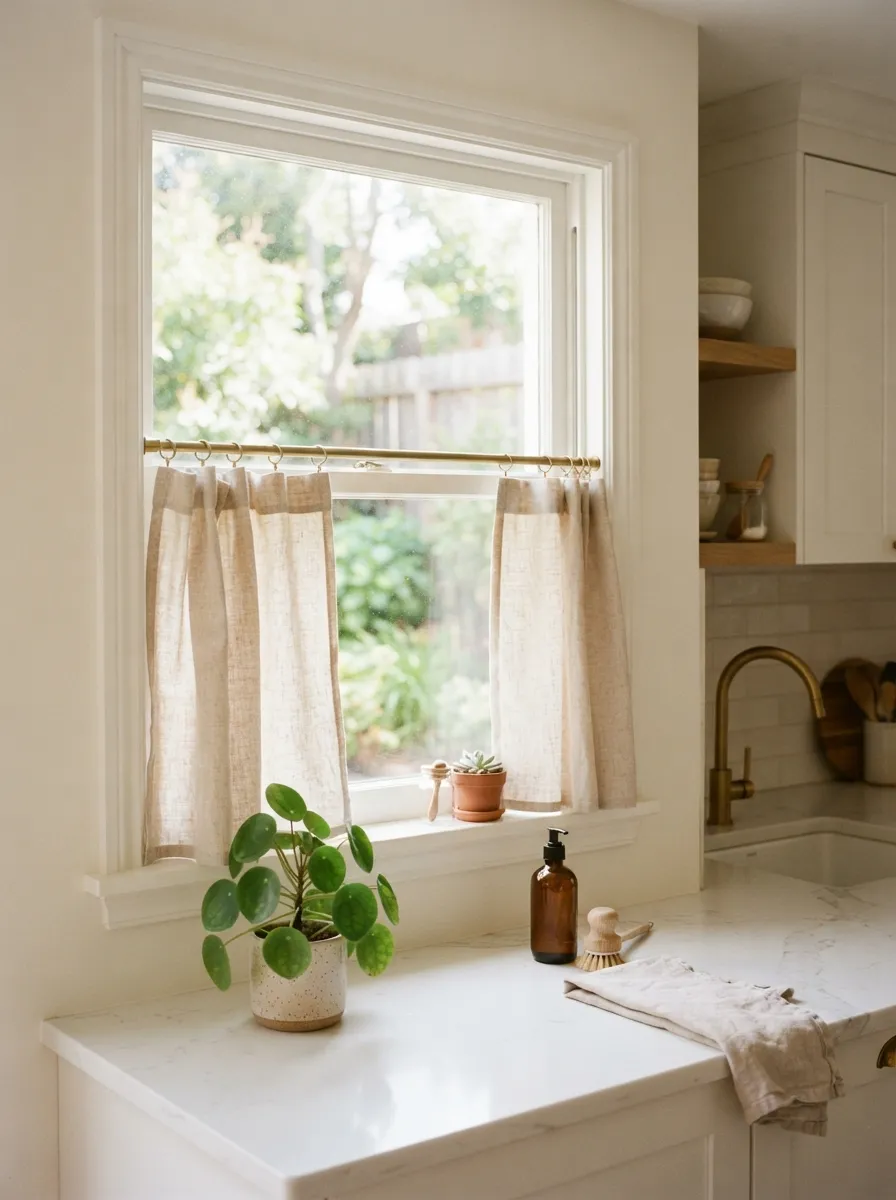
Café curtains cover the lower half of the window, keeping upper light unobstructed.
Frequently Asked Questions
Does natural light really make a kitchen feel bigger?
Yes, natural light visually expands a room and makes colors read more accurately than artificial lighting alone.
What window treatment lets in the most light?
Sheer curtains, a simple roller shade, or café curtains covering only the lower half of the window all preserve the most daylight.
Can reflective surfaces really make a difference?
Yes, glossy tile, light countertops, and a mirrored backsplash all bounce available light further into the room.
What should I do if my kitchen has no windows at all?
Layer artificial lighting with warm-toned bulbs (2700-3000K) to mimic natural light as closely as possible, since it can’t be fully replaced.
Should the sink go under the window if possible?
Where plumbing and code allow, yes — it puts natural light where you’re likely to spend the most standing time.
Do dark cabinet colors block natural light?
Dark colors don’t block light directly, but they reflect less of it than light colors, which matters more in a kitchen with limited natural light.
Related Pages
Making the Most of Your Light?
Start with your window treatment — it’s the lowest-cost way to let in more daylight immediately. Browse our interior design guide for more inspiration.