30 Small Kitchen Window Styles for Natural Light
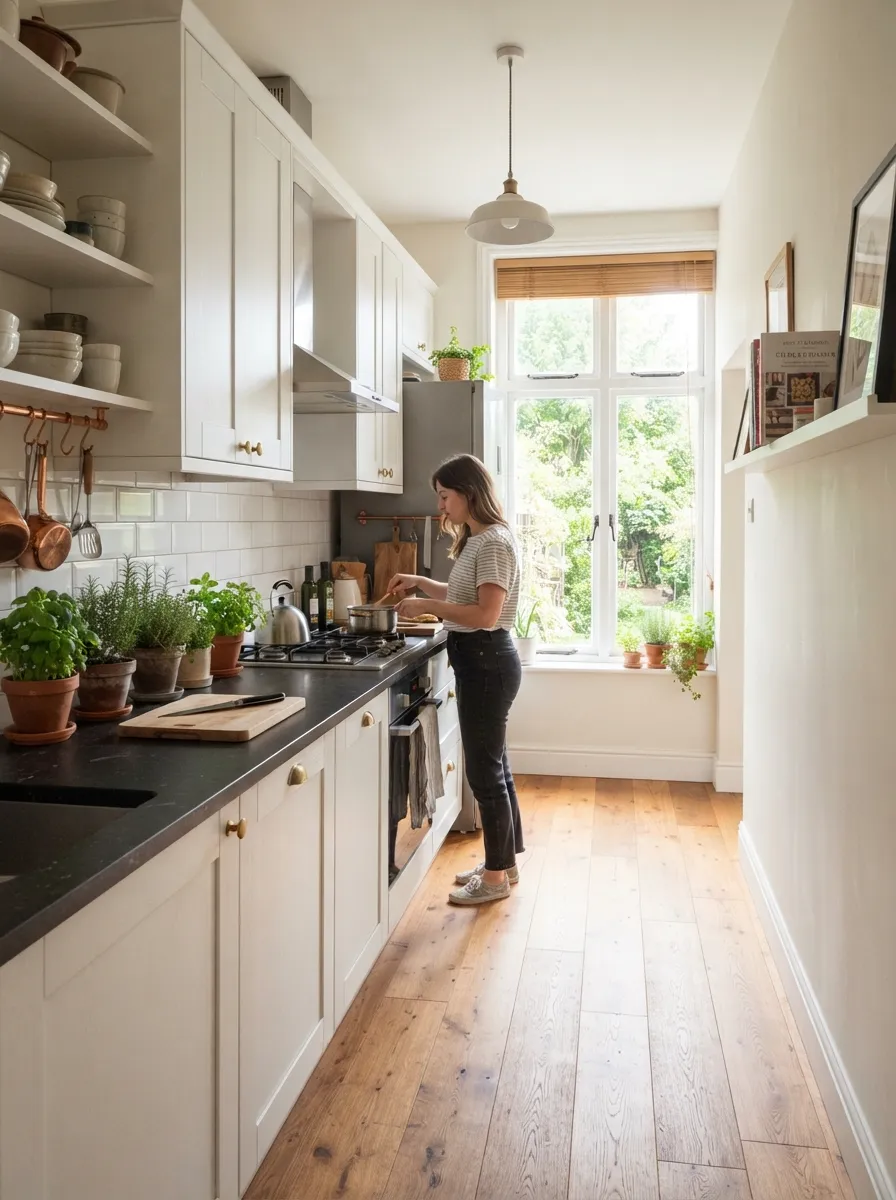
Natural light does more to make a small kitchen feel open than almost any finish choice, and the right window style multiplies that effect well beyond the glass itself. These 30 small kitchen window styles cover window types, placement strategies, treatments, and glazing options, all aimed at pulling as much daylight as possible into a compact room.
☀️ Quick Takeaways
- Casement and awning windows open wider than double-hung styles, moving more air alongside more light.
- A window extended higher or wider often does more for daylight than adding a second smaller window.
- Sheer or café-style treatments let in far more light than heavy drapery while keeping counter-level privacy.
- Frosted or reeded glass adds privacy on a side window without sacrificing daylight.
- A well-placed mirror opposite any window style effectively doubles the perceived daylight.
In This Post
1. Window Types & Shapes (1-8)
The window type itself sets the baseline for how much light and airflow a small kitchen gets, before any treatment or placement decision comes into play.
- 1. Casement window. Opens fully outward on a hinge, providing maximum airflow and an unobstructed glass area for light.
- 2. Awning window. Hinged at the top and opening outward, this style works well above a sink since it can stay open even in light rain.
- 3. Double-hung window. A classic style that opens from both top and bottom, offering flexible ventilation in a traditional frame.
- 4. Sliding window. Glides horizontally, ideal for a wide, short opening above a counter where swing clearance isn’t available.
- 5. Fixed picture window. A large, non-opening pane maximizes glass area and light without any hardware interrupting the view.
- 6. Garden window. A small bump-out window with shelves creates a mini greenhouse effect, perfect for a windowsill herb garden.
- 7. Corner window. Two panes meeting at a 90-degree corner bring light in from two directions at once.
- 8. Bay or bow window. An angled multi-pane configuration extends the kitchen’s footprint slightly while flooding the space with light.
2. Placement & Architectural Options (9-16)
Where a window sits, not just its type, changes how much usable daylight actually reaches the counter and work zones.
- 9. Extend an existing window taller. Raising the header height brings in noticeably more light without changing the window’s width.
- 10. Widen a window horizontally across a full counter run rather than centering a narrower one.
- 11. Add a skylight over a kitchen with no exterior wall, especially effective in an interior galley layout.
- 12. A transom window above upper cabinets adds a narrow strip of extra light without competing for cabinet wall space.
- 13. A window seat with an oversized window combines a dining nook with a major light source in one architectural move.
- 14. Replace a solid door with a glass-paned door leading to a patio or yard, doubling as an additional light source.
- 15. A window positioned above open shelving rather than cabinets lets light bounce further into the room.
- 16. A pass-through window to an adjacent dining or outdoor space adds light while also serving a function.
3. Treatments That Maximize Light (17-22)
Even the best window style loses much of its benefit behind heavy, light-blocking treatments.
- 17. Sheer linen panels. Filter harsh direct sun while still allowing most ambient light through.
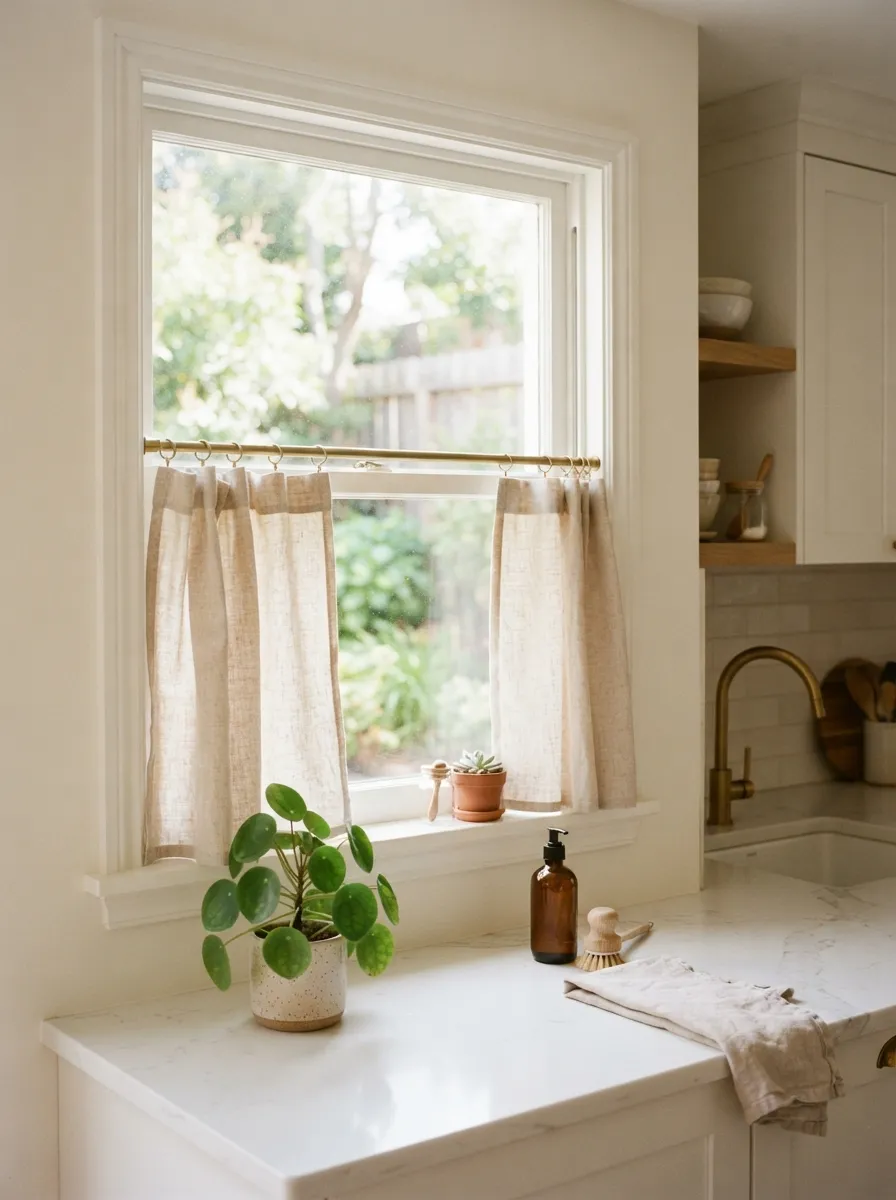
- 18. Café curtains. Covering only the lower half of the window maintains privacy at counter height while leaving the top open to light.
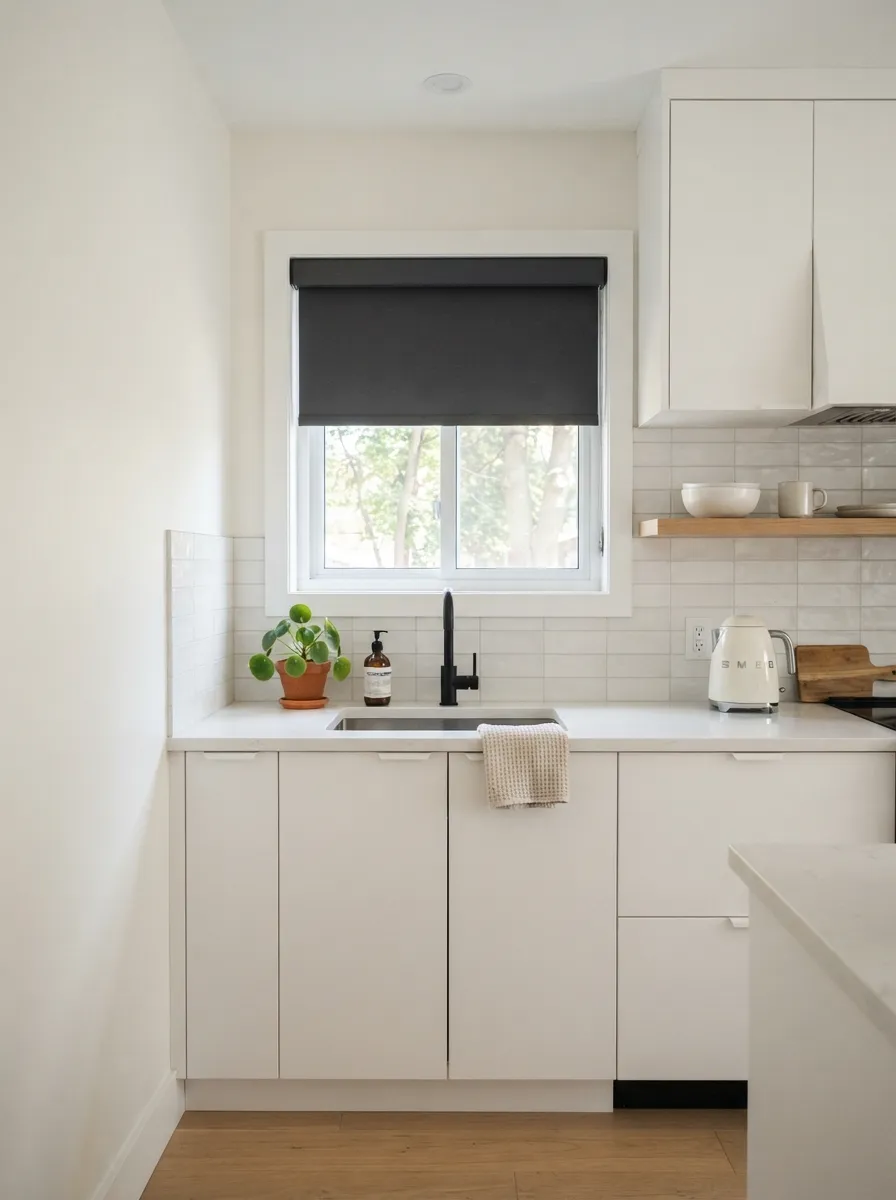
- 19. Roller shades in a light fabric. A clean, minimal option that raises fully out of the way when full light is wanted.
- 20. Bamboo or woven shades. Add texture while still diffusing rather than blocking light when partially lowered.
- 21. No treatment at all. If privacy isn’t a concern, an uncovered window maximizes light completely.
- 22. Top-down, bottom-up shades. Adjust to cover only the lower half for privacy while leaving the top open to light at all times.
4. Glass & Glazing Options (23-27)
Glass type affects both light quality and privacy, which matters especially on a kitchen window facing a neighboring property or a busy street.
- 23. Clear glass. Maximizes light transmission and visual connection to the outdoors where privacy isn’t a concern.
- 24. Frosted glass. Diffuses light evenly while obscuring direct sightlines, ideal for a side window facing a neighbor.
- 25. Reeded or fluted glass. A textured, ridged pattern adds a decorative element while still passing plenty of light through.
- 26. Low-E glass. Reduces heat transfer without significantly reducing visible light, useful for a west-facing window that gets intense afternoon sun.
- 27. Tinted or reflective glass. Reduces glare and heat gain on a particularly sun-exposed window, at some cost to raw light transmission.
5. Choosing the Right Style for Your Kitchen (28-30)
The best window style depends on your kitchen’s orientation, existing structure, and how much you’re able to change architecturally.
- 28. For a north-facing kitchen with naturally softer light, prioritize maximizing glass area over glare-reducing treatments.
- 29. For a south- or west-facing kitchen with strong direct sun, pair a larger window with Low-E glass and sheer treatments to manage heat and glare.
- 30. For a rental or budget-limited kitchen, treatments and glazing film offer meaningful light improvements without any structural window changes.
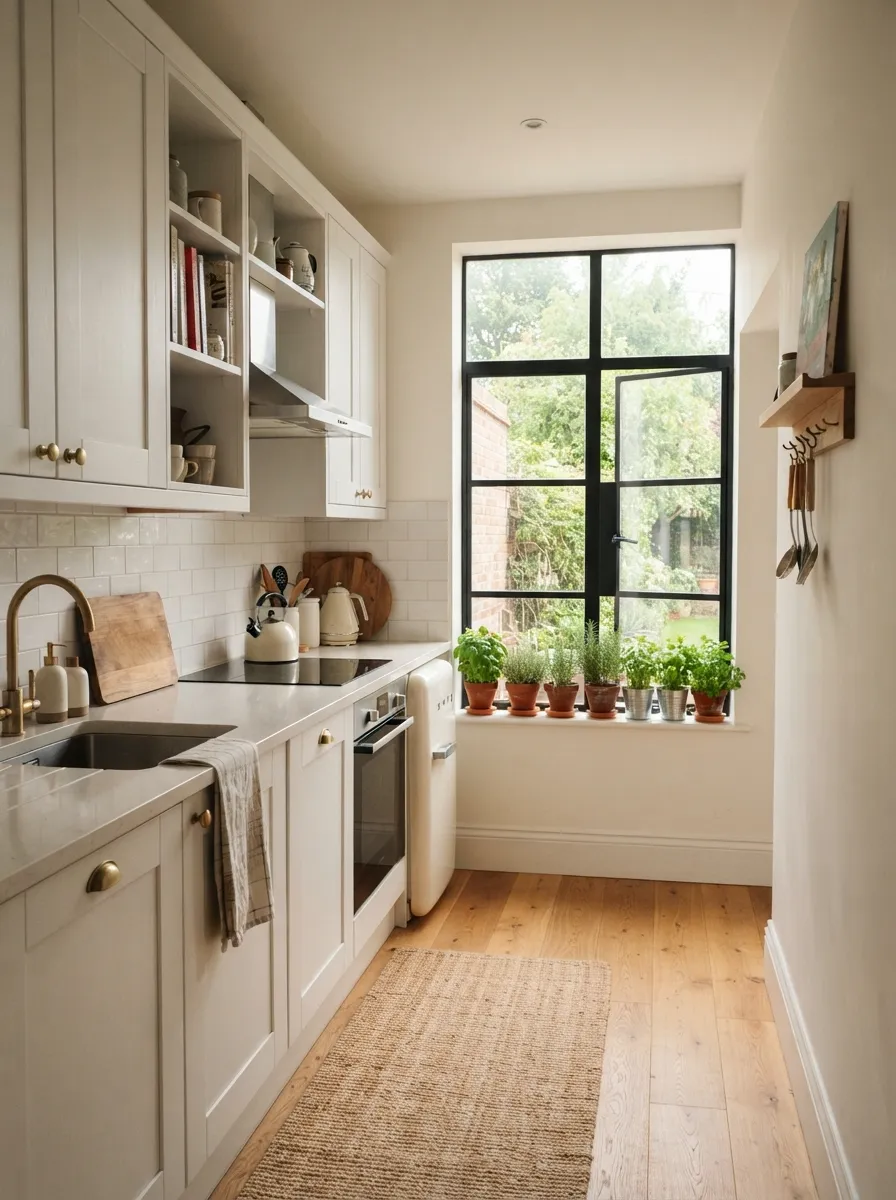
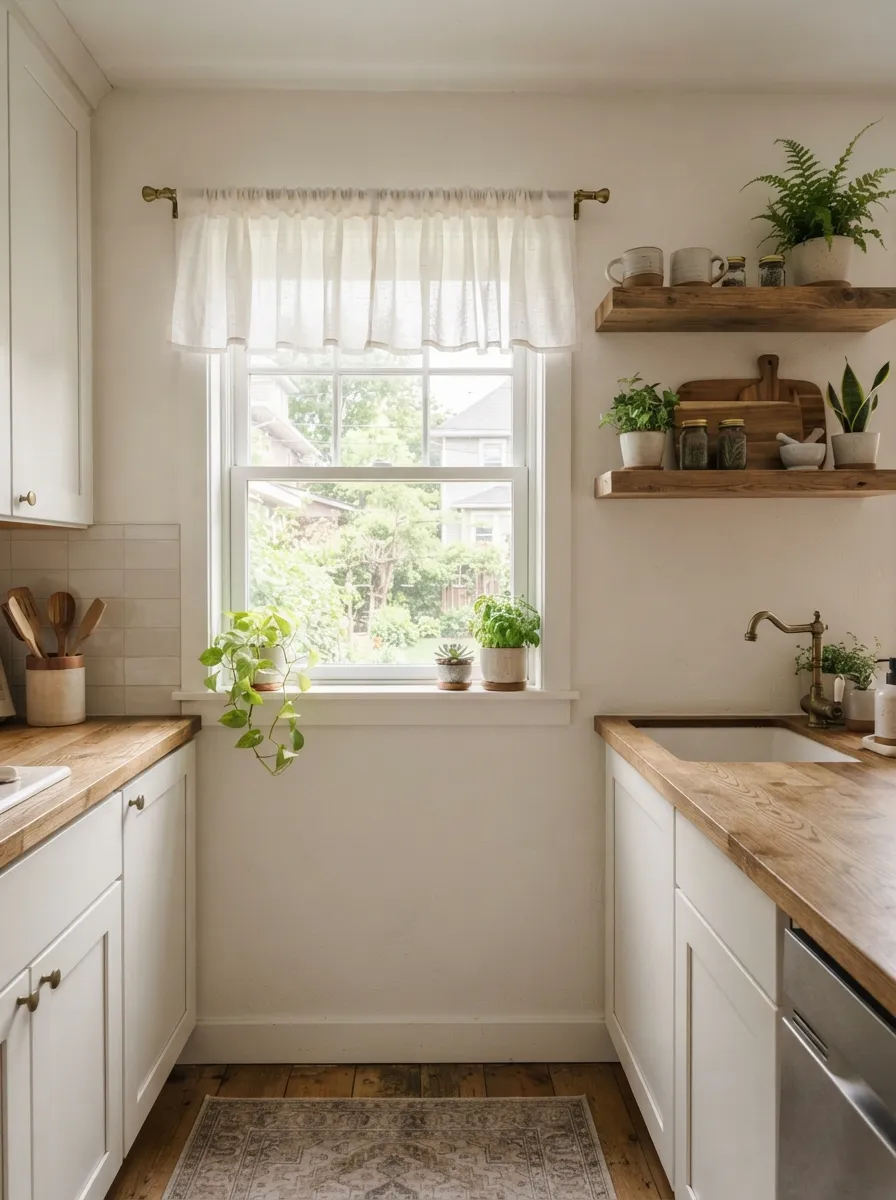
Window Style Gallery
Frequently Asked Questions
What window style lets in the most natural light for a small kitchen?
A fixed picture window or an extended-height casement window typically lets in the most light, since there’s no frame or sash overlap blocking glass area.
What is a garden window and is it good for a small kitchen?
A garden window is a small bump-out window with shelves, ideal above a sink for both extra daylight and a built-in spot for a windowsill herb garden.
Do I need a permit to add a skylight to a small kitchen?
Typically yes, since a skylight involves a structural roof opening, so it should be reviewed by a contractor and permitted through your local building department.
What window treatment blocks the least light?
Sheer linen panels or top-down, bottom-up shades block the least light while still offering some privacy control.
Should I choose frosted glass for a kitchen window facing a neighbor?
Yes, frosted or reeded glass diffuses light evenly while obscuring direct sightlines, which works well for a side window with limited privacy.
Can I improve natural light without replacing my kitchen window?
Yes, switching to lighter treatments, adding a mirror opposite the window, or applying a light-enhancing glazing film can all improve daylight without structural changes.
Related Pages
Let the Light Do the Work
The right window style, placement, and treatment combination can make a small kitchen feel significantly larger without a single square foot of added floor space. Start with your kitchen’s orientation and existing window, then layer in the lightest treatment your privacy needs allow — the daylight will do most of the visual heavy lifting from there.
For more ways to bring natural elements into your kitchen, see our Biophilic Design Principles guide next.