Energy-Efficient Appliances for Small Kitchen Design
Energy-efficient appliances for small kitchen design go beyond ENERGY STAR refrigerators — compact, right-sized appliances naturally use less energy than oversized ones, and LED lighting plus smart controls can cut a kitchen’s electricity use significantly without changing how you cook. In a small footprint, choosing efficient appliances also tends to mean choosing better-fitting ones, since compact models are built for smaller spaces to begin with.
Quick Takeaways
- ENERGY STAR-certified refrigerators use about 9% less energy than standard models.
- A right-sized appliance is inherently more efficient than an oversized one for a small kitchen.
- LED under-cabinet and recessed lighting use roughly 75% less energy than incandescent.
- Induction cooktops heat faster and waste less energy than standard electric coils.
- Smart plugs and lighting controls prevent energy waste from appliances left running.
Table of Contents
1. Right-Size Before You Look at Ratings
Before comparing energy ratings, make sure you’re shopping the right size category. A large refrigerator, even an efficient one, uses more energy than a compact model doing the same job for a smaller household. In a small kitchen, right-sizing naturally pushes you toward more efficient choices simply because compact appliances use less energy to run.
2. Efficient Appliance Picks
Look for the ENERGY STAR label on refrigerators, dishwashers, and microwaves — certified models typically use about 9-12% less energy than the federal minimum standard. Counter-depth and compact refrigerator lines are common choices for small kitchens and often carry ENERGY STAR certification alongside their smaller footprint.
3. LED Lighting Savings
LED under-cabinet and recessed lighting use roughly 75% less energy than incandescent bulbs and last significantly longer, which matters in a small kitchen where lighting often runs for hours during meal prep. Switching existing fixtures to LED is one of the lowest-cost, highest-impact efficiency upgrades available.
4. Efficient Cooktops & Ranges
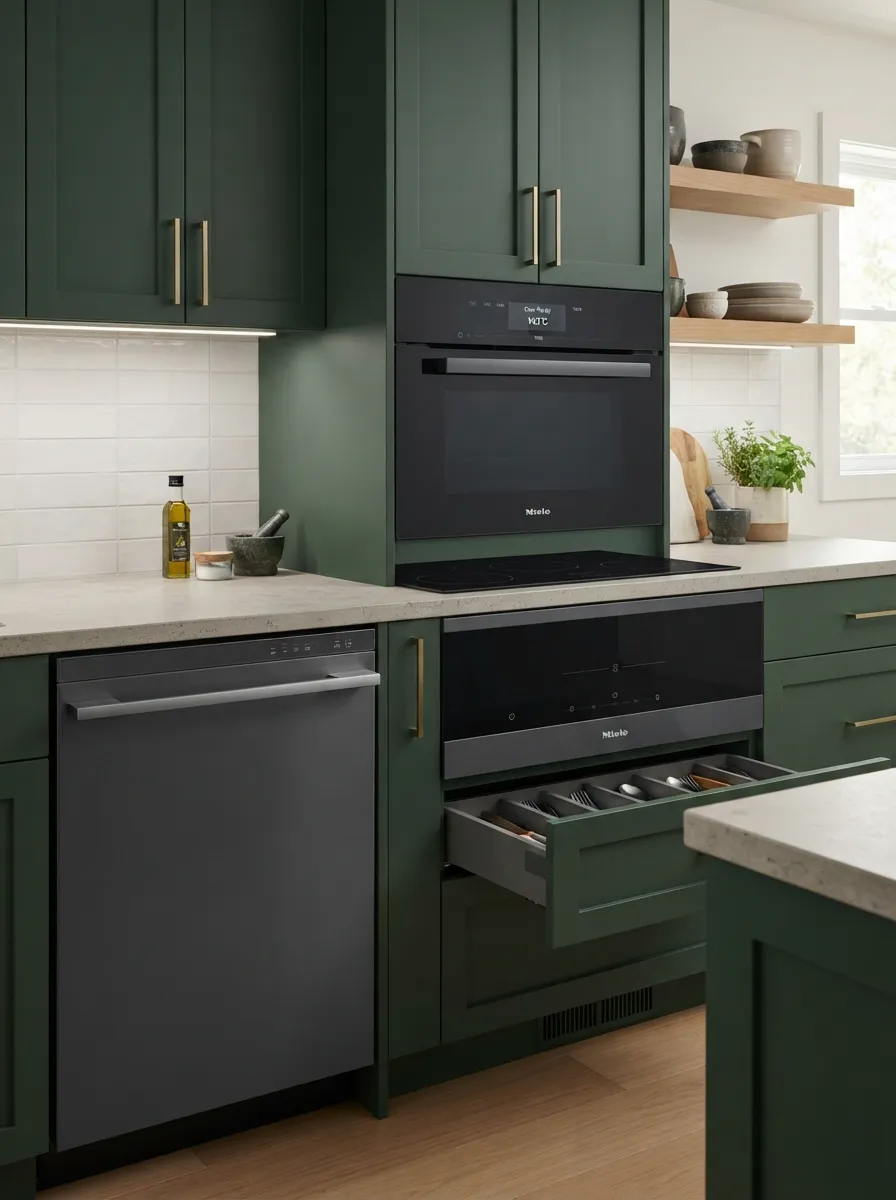
Induction cooktops transfer heat directly to the pan rather than heating a coil or burner first, making them notably more efficient than standard electric ranges and often faster to boil water. They also cool down quickly once turned off, reducing residual heat that a small kitchen otherwise has to dissipate.
5. Smart Controls
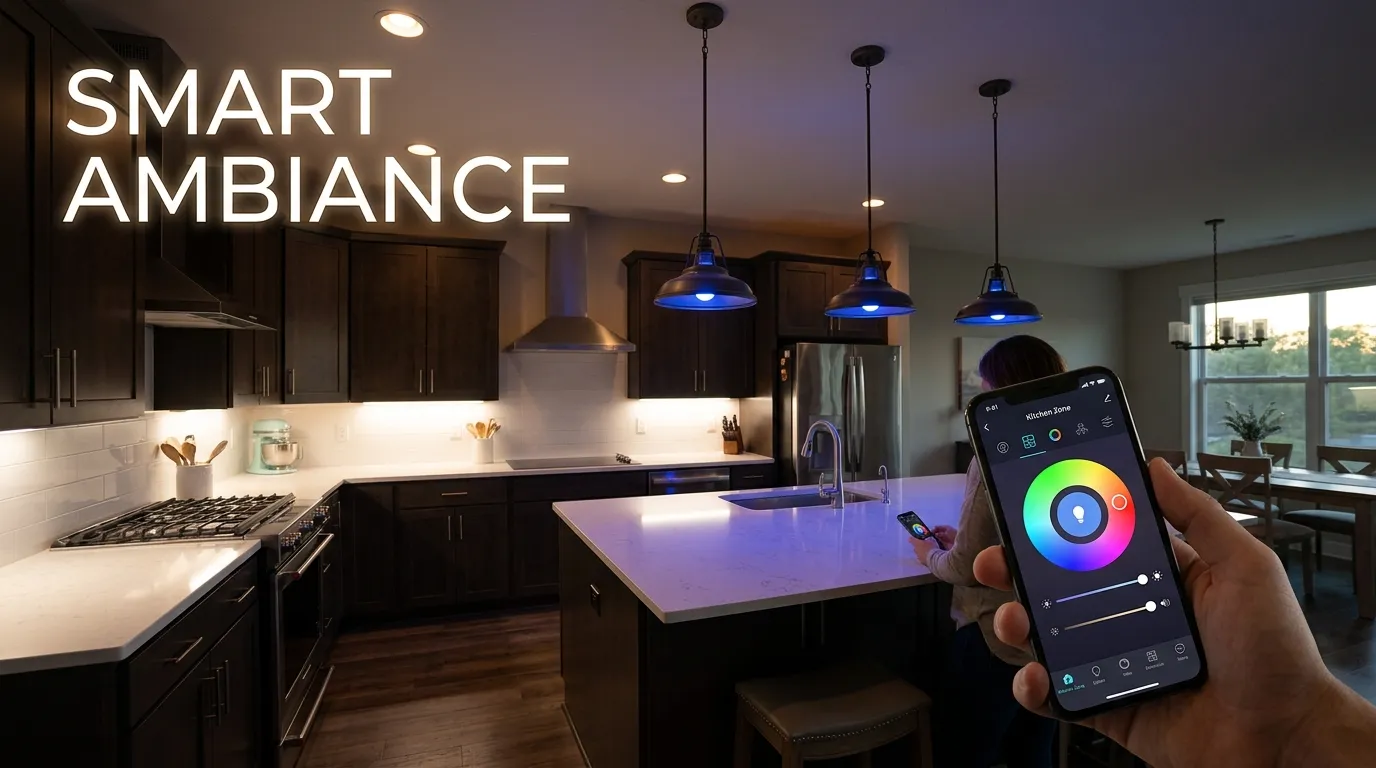
Smart plugs, timers, and app-controlled lighting help prevent the energy waste that comes from appliances or lights left running unnecessarily. In a small kitchen, a smart outlet on a coffee maker or a scheduled light timer is a low-effort way to trim daily energy use without changing your routine.
Smart lighting controls help prevent energy waste in a small kitchen.
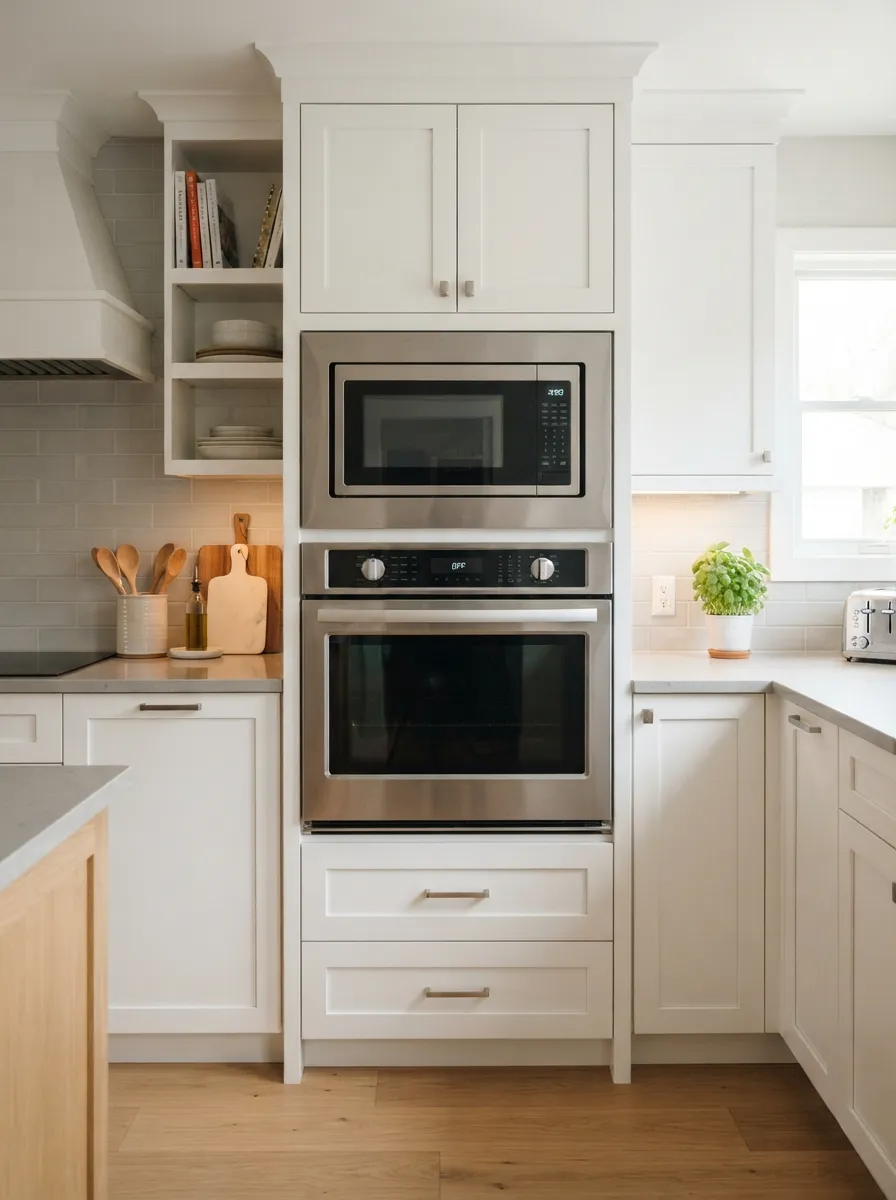
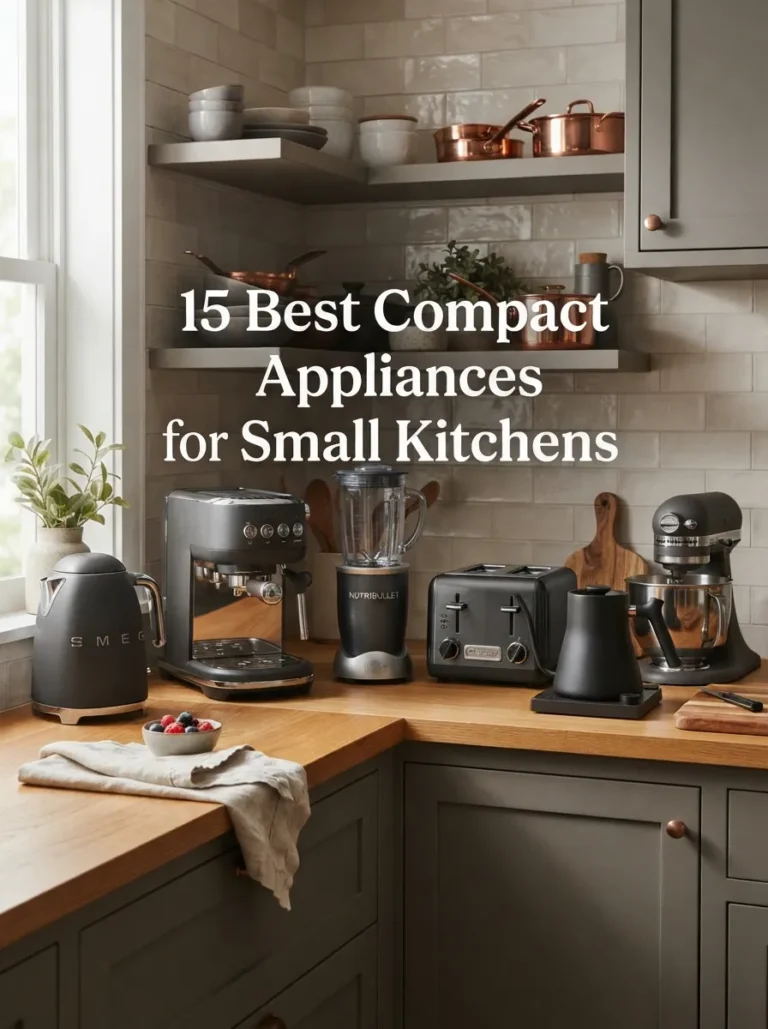
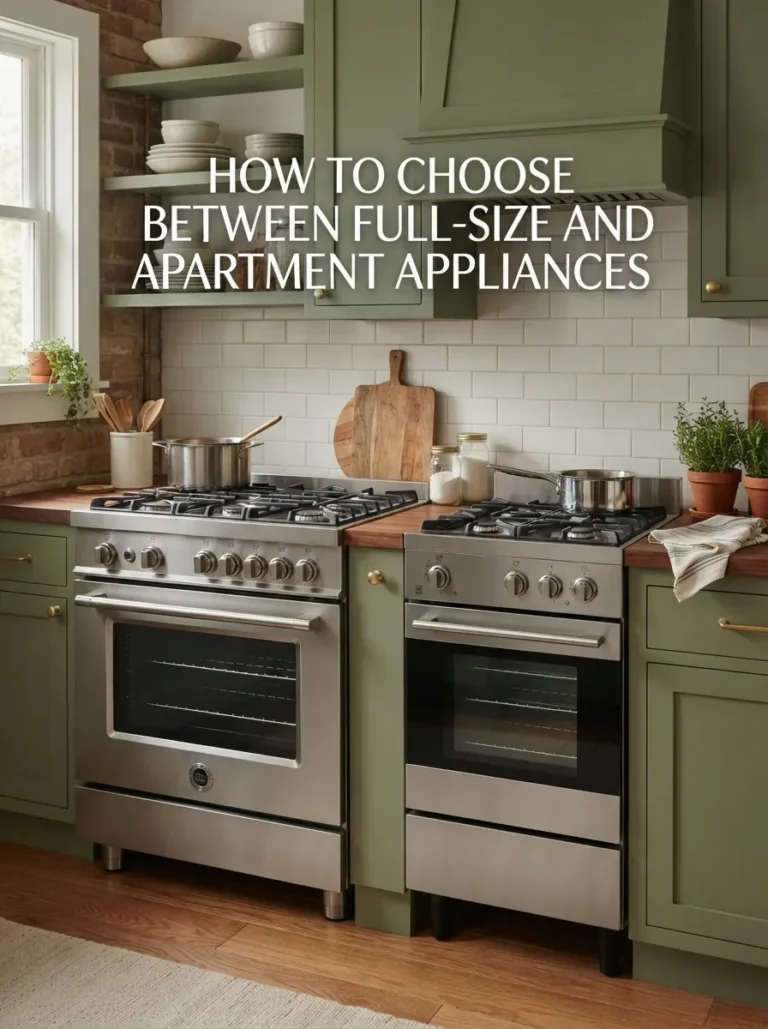
Compact, right-sized appliances naturally use less energy to operate.
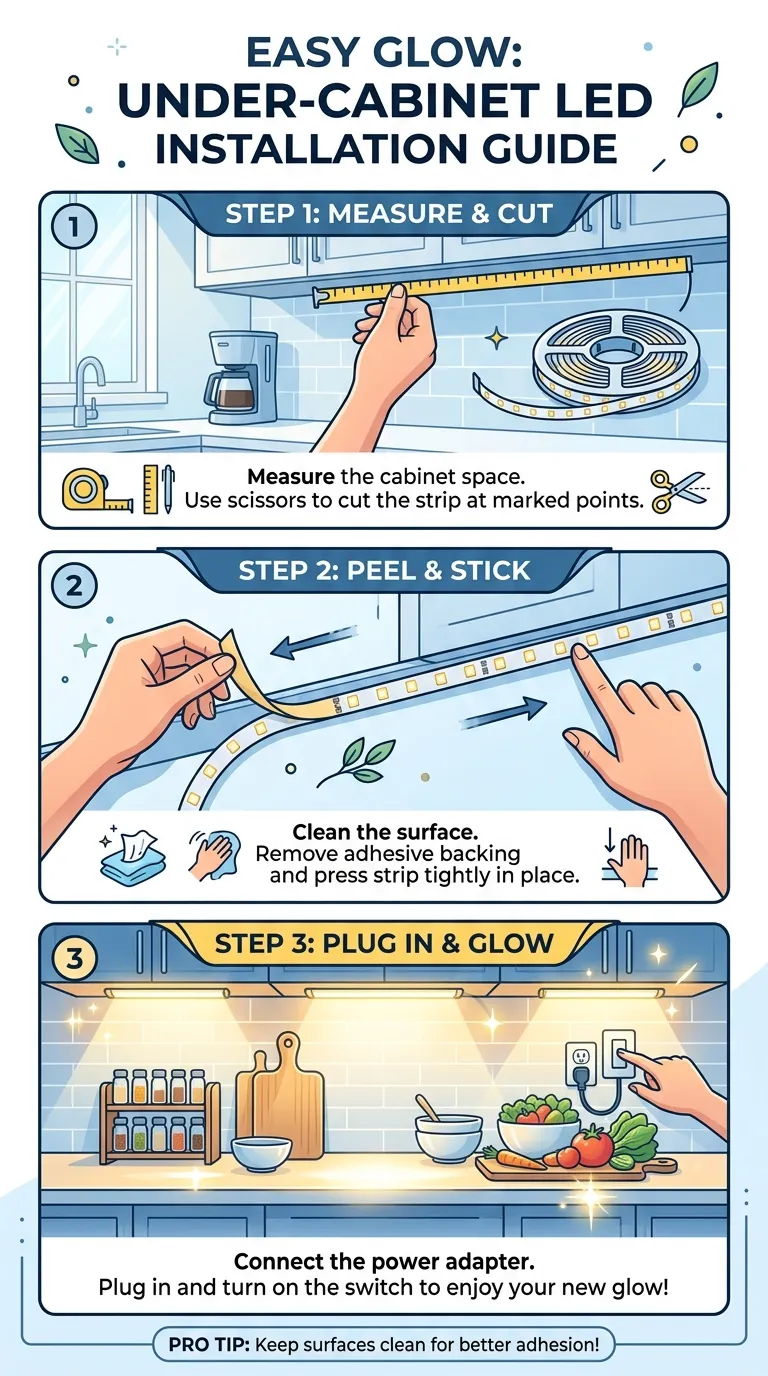
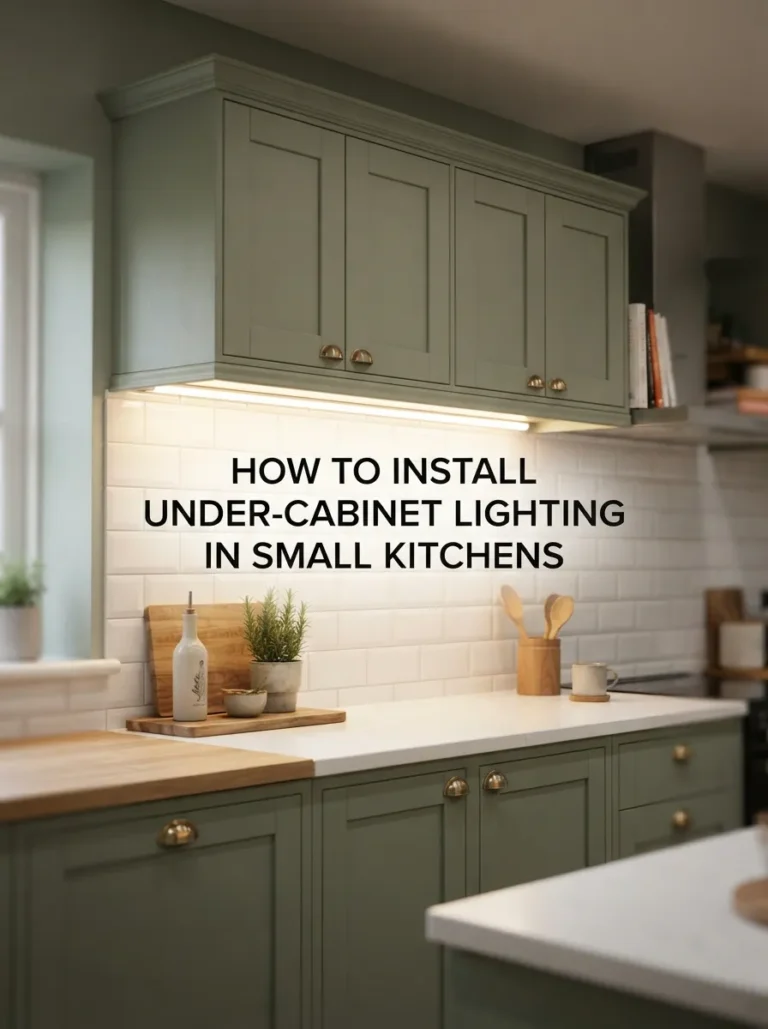
LED under-cabinet lighting uses about 75% less energy than incandescent.
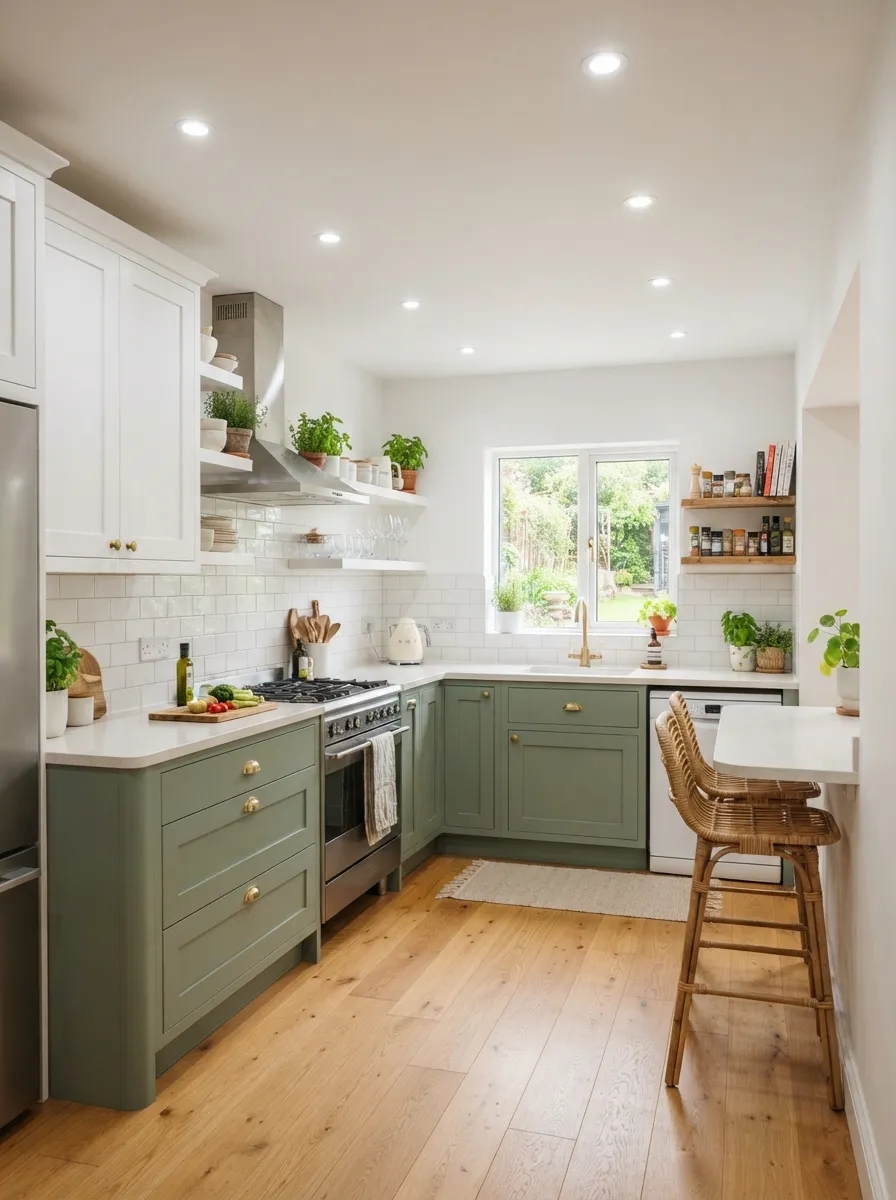
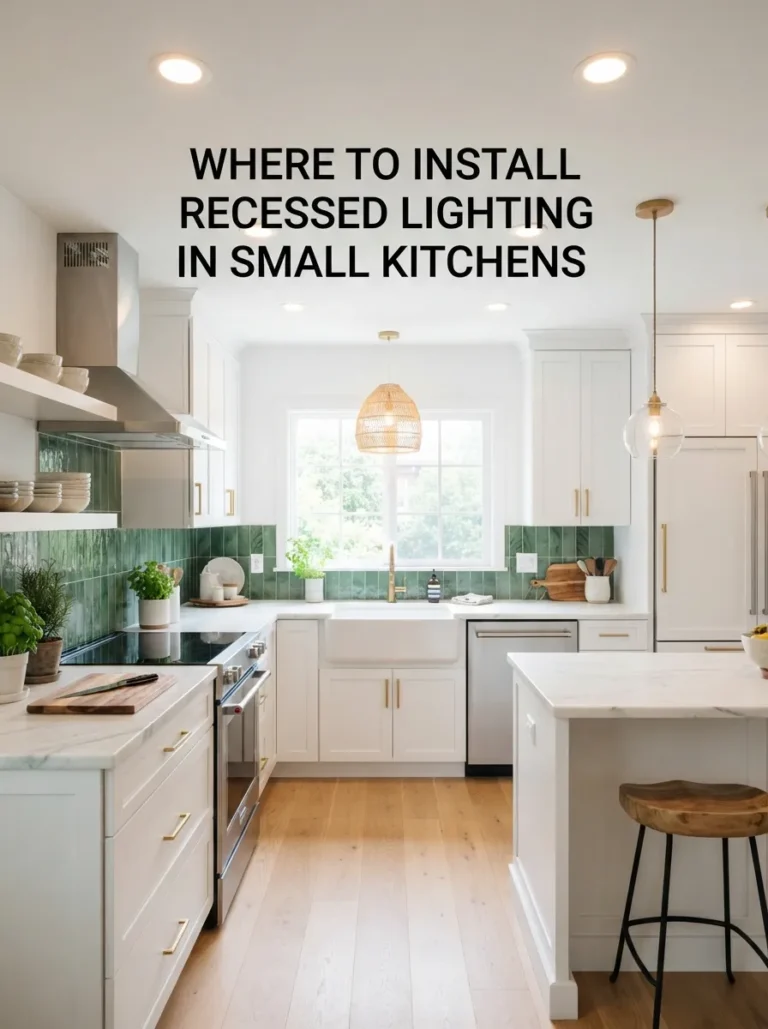
LED recessed spotlights offer efficient, long-lasting kitchen lighting.
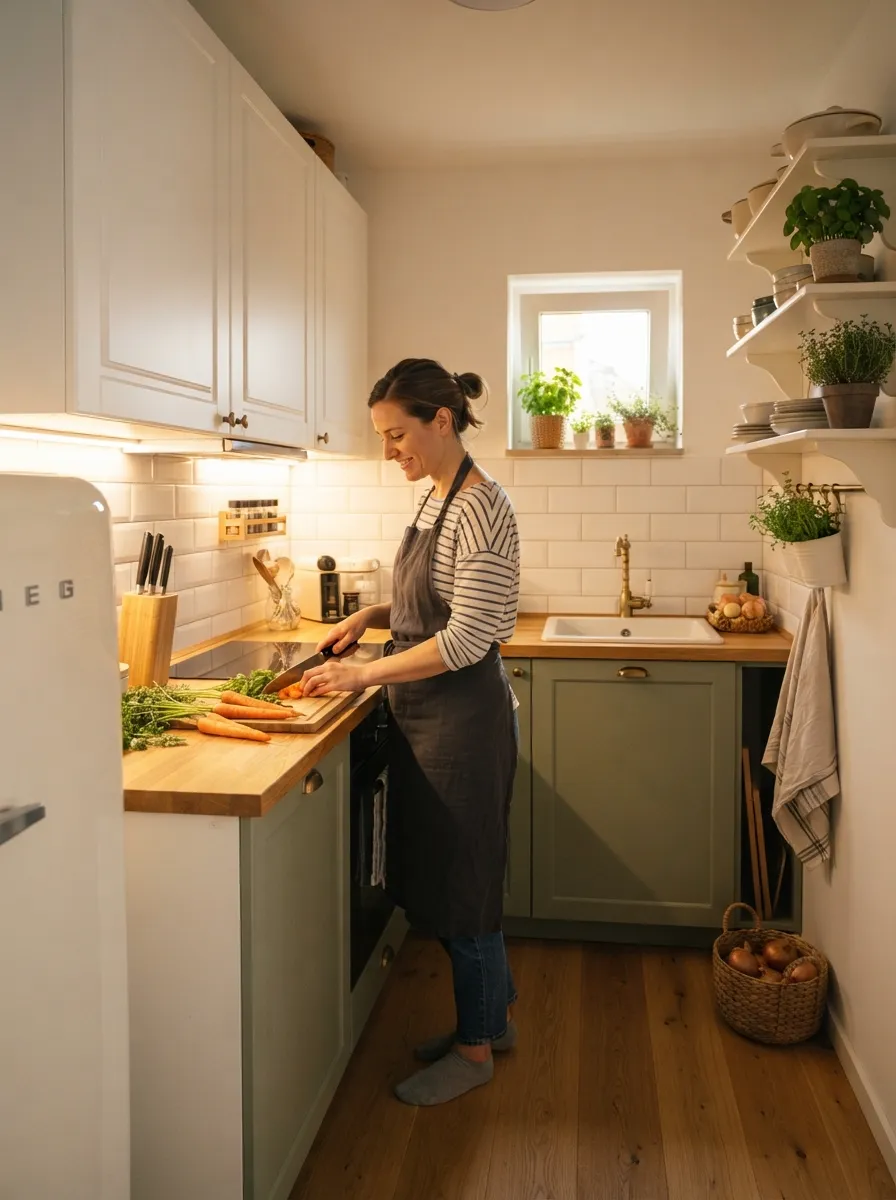
Efficient task lighting supports both energy savings and safe prep work.
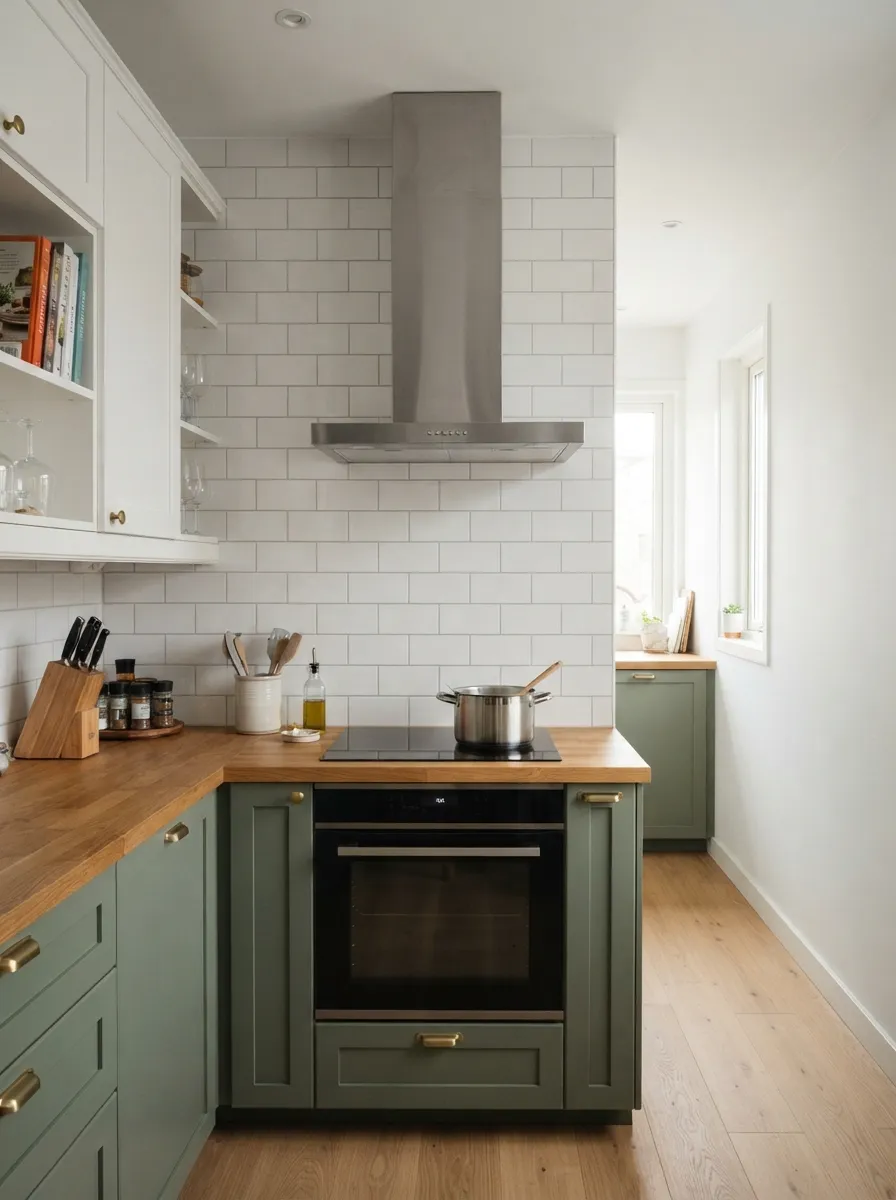
A properly sized range hood avoids running longer than necessary.
Frequently Asked Questions
Are ENERGY STAR appliances worth the higher price for a small kitchen?
Generally yes, especially for refrigerators and dishwashers that run frequently — the roughly 9-12% energy savings adds up over the appliance’s lifespan.
Is induction cooking really more efficient than electric coils?
Yes, induction transfers heat directly to the pan and wastes less energy than a standard electric coil, while also cooling down faster once turned off.
How much does switching to LED lighting actually save?
LED bulbs use roughly 75% less energy than incandescent and last significantly longer, making it one of the most cost-effective upgrades available.
Does appliance size affect energy efficiency?
Yes, a larger appliance generally uses more energy than a smaller one doing the same job, so right-sizing to your actual needs matters as much as the rating.
Are smart plugs and timers worth adding to a small kitchen?
They’re a low-cost way to prevent energy waste from appliances or lights left running, and most integrate easily into an existing small kitchen.
What color temperature LED is best for kitchen lighting?
2700-3000K gives a warm light similar to traditional incandescent bulbs, while higher kelvin ratings read as cooler and more clinical.
Related Pages
Ready to Save on Energy?
Start with LED lighting — it’s the fastest, lowest-cost upgrade with an immediate impact. Browse our cabinet design guide for layouts that fit efficient appliances well.