The Minimalist Philosophy in Small Kitchen Spaces
Minimalism in a small kitchen isn’t about owning as little as possible — it’s about keeping only what earns its place, so every item, surface, and design choice serves a clear purpose. Applied well, this philosophy does more than declutter; it directly addresses the core challenge of a small kitchen, where every square inch that isn’t working for you is actively working against you.
Quick Takeaways
- Minimalism is about intention, not deprivation — keep what earns its place, remove what doesn’t.
- A clear counter is functional space, not empty space, in a working kitchen.
- Fewer, better-chosen tools often outperform a large collection of rarely used gadgets.
- Visual minimalism (color, material) is separate from functional minimalism (fewer items) — you can choose either or both.
- A minimalist kitchen still needs enough storage; the goal is intentional, not empty, cabinets.
Table of Contents
1. The Core Idea: Intention Over Restriction
The minimalist philosophy asks a simple question of every item and design choice: does this earn its place? A gadget used twice a year, a decorative object that collects grease near the stove, an extra set of dishes never touched — these are candidates for removal not because minimalism demands austerity, but because in a small kitchen, they’re taking up space that could serve you better.
2. Clear Counters as Functional Space
An empty counter isn’t wasted space — it’s prep space waiting to be used. Minimalist kitchens treat clear counters as the default state, only bringing out tools and ingredients during active cooking and returning them to storage afterward, rather than leaving small appliances and gadgets permanently parked on the counter.
3. Fewer, Better Tools
A well-chosen set of versatile tools — a good chef’s knife, one quality pan that handles most cooking tasks, a multi-purpose gadget instead of three single-use ones — takes up less storage than a large collection while often performing better. This isn’t about owning the bare minimum; it’s about choosing quality and versatility over quantity.
4. Visual vs. Functional Minimalism
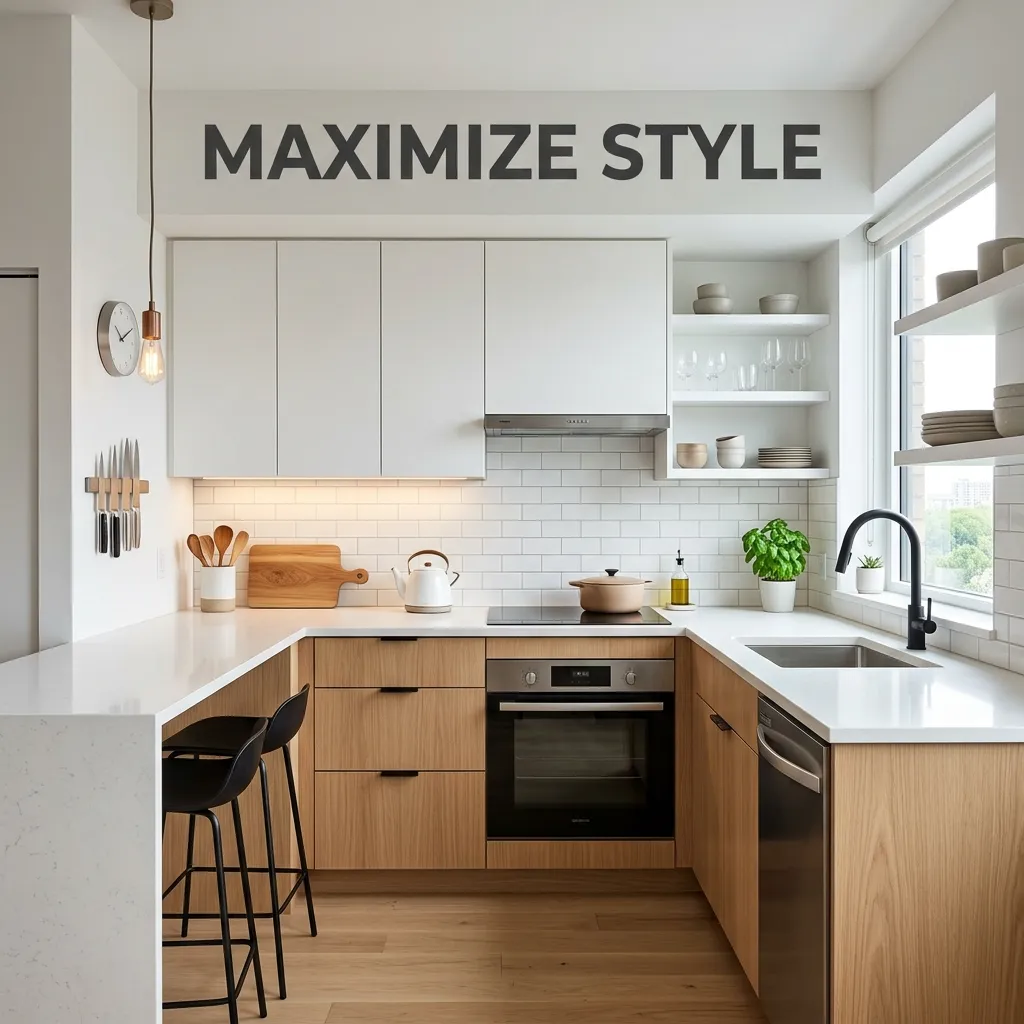
Visual minimalism refers to a clean, uncluttered aesthetic — simple lines, a limited color palette, handleless cabinets. Functional minimalism refers to actually owning and storing fewer items. These are related but separate; you can have a visually minimal kitchen that still holds a well-stocked pantry behind closed doors, or a maximalist-looking kitchen that’s actually quite pared down in what it contains.
5. Making It Practical, Not Sparse
A truly minimalist small kitchen still needs enough storage and tools to function well — the goal isn’t an empty kitchen, it’s an intentional one. If pursuing minimalism leaves you constantly running out of something you actually need, that’s a sign the philosophy has tipped into deprivation rather than intention, and it’s worth recalibrating what genuinely earns a place in your kitchen.
A minimalist kitchen keeps only what earns its place in the space.
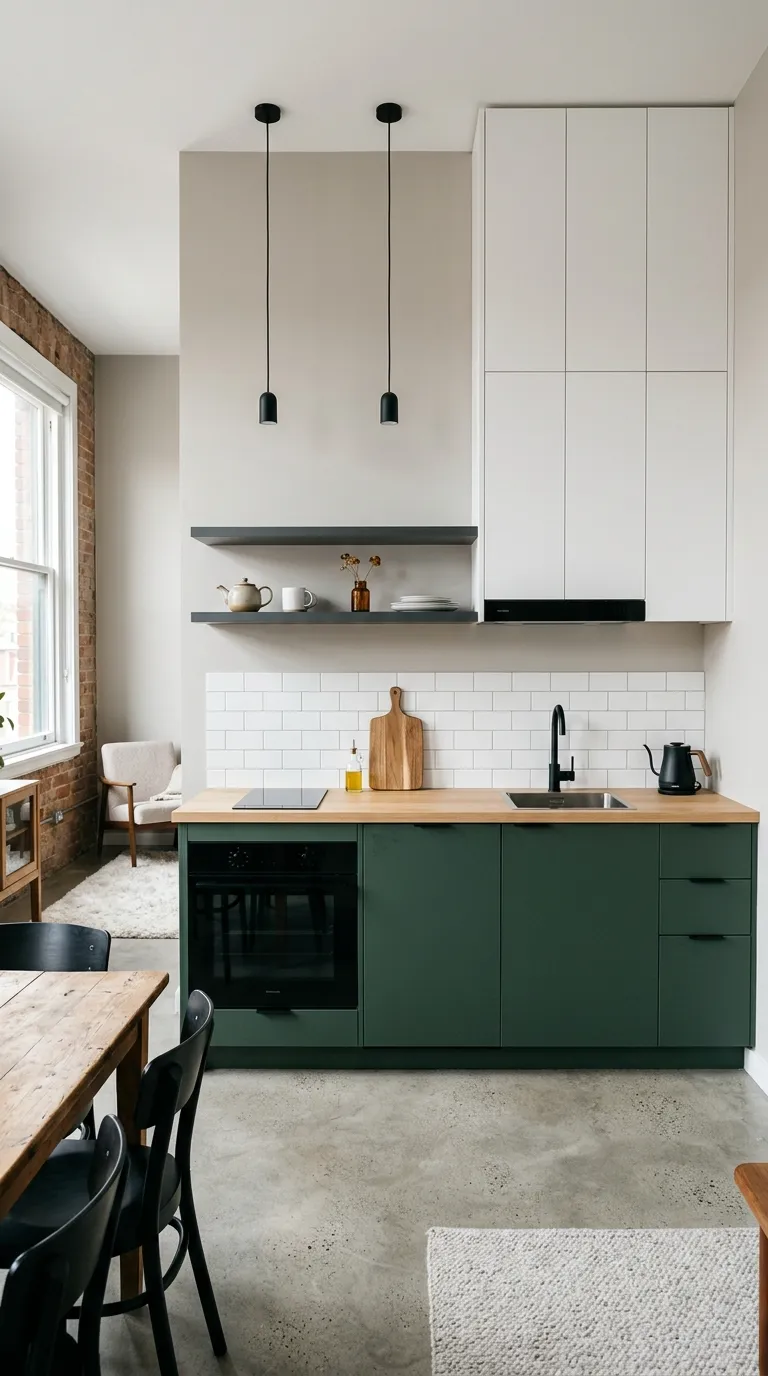
A one-wall minimalist kitchen treats every surface with clear intention.
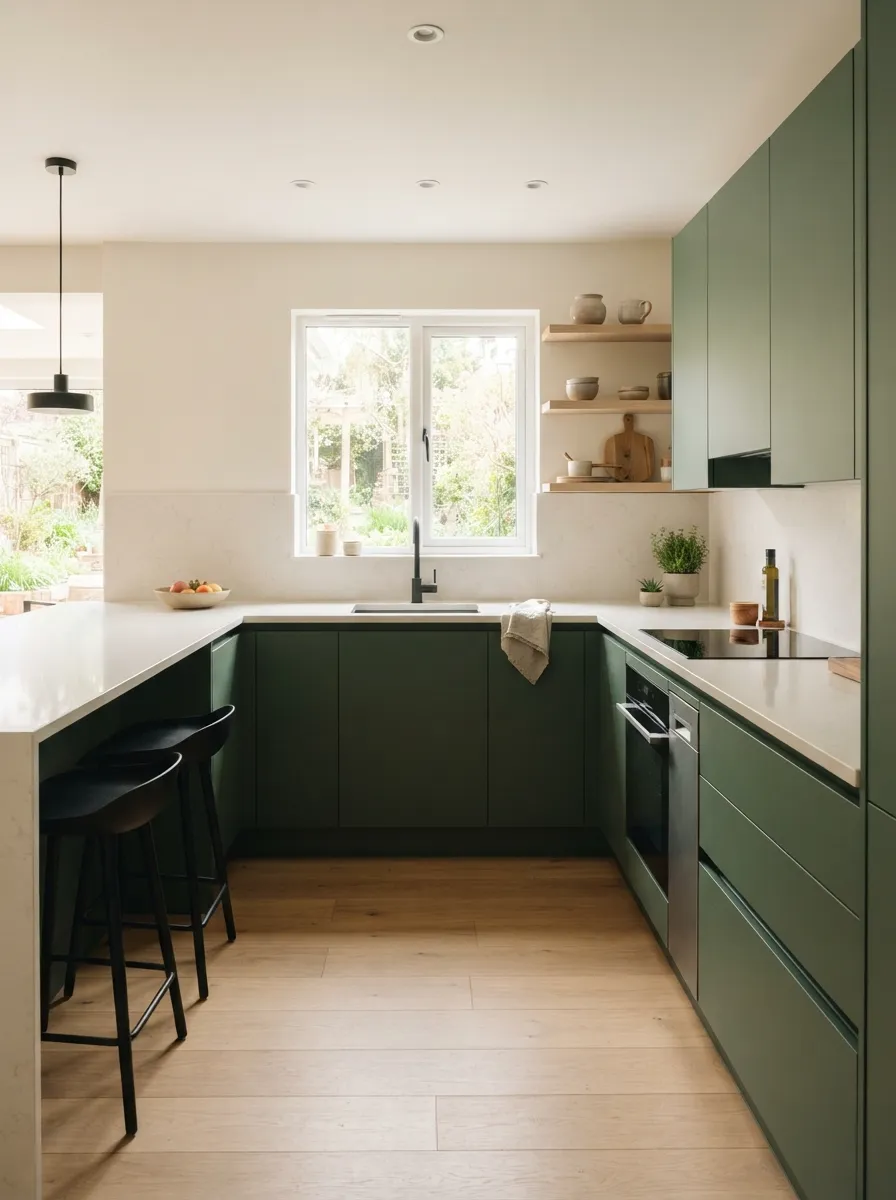
Minimalism can still include color and personality within a pared-back layout.
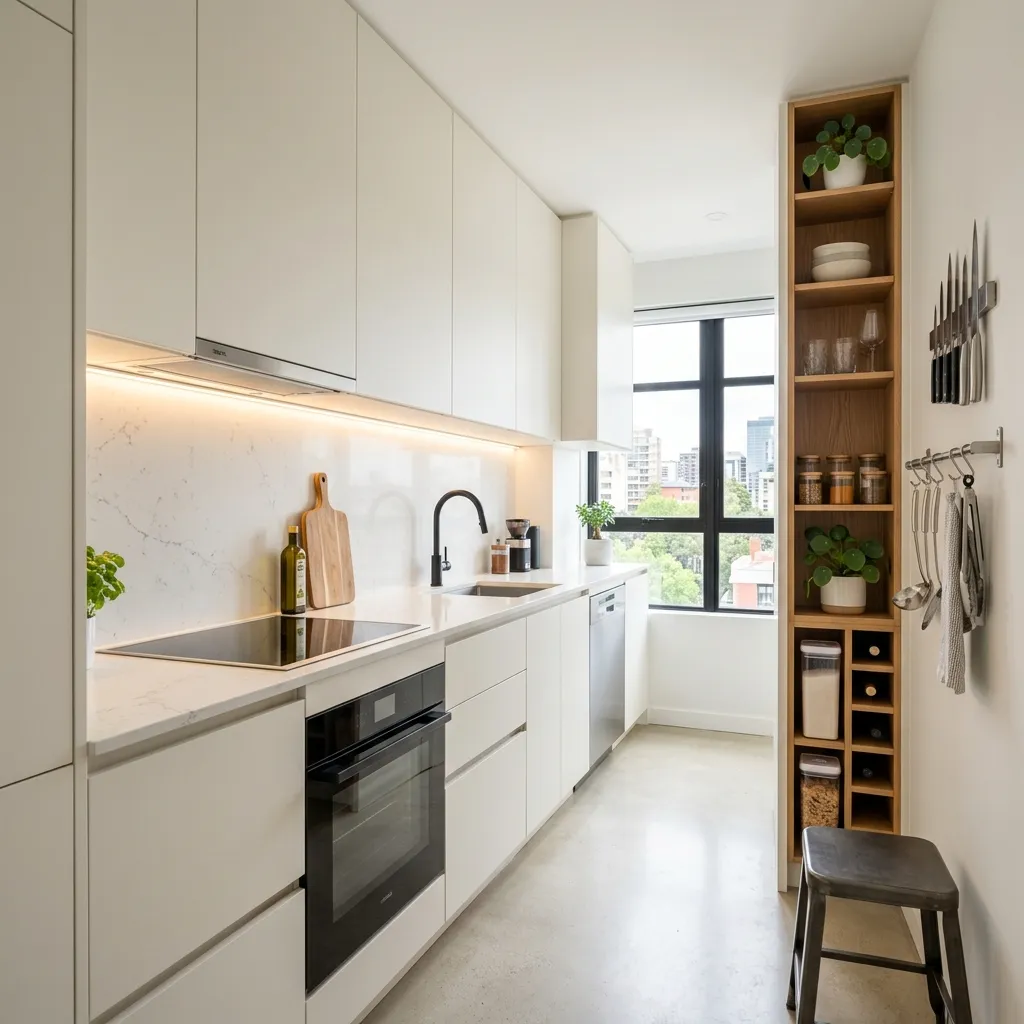
A minimal, space-saving layout treats every design choice as intentional.
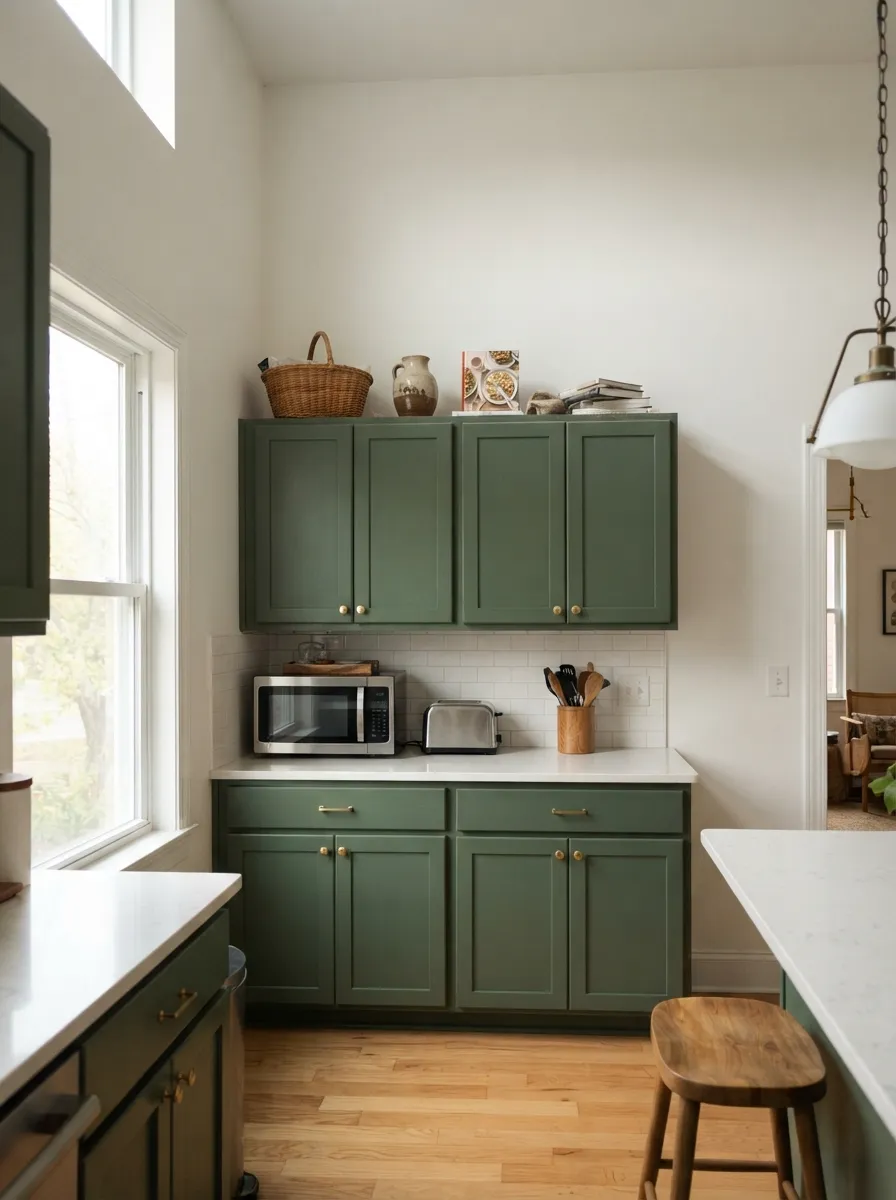
Identifying wasted space is a practical first step toward minimalist design.
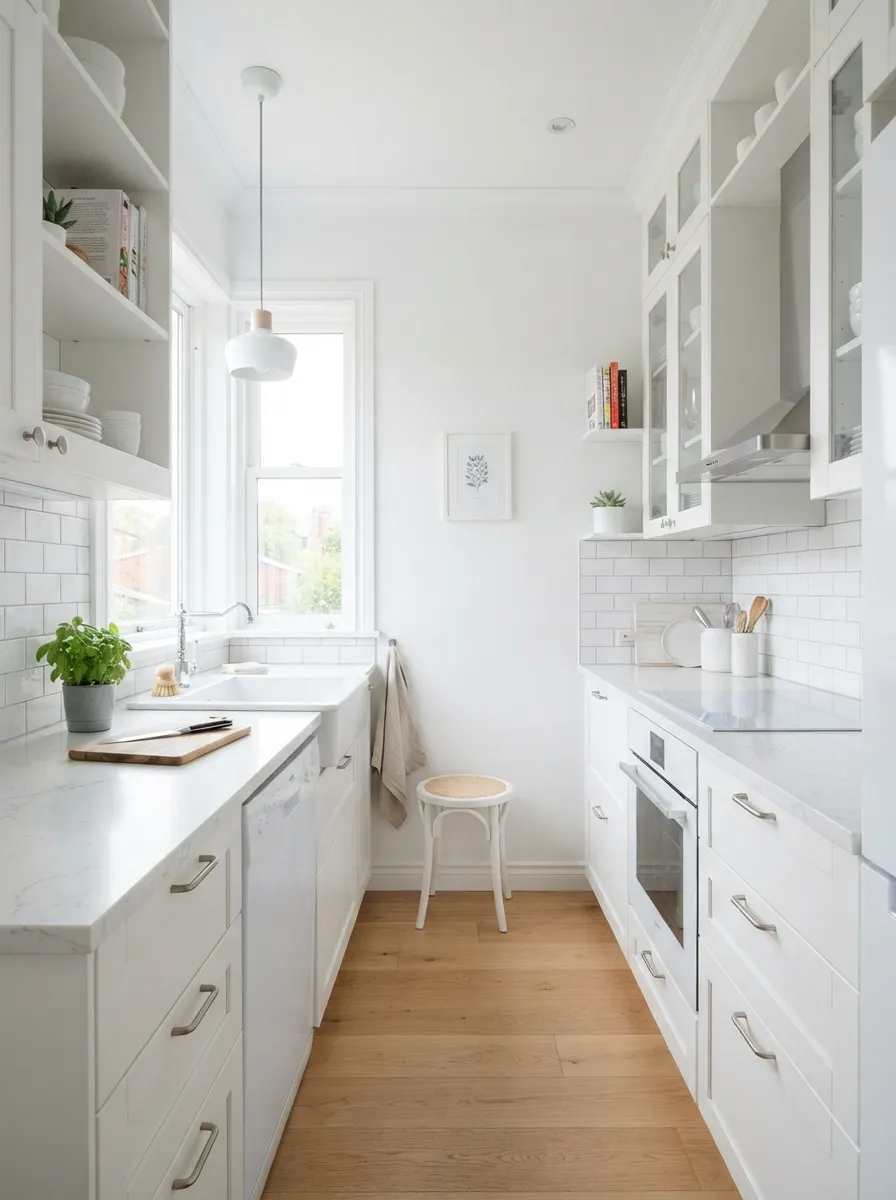
Clean, light surfaces support both visual and functional minimalism.
Frequently Asked Questions
Does minimalism mean owning as few kitchen items as possible?
No, it means keeping only items that earn their place through actual use, not minimizing ownership for its own sake.
Is a clear counter really “functional” or just empty space?
It’s functional — an empty counter is prep space waiting to be used, treated as the default state in minimalist kitchens.
What’s the difference between visual and functional minimalism?
Visual minimalism refers to a clean, uncluttered aesthetic; functional minimalism refers to actually owning and storing fewer items — they’re related but separate.
Can a minimalist kitchen still have specialty tools?
Yes, as long as those tools genuinely earn their place through regular use rather than sitting unused.
How do I know if I’ve gone too minimal in my kitchen?
If you’re constantly running out of something you actually need, that’s a sign to recalibrate toward more intention rather than pure restriction.
Is minimalism only about aesthetics like white walls and clean lines?
No, that’s just the visual side — the underlying philosophy is about intentional ownership and use, which can apply regardless of color or style.
Related Pages
Ready to Simplify?
Start with one drawer or shelf and ask honestly what earns its place there. Explore our simple kitchen designs for more minimalist-friendly inspiration.