Biophilic Design Principles for Small Kitchens
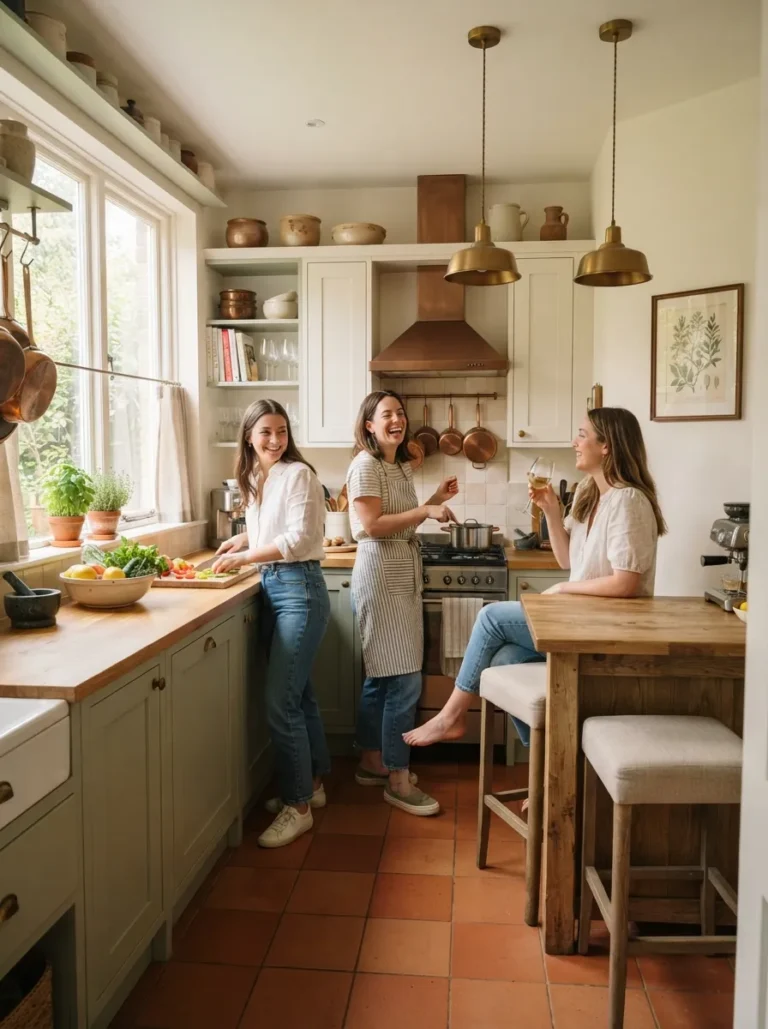
Biophilic design principles bring natural light, organic materials, and living greenery into a small kitchen so it feels calmer and larger without adding a single square foot. Rooted in the idea that people respond positively to nature even indoors, biophilic design is especially powerful in compact kitchens, where the right material and light choices can visually open up a tight room.
🍃 Quick Takeaways
- Biophilic design rests on three pillars: natural light, organic materials, and living elements like plants.
- Light wood, stone, and unbleached textiles read as “natural” even in a small, budget-friendly kitchen.
- A single well-placed plant or herb shelf can be enough biophilic impact in a tiny footprint.
- Maximizing a window’s natural light does more for the biophilic feel than almost any other single change.
- Curved edges and organic shapes soften a small kitchen’s boxy proportions.
In This Post
1. What Is Biophilic Design, and Why It Works in Small Kitchens
Biophilic design is built on the theory that humans have an innate connection to nature, and that connection can be recreated indoors through light, materials, patterns, and plant life. In a small kitchen interior, this matters more than in a large one — cramped rooms tend to feel more oppressive when they’re also visually flat and synthetic, while natural textures and light create a sense of depth even in a few square feet.
The approach breaks down into a handful of practical levers: how much daylight reaches the room, what materials line the surfaces, whether anything living is present, and whether shapes throughout the space echo natural forms rather than harsh right angles. None of these require a full renovation to apply.
2. Maximizing Natural Light
Daylight is the single highest-impact biophilic element available, and it’s free once the window is in place. Small kitchens often lose light to heavy window treatments or upper cabinets that block a window’s upper half.
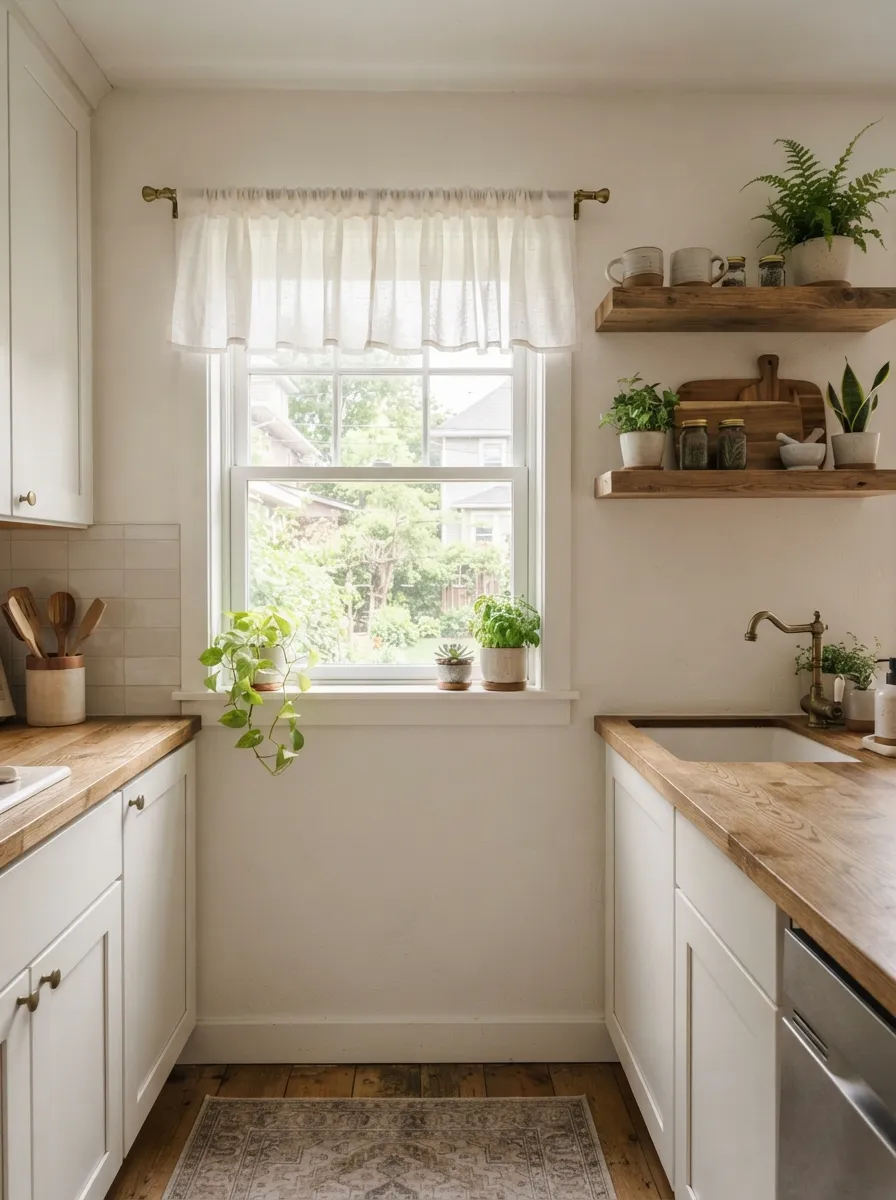
- Swap heavy curtains for sheer or café-style panels that let in filtered light while still offering privacy at counter height.
- Extend a window higher or remove an upper cabinet that blocks a window if a remodel is already underway.
- Use light-colored, reflective countertops near the window to bounce daylight further into the room.
- Add a skylight over a compact kitchen if the roofline allows — even a small one significantly boosts daylight in an interior kitchen with no exterior wall.
- Layer in warm-toned artificial light for evening hours so the room doesn’t feel stark once natural light fades.
3. Choosing Organic Materials and Textures
Materials that visibly reference nature — wood grain, stone veining, woven texture — do more for a biophilic feel than materials that are simply light-colored. A small kitchen cabinet in light oak reads very differently than a flat white laminate, even at a similar price point.
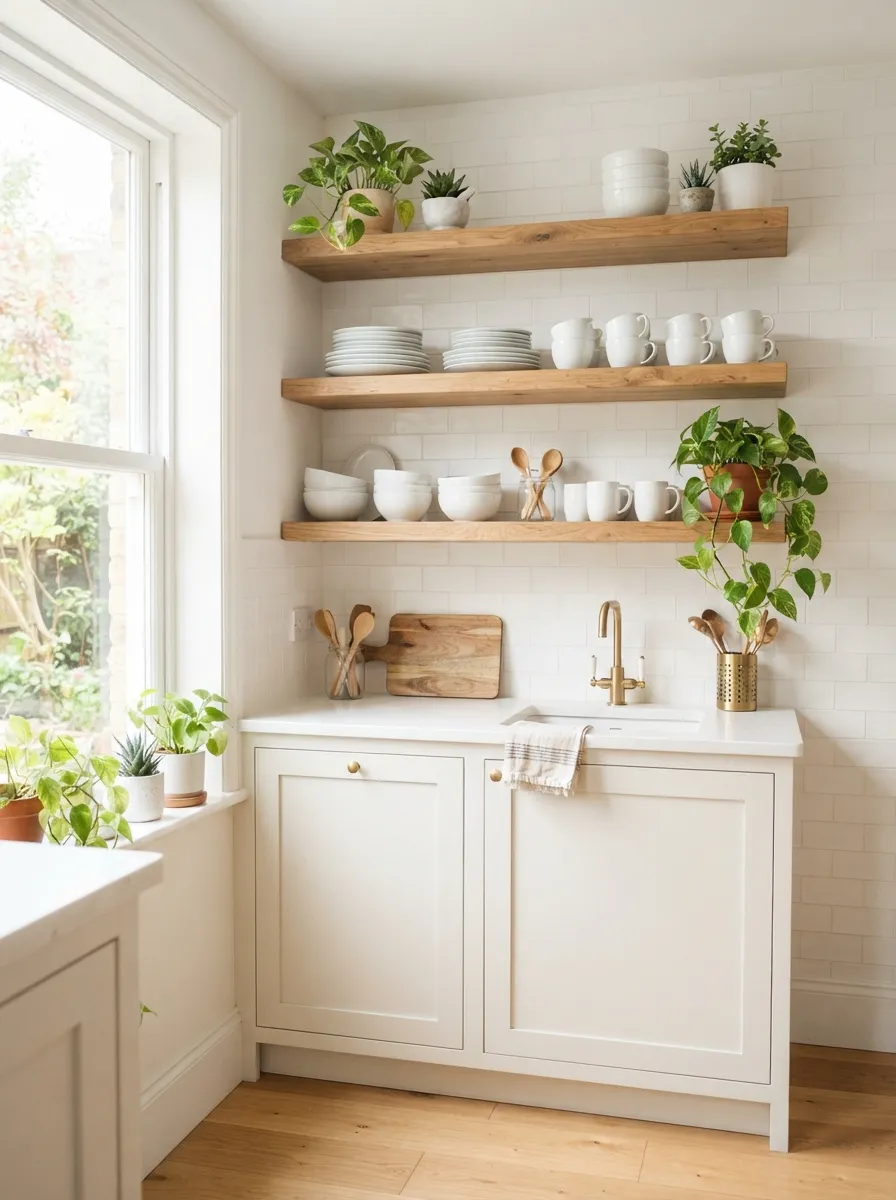
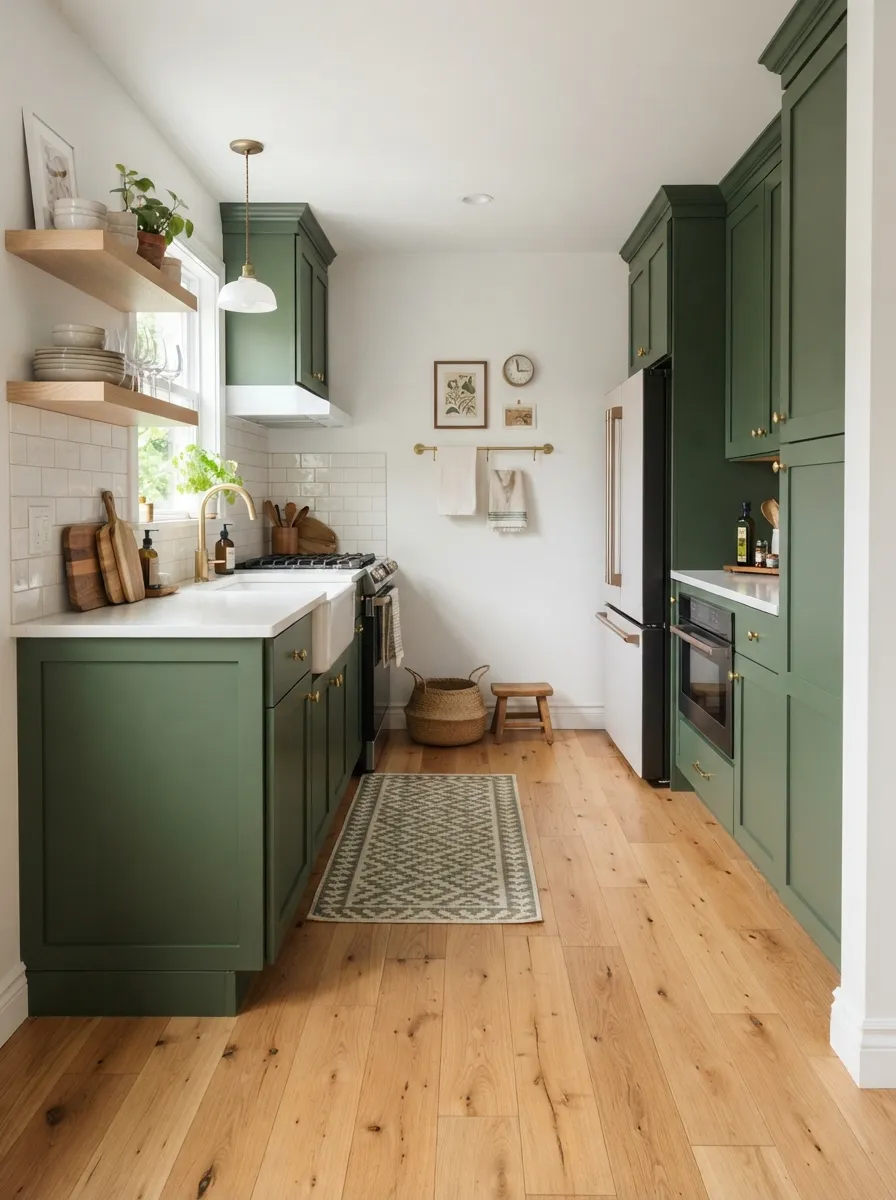
- Light wood cabinetry or open shelving in oak, ash, or bamboo brings visible grain into the room.
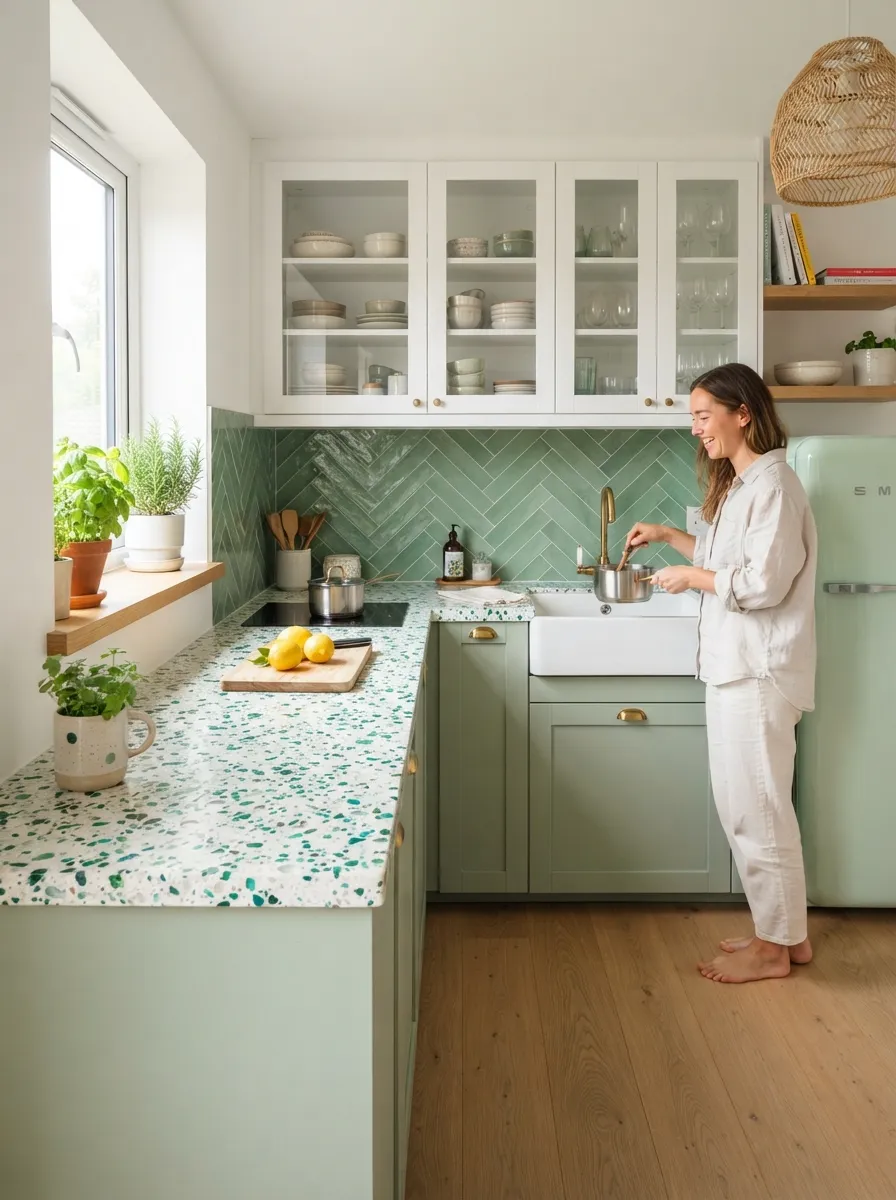
- Natural stone or recycled glass countertops introduce subtle texture and variation that laminate can’t replicate.
- Woven or rattan pendant lighting adds an organic silhouette overhead without taking up floor space.
- Linen or cotton café curtains in an unbleached, natural tone soften a window without heaviness.
- Cork or wood flooring underfoot adds warmth that vinyl or tile alone won’t provide.
4. Bringing in Living Greenery
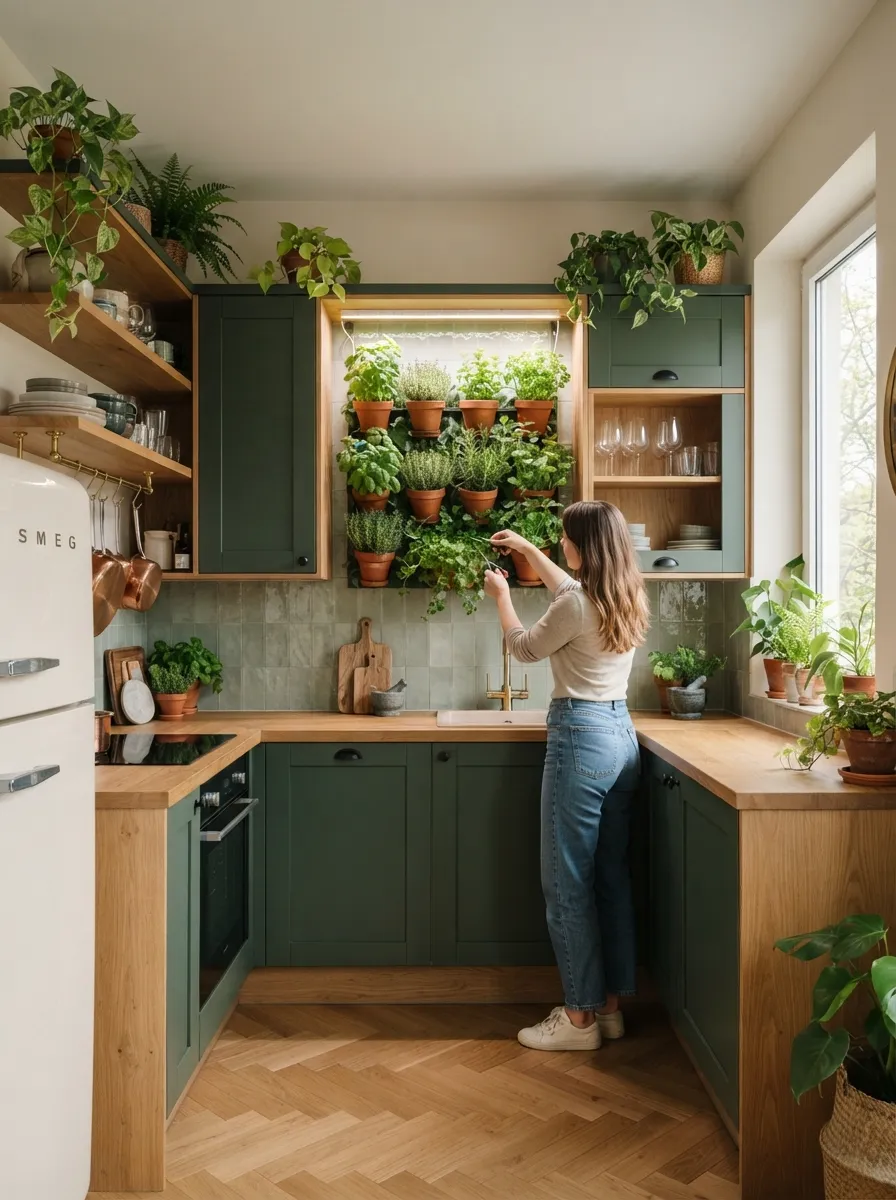
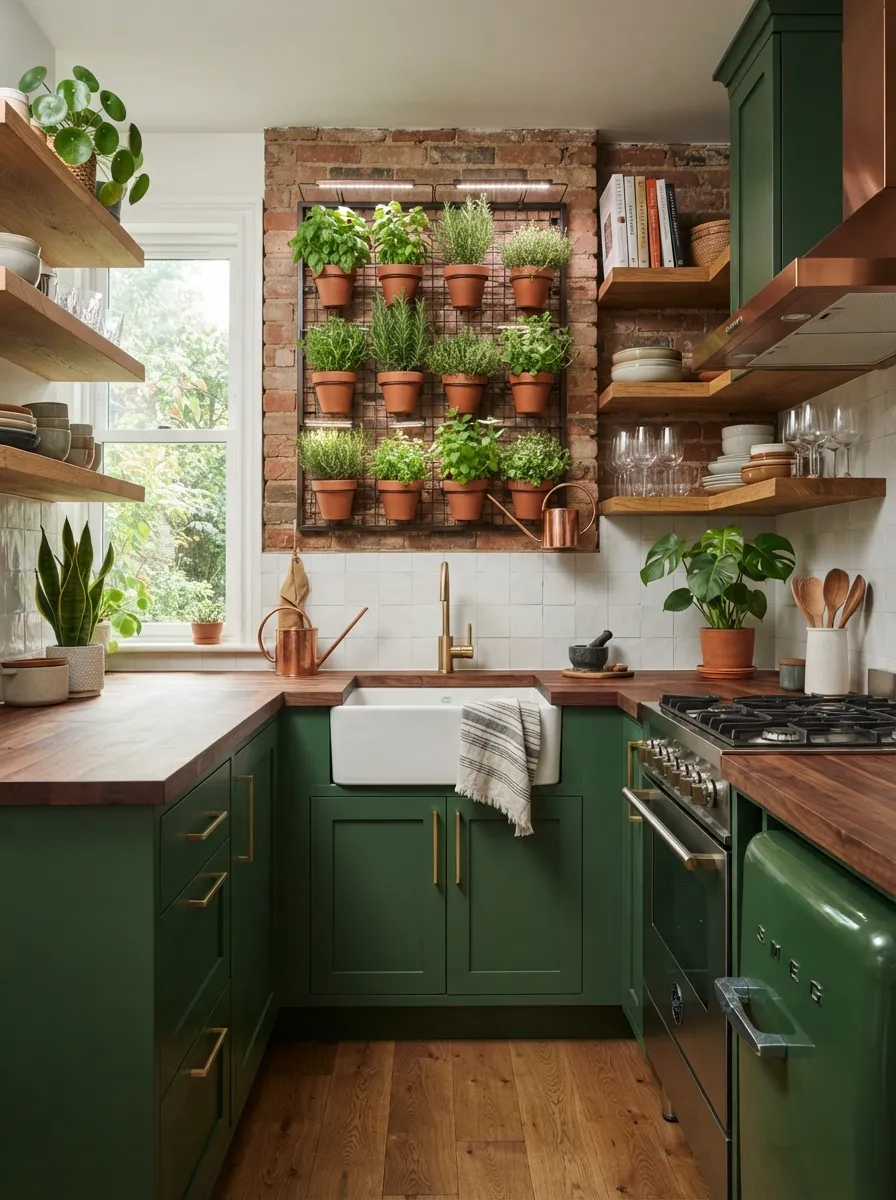
Living plants are the most literal expression of biophilic design, and even one well-placed plant shelf makes a measurable difference in how a small kitchen feels. This pairs naturally with a small kitchen herb garden, which doubles as both greenery and a functional cooking ingredient source.
- A windowsill herb garden combines daylight and greenery in the same footprint, maximizing two biophilic elements at once.
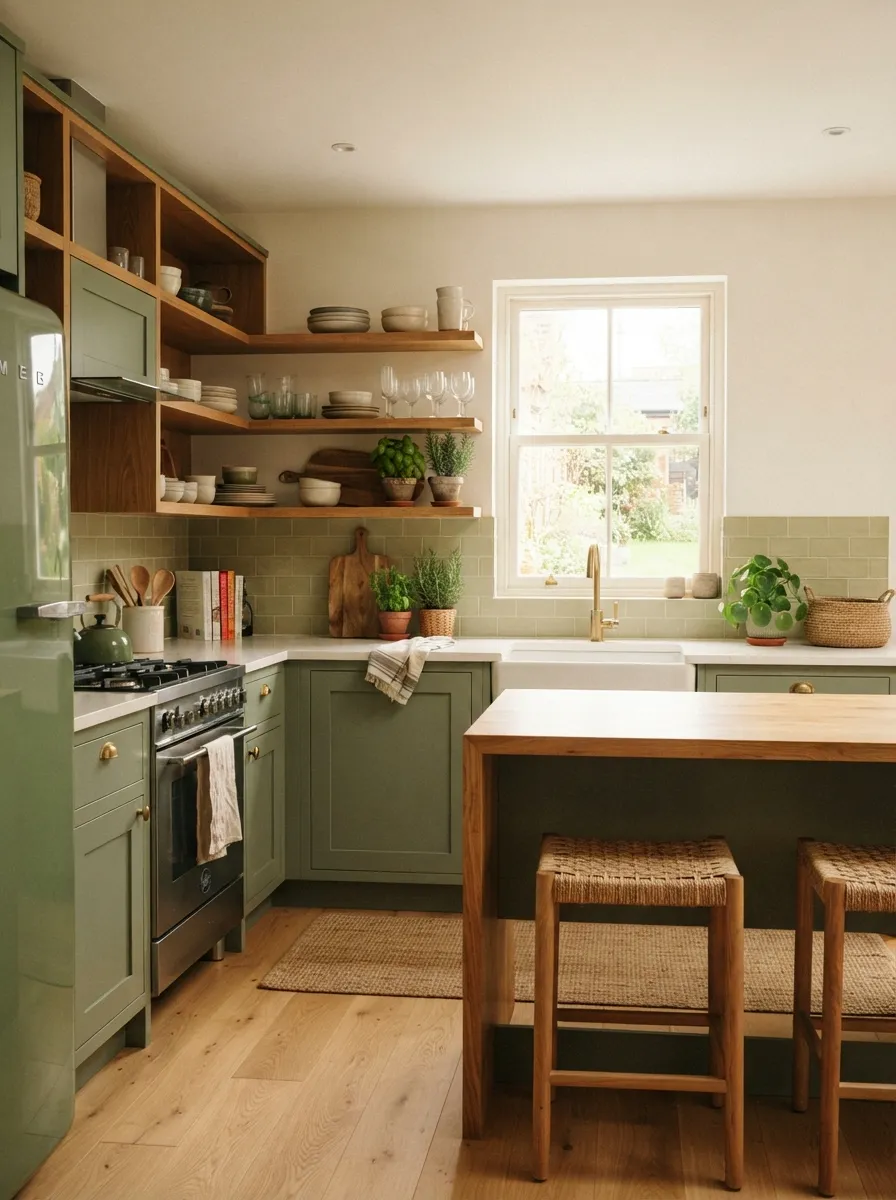
- Open shelving styled with trailing plants like pothos softens hard cabinet lines without blocking storage below.
- A single statement plant in a corner, like a small fiddle-leaf fig or snake plant, tolerates lower kitchen humidity and light better than more delicate species.
- Dried botanicals or preserved greenery offer a low-maintenance alternative for kitchens with minimal natural light.
- A living wall panel mounted on an unused vertical surface turns dead wall space into a genuine focal point.
5. Organic Shapes, Color, and Layout Choices
Beyond materials and plants, biophilic design also draws on shape and color palette — curved edges, earthy tones, and asymmetry all echo patterns found in nature more than sharp angles and stark white surfaces do.
- A waterfall-edge or rounded-corner island softens the boxiness typical of small kitchen layouts.
- Earthy, muted color palettes — sage green, terracotta, warm greige — feel more grounded than stark white or cool gray schemes.
- Curved cabinet pulls or rounded pendant shades introduce organic form in small, budget-friendly details.
- Asymmetrical open shelving arranged like a still life feels more natural than perfectly uniform, evenly spaced shelves.
- Natural ventilation through an operable window, where possible, adds airflow that mechanical systems alone can’t replicate.
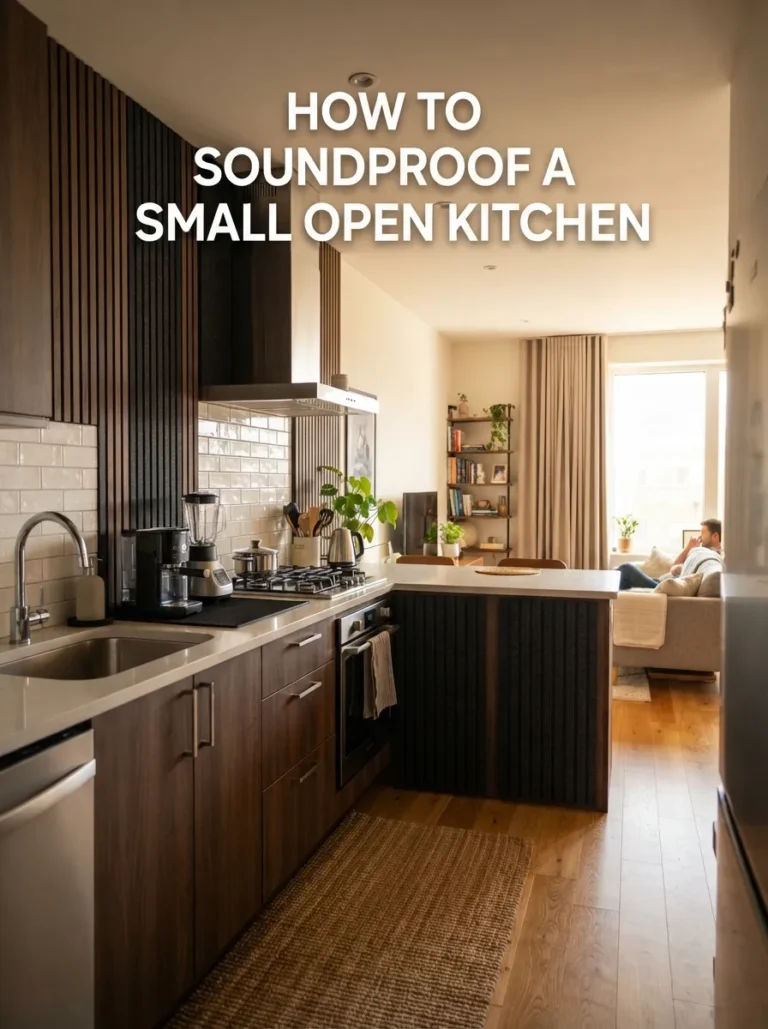
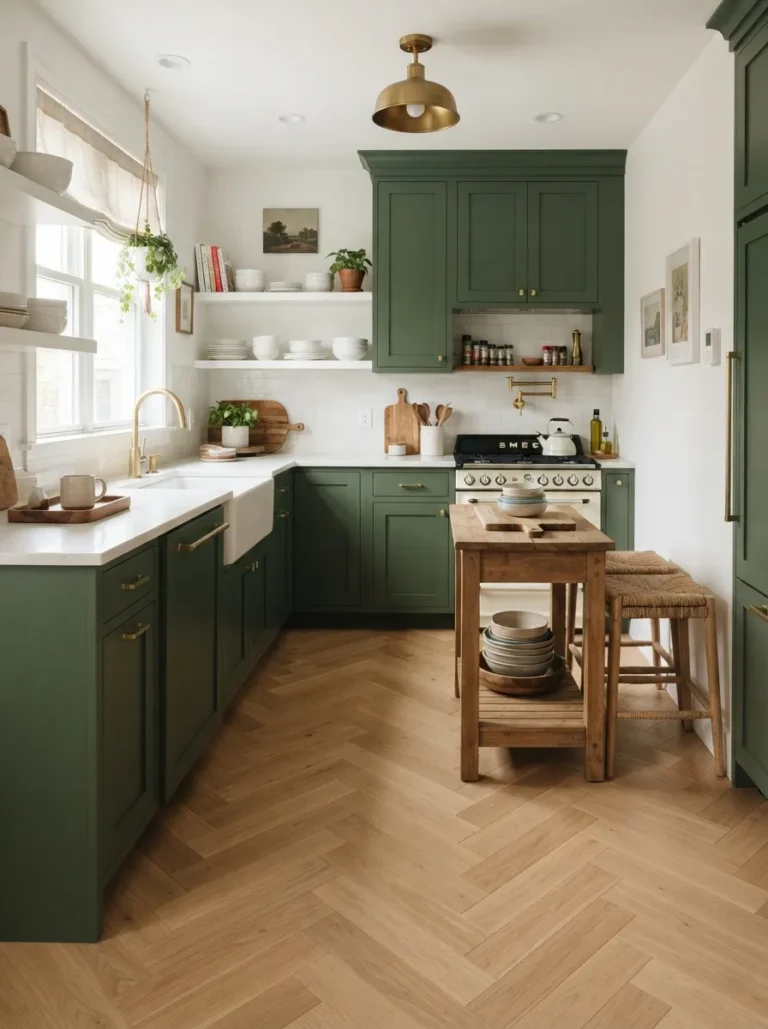
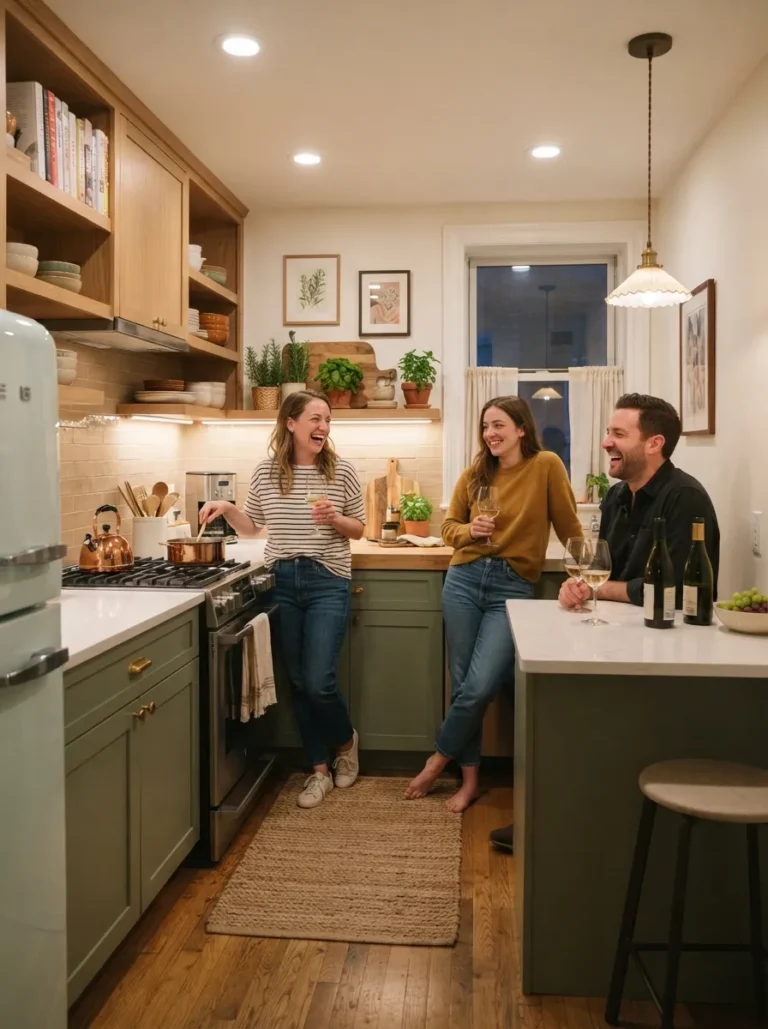
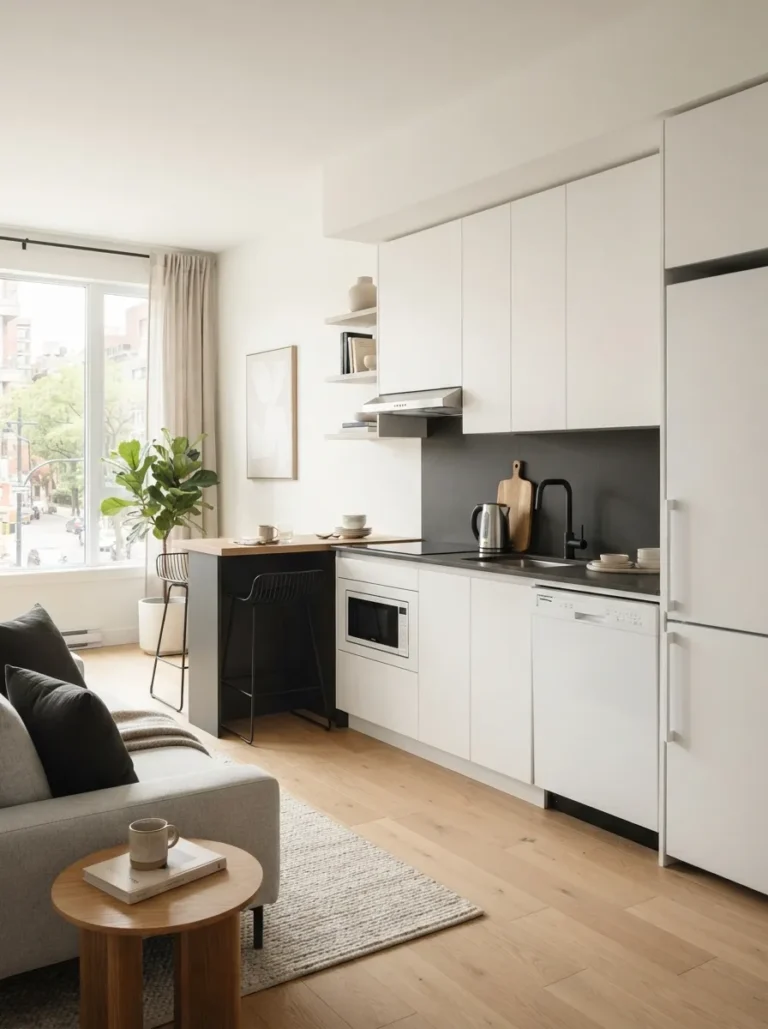
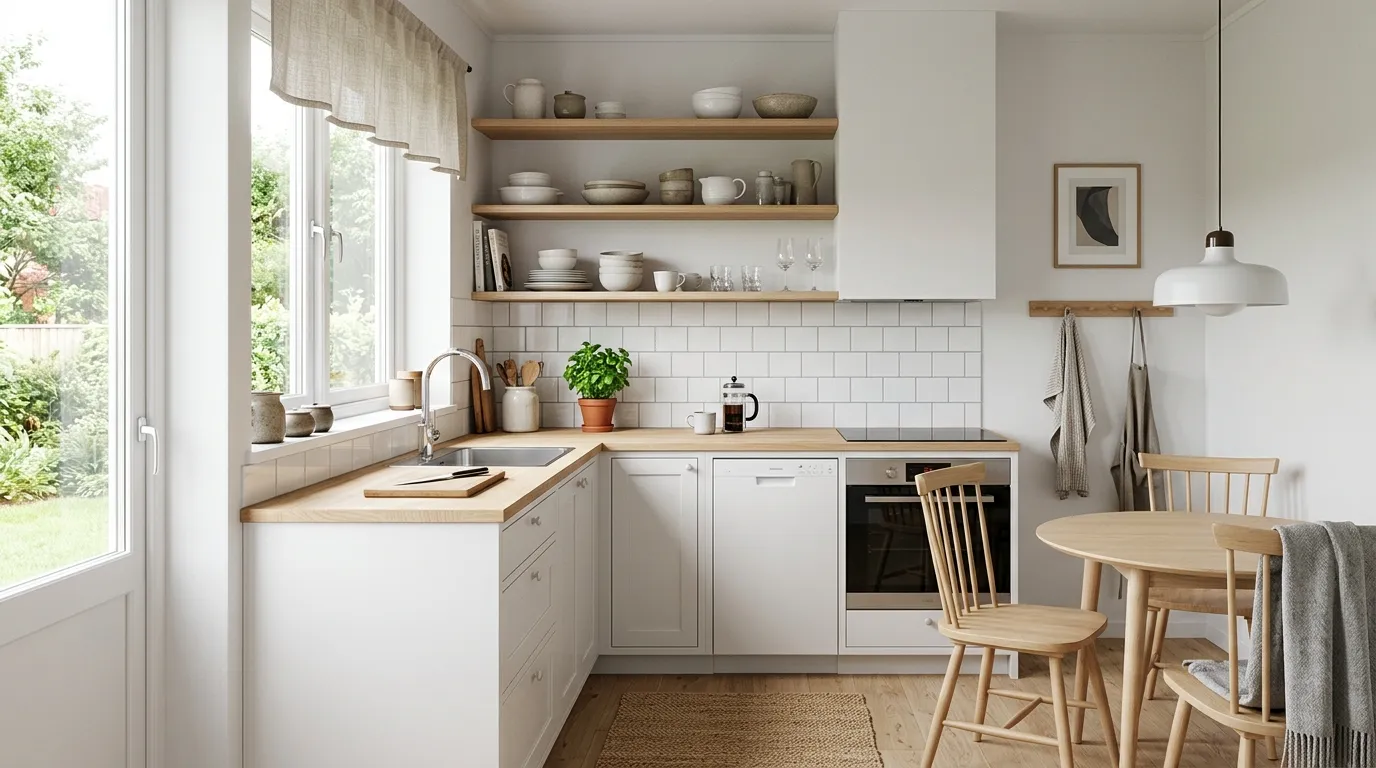
Biophilic Kitchen Gallery
Frequently Asked Questions
What is biophilic design in a kitchen?
Biophilic design brings natural elements — daylight, organic materials, living plants, and nature-inspired shapes — into a kitchen to create a calmer, more connected feel.
Can biophilic design work in a kitchen with no windows?
Yes, materials, plants, and organic shapes still apply without natural light; pairing them with warm artificial lighting and low-light plants keeps the effect intact.
Is biophilic design expensive to achieve in a small kitchen?
Not necessarily — swapping curtains, adding a plant shelf, or introducing a few wood accents costs far less than a full material overhaul and still delivers a noticeable effect.
What plants survive best in a low-light small kitchen?
Pothos, snake plants, and ZZ plants tolerate lower kitchen light levels better than flowering species or most culinary herbs.
Does biophilic design make a small kitchen look bigger?
Increased natural light, reflective surfaces, and softened edges all contribute to a more open feel, even though they don’t add physical square footage.
What colors work best for a biophilic small kitchen?
Earthy, muted tones like sage green, terracotta, and warm greige tend to feel more grounded and natural than stark white or cool gray palettes.
Related Pages
Start Small, Feel the Difference
Biophilic design doesn’t require gutting your kitchen — it starts with letting in more light, choosing one material with visible natural texture, and adding a single living plant where you’ll actually see it every day. Layer in earthy tones and softer shapes over time, and a small kitchen can feel noticeably calmer without a single square foot changing hands.
For more ways to bring warmth and texture into a compact layout, visit our Small Kitchen Interior Design guide next.