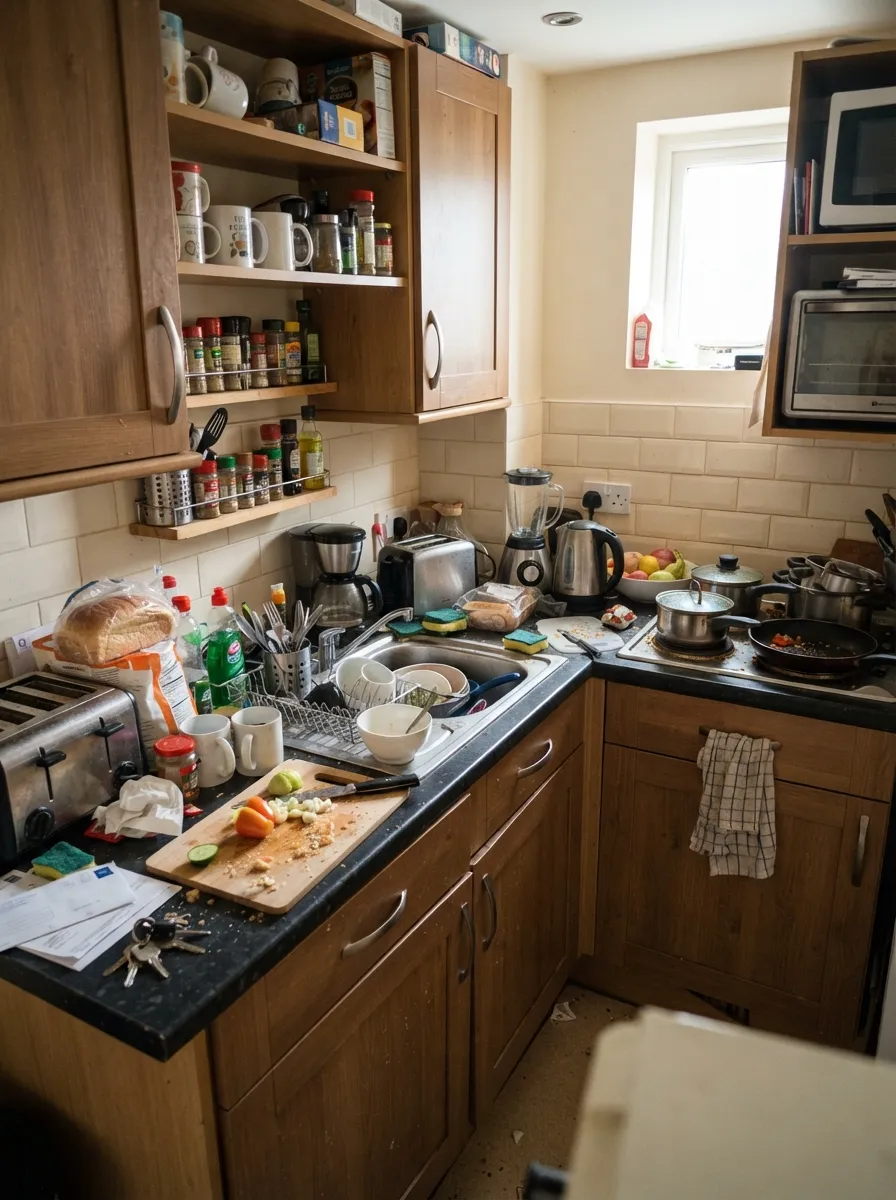
Small Kitchen Design Mistakes That Cost You Money
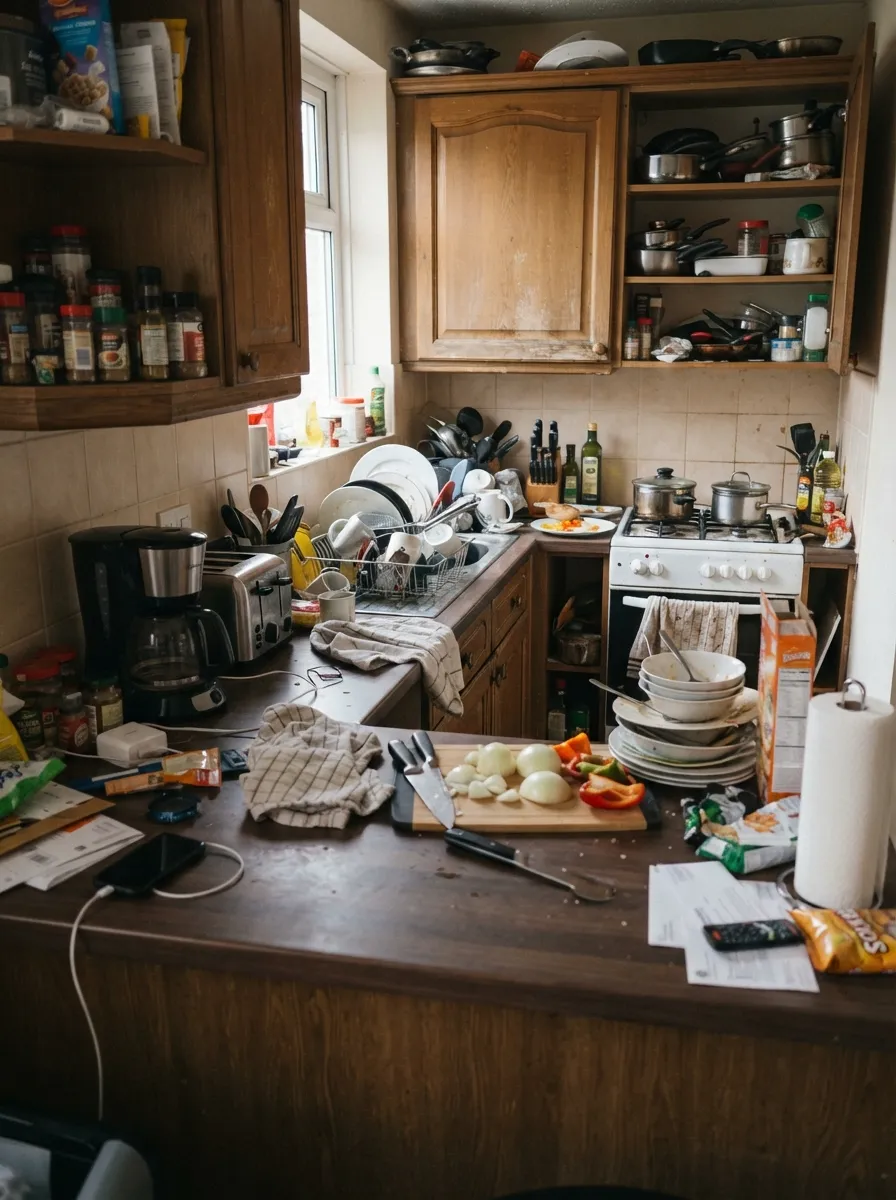
The most expensive small kitchen design mistakes rarely show up on the initial quote — they show up months later as a redo, a workaround, or a feature nobody uses. This guide covers the design mistakes that most often cost small kitchen owners real money, either upfront in wasted materials or long-term in reduced function and resale value.
💡 Quick Takeaways
- Skipping accurate measurements is the single most common cause of expensive reorders
- Cheap materials in high-wear zones often cost more over time than a quality choice upfront
- Under-planning storage leads to costly after-the-fact organizer purchases and clutter
- DIY plumbing or electrical mistakes can turn into the most expensive fix of the entire project
- Skipping a contingency fund is the most common reason small kitchen budgets run over
In This Guide
- Mistake 1: Skipping Accurate Measurements
- Mistake 2: Ignoring the Work Triangle
- Mistake 3: Choosing Cheap Materials in High-Wear Areas
- Mistake 4: Underestimating Storage Needs
- Mistake 5: Poor Lighting Planning
- Mistake 6: Skipping a Contingency Fund
- Mistake 7: Ignoring Ventilation
- Mistake 8: DIY Overreach on Plumbing and Electrical
Mistake 1: Skipping Accurate Measurements
Typical cost impact: $500–$3,000+ in reordersOrdering cabinets or countertops from a rough estimate instead of precise measurements is the single most common — and most expensive — small kitchen mistake. A cabinet run that’s even an inch off can mean a full reorder, wasted material, and weeks of delay. Always measure every wall twice, at two heights, before ordering anything. Our full guide on how to measure your small kitchen for renovation walks through the exact process.
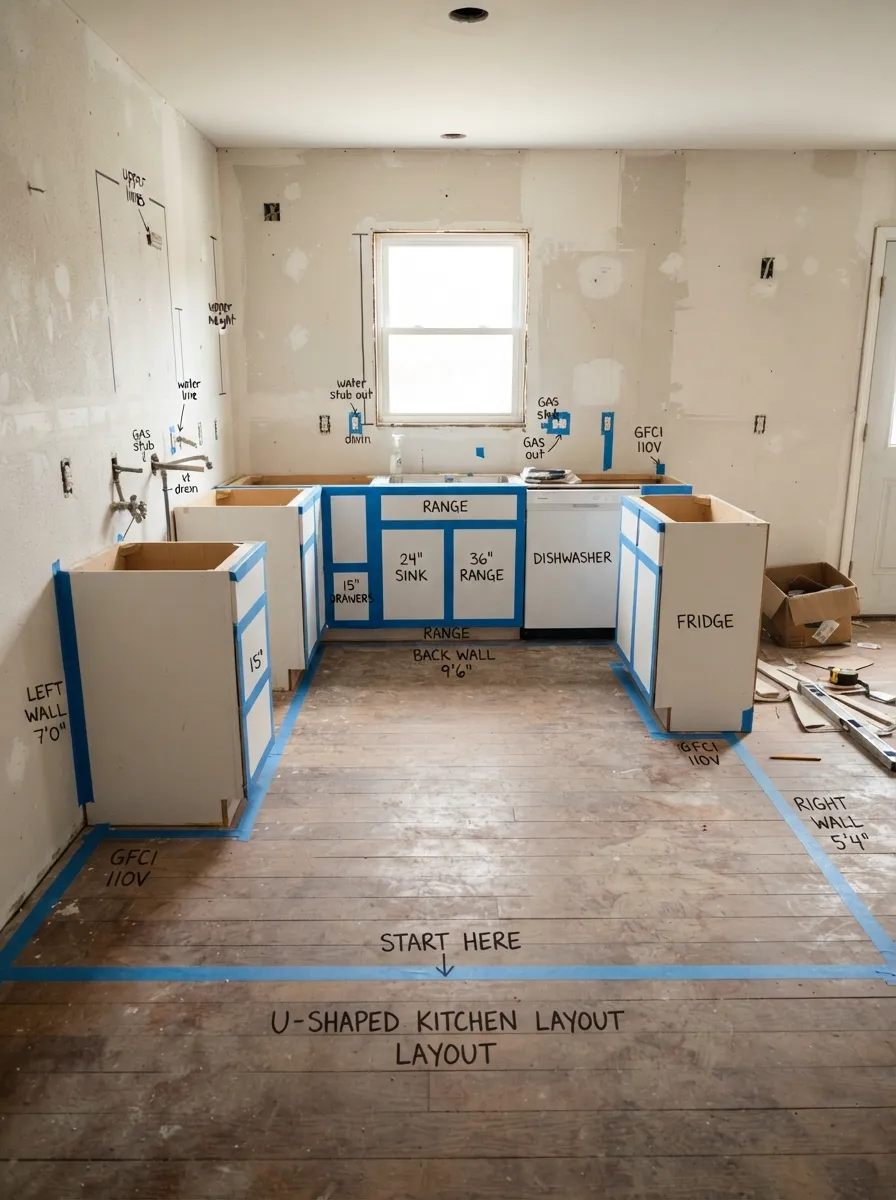
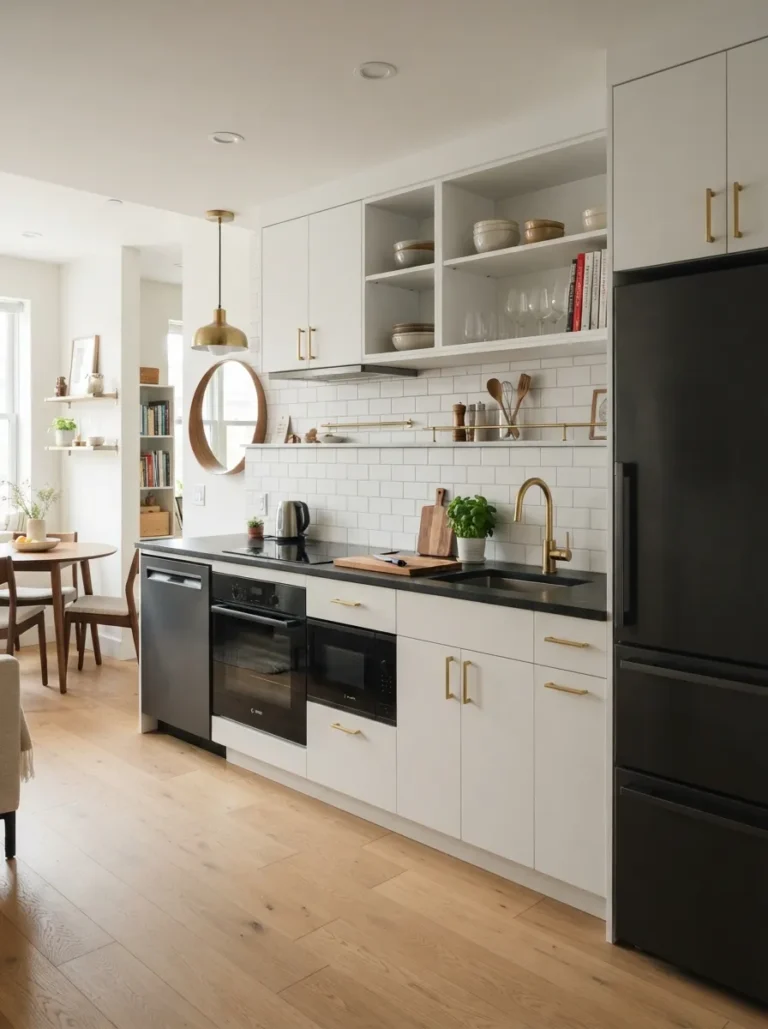
Taping out a layout before ordering cabinets catches expensive measurement errors early.
Mistake 2: Ignoring the Work Triangle
Typical cost impact: ongoing inefficiency, plus redo costs if corrected laterA poorly planned sink-stove-refrigerator triangle doesn’t show up on the invoice, but it costs you every single day you cook in the kitchen — and fixing it after the fact usually means moving plumbing or gas lines, one of the most expensive changes possible. Get the triangle right the first time using our guide to the ideal work triangle for small kitchens.
Mistake 3: Choosing Cheap Materials in High-Wear Areas
Typical cost impact: $1,000–$4,000 in early replacementLaminate countertops, thin veneer cabinets, and budget faucets can look nearly identical to higher-quality options in photos, but they wear, chip, and fail faster in the areas that get the heaviest daily use — the counter beside the stove, the sink cabinet, and cabinet hinges opened dozens of times a day.
- Spend more on materials at the sink, stove, and high-traffic cabinet doors, even if you save elsewhere.
- Compare warranty length as a proxy for expected material lifespan before buying.
- A mid-range quartz or laminate countertop with a 15-year warranty is usually cheaper long-term than a budget option replaced twice.

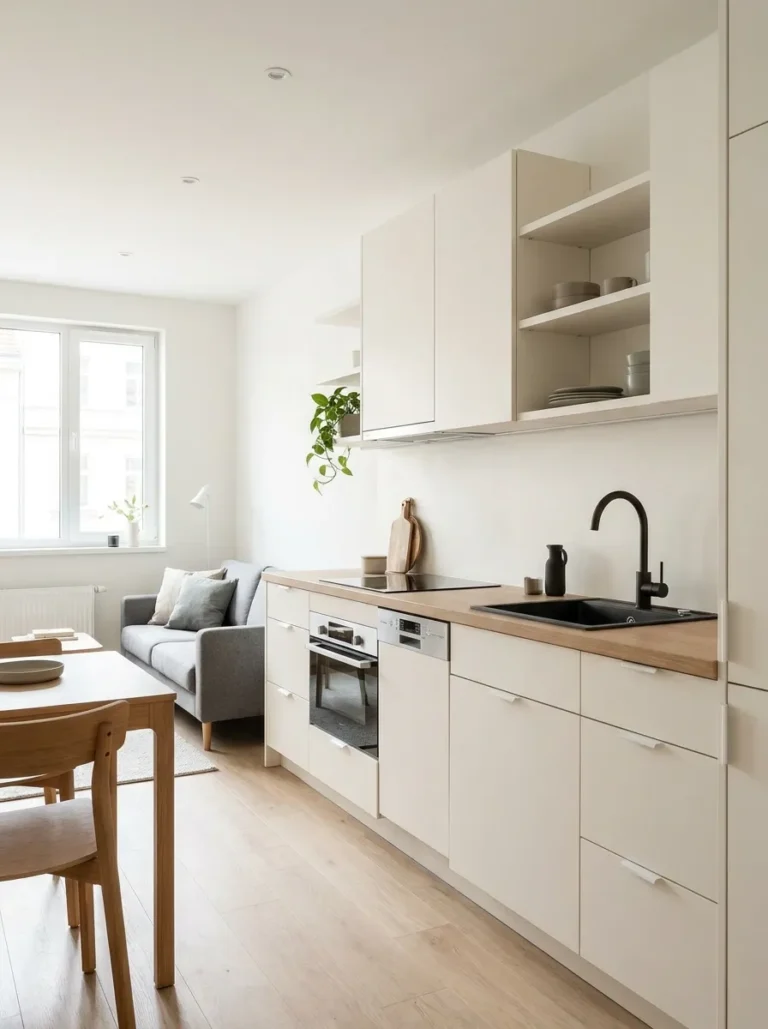
Comparing material durability upfront avoids paying for the same upgrade twice.
Mistake 4: Underestimating Storage Needs
Typical cost impact: $300–$1,500 in after-the-fact organizersIt’s easy to plan storage based on what’s currently in the kitchen rather than what actually needs to live there. Once cabinets are installed, adding pull-out organizers, deeper drawers, or corner solutions after the fact costs significantly more than planning for them during the initial design.
- Inventory everything that needs a home before finalizing cabinet layout, not just what fits on current shelves.
- Plan corner cabinet solutions during design — retrofitting a lazy Susan later is far more expensive.
- Leave room in the budget for drawer organizers and pull-out shelving from the start.
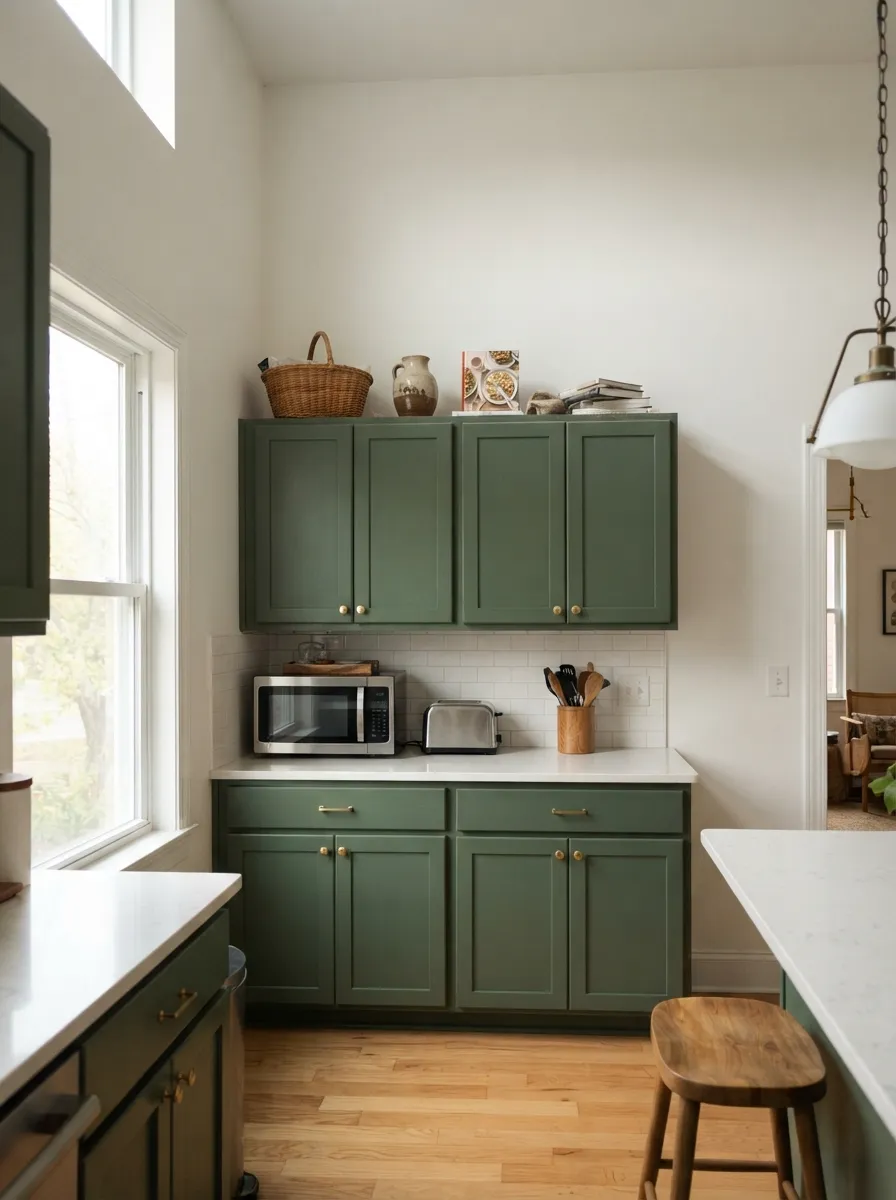
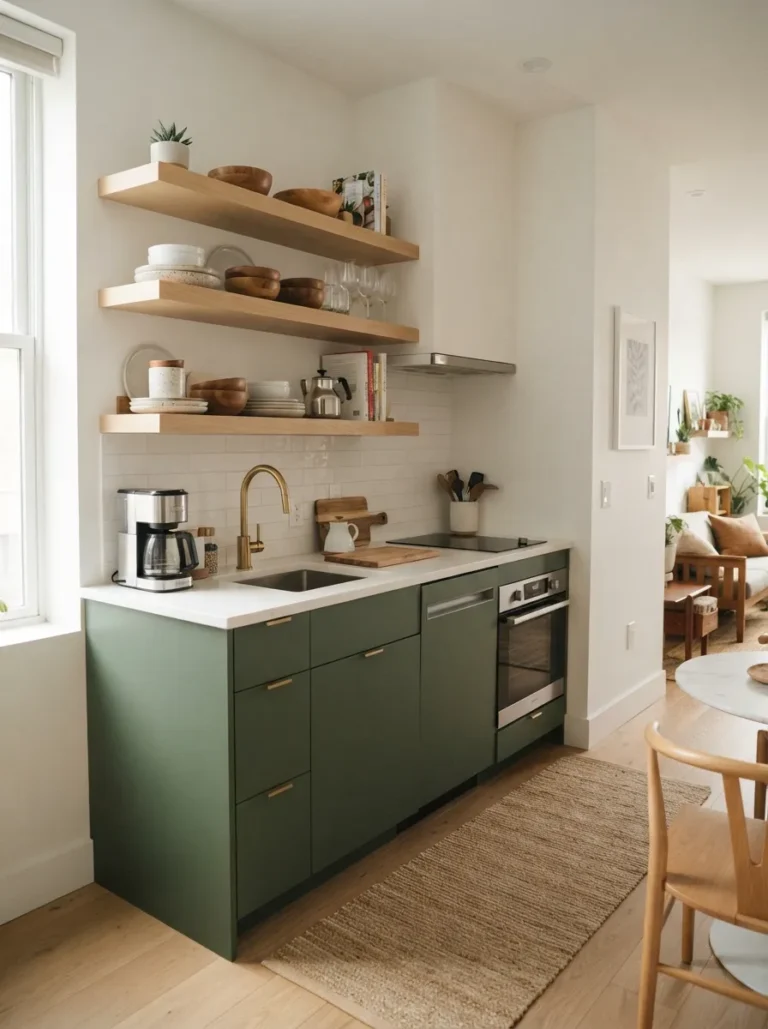
Unplanned storage gaps often get patched with costly after-market organizers.
Mistake 5: Poor Lighting Planning
Typical cost impact: $500–$2,000 to retrofitRelying on a single ceiling fixture is one of the most common small kitchen lighting mistakes, and adding task or accent lighting after cabinets and backsplash are already installed is far more expensive than wiring for it during the renovation. Plan your full lighting layout — ambient, task, and accent — before drywall goes back up. See our full breakdown in 40 small kitchen lighting ideas.
Mistake 6: Skipping a Contingency Fund
Typical cost impact: budget overruns of 10–20%+Small kitchen renovations frequently uncover surprises once walls or floors are opened — outdated wiring, water damage, or subfloor issues. Budgeting every dollar toward visible finishes with nothing held in reserve is one of the most common reasons projects stall mid-renovation. For a full cost breakdown and how to plan a realistic contingency, see our small kitchen remodel cost breakdown.
Mistake 7: Ignoring Ventilation
Typical cost impact: $400–$1,500 to add proper venting laterSkipping a properly vented range hood to save money upfront often leads to grease buildup, lingering odors, and excess moisture that can damage cabinets and paint over time. In small, more enclosed kitchens, inadequate ventilation is felt even faster than in larger, open-concept spaces.
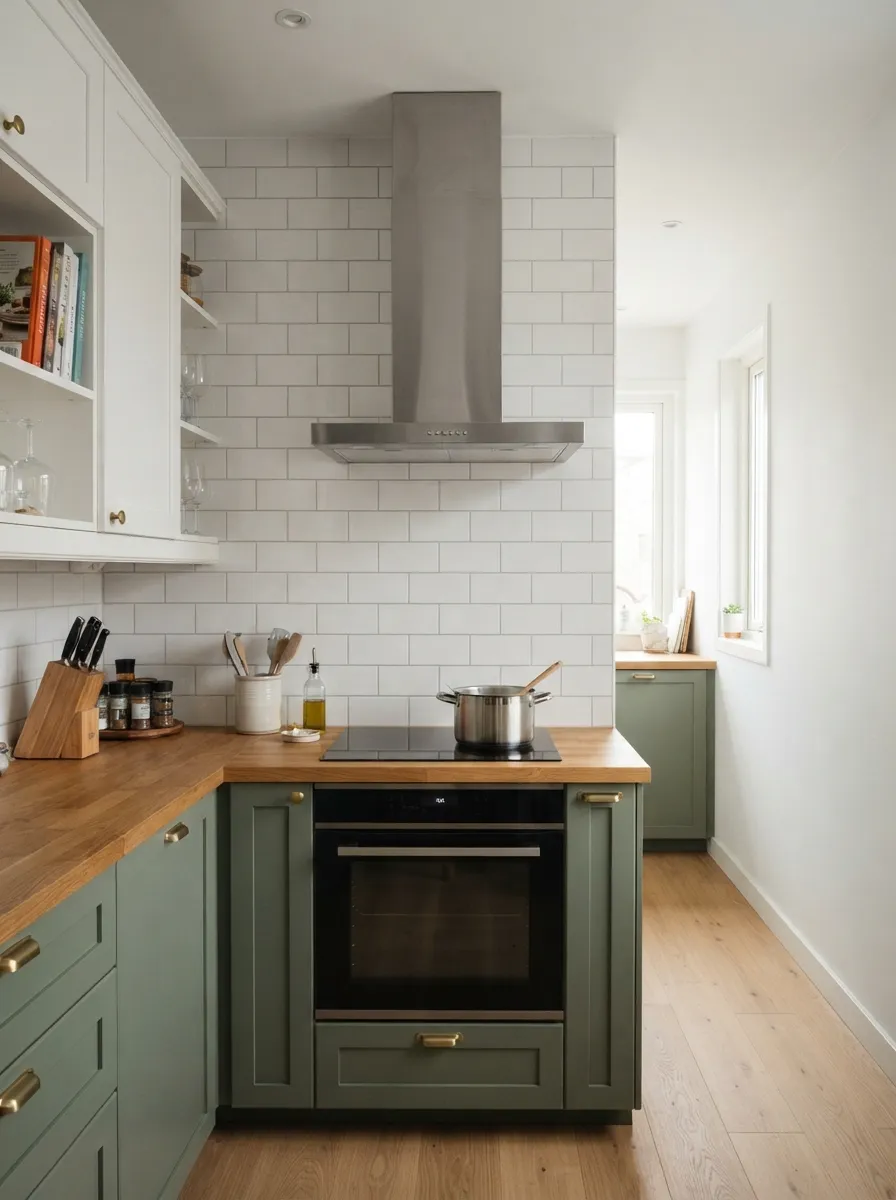
Proper ventilation protects cabinets, paint, and air quality long after the renovation is done.
Mistake 8: DIY Overreach on Plumbing and Electrical
Typical cost impact: highly variable — often the most expensive mistake on this listCosmetic DIY work like painting cabinets or installing a backsplash carries low risk. Attempting plumbing or electrical work without the right experience is a different story — a mistake here can mean water damage, code violations that block a future sale, or a safety hazard that costs far more to fix than hiring a licensed professional would have upfront.
- Leave gas line, electrical panel, and structural work to licensed professionals.
- Pull required permits even when it feels optional — an unpermitted change can complicate resale later.
- DIY the cosmetic work and hire out the technical work for the best balance of savings and safety.
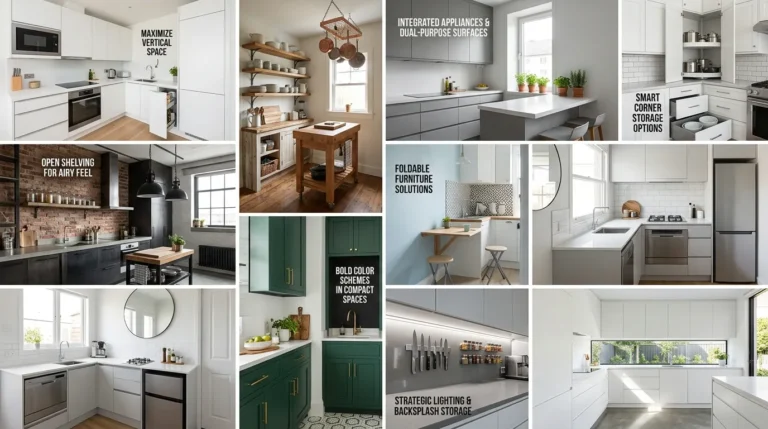
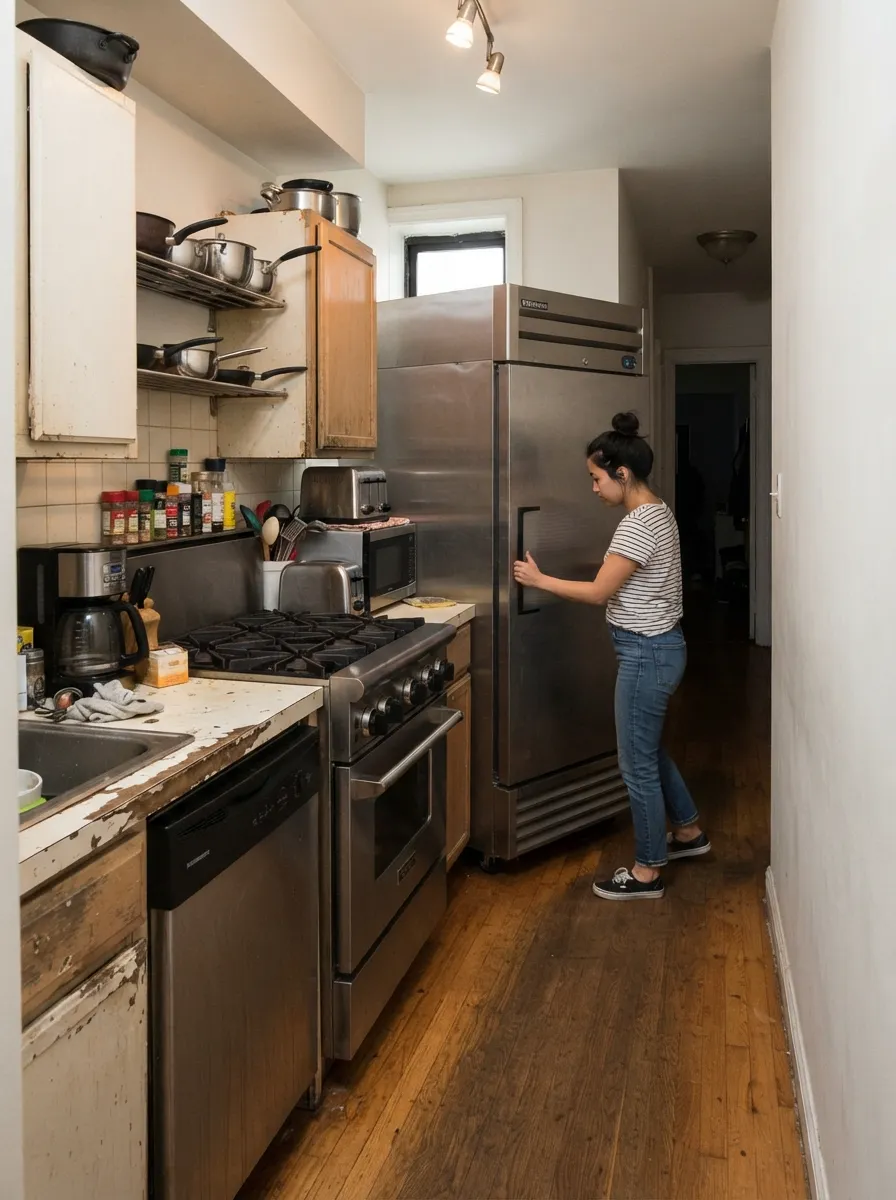
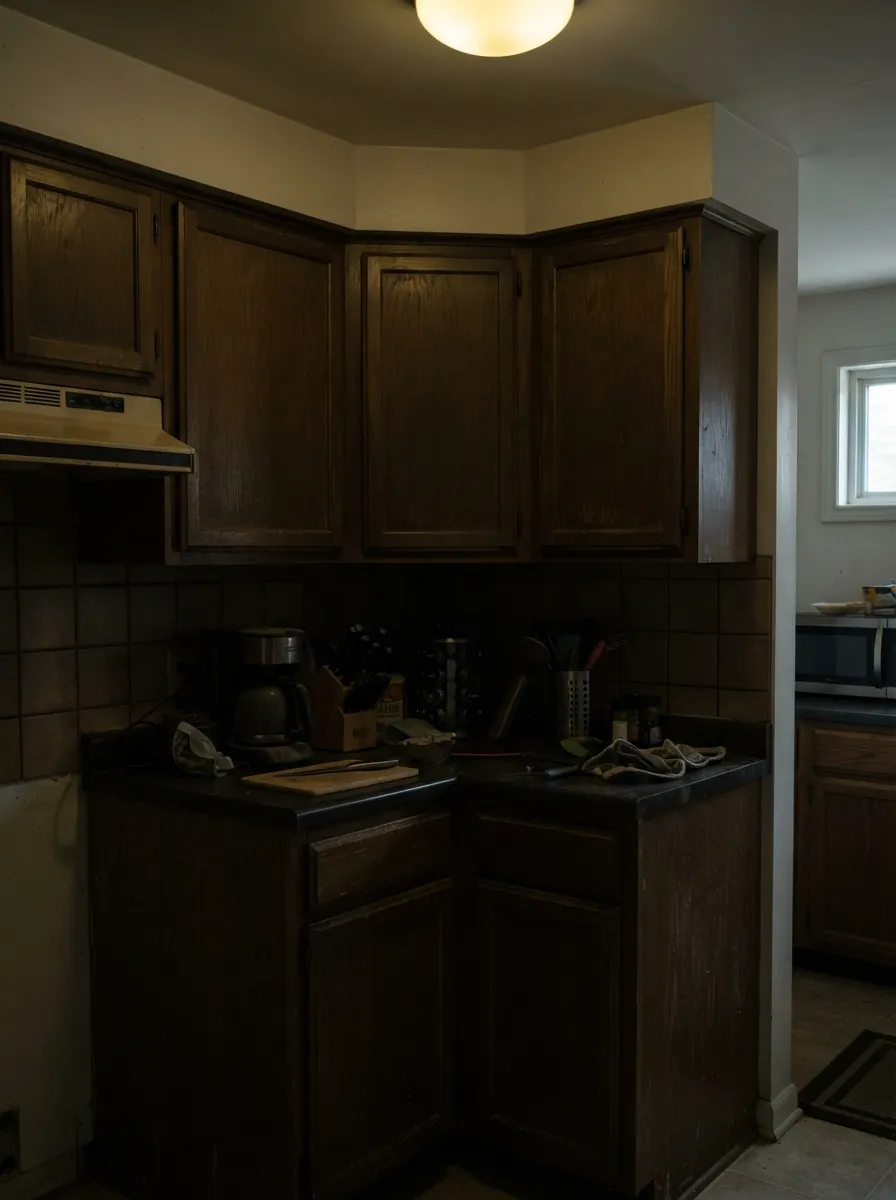
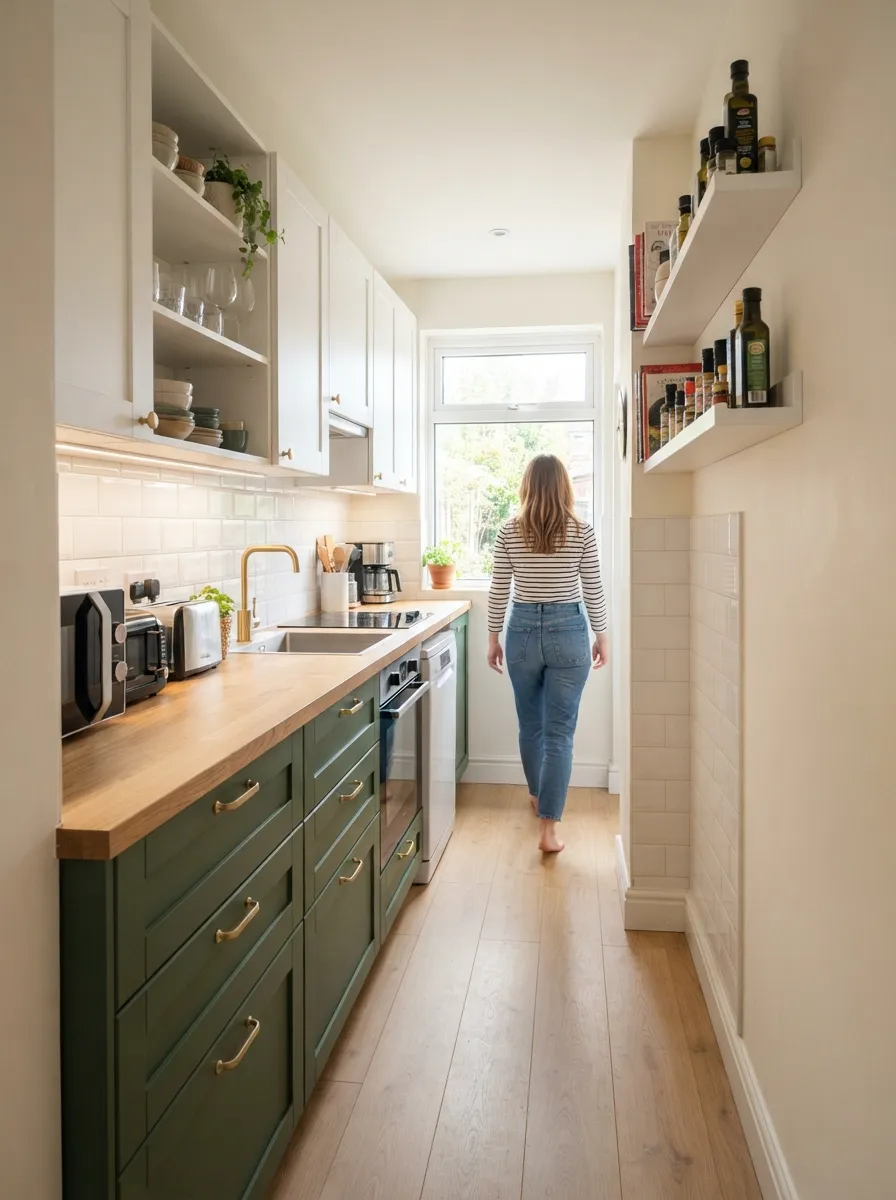
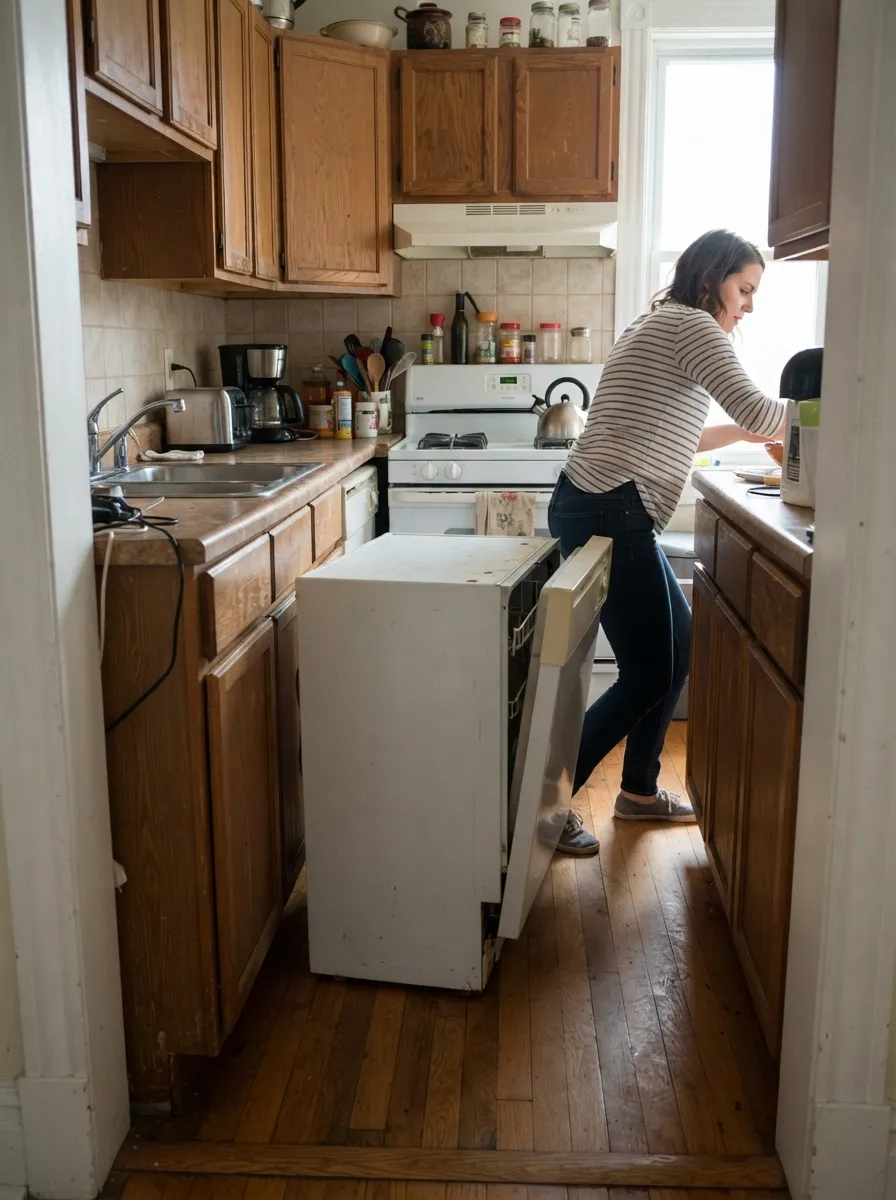
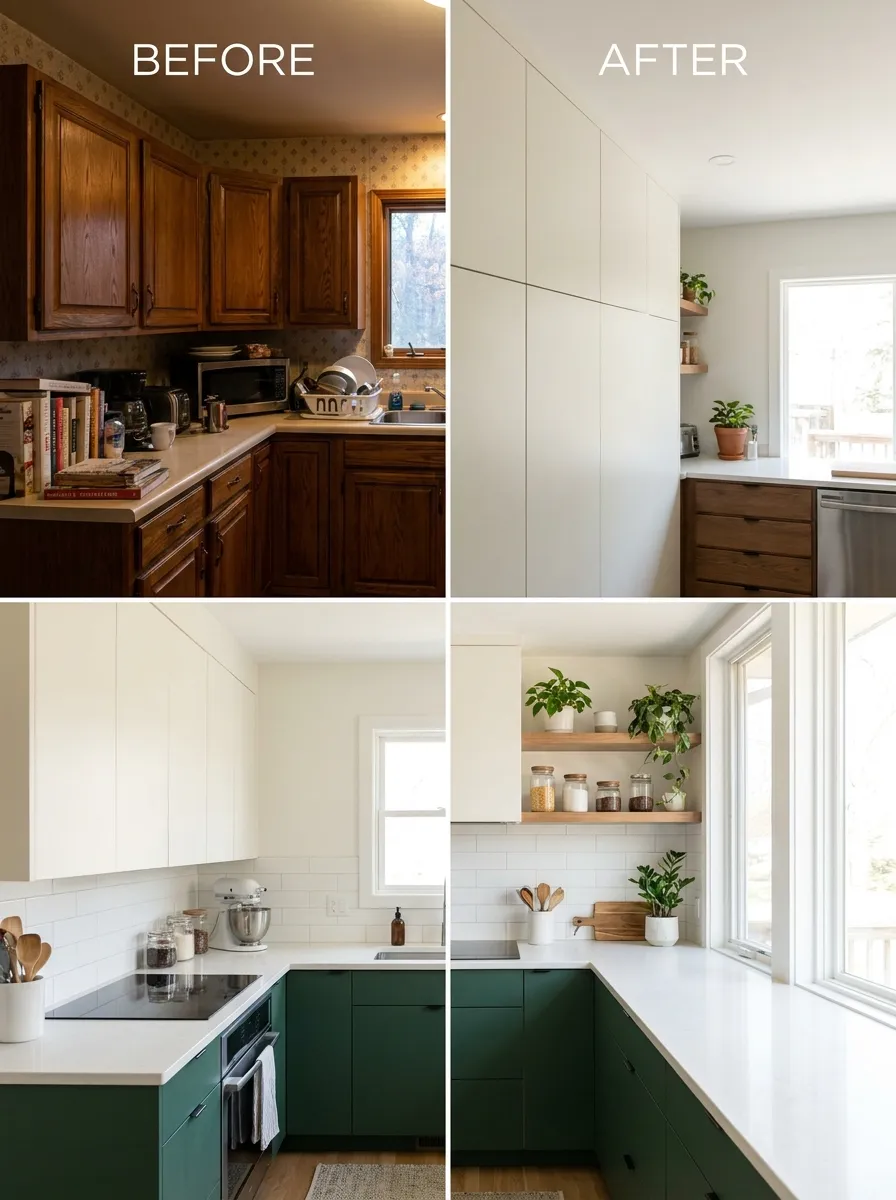
Image Gallery: Costly Small Kitchen Mistakes to Avoid

Frequently Asked Questions
What is the most expensive small kitchen design mistake?
Skipping accurate measurements before ordering cabinets or countertops, since it often forces a costly reorder and project delay.
Is it worth spending more on countertop materials?
Often yes for high-wear areas near the sink and stove, since a durable material with a longer warranty can be cheaper long-term than replacing a budget option early.
How much should I set aside as a contingency fund?
Most experienced contractors recommend 10-15% of your total renovation budget held in reserve for unexpected issues.
Can I DIY plumbing or electrical work to save money?
It’s not recommended. Mistakes in these areas can lead to water damage, safety hazards, or code violations that cost far more than hiring a licensed professional upfront.
Why does poor lighting planning cost more later?
Adding task or accent lighting after cabinets and backsplash are installed usually requires reopening finished surfaces, which is far more expensive than wiring for it during the renovation.
Does ignoring ventilation really cause damage?
Yes, inadequate ventilation can lead to grease buildup, lingering odors, and moisture damage to cabinets and paint over time.
Related Pages
Conclusion
Most costly small kitchen design mistakes come down to skipping a step that feels optional in the moment — accurate measurements, a lighting plan, a contingency fund — but becomes expensive to fix once cabinets, tile, and finishes are already in place. Slow down on the planning phase, and the visible parts of your renovation go far more smoothly. For the full cost picture before you start, check our small kitchen remodel cost breakdown, then explore remodel designs for inspiration once your plan is solid.
See the Full Cost Breakdown →