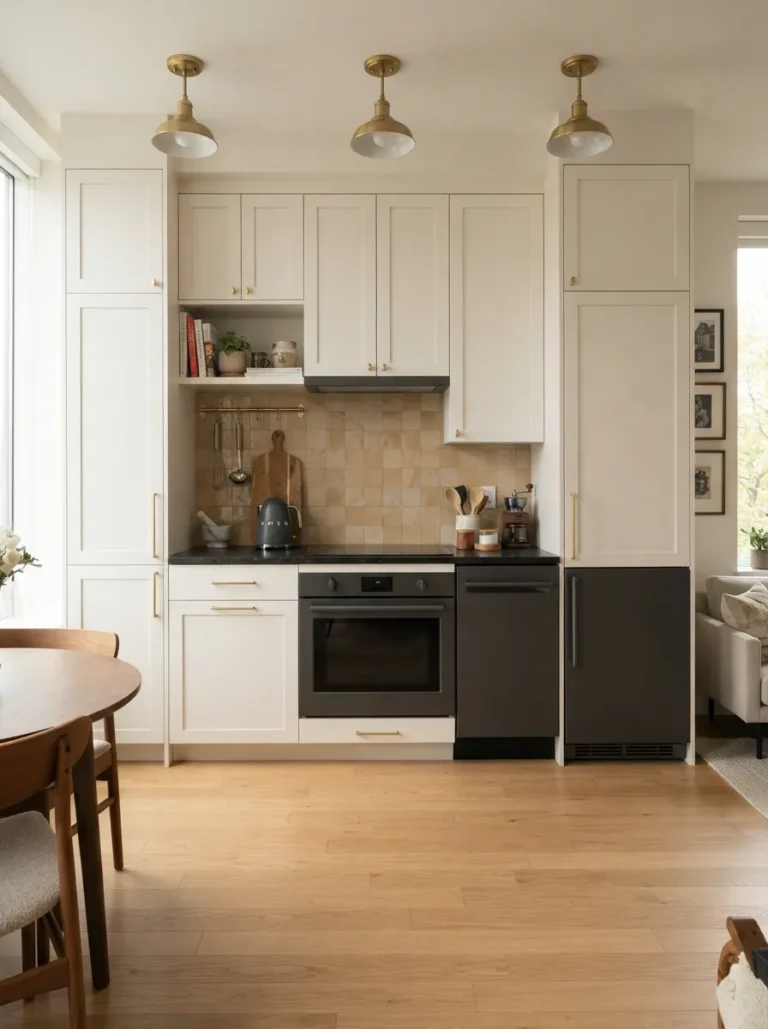
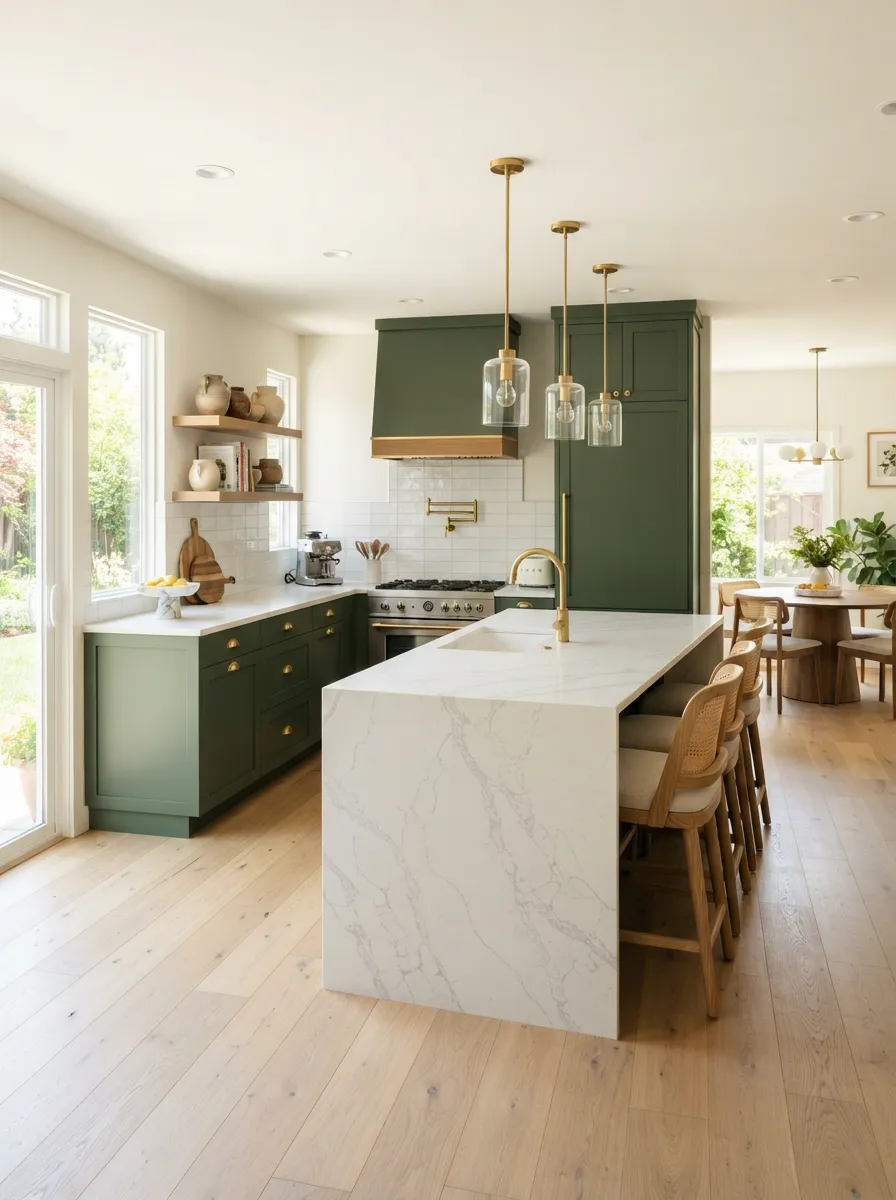
Small Kitchen Design for Podcasters and Home Content Creators
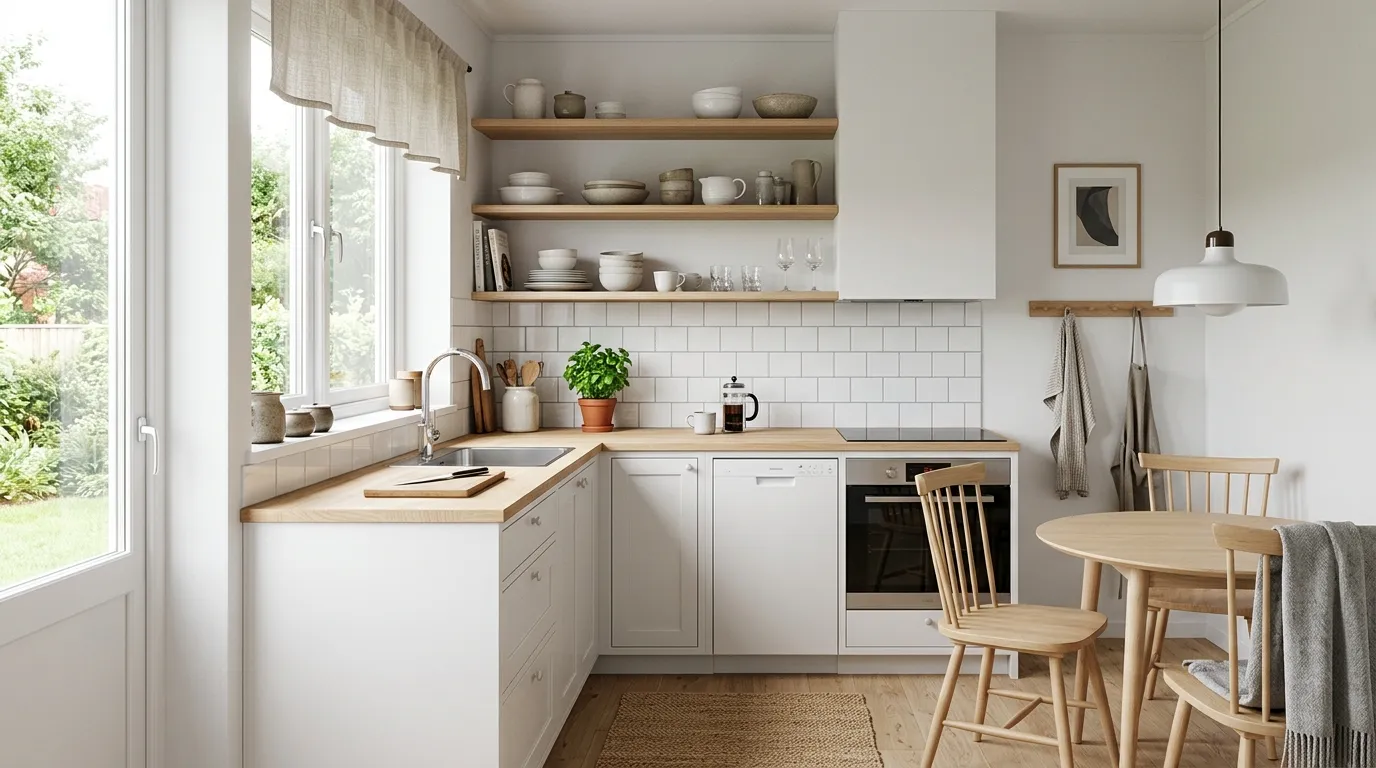
Small kitchen design for podcasters and home content creators has to balance two different uses of the same room: a functional cooking space and an on-camera or on-mic set. The good news is that most of what makes a kitchen work well for content creation, good lighting, a clean background, minimal echo, overlaps with what already makes a small kitchen function well day to day. This guide covers the specific adjustments worth making if your kitchen doubles as your recording space.
Quick Takeaways
- Designate one wall or counter section as your camera-ready background zone
- Soft surfaces (rugs, towels, upholstered stools) reduce echo for audio recording better than hard, bare surfaces
- Avoid single harsh overhead lighting on camera; use softer, diffused light sources instead
- Store recording equipment separately from cooking tools to avoid daily setup friction
- Keep one dedicated outlet or charging zone for cameras, mics, and lights near your setup spot
What’s In This Guide
Setting Up a Camera-Ready Background
Pick one wall or counter section of your kitchen as your consistent on-camera background, and keep it deliberately simpler than the rest of the kitchen. A busy backdrop with visible daily clutter, mismatched appliances, and cables pulls attention away from whatever you’re actually recording. Open shelving styled with a few consistent items (matching dishware, one or two plants) photographs better on camera than a fully stocked, everyday-use shelf, since it reads as intentional rather than cluttered. This same zone should also work as a normal part of your kitchen when you’re not recording, since designing it purely for the camera can make daily use feel staged or impractical.
Reducing Echo for Better Audio
Kitchens are notoriously bad rooms for audio, since hard surfaces (tile, countertops, glass, bare walls) reflect sound and create an echo that’s hard to fix in post-production. A few practical fixes work within a small kitchen without a full acoustic renovation:
- A small area rug on the floor near your recording spot absorbs sound that would otherwise bounce off hard flooring
- Kitchen towels, a soft chair cushion, or upholstered stools nearby soften reflective surfaces close to your mic
- Recording during appliance-quiet periods (fridge compressor cycles, dishwasher, HVAC) avoids background hum that’s difficult to remove afterward
- A directional microphone, rather than your device’s built-in mic, picks up less of the room’s natural echo in the first place
Lighting That Works on Camera
The same overhead lighting that works fine for cooking often creates unflattering shadows on camera, since a single ceiling-mounted source lights faces from directly above. A small ring light or softbox positioned at eye level, angled toward your recording spot, fills in those shadows far more effectively than relying on your kitchen’s existing overhead fixtures alone. If you record near a window, diffused natural light (through a sheer curtain rather than direct sun) is often the most flattering and free lighting option available, though consistency matters more than perfection since you’ll want similar lighting across multiple recording sessions.
Storing Equipment Separately From Cooking Tools
Mixing recording equipment (mics, cables, tripods, lights) into your everyday kitchen drawers creates daily friction, both for cooking and for recording, since you’re constantly digging past one set of tools to reach the other. A dedicated bin, a small rolling cart, or a single drawer reserved only for recording gear keeps both systems functional. If space allows, a slim cart that lives elsewhere and rolls into the kitchen only during recording sessions keeps equipment fully out of the way the rest of the time. A dedicated outlet strip or charging station near your setup spot, for cameras, mic batteries, and lights, also removes a small but real daily hassle of hunting for a free outlet before each session.
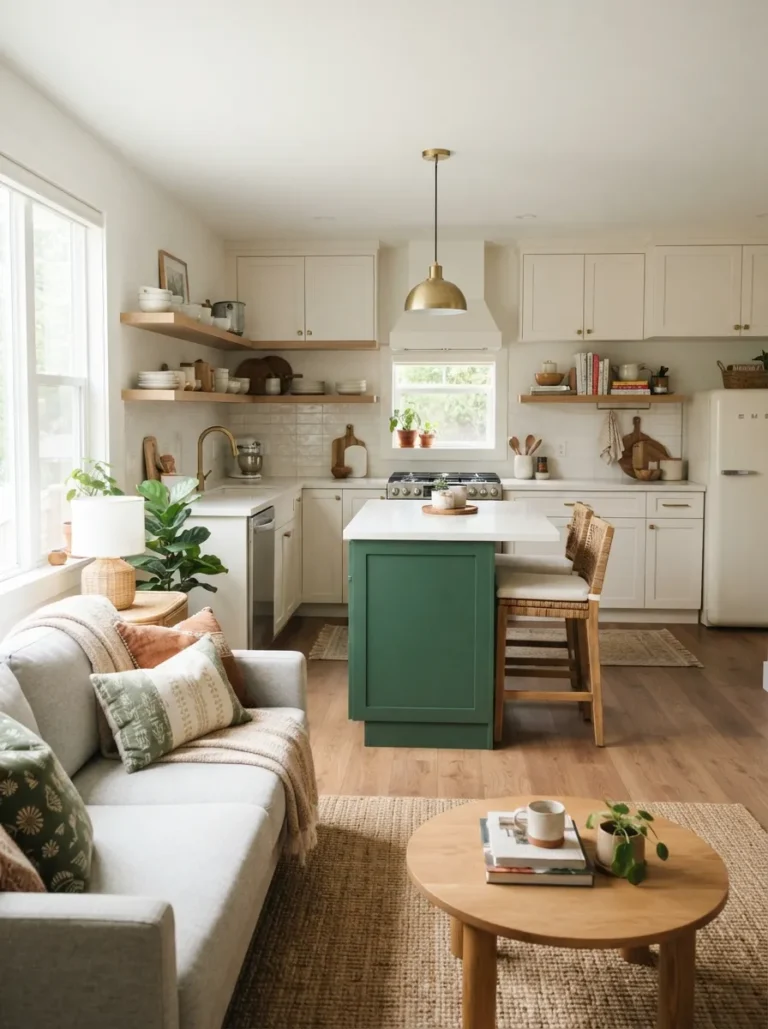
A bright, uncluttered kitchen photographs well on camera
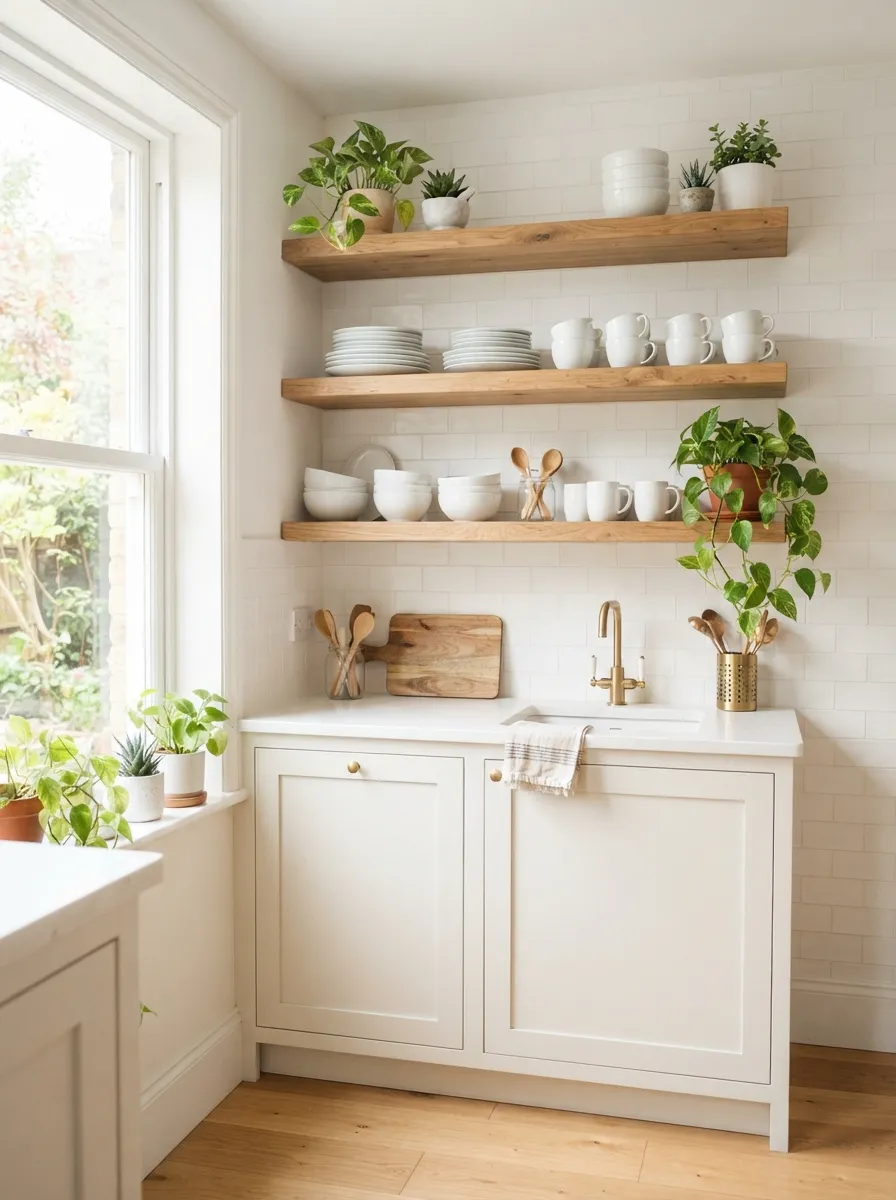
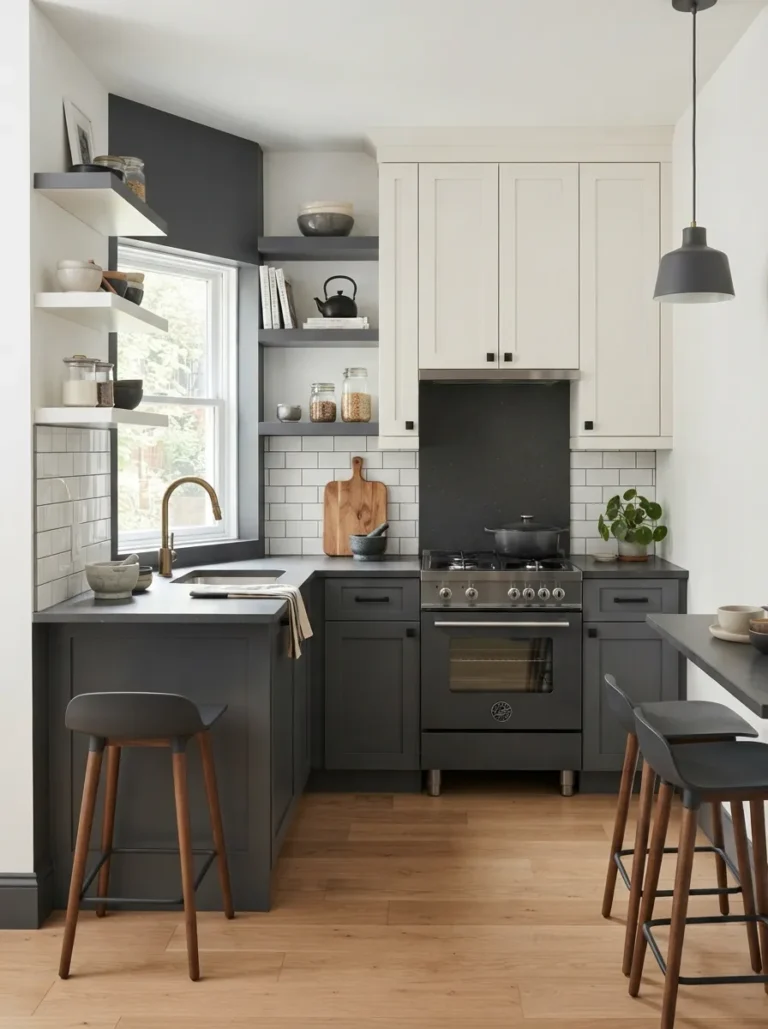
Simply styled open shelving makes a clean, consistent backdrop
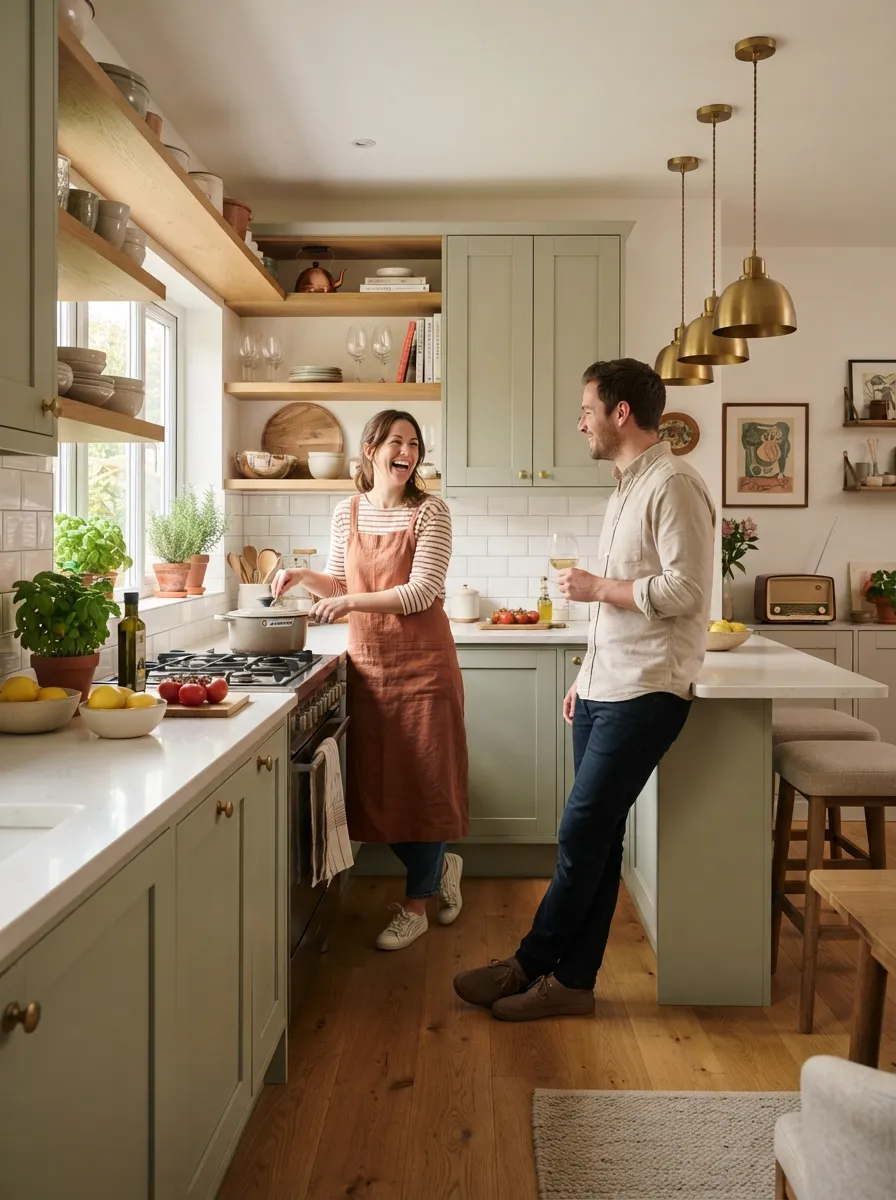
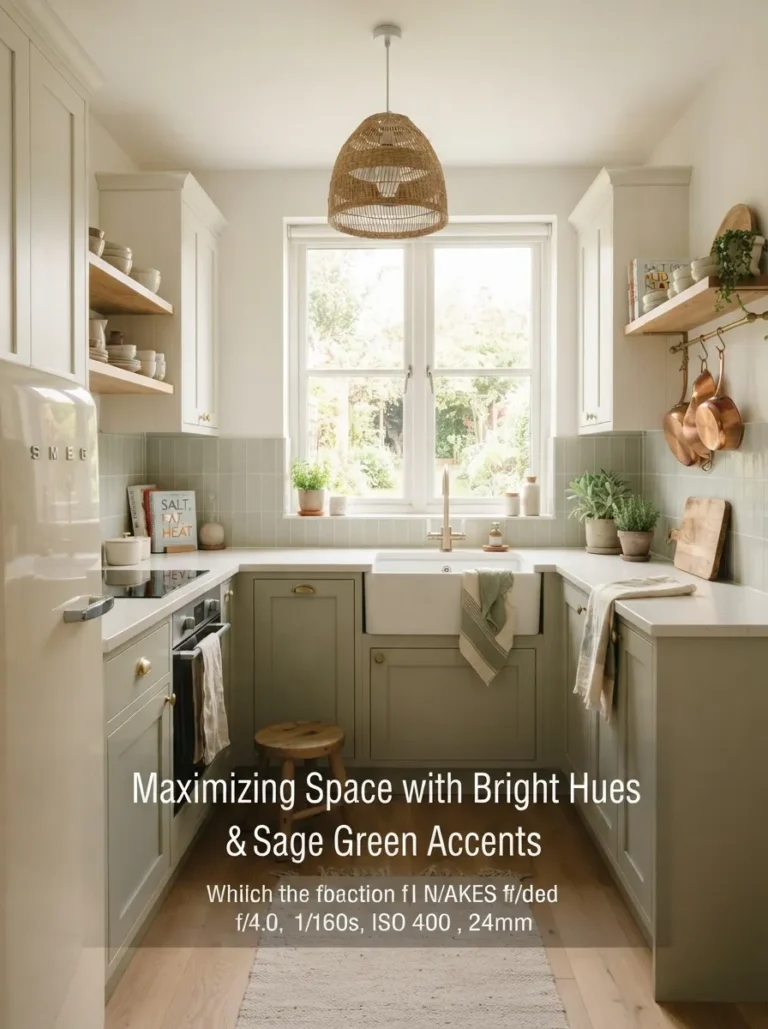
A warm, welcoming setup works well for on-camera hosting
Keeping the Kitchen Functional Between Recording Sessions
A kitchen that’s permanently set up as a recording studio stops working well as an actual kitchen, which defeats the purpose for most home creators who need the space to do both. A workable middle ground: keep your background zone styled simply enough that it looks intentional in everyday use too, not just on camera, and store lighting and mounting gear in a way that breaks down and puts away in a few minutes rather than staying permanently assembled. This keeps counters and walkways clear for actual cooking between sessions, which matters more in a small kitchen than it would in a larger one with room to spare for a semi-permanent setup.
A Simple Equipment Checklist
Most kitchen-based content creators don’t need a professional studio setup. A basic, kitchen-friendly kit covers the essentials without crowding an already small space:
- One directional microphone (or a lavalier mic clipped to clothing) rather than relying on a device’s built-in mic
- One small ring light or softbox on a compact tripod, positioned at eye level
- A phone or camera mount that clips to a counter edge or shelf, avoiding the need for a full floor tripod in a tight space
- A small collapsible reflector, which folds flat for storage and bounces available light back toward your face when needed
Keeping this kit intentionally minimal both saves storage space and reduces setup time before each recording session, which matters more in a small kitchen than it would in a dedicated studio room.
Mistakes to Avoid
Recording with only overhead kitchen lighting. It’s convenient, but the shadows it creates on camera are hard to fix afterward. A dedicated light source at eye level solves this quickly.
Ignoring echo until after a recording session. Testing audio in your chosen spot before a real session, rather than discovering echo problems during editing, saves significant rework.
Storing gear mixed in with cooking tools. This creates daily friction for both uses of the kitchen and often means missing cables or batteries right before a recording session.
Frequently Asked Questions
How do I reduce echo when recording in a kitchen?
Add soft surfaces near your recording spot, like a rug, towels, or upholstered seating, and use a directional microphone rather than a device’s built-in mic to pick up less of the room’s natural echo.
What’s the best lighting setup for filming in a small kitchen?
A small ring light or softbox at eye level, angled toward your recording spot, fills in shadows that overhead kitchen lighting alone creates on camera.
Where should I store podcasting or filming equipment in a small kitchen?
A dedicated bin, drawer, or rolling cart reserved only for recording gear keeps it separate from everyday cooking tools and avoids daily setup friction.
Can a small kitchen work as both a functional kitchen and a filming space?
Yes, most of what makes a kitchen work well for content creation, good lighting, a clean background, minimal clutter, overlaps with everyday small kitchen design principles.
Should I use natural light or artificial light for kitchen content?
Diffused natural light through a sheer curtain is often flattering and free, but consistency matters more than perfection, so many creators supplement with artificial lighting to keep sessions consistent across different times of day.
Related Pages
Final Thought
A small kitchen can absolutely double as a content creation space without a major renovation. Focus on a consistent, simply styled background, a couple of soft surfaces to tame echo, lighting at eye level rather than only overhead, and a dedicated spot for equipment separate from your everyday cooking tools. Those few changes solve most of the friction between cooking in a kitchen and recording in one, and they scale easily as your setup grows more sophisticated over time.
Want more ways to make your small kitchen work harder?
Explore Small Kitchen Interior Design