Small Kitchen Design in Historic and Heritage Homes
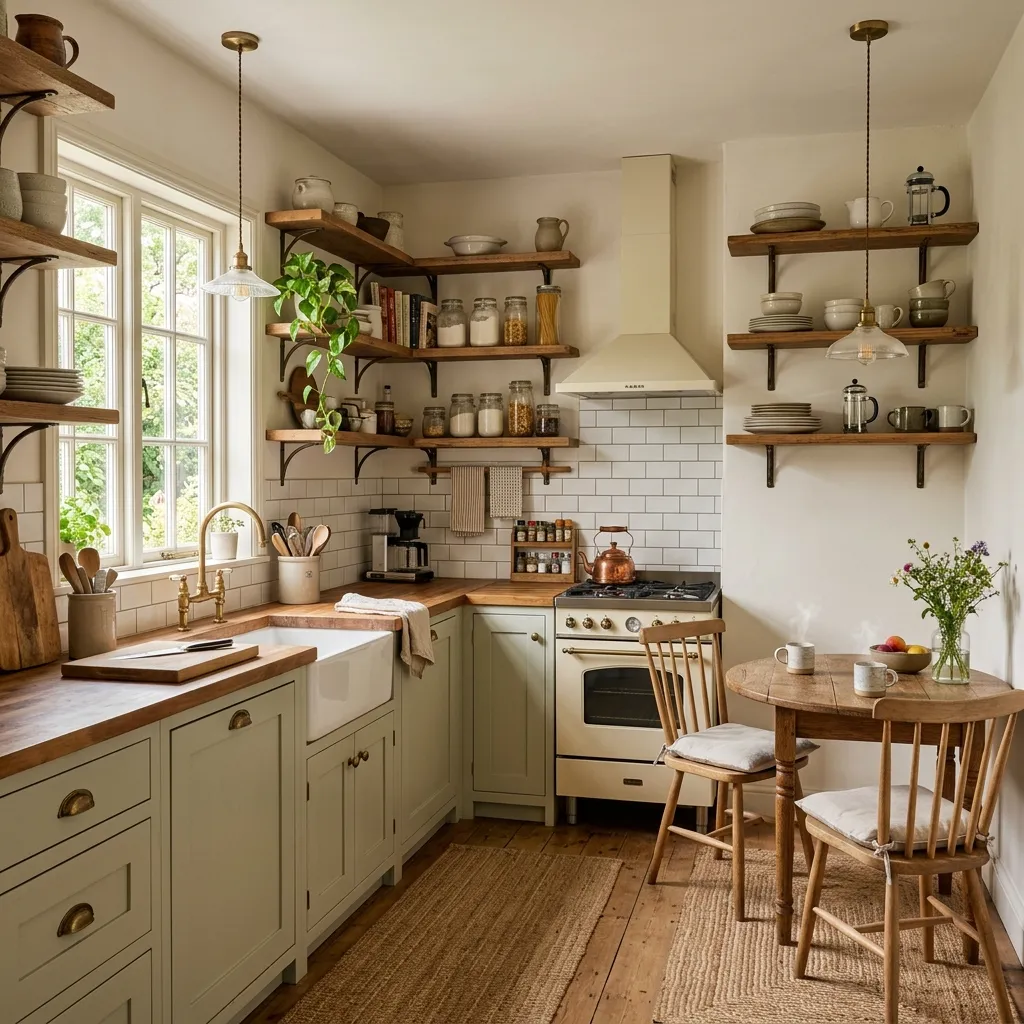
Small kitchen design in historic and heritage homes means balancing modern function with the architectural character that makes the home worth preserving in the first place — original moldings, period-appropriate materials, and window placement often can’t (or shouldn’t) change, so the design has to work around them rather than against them. The result, done well, feels updated without feeling like it was dropped in from a different house.
Quick Takeaways
- Preserve original architectural details — moldings, windows, doorways — wherever possible.
- Choose period-appropriate materials like soapstone, porcelain tile, and natural wood.
- Vintage-style lighting fixtures bridge old character with modern brightness needs.
- Some historic districts require approval for exterior-visible changes, including windows.
- Modern appliances can be concealed behind period-style cabinet fronts for a cohesive look.
Table of Contents
1. Preserve What Makes It Historic
Before changing anything, identify which elements give the kitchen its historic character — original windows, exposed beams, plaster walls, or unusual room proportions. These are usually worth designing around rather than removing, since replacing them can both diminish the home’s character and its value. A small kitchen’s quirks, like an oddly placed window or a lower ceiling height, often become the room’s most charming features once the rest of the design supports them.
2. Period-Appropriate Materials
Materials that were common in the home’s original era tend to look most at home in a historic kitchen. Soapstone and marble suit older colonial and Victorian homes, porcelain hexagon or subway tile suits early-20th-century bungalows and cottages, and natural wood shelving or cabinetry suits farmhouse and craftsman styles. Choosing materials with a genuine period connection avoids the mismatched feeling that comes from dropping in fully modern finishes.
3. Lighting That Bridges Old and New
Vintage-style fixtures — wall sconces, schoolhouse pendants, exposed filament bulbs — provide period character while modern LED bulbs inside them deliver the brightness a small kitchen actually needs for cooking. This combination lets you keep the period look without sacrificing the practical light levels a functional kitchen requires.
4. Historic District Regulations
If your home sits in a designated historic district, exterior-visible changes — including window replacements or additions — often require approval from a local historic preservation board before work begins. Interior changes are usually unrestricted, but it’s worth checking local requirements early, since retrofitting a design to meet approval after the fact is far more costly than planning for it from the start.
5. Concealing Modern Appliances
Modern appliances don’t have to disrupt a period look. Panel-ready refrigerators and dishwashers accept custom cabinet fronts that match your surrounding cabinetry, effectively hiding them in plain sight. A modern range hood can be built into a plaster or wood surround styled to look like a traditional chimney breast, keeping the kitchen’s overall silhouette consistent with its era.
Rustic, period-inspired finishes suit a historic home’s original character.
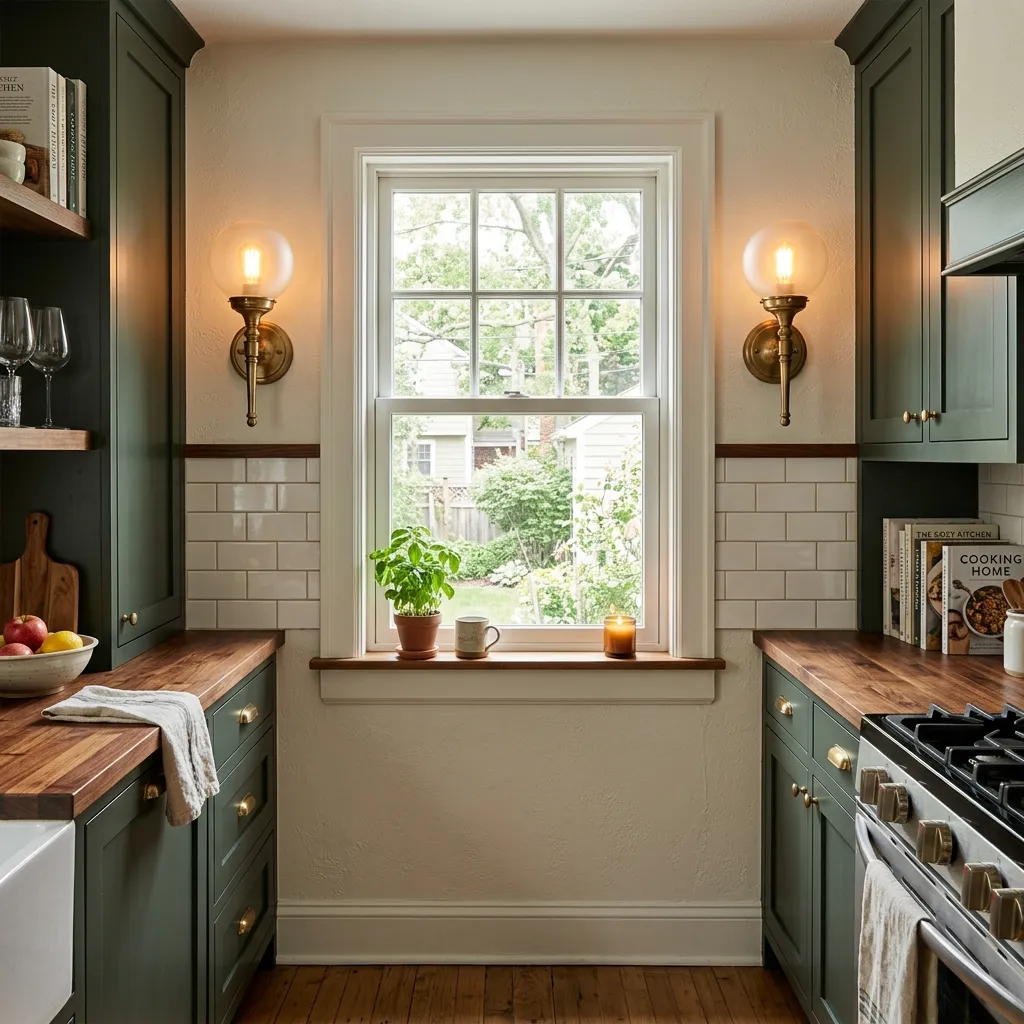
Vintage-style wall sconces bridge period character with modern brightness.
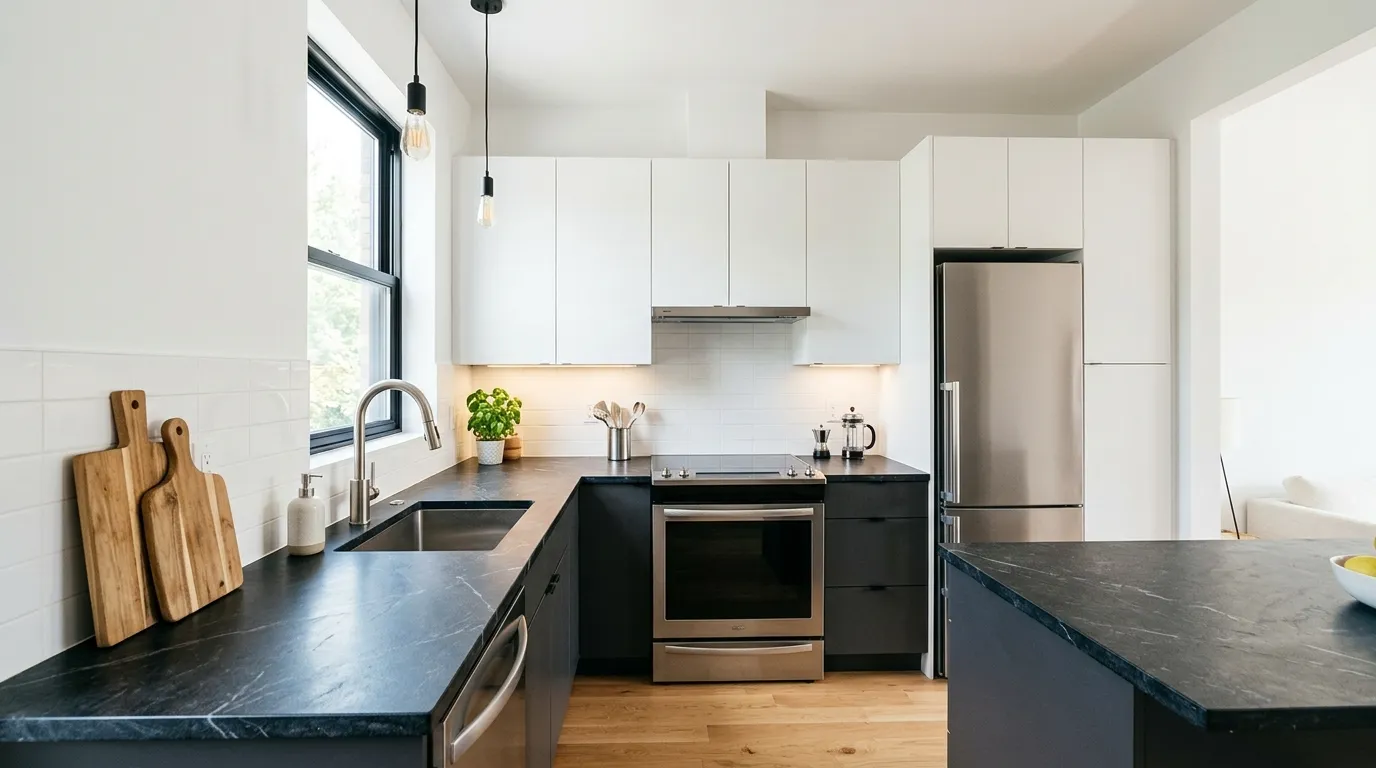
Soapstone countertops suit colonial and Victorian-era heritage homes.
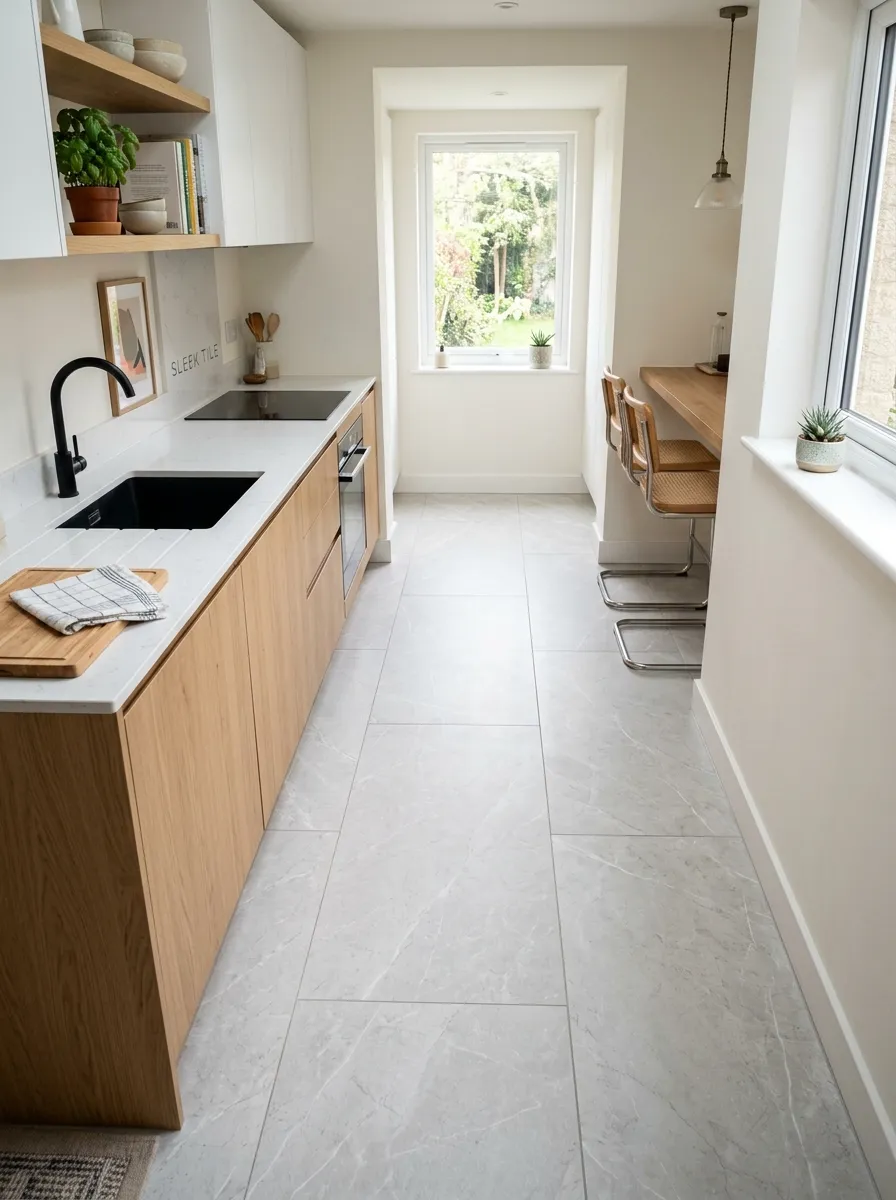
Porcelain tile suits early-20th-century bungalow and cottage kitchens.
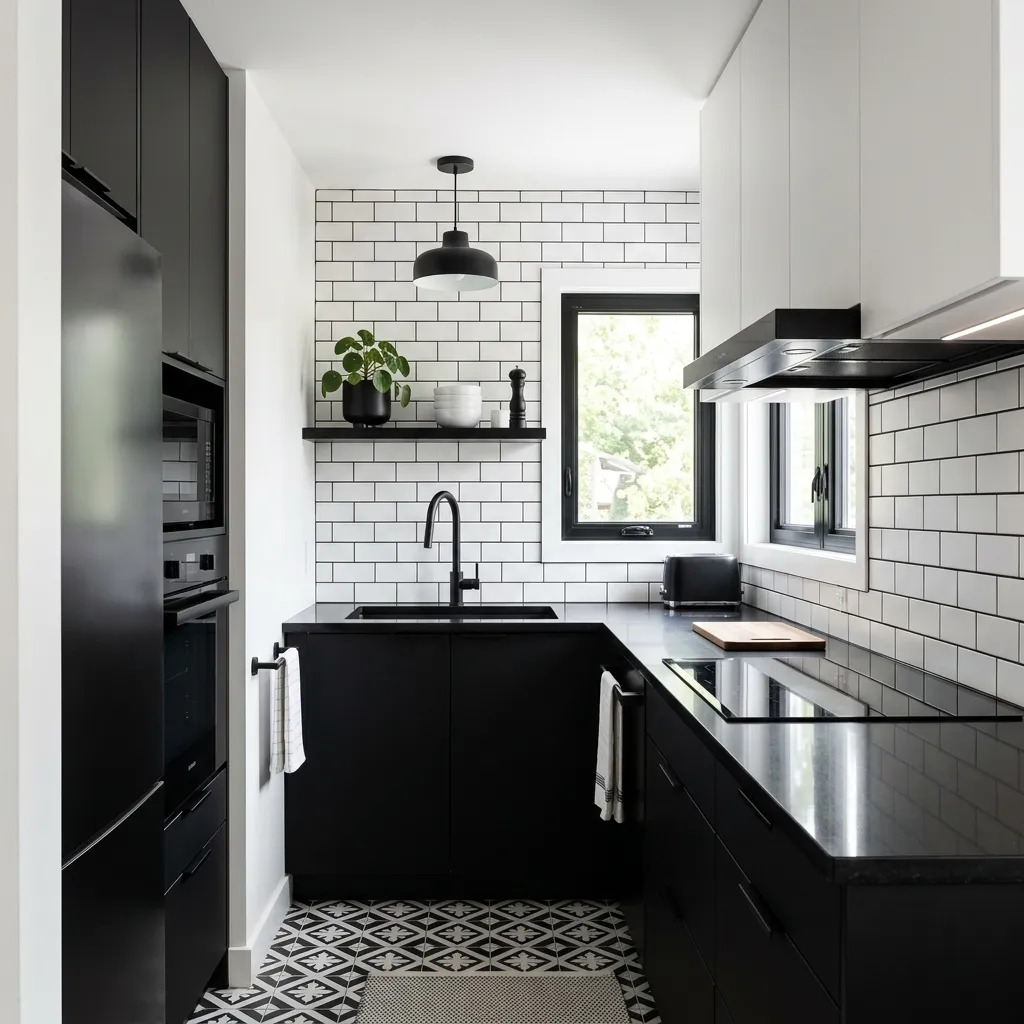
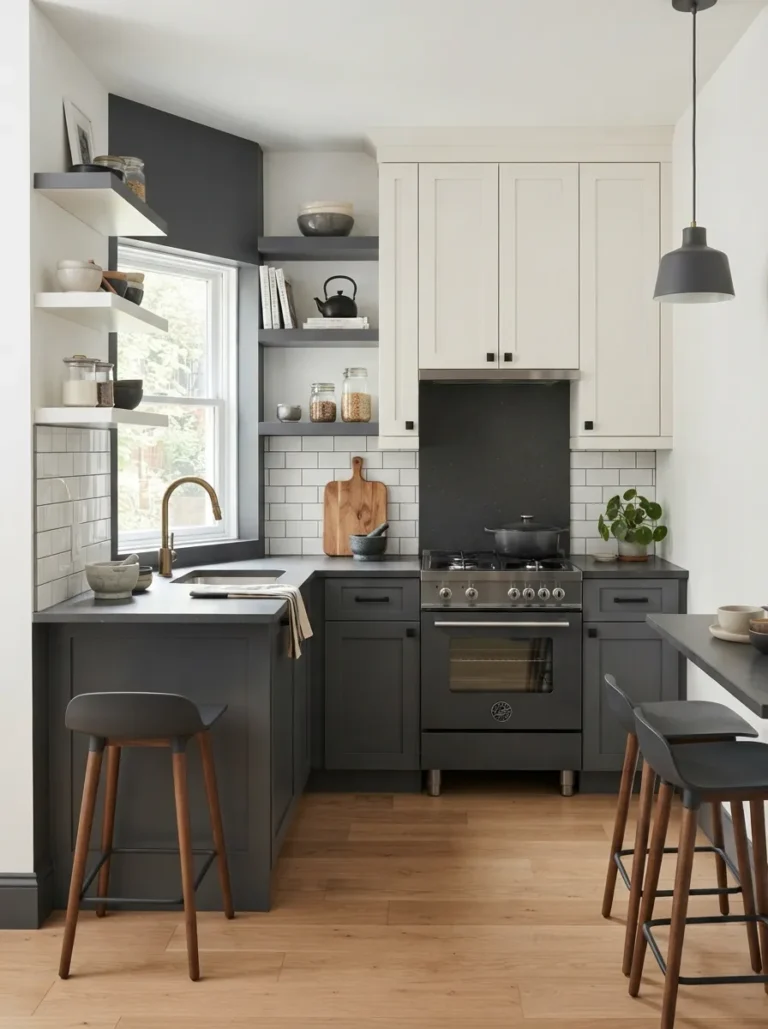
A classic black-and-white palette suits many historic home styles.
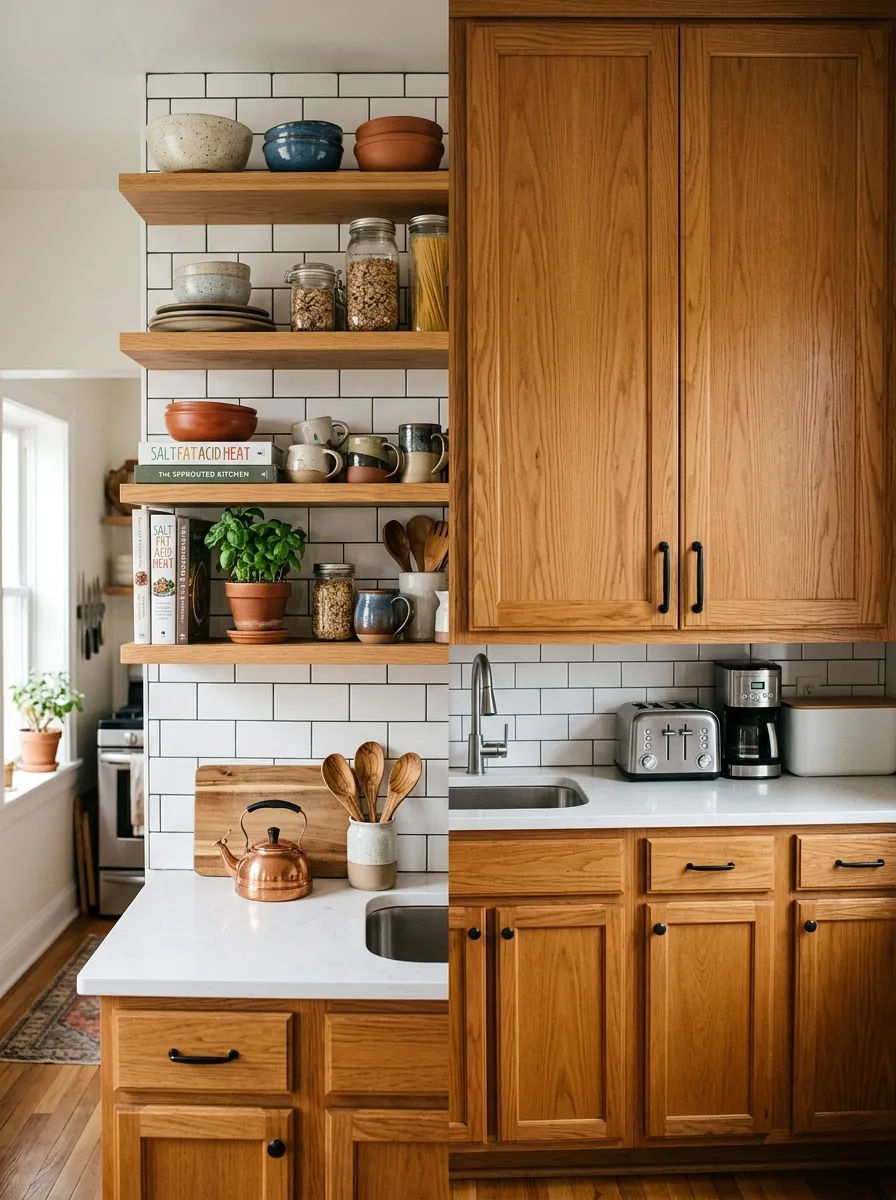
Natural wood shelving suits farmhouse and craftsman heritage styles.
Frequently Asked Questions
Can I modernize a historic home’s kitchen without losing its character?
Yes, by preserving key architectural details and choosing period-appropriate materials while updating function behind the scenes.
Do I need approval to renovate a kitchen in a historic district?
Interior changes are usually unrestricted, but exterior-visible changes like window replacements often require approval from a local preservation board.
Can modern appliances fit into a period-style kitchen?
Yes, panel-ready refrigerators and dishwashers accept custom cabinet fronts that blend with surrounding period-style cabinetry.
What materials suit a historic kitchen renovation?
Soapstone and marble suit colonial and Victorian homes, porcelain tile suits bungalows and cottages, and natural wood suits farmhouse and craftsman styles.
Should I remove original architectural quirks for a more functional layout?
Generally no, original quirks like an odd window placement or lower ceiling often become charming features once the design works around them.
What lighting works best for low-ceilinged historic kitchens?
Flush-mount or wall-mounted fixtures typically work better than pendants, which can feel out of proportion in a lower-ceilinged room.
Related Pages
Renovating a Heritage Home?
Document original details before any demo begins, and check local historic district requirements early. Browse our interior design guide for more period-appropriate inspiration.