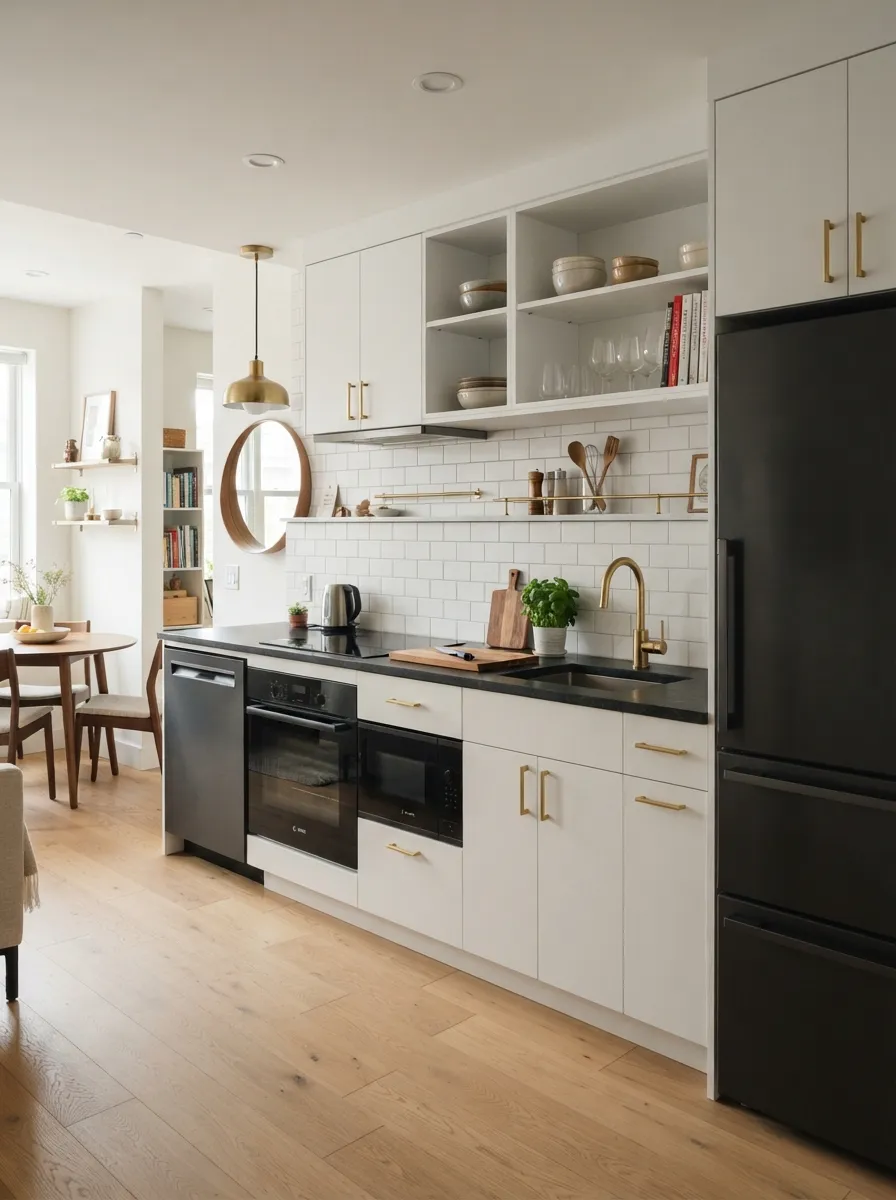
Cultural Influences on Small Kitchen Design Worldwide
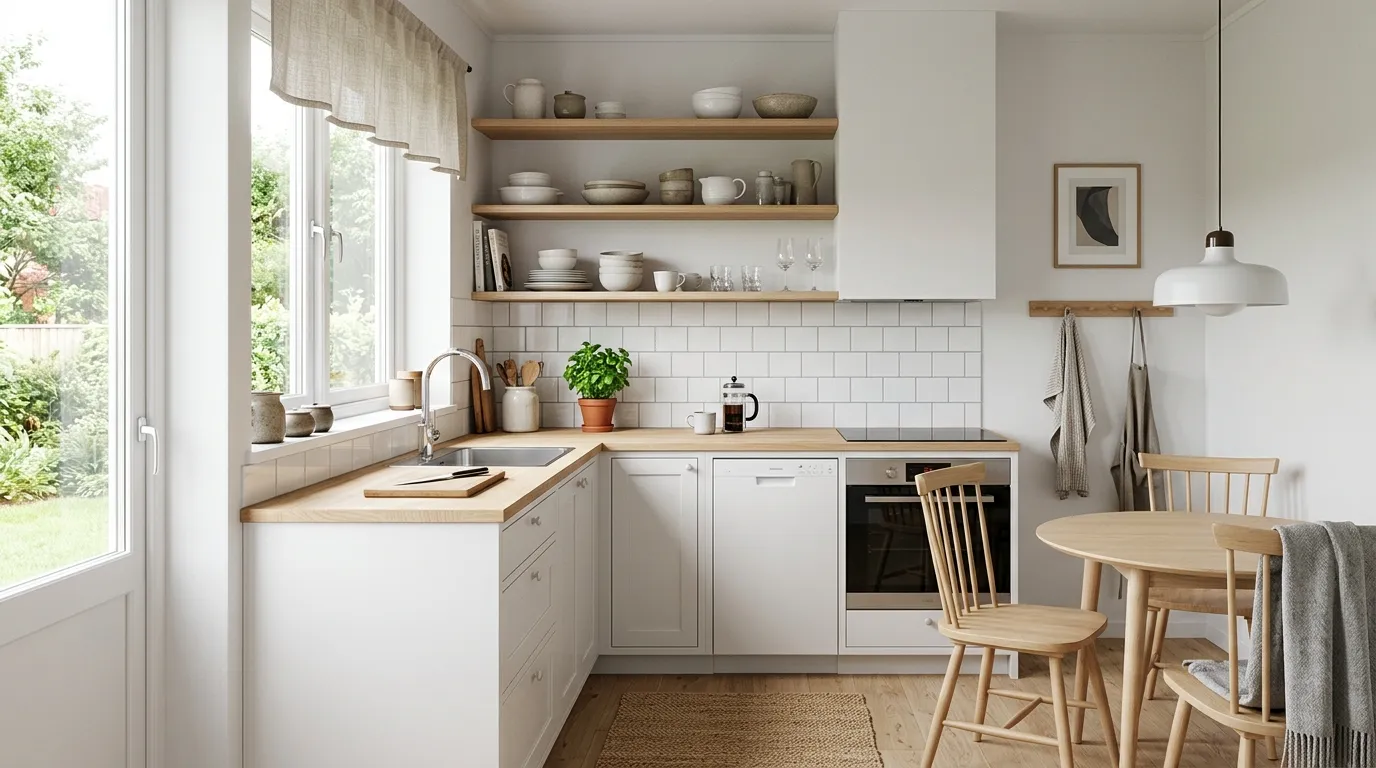
Small kitchens have existed for centuries across cultures that never had the luxury of extra square footage, and each developed its own approach worth borrowing from — Japanese design prioritizes concealment and negative space, Scandinavian design leans on light and warmth, and Mediterranean and Latin American kitchens often build storage and seating around open, social layouts. Looking at how different cultures solve the same small-space problem offers real, usable ideas.
Quick Takeaways
- Japanese kitchen design favors hidden storage and deliberate empty space over display.
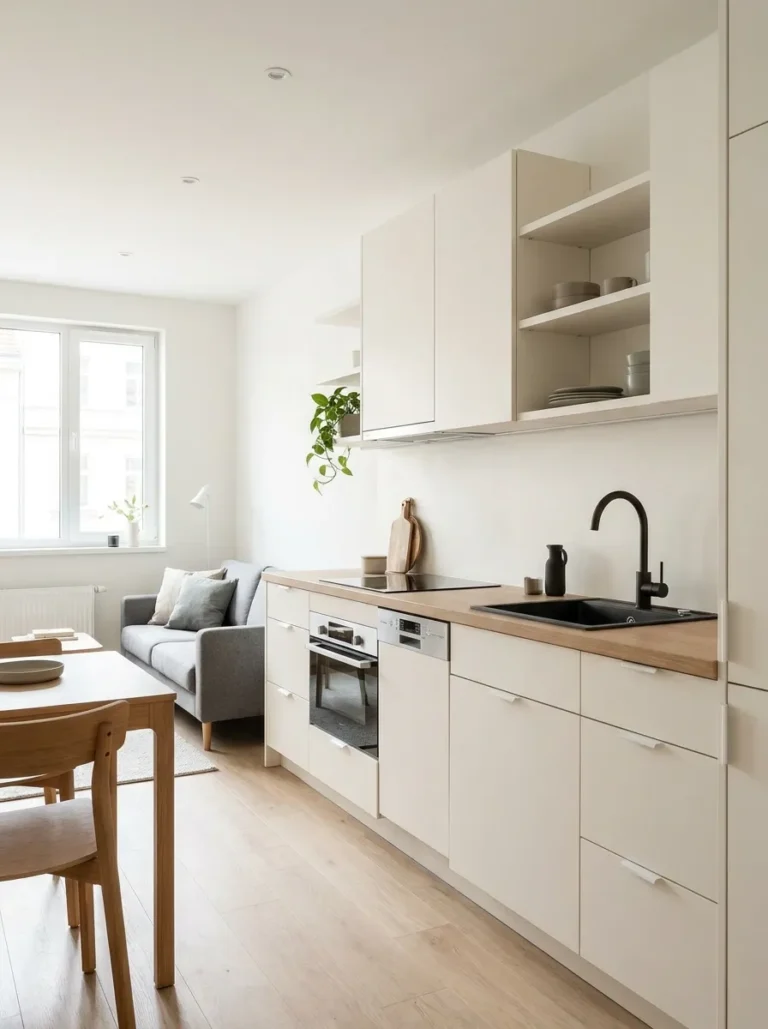
- Scandinavian design uses light wood, white walls, and warm textiles to soften small spaces.
- Mediterranean kitchens often integrate open shelving and visible, everyday ingredients.
- European galley kitchens are built around ultra-efficient, no-wasted-inch layouts.
- Many cultures prioritize multi-functional furniture over dedicated single-use pieces.
Table of Contents
1. Japanese Minimalism
Traditional Japanese kitchen design favors concealment — appliances and storage tucked behind clean panel fronts — and deliberate negative space, treating an empty counter as valuable rather than wasted. This approach borrows well for any small kitchen struggling with visual clutter, since the philosophy is less about owning fewer things and more about keeping what you own out of sight until needed.
2. Scandinavian Warmth
Scandinavian design responds to long, dark winters with light wood tones, white or pale walls, and warm textiles that keep a small kitchen from feeling cold or clinical despite the pared-back aesthetic. This is a strong reference point for small kitchens in any climate, since it proves minimalism doesn’t have to mean stark or unwelcoming.
3. Mediterranean Openness
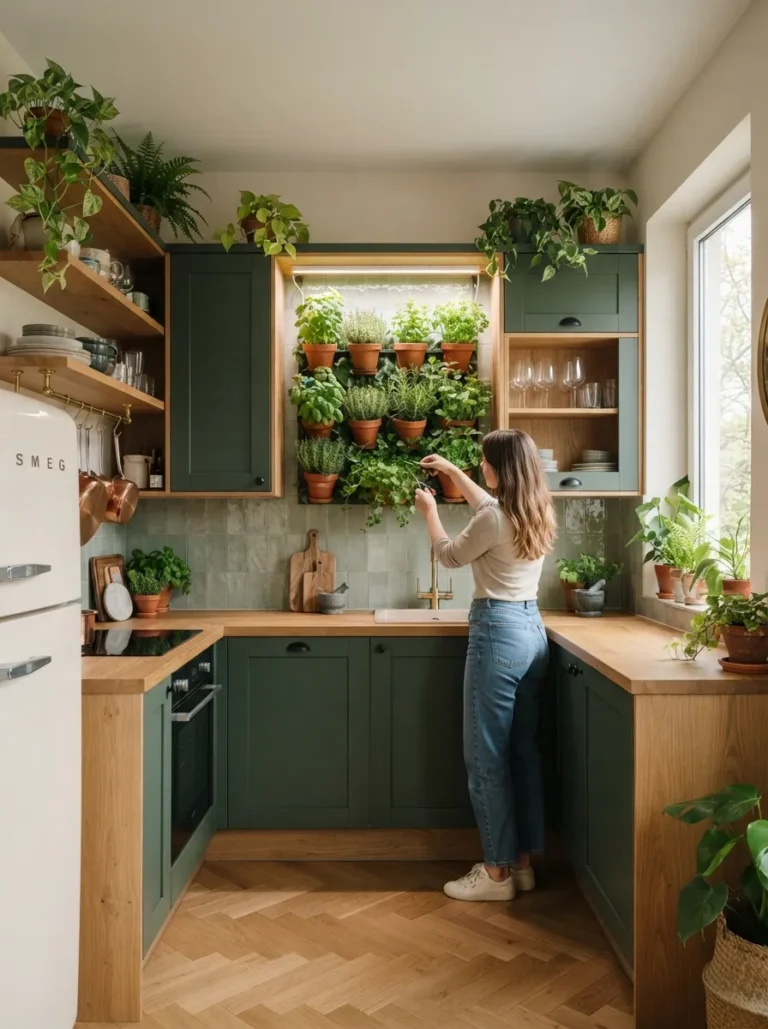
Mediterranean kitchens often keep everyday ingredients — olive oil, herbs, produce — visible and within reach rather than hidden in cabinets, treating cooking as a social, visible activity rather than something to conceal. Open shelving and hanging herb bundles borrow directly from this tradition and work well in a small kitchen where hiding everything isn’t always practical anyway.
4. European Galley Efficiency
Many European apartment kitchens, particularly in older city buildings, have operated in genuinely tiny footprints for generations, developing highly efficient galley layouts where every inch is accounted for. These kitchens often rely on slimmer appliances, deeper drawers instead of cabinets, and a tightly planned work triangle that American kitchen design is increasingly borrowing from as home sizes shrink.
5. Applying These Ideas at Home
You don’t need to fully commit to one cultural style — borrowing individual elements often works best. Try Japanese-style concealment for your appliances, Scandinavian light wood tones for warmth, and European-style deep drawers for storage efficiency, mixed together in a way that fits your own kitchen’s constraints and your personal taste.
Scandinavian design uses light and warmth to soften a small footprint.
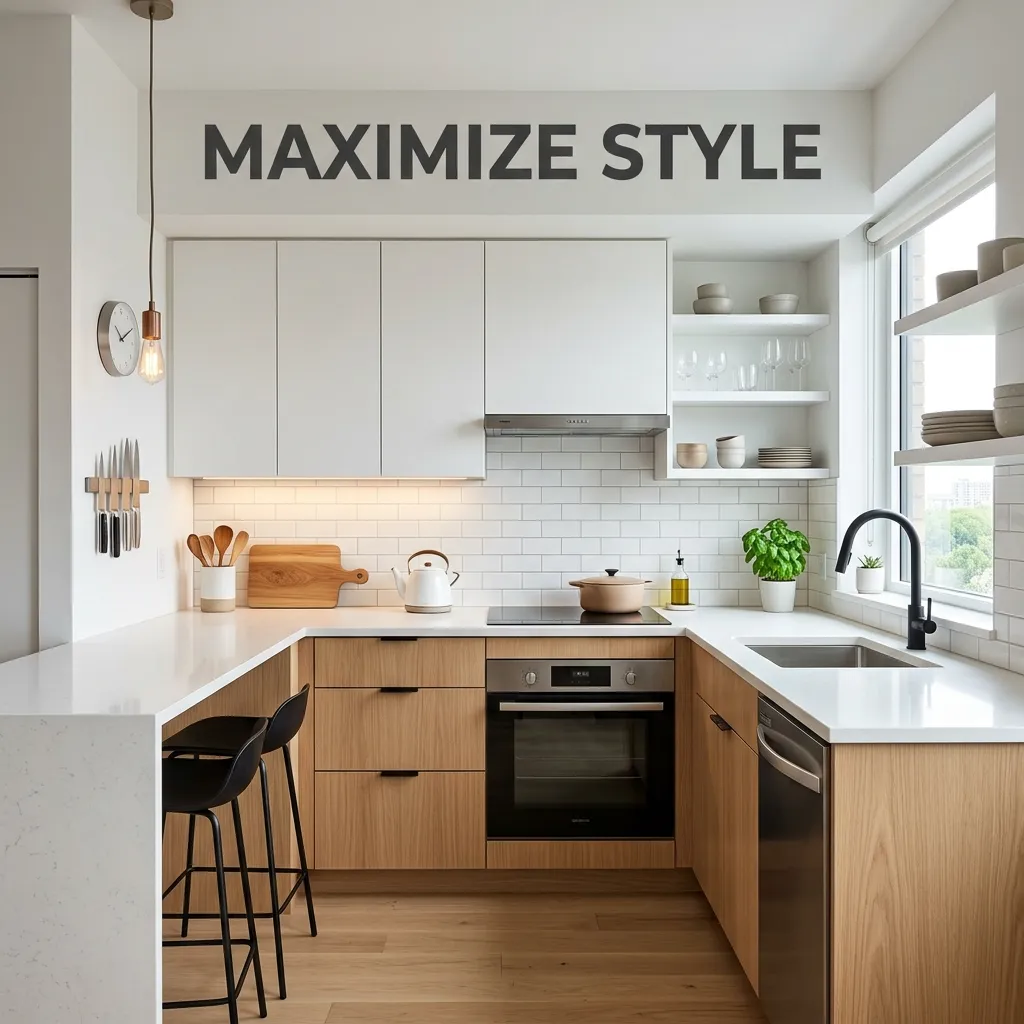
Minimalist design reflects Japanese principles of concealment and calm.
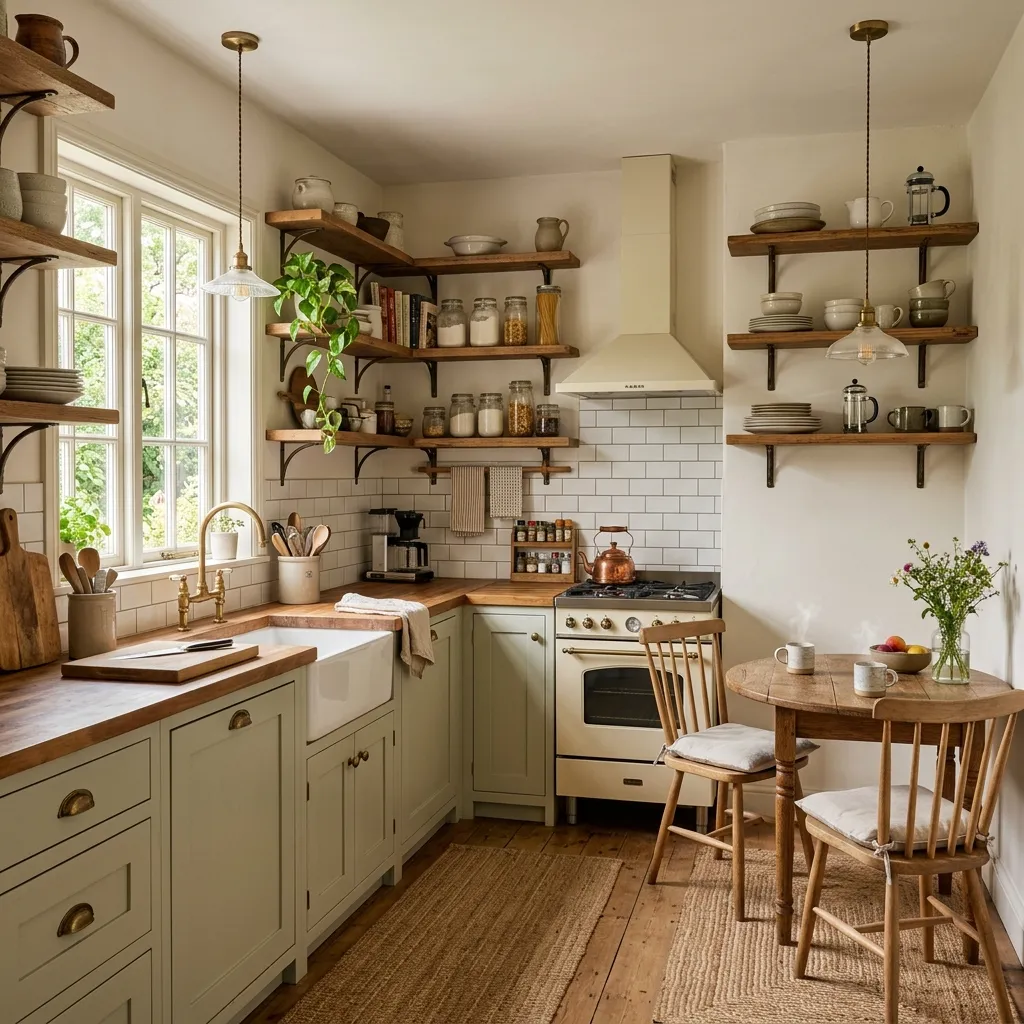
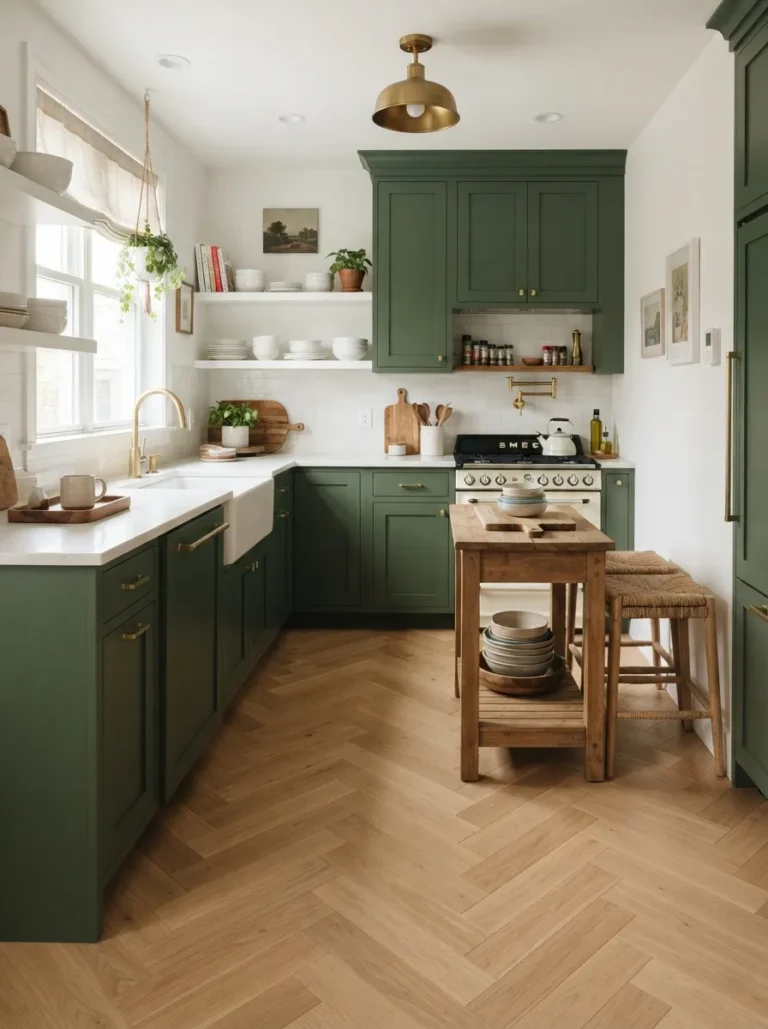
Rustic, farmhouse-inspired design echoes traditional European kitchens.
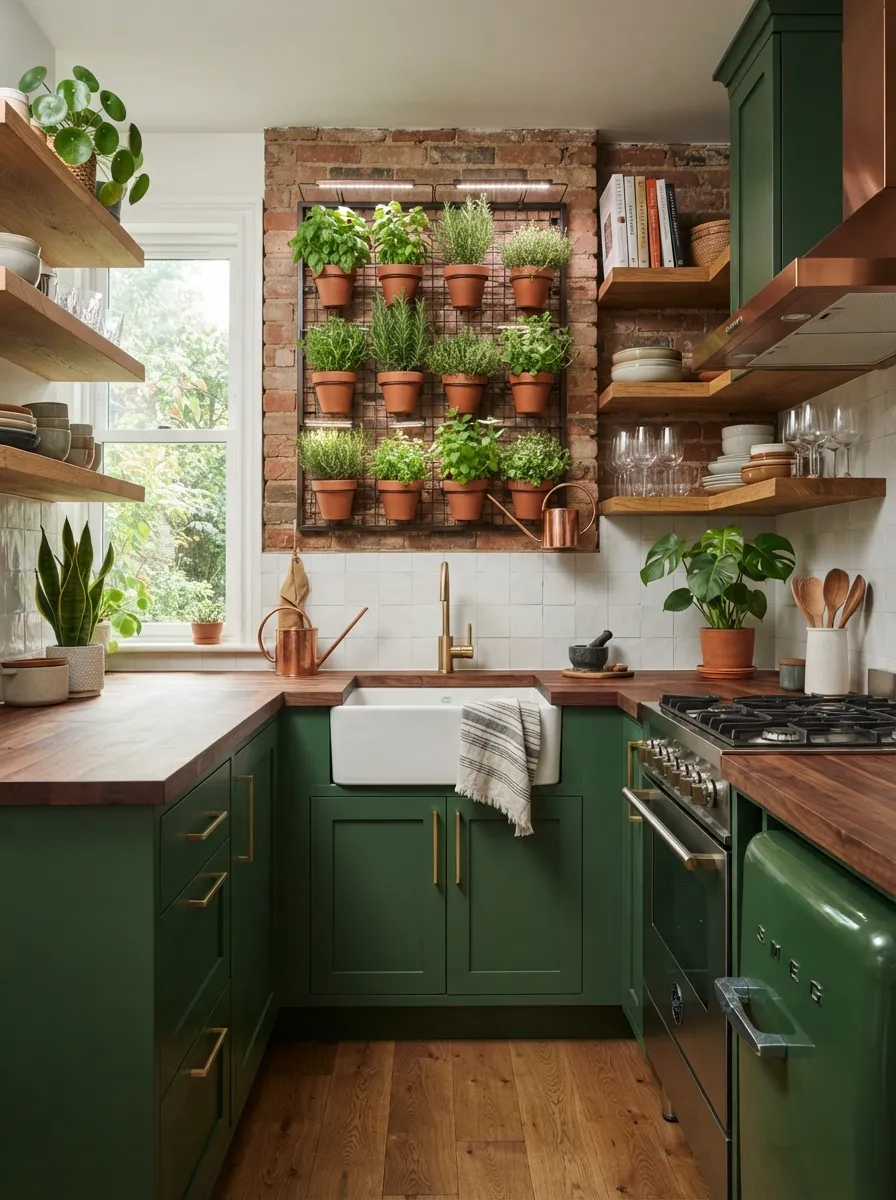
Biophilic touches echo Mediterranean traditions of visible, natural ingredients.
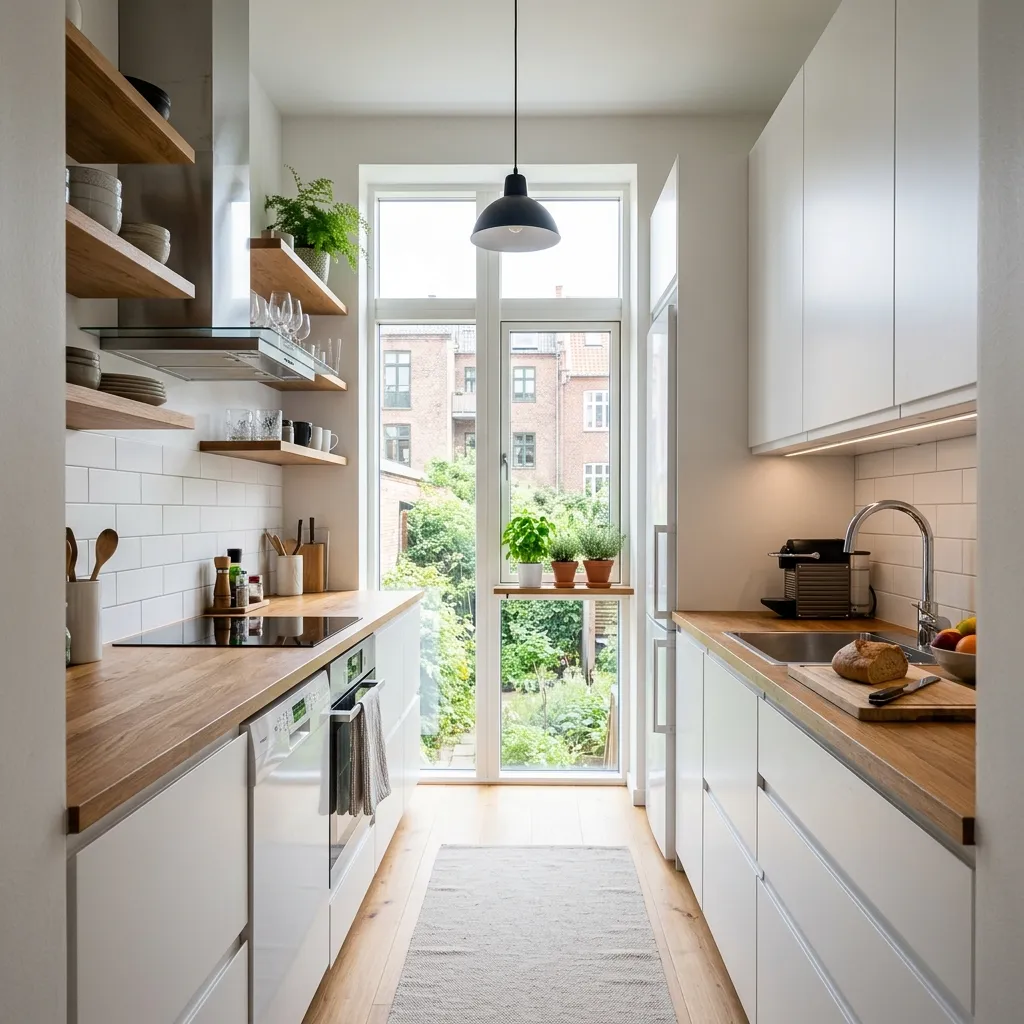
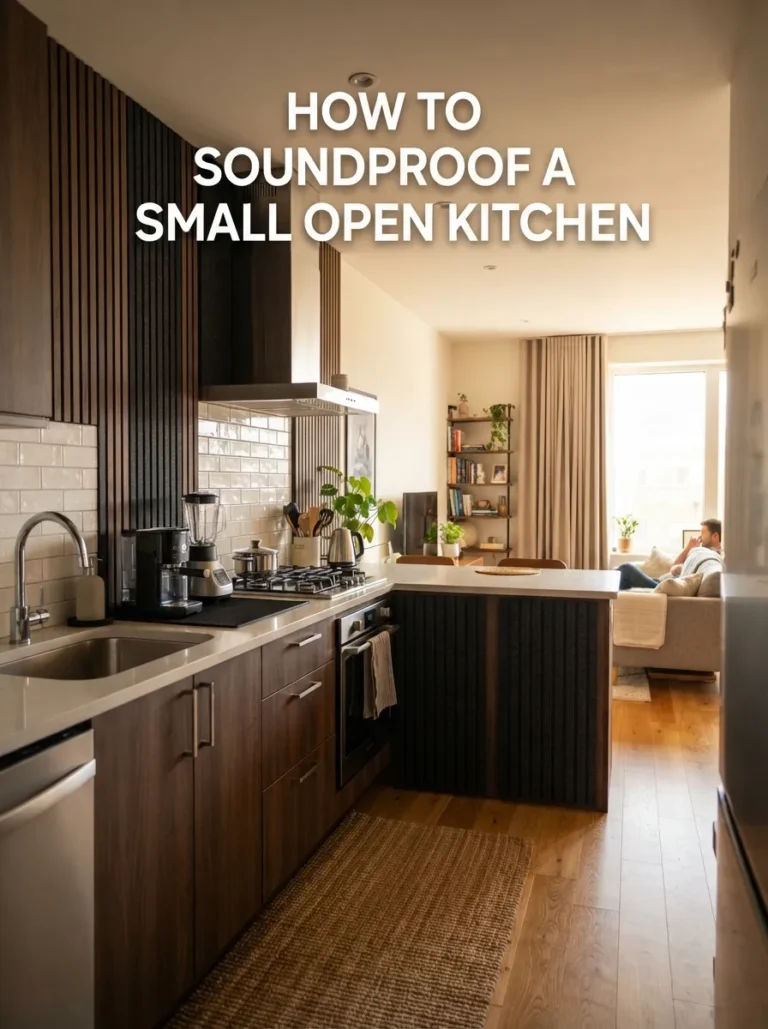
Galley layouts reflect the efficient, no-wasted-inch European tradition.
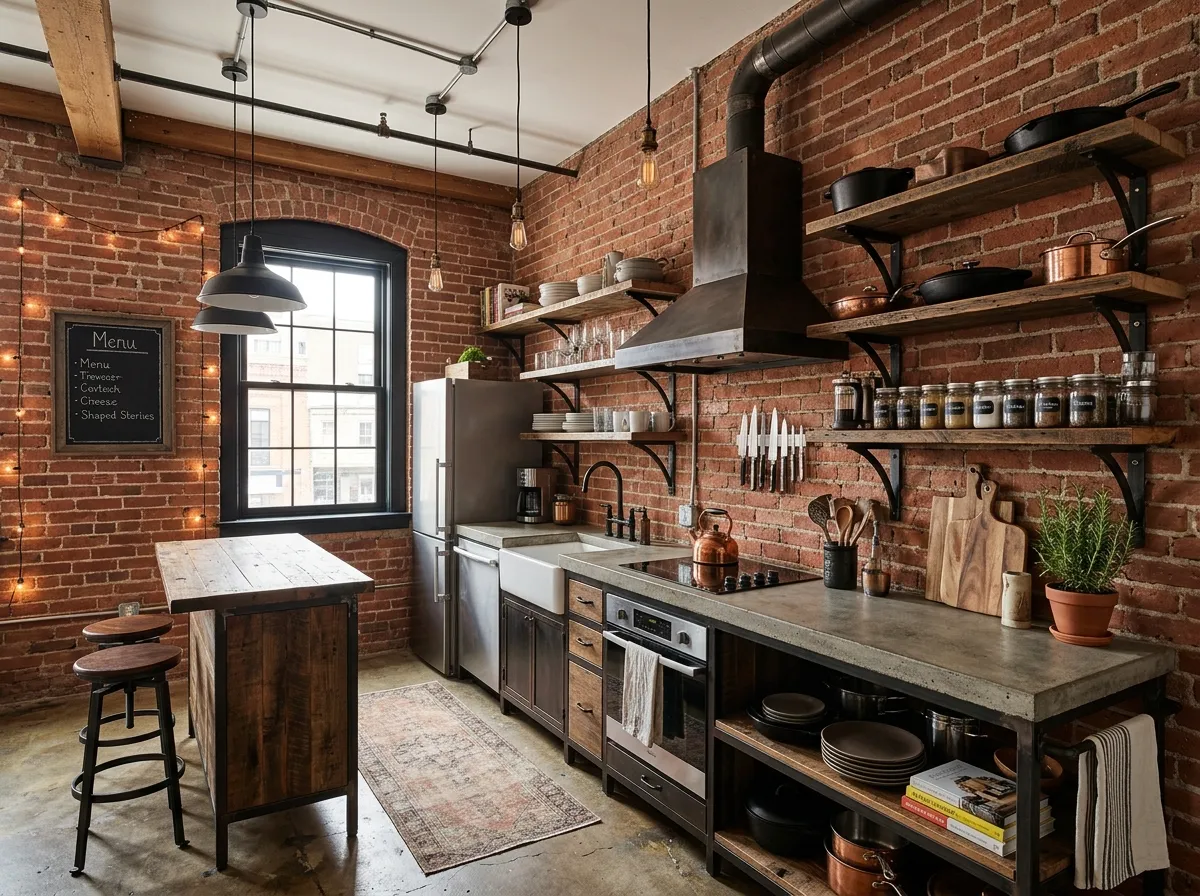
Blending design traditions creates a small kitchen with a distinct character.
Frequently Asked Questions
How does Japanese design approach small kitchen storage?
Through concealment — hidden appliances and cabinets behind clean panel fronts — and by valuing deliberate negative space rather than filling every surface.
What defines Scandinavian small kitchen design?
Light wood tones, white or pale walls, and warm textiles that keep a pared-back aesthetic from feeling cold.
Why do Mediterranean kitchens keep ingredients visible?
Cooking is often treated as a social, visible activity in Mediterranean cultures, so everyday ingredients stay in reach rather than hidden away.
What makes European galley kitchens so efficient?
Generations of designing for genuinely tiny footprints in older city apartments led to highly refined, no-wasted-inch layouts.
Can I mix design traditions from different cultures?
Yes, borrowing individual elements — like Japanese concealment with Scandinavian warmth — often works better than fully committing to one style.
Is minimalism the same across all these cultural traditions?
No, each culture’s version of minimalism looks different — Japanese minimalism emphasizes concealment, while Scandinavian minimalism emphasizes warmth and light.
Related Pages
Inspired by a Global Approach?
Try borrowing one element from a tradition that resonates with you rather than overhauling everything at once. Explore our interior design guide for more inspiration.