How to Choose Tile Size for a Small Kitchen Backsplash
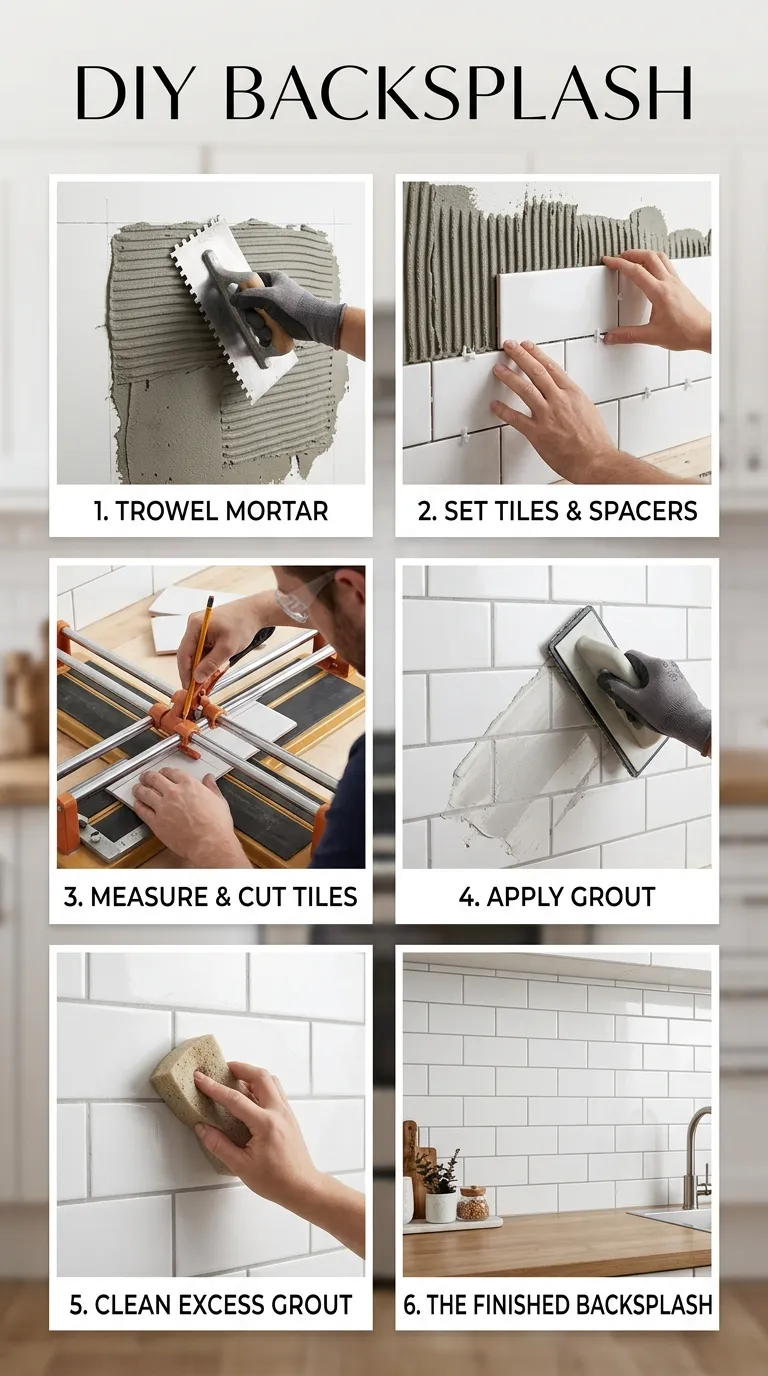
Tile size changes how a small kitchen backsplash reads far more than most people expect — the same wall can feel busy and cramped or clean and expansive depending purely on tile dimensions and grout line count. Here’s how to choose tile size for a small kitchen backsplash based on wall size, grout lines, and the visual effect you’re actually going for.
🧱 Quick Takeaways
- Smaller tiles create more grout lines, which can visually shrink a small wall if overused.
- Larger format tiles reduce grout lines and often make a small backsplash feel calmer and more expansive.
- Subway tile in the 3×6 inch range remains a safe, timeless middle-ground choice.
- Vertical or herringbone layouts can make a standard tile size read taller or more dynamic.
- Large-format tile is easier to keep clean, with fewer grout lines to scrub.
In This Post
1. How Tile Size Affects a Small Backsplash
Every tile edge creates a grout line, and every grout line is a visual break. On a small backsplash, too many small breaks can make the wall look busier and, counterintuitively, smaller than a wall covered in fewer, larger tiles.
That doesn’t mean small tile is always wrong for a small kitchen — mosaic and small-format tiles have their place, especially as an accent — but the overall wall size should inform the decision rather than personal tile preference alone.
2. Tile Size Reference Guide
Here’s how common tile sizes tend to perform specifically in a small kitchen application.
| Tile Size | Best For | Visual Effect |
|---|---|---|
| 1×1″ mosaic | Accent strips, small feature areas | Busy if overused; great as a focal accent |
| 2×2″ to 3×3″ | Traditional or vintage-style kitchens | Classic look, moderate grout line count |
| 3×6″ subway | Almost any small kitchen style | Timeless, balanced grout-to-tile ratio |
| 4×12″ to 4×16″ | Modern or minimalist kitchens | Fewer grout lines, calmer overall look |
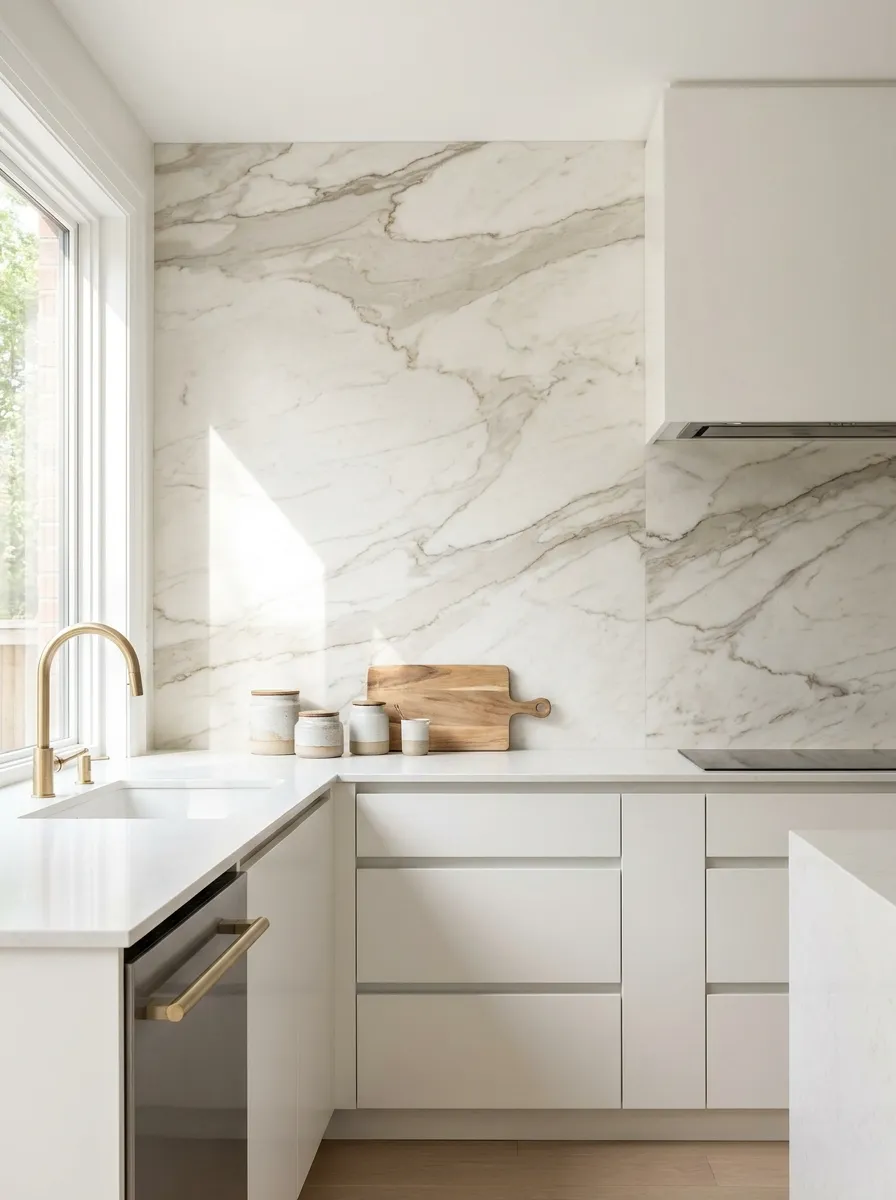
| Large-format slab (24″+) | Sleek, high-end modern kitchens | Nearly seamless, most expansive feel |
3. Layout Patterns That Change the Effect
The same tile size can look completely different depending on how it’s laid, which gives you a second lever beyond size alone.
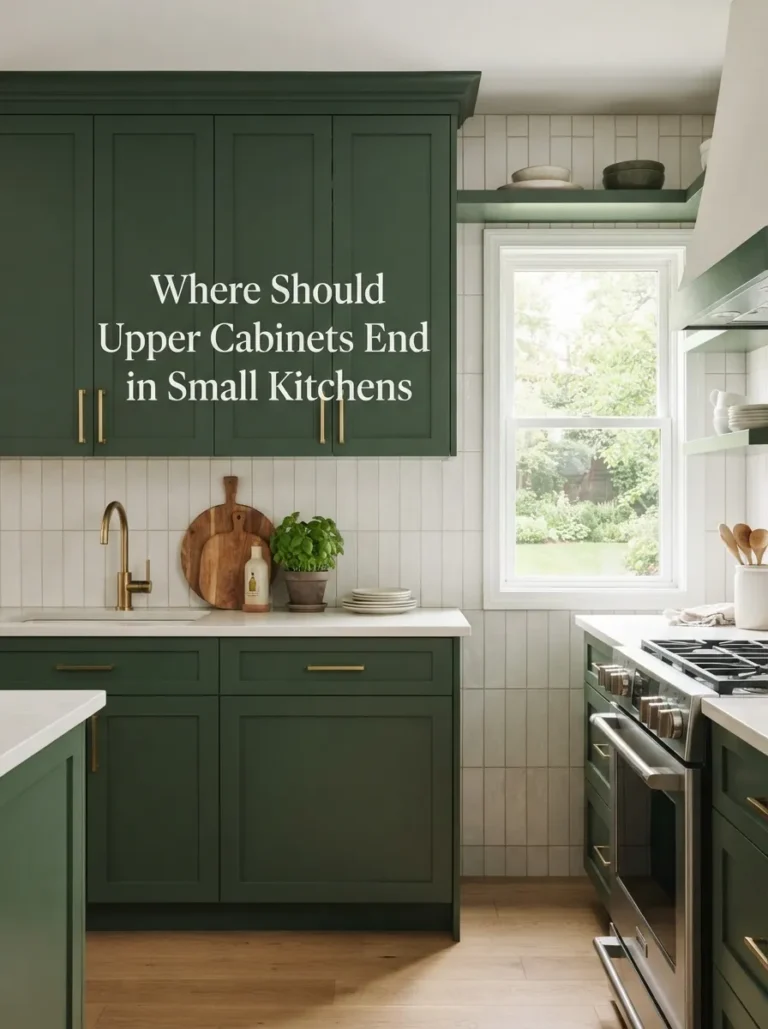
- Vertical stack (stacked bond). Running standard subway tile vertically instead of horizontally draws the eye upward, subtly increasing perceived ceiling height.
- Herringbone. A diagonal herringbone pattern adds movement and visual interest, working especially well as a focal-point accent behind the stove.
- Classic offset (running bond). The most common subway tile layout, offering a familiar, balanced look that doesn’t compete with other design choices.
- Grid pattern. Straight, aligned grout lines feel clean and modern, particularly with larger-format tile.
- Diagonal grid. Rotating a square tile 45 degrees adds interest without switching to a more complex herringbone install.
4. Grout Line Considerations
Grout color and width both interact with tile size to change the final look, sometimes as much as the tile choice itself.
- Matching grout color to tile minimizes the visual weight of grout lines, making even a smaller tile size feel calmer.
- Contrasting grout emphasizes each individual tile, which works well for a graphic look but adds visual busyness in a small space.
- Narrower grout lines (1/16 inch) on rectified tile edges reduce the grout’s visual footprint significantly compared to standard 1/8 inch lines.
- Grout maintenance increases with tile count, so a small-format tile choice means more regular cleaning and resealing over time.
5. Matching Tile Size to Your Kitchen Style
Beyond pure visual math, tile size should also fit the overall style direction of the kitchen.
- Traditional or farmhouse kitchens tend to suit classic subway tile or smaller mosaic accents that reinforce a collected, vintage feel.
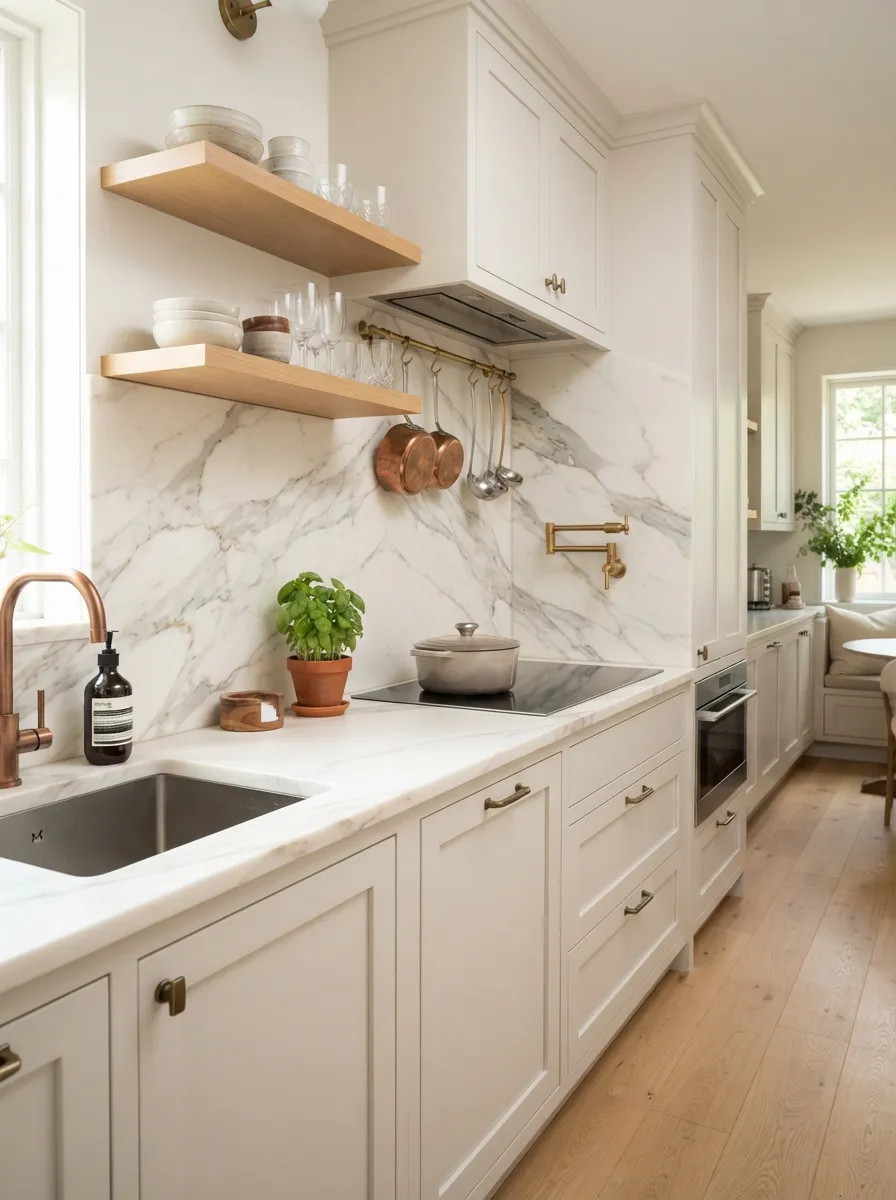
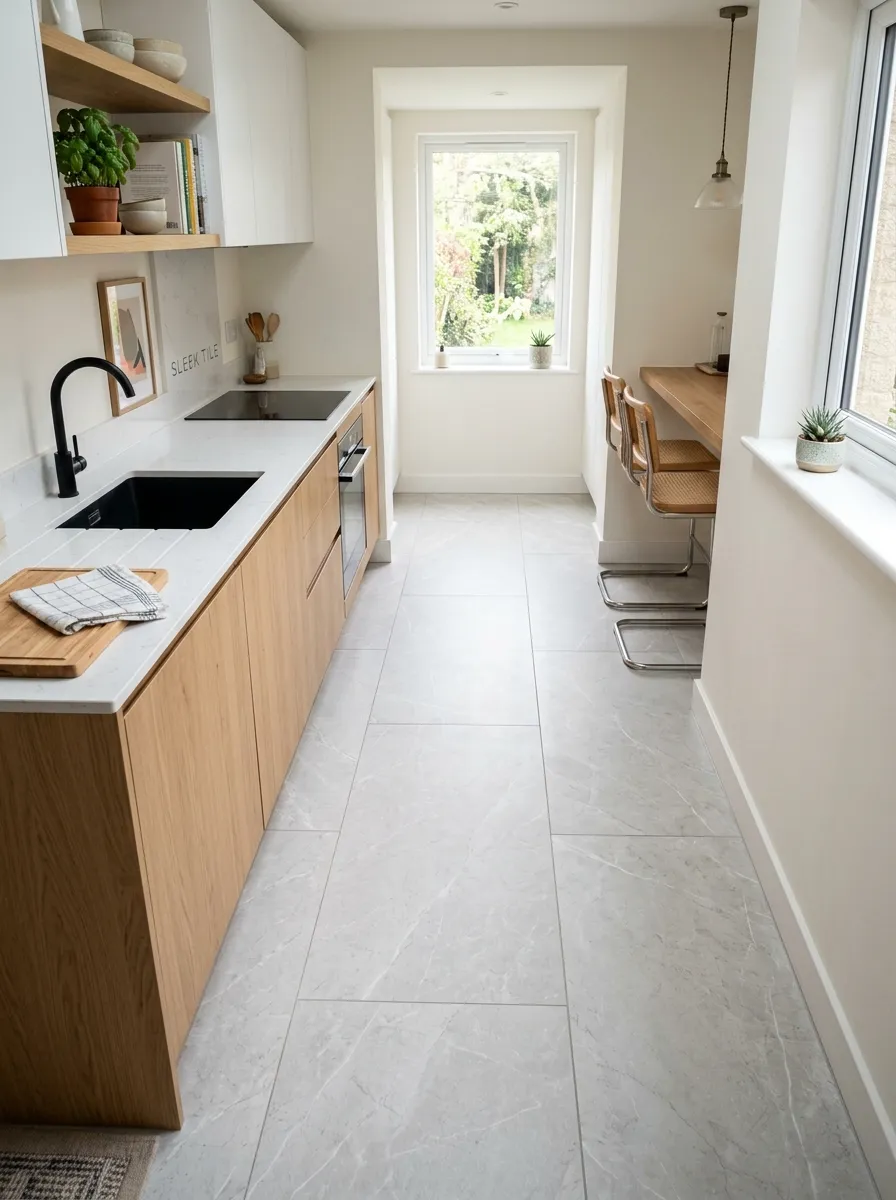
- Modern or minimalist kitchens generally pair better with large-format tile and minimal grout lines for a clean, uninterrupted surface.
- Transitional kitchens often split the difference with a mid-size subway or a simple grid pattern that doesn’t lean too far in either direction.
- Eclectic or maximalist kitchens can handle a bolder small-tile pattern as a genuine design statement rather than an accidental visual clutter.
Backsplash Tile Gallery

Frequently Asked Questions
What size tile makes a small kitchen backsplash look bigger?
Larger-format tile, generally 4×12 inches or bigger, reduces the number of grout lines and tends to make a small backsplash feel more expansive.
Is subway tile still a good choice for a small kitchen in 2026?
Yes, 3×6 inch subway tile remains a timeless, balanced option that works with nearly any small kitchen style.
Does grout color matter as much as tile size?
Yes, matching grout to tile color minimizes visual weight even with a smaller tile, while contrasting grout emphasizes each tile and can add busyness.
Is small mosaic tile ever a good choice for a small kitchen?
Yes, as a focal accent area rather than the entire backsplash, small mosaic tile can add detail without overwhelming the whole wall.
Does tile layout pattern affect perceived kitchen size?
Yes, a vertical stacked layout can draw the eye upward and make a ceiling feel taller, while herringbone adds movement and visual interest.
Is large-format tile harder to install than small tile?
Large-format tile requires a flatter substrate and more precise handling, so it’s often more labor-intensive per square foot despite having fewer total pieces.
Related Pages
Let the Wall Guide the Tile
There’s no single correct tile size for every small kitchen — the right choice depends on your wall’s actual dimensions, your kitchen’s overall style, and how much grout line detail you want to look at every day. When in doubt, a 3×6 inch subway tile in a classic offset pattern remains one of the safest, most timeless choices for a small backsplash.
For the full range of backsplash material and color options, see our Backsplash Designs guide next.