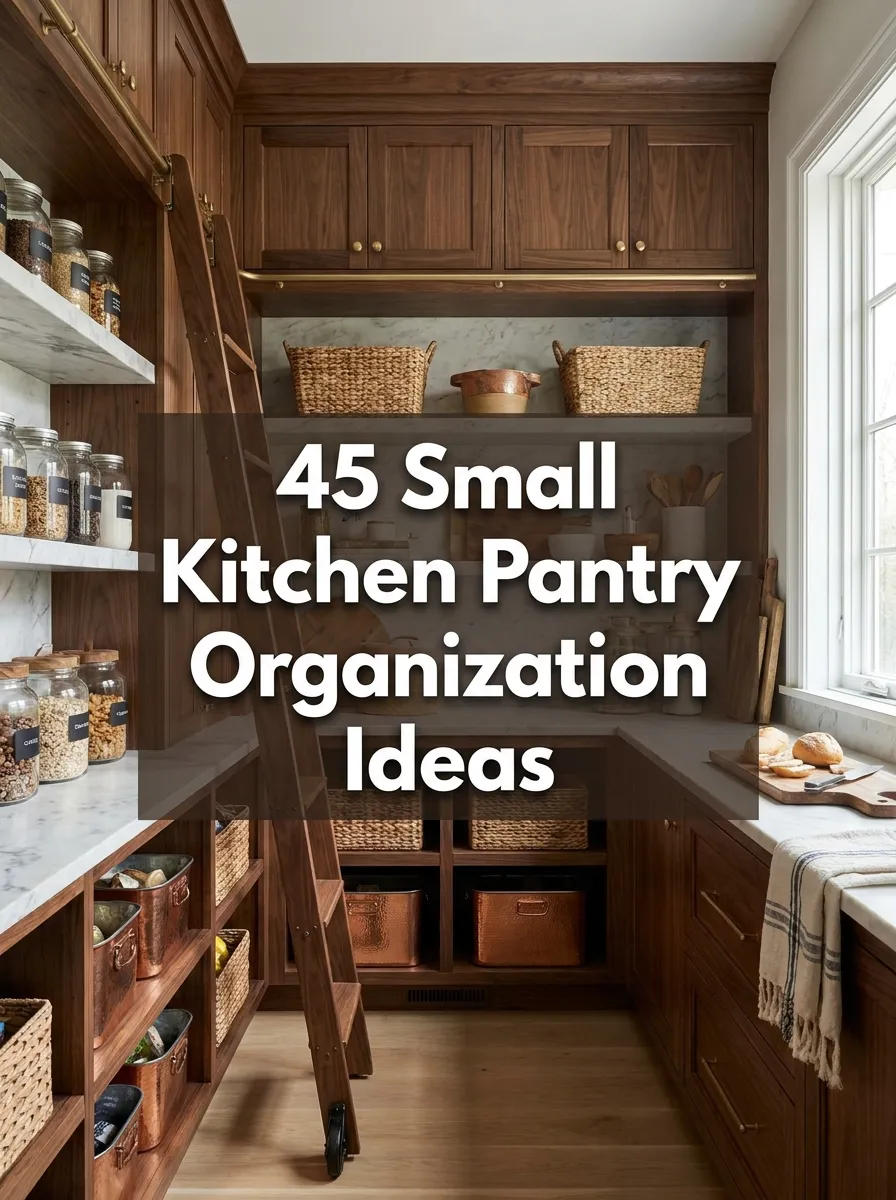
45 Small Kitchen Pantry Organization Ideas
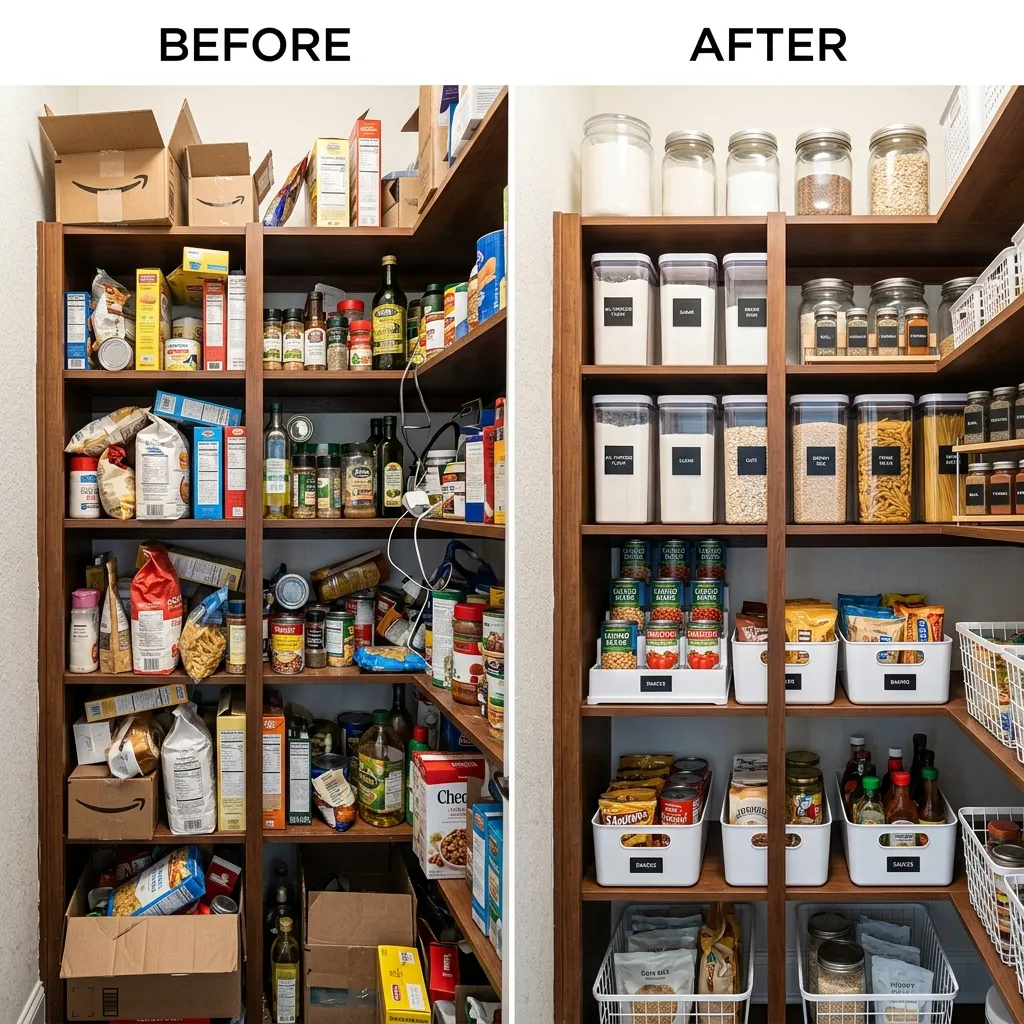
Small kitchen pantry organization ideas don’t require a walk-in closet — a single cabinet, a few drawers, or even a narrow gap between appliances can hold a fully organized pantry with the right bins, labels, and layout. The goal is visibility: if you can’t see it, you’ll rebuy it, so every idea below is built around making contents obvious at a glance.
Quick Takeaways
- Clear, labeled bins beat opaque boxes for keeping contents visible and organized.
- Group items by category first, then by frequency of use within each category.
- A pull-out pantry cabinet as narrow as 6 inches can hold real, usable storage.
- Decant dry goods into uniform containers to save space and keep things fresher longer.
- Label everything — bins, shelves, and containers — so anyone in the house can find and re-shelve items.
Table of Contents
1. Cabinet Pantry Organization
If your pantry is a standard cabinet, these ideas maximize what it can hold:
- Add adjustable wire or wood shelving to fit boxes and cans of different heights.
- Use a door-mounted rack for spices, foil, and small jars.
- Group canned goods in a stepped shelf riser so labels stay visible from the front.
- Store snacks in labeled bins at a lower shelf so kids can reach them independently.
- Reserve the top shelf for backstock and bulk items you restock monthly, not weekly.
- Use a lazy Susan on a mid-height shelf for oils, vinegars, and condiments.
- Add under-shelf wire baskets to double your storage layers without new shelving.
- Store baking supplies together in one labeled zone rather than scattered by item type.
2. Drawer Pantry Organization
Drawers give a full top-down view, which makes them excellent for pantry items:
- Use drawer dividers to separate pasta, grains, and baking mixes into distinct rows.
- Store spice jars flat in a shallow drawer with a labeled grid insert.
- Keep snack bags upright in a bin insert so nothing gets crushed or buried.
- Reserve one drawer for lunchbox and on-the-go items for quick morning grabs.
- Use a deep drawer for bulky bags of flour, sugar, or rice in airtight bins.
- Add a shallow drawer near the stove for oils and vinegars used during cooking.
3. Narrow Gap & Pull-Out Pantries
Even without a dedicated cabinet, narrow gaps can become real pantry space:
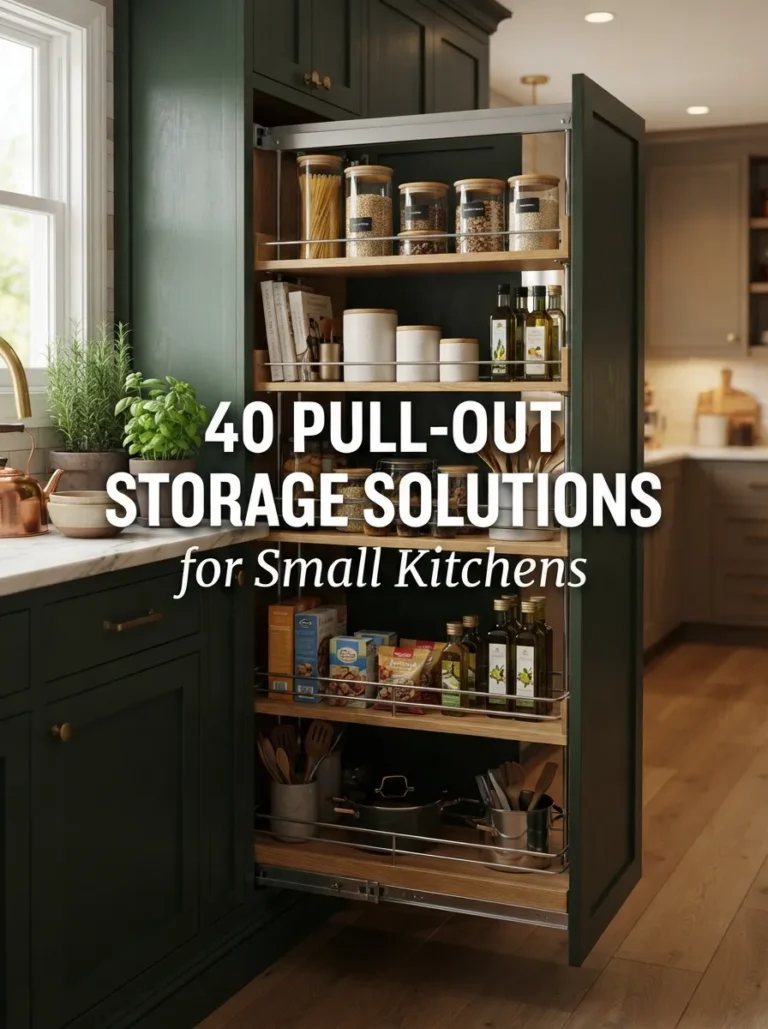
- Install a slim pull-out pantry cabinet in a gap as narrow as 6 inches between appliances.
- Use a rolling cart with shelves as a mobile pantry that tucks beside the fridge.
- Add a tension-rod shelf inside a narrow closet to double its storage layers.
- Mount a shallow wall-hung pantry cabinet above a counter with no upper cabinet.
- Use the back of a pantry door with an over-the-door organizer for extra capacity.
- Store bulky appliance boxes (blender, mixer) on the floor of a narrow pantry, with everyday items above.
4. Containers & Labeling
Consistent containers make even a tiny pantry look organized:
- Decant flour, sugar, rice, and pasta into matching clear airtight containers.
- Use square or rectangular containers instead of round ones to eliminate wasted gaps.
- Label every bin and container with a consistent font and placement for a cohesive look.
- Use chalkboard or dry-erase labels for items that get refilled with different products over time.
- Store opened snack bags in labeled clip-top jars instead of leaving bags loose.
- Group by color-coded lids or labels to make categories identifiable at a glance.
5. Keeping It Organized Long-Term
Organization only lasts if it’s easy to maintain. A few habits help:
- Do a quick 5-minute reset after each grocery trip, returning items to their labeled spot.
- Check expiration dates every season and rotate older stock to the front.
- Keep a small notepad or whiteboard in the pantry for a running restock list.
- Avoid overbuying duplicates by keeping backstock visible on a dedicated shelf.
- Re-evaluate the layout every few months as your household’s needs shift.
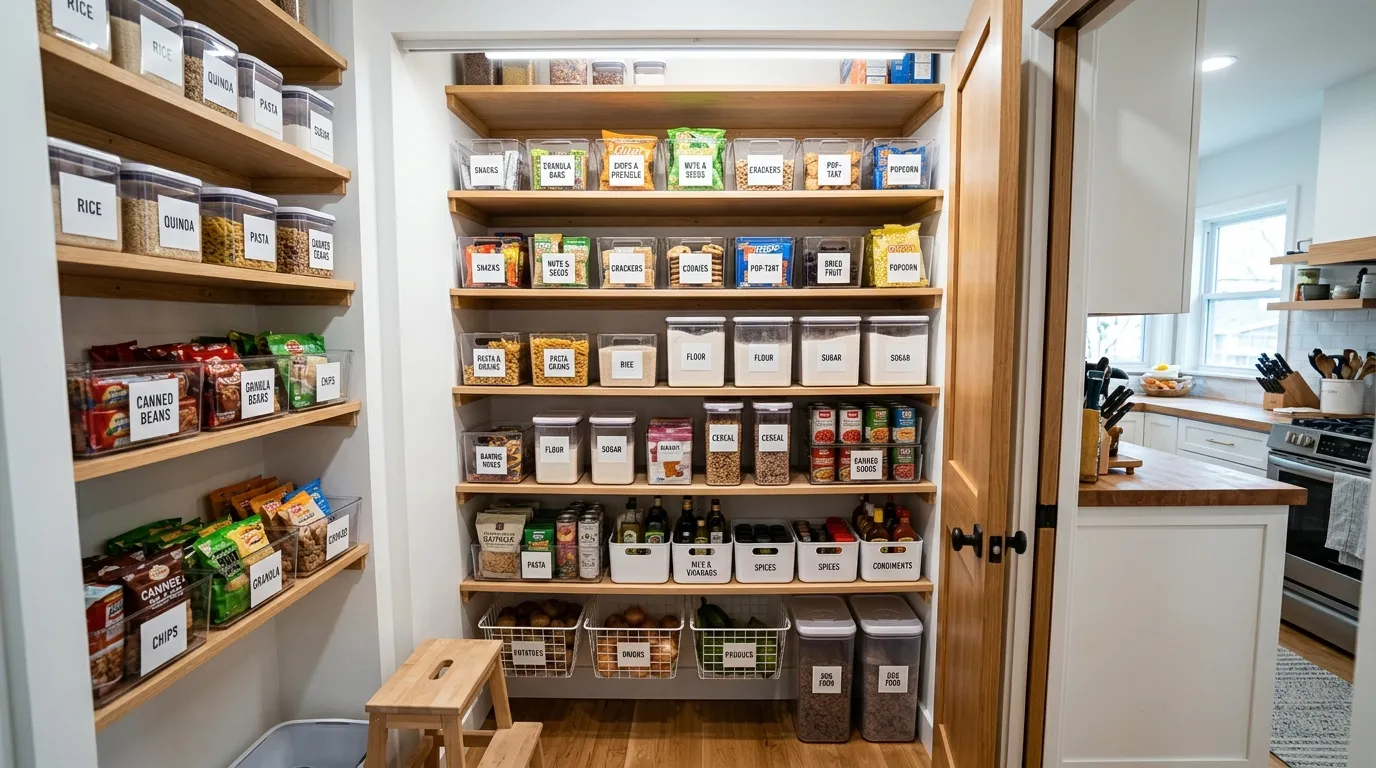
Labeled bins keep pantry categories visible and easy to restock.
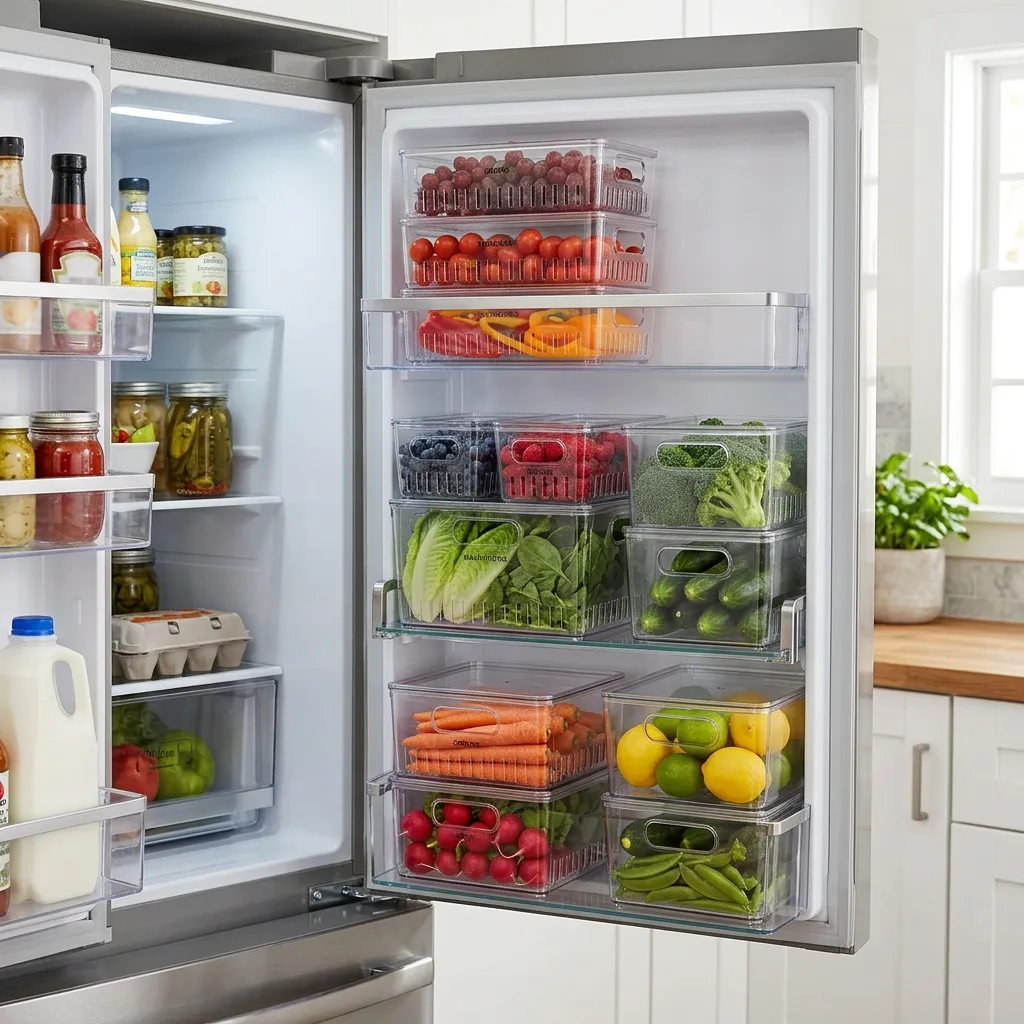
Stackable bins maximize vertical space within a single pantry shelf.
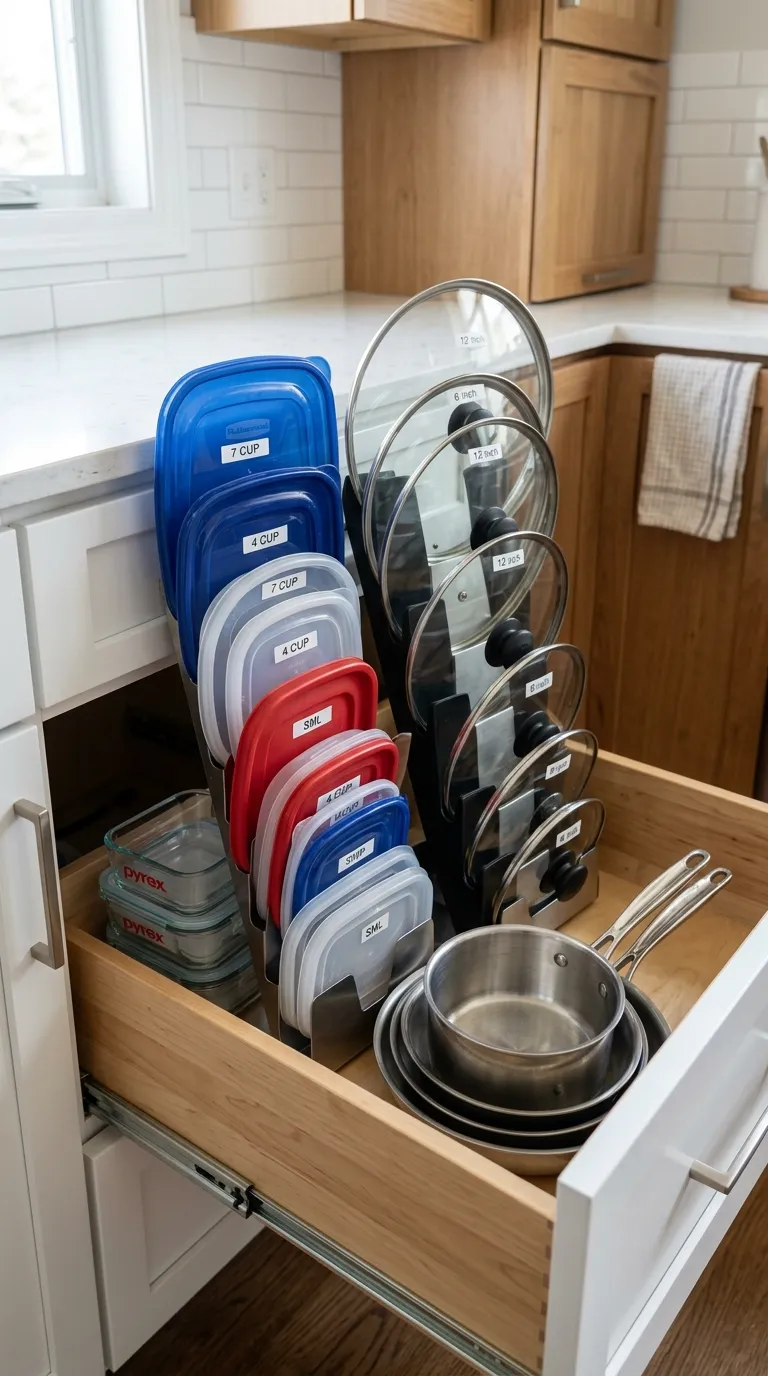
Lid organizers keep container tops upright and easy to match.
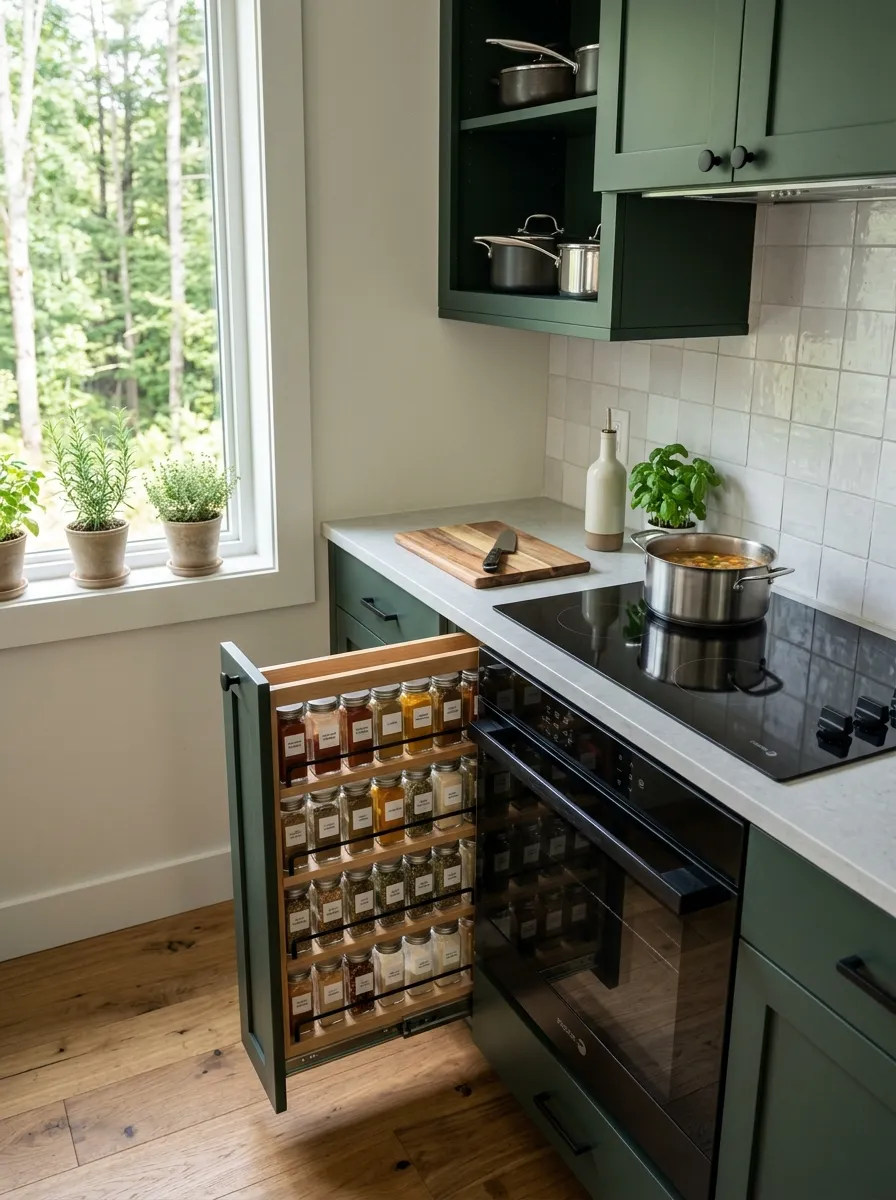
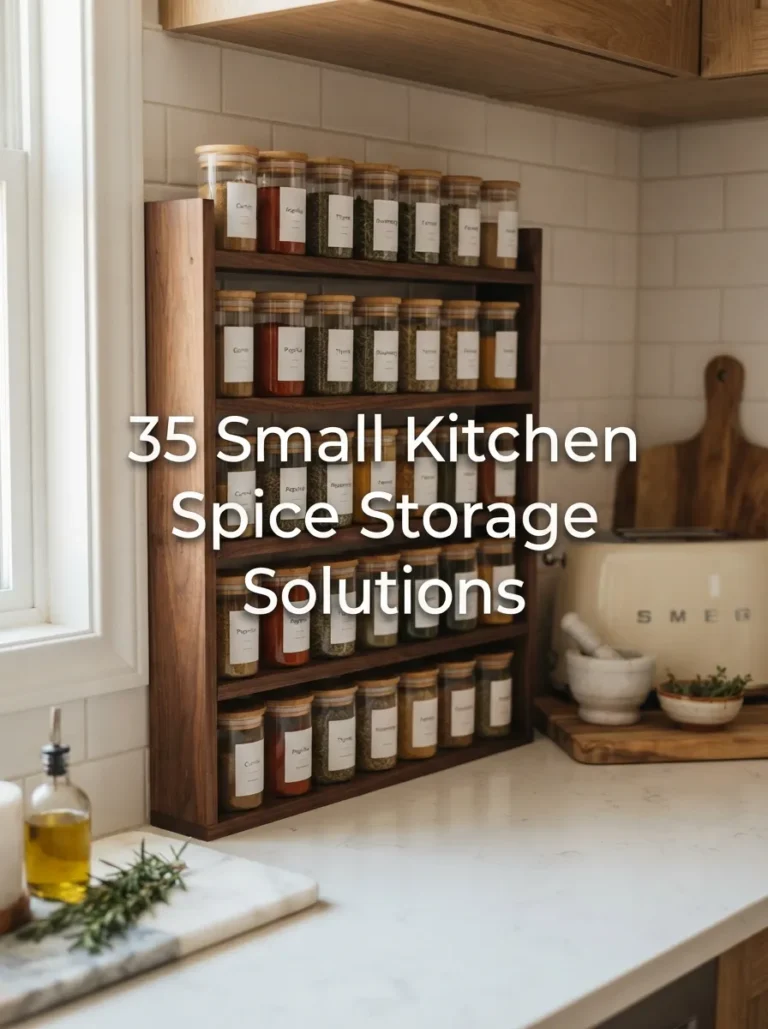
A dedicated spice rack keeps cooking staples within arm’s reach.
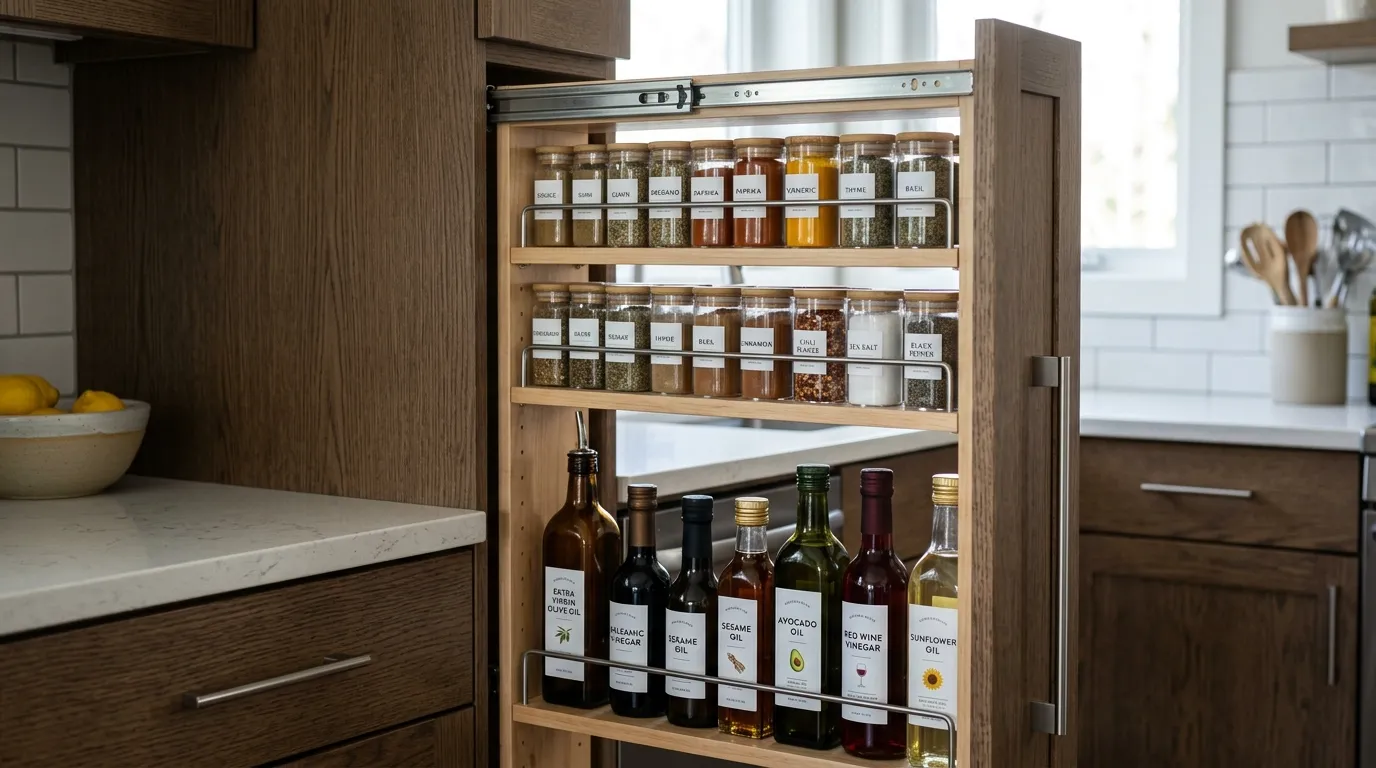
A dedicated pantry drawer offers full top-down visibility of contents.
A well-organized pantry transforms even the smallest cabinet space.
Frequently Asked Questions
How do I organize a pantry with no extra space?
Look for narrow gaps between appliances for a slim pull-out cabinet, or use a rolling cart with shelves that tucks beside the fridge.
Are clear containers really worth the investment?
Yes — clear, uniform containers keep contents visible, use space more efficiently than mismatched packaging, and often keep food fresher longer.
What should go on the top shelf of a small pantry?
Reserve the top shelf for backstock and bulk items you restock monthly rather than weekly, since it’s the least convenient to reach.
How often should I reorganize my pantry?
A quick 5-minute reset after each grocery trip, plus a full review every few months, keeps a small pantry functional long-term.
Should I organize by category or by frequency of use?
Both — group by category first, then place the most frequently used items within each category at the most accessible height.
What size pull-out pantry cabinet fits a narrow gap?
Pre-made pull-out pantry units commonly come in 6, 9, or 12 inch widths, so measure your gap carefully before ordering.
Related Pages
Ready to Organize Your Pantry?
Start with one shelf or drawer, decant a few staples into clear containers, and build from there. Explore our cabinet design guide for more storage inspiration.