Small Kitchen Design for Professional Home Chefs
Small kitchen design for professional home chefs prioritizes four things a standard layout doesn’t: real prep space, serious ventilation, durable countertops, and tool storage within arm’s reach of the cooktop. You don’t need a large footprint to cook like a professional — you need the right things close at hand and a layout that doesn’t fight you mid-service.
Quick Takeaways
- Reserve at least 24-30 inches of dedicated, uninterrupted prep space near the stove.
- Size your range hood to your cooktop’s BTU output, not just the room’s square footage.
- Durable surfaces like soapstone or quartz handle daily heavy use better than laminate.
- Store your most-used tools within one step of the cooktop — knives, oils, and pans.
- Task lighting over the prep zone matters as much as overall room lighting.
Table of Contents
1. Prioritize Real Prep Space
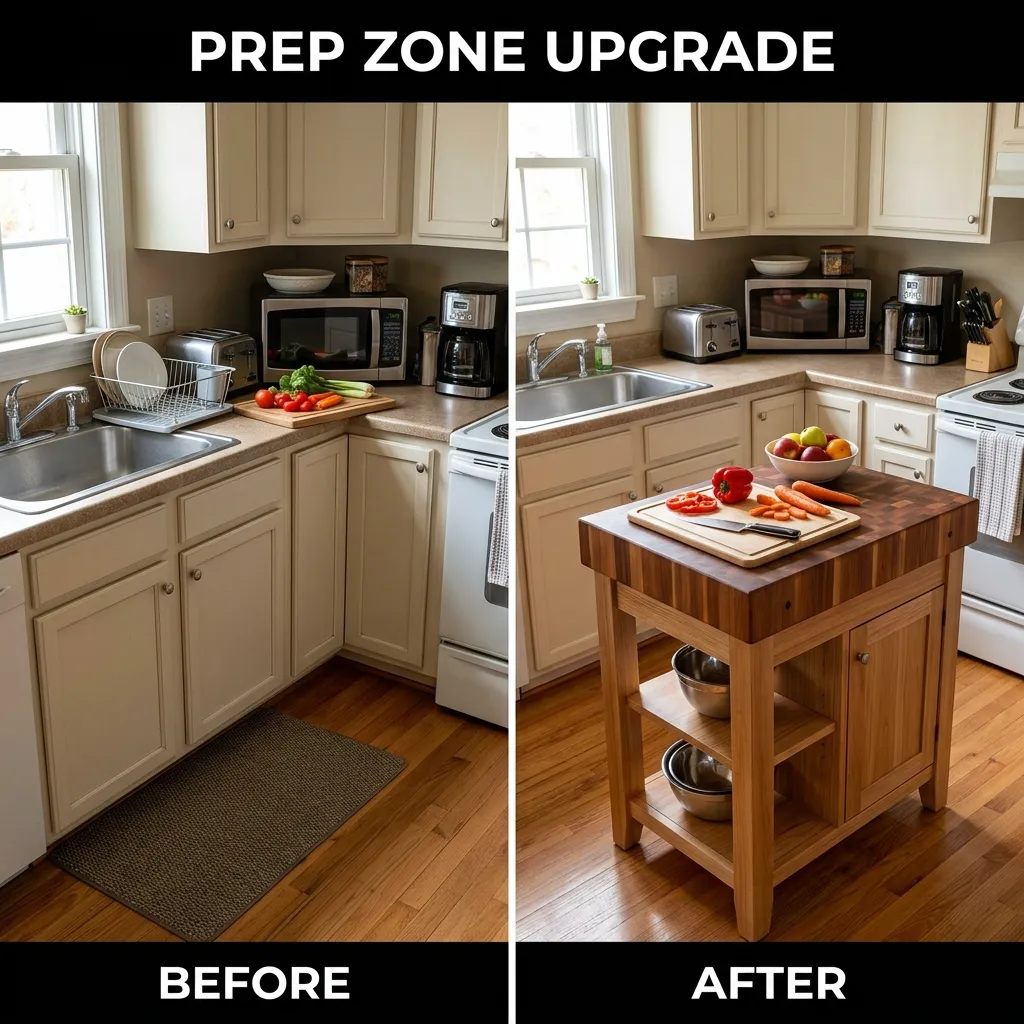
A serious cook needs at least 24-30 inches of clear, uninterrupted counter next to the stove — enough room for a cutting board plus a bowl for scraps or mise en place. If your current layout doesn’t have this, consider relocating a small appliance elsewhere or adding a slim rolling cart that docks next to the range during active cooking.
2. Invest in Serious Ventilation
Home cooks who sear, wok-fry, or cook at high heat regularly need more exhaust than a standard 100 CFM hood provides. A common sizing rule is 1 CFM per 100 BTUs of cooktop output — a high-output gas range can call for 600+ CFM. A properly sized, ducted hood keeps a small kitchen from holding onto smoke, grease, and heat long after you’re done cooking.
3. Choose Durable, Heat-Resistant Surfaces
Countertops near the stove take more abuse in a home chef’s kitchen — hot pans set down quickly, knife work directly on the surface occasionally, frequent scrubbing. Soapstone and quartz both hold up well to heat and daily wear, and butcher block, while less heat-resistant, offers a forgiving cutting surface if you’re comfortable maintaining it with regular oiling.
4. Store Tools Within One Step
A magnetic knife strip, a utensil rail, and an oil/spice shelf mounted right next to the cooktop keep a home chef’s most-used tools within a single step, which matters far more during active cooking than during casual meal prep. This kind of tight, tool-adjacent storage is one of the biggest differences between a hobbyist layout and a serious one.
5. Light the Prep Zone Properly
Overhead ambient lighting alone often leaves your own shadow across the cutting board. Add dedicated task lighting — under-cabinet LEDs or a pendant directly over the prep zone — so knife work and fine plating happen under even, shadow-free light. This is a small addition with an outsized impact on both safety and precision.
A dedicated prep zone next to the stove supports real home-chef cooking.
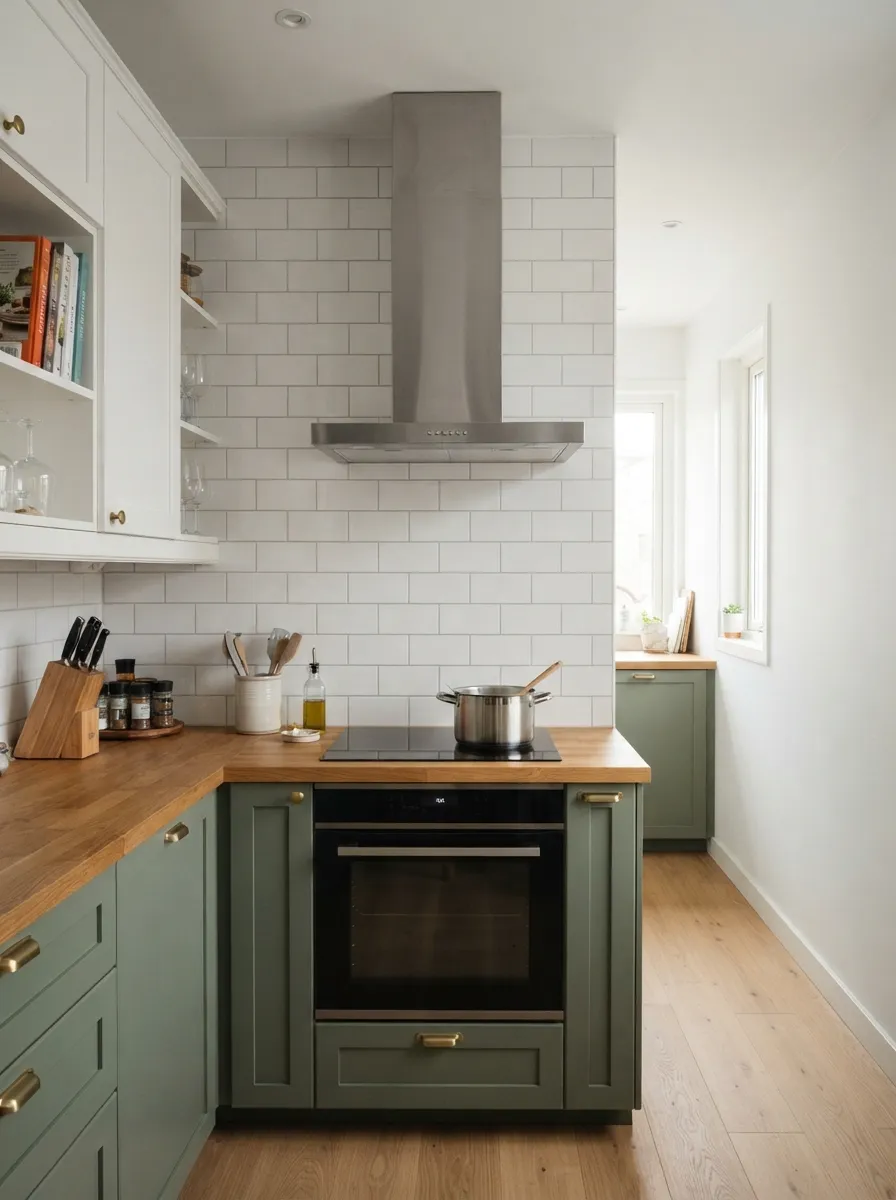
Properly sized ventilation is essential for high-heat home cooking.
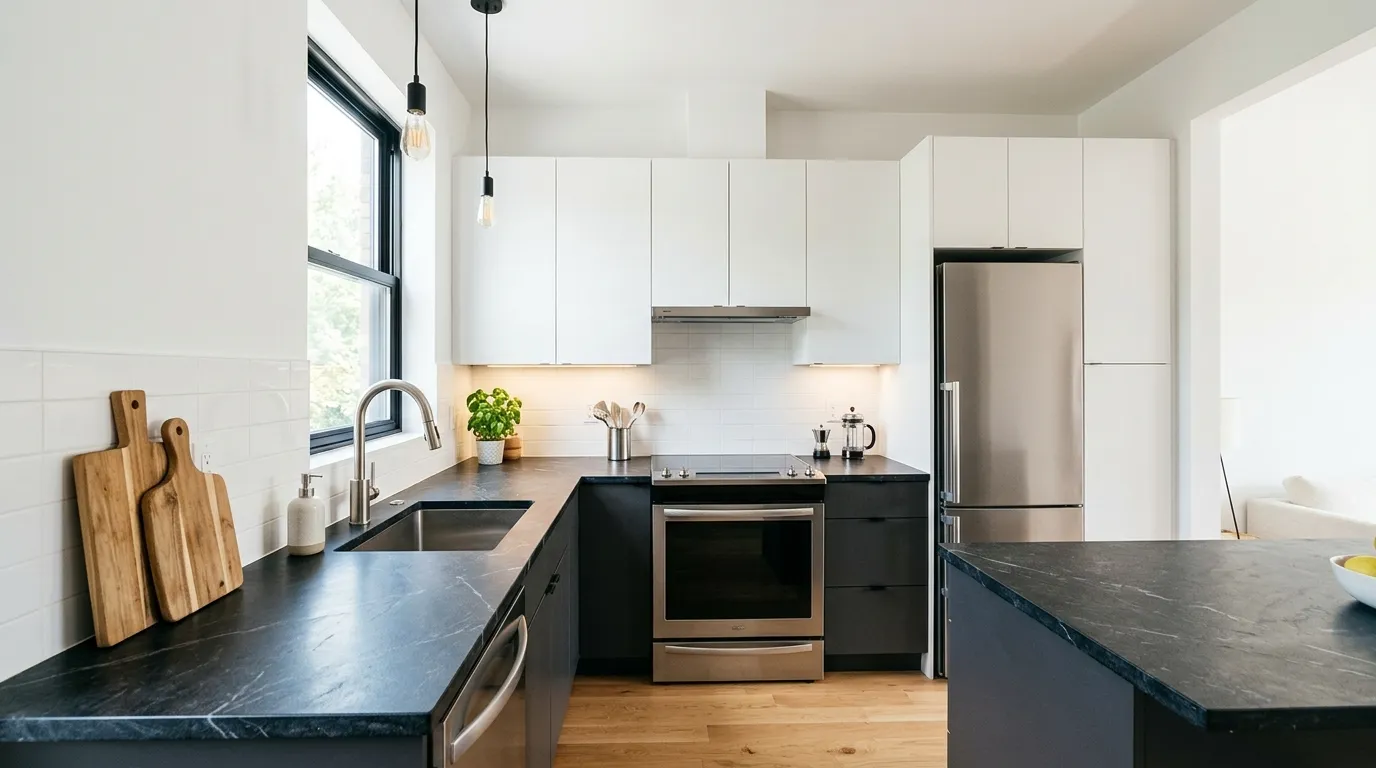
Soapstone countertops hold up well to daily heat and heavy use.
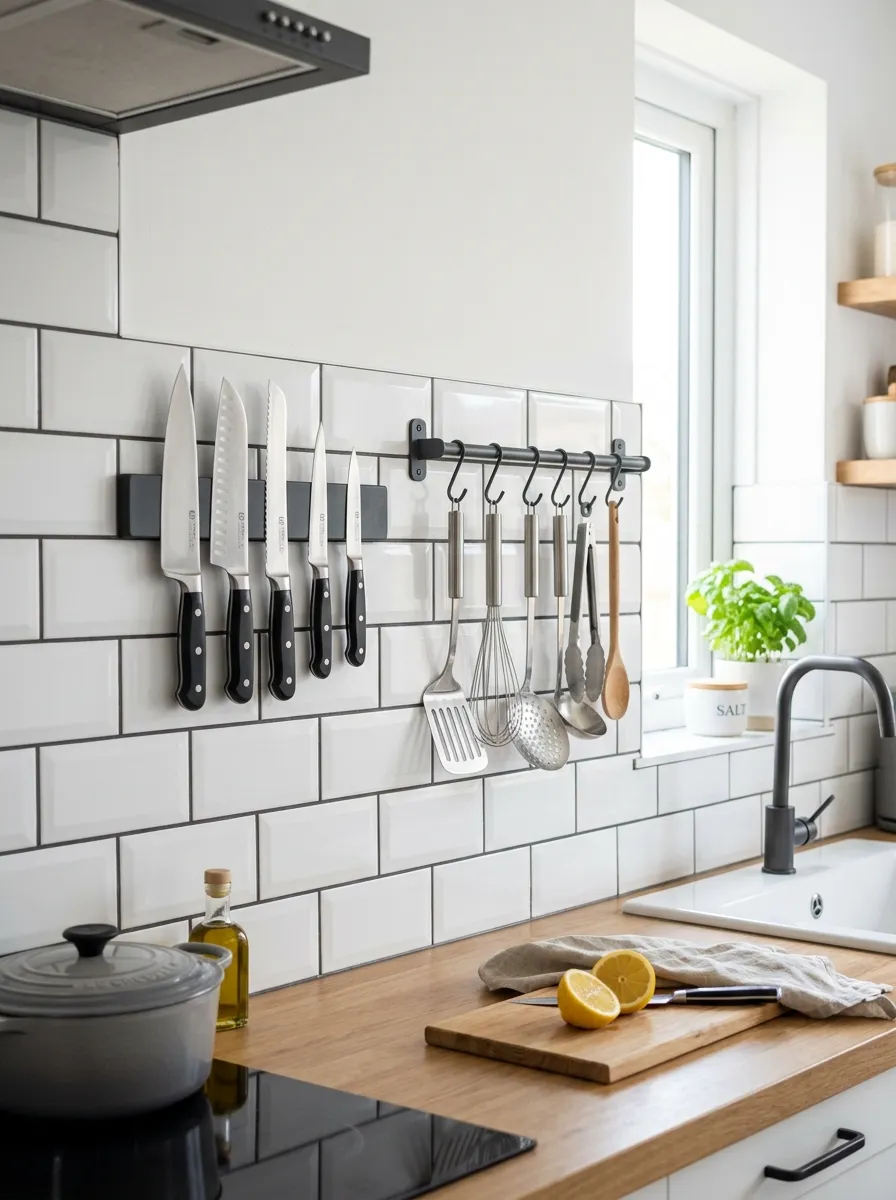
A magnetic knife strip keeps blades sharp and within one step of the stove.
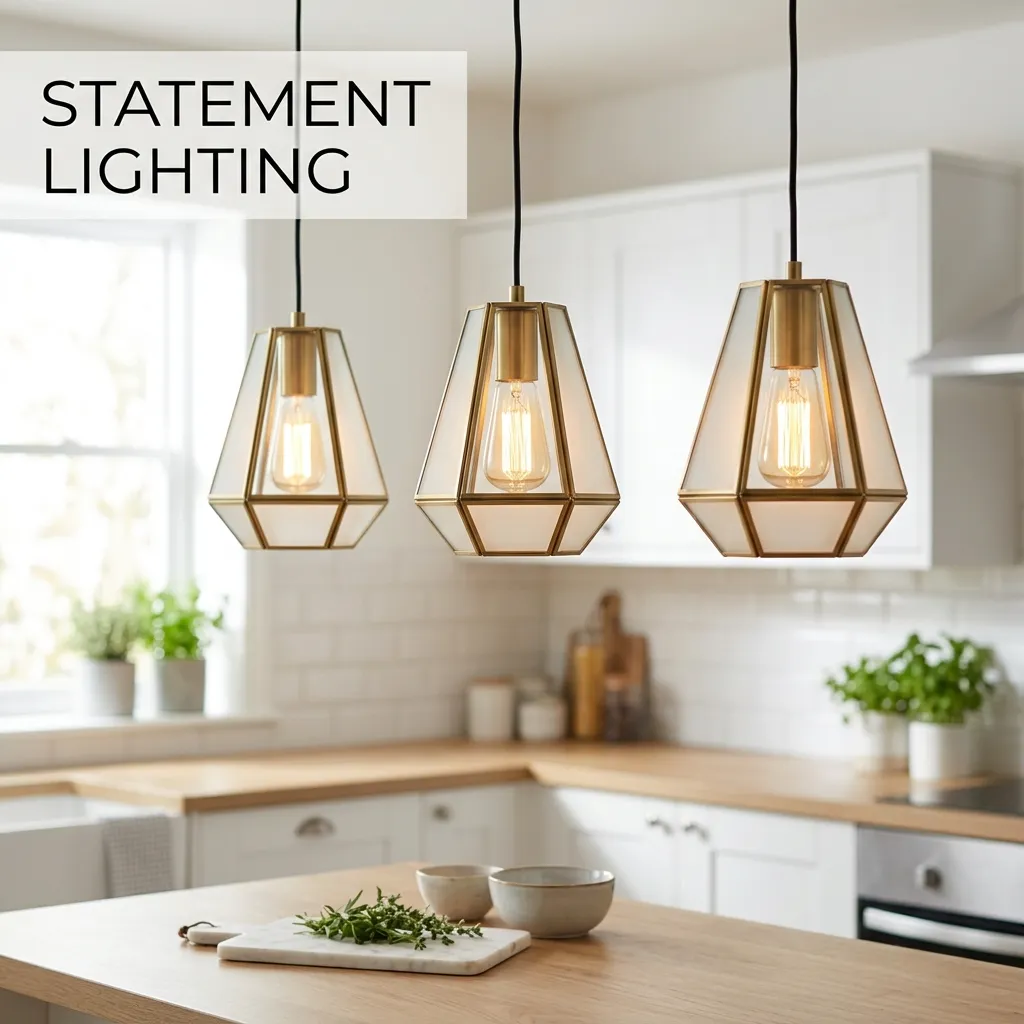
Dedicated task lighting removes shadows from the prep and cutting zone.
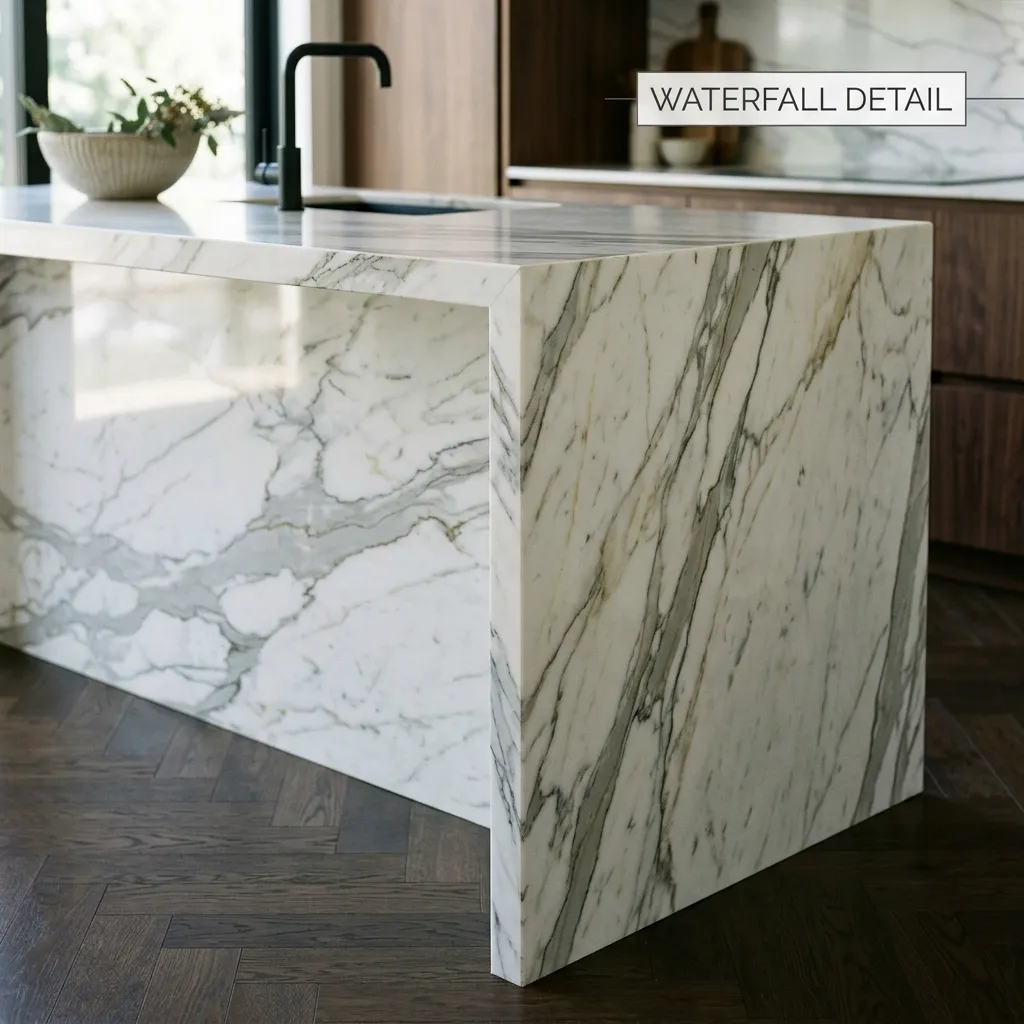
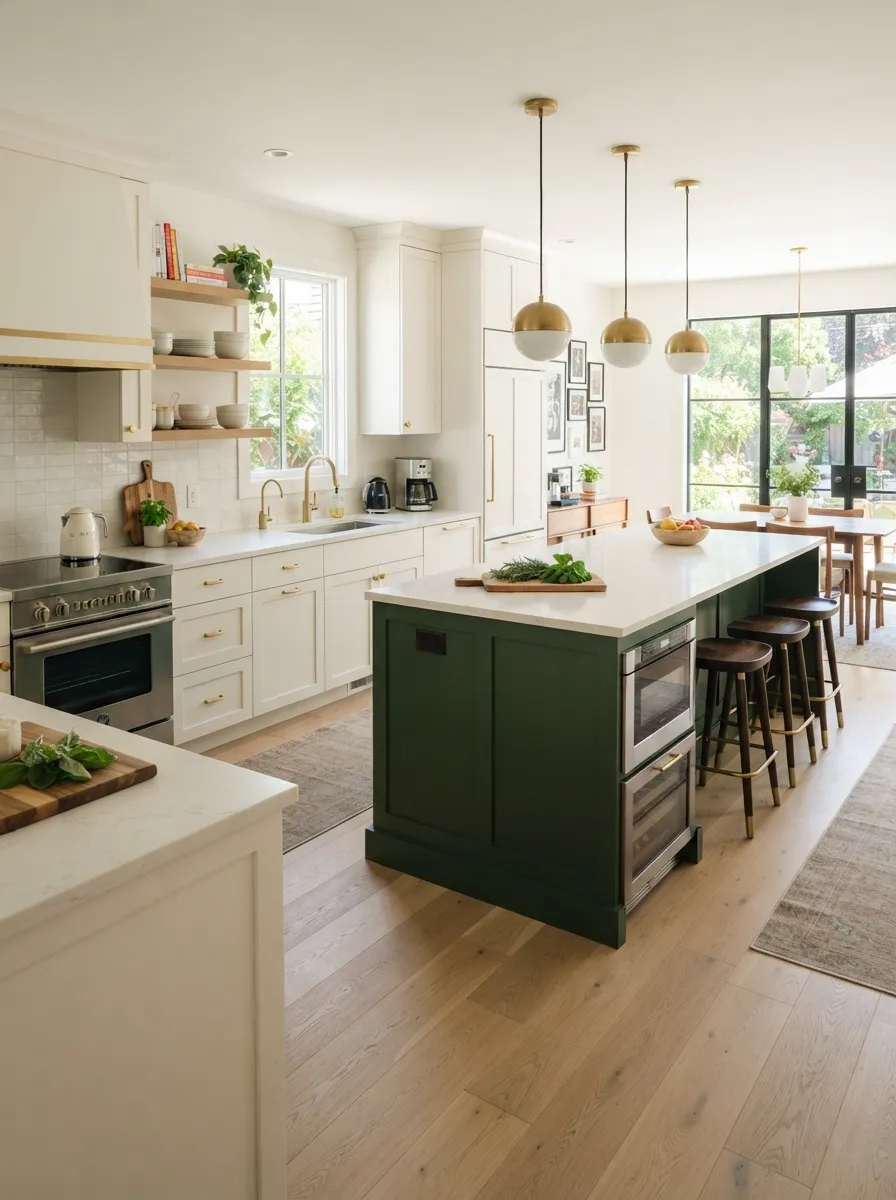
A waterfall island edge adds durable, continuous prep surface.
Frequently Asked Questions
How much prep space does a serious home cook actually need?
At least 24-30 inches of clear, uninterrupted counter next to the stove is a practical minimum for real prep work.
What size range hood should a home chef use?
A common rule is 1 CFM per 100 BTUs of cooktop output — a high-output gas range can require 600 CFM or more.
What is the most durable countertop for heavy home cooking?
Soapstone and quartz both handle daily heat and wear well; butcher block offers a forgiving cutting surface with regular maintenance.
Where should knives and tools be stored for efficient cooking?
Within one step of the cooktop — a magnetic strip or utensil rail mounted nearby keeps essentials in reach during active cooking.
Do I need a large kitchen to cook like a professional?
No, a well-planned small kitchen with proper prep space, ventilation, and tool storage can support serious home cooking effectively.
Why does task lighting matter for cooking?
Overhead lighting alone often casts shadows over the cutting board; dedicated task lighting keeps knife work safe and precise.
Related Pages
Ready to Cook Like a Pro?
Start with your prep zone and ventilation — the two upgrades that make the biggest daily difference. Browse our kitchen island designs for more prep-space inspiration.