Small Kitchen Design for Plant-Based Cooking Enthusiasts
Plant-based cooking leans heavily on fresh produce, bulk grains, and a lot of chopping — which means a small kitchen built for this style of cooking needs a different storage and prep priority list than a typical layout. Here’s how to design a small kitchen around plant-based cooking, from produce storage to prep space to the pantry staples that take up more room than most kitchens plan for.
🌱 Quick Takeaways
- Plant-based cooking needs more chopping and prep space relative to cooking space than a typical meat-centered layout.
- Bulk dry goods — grains, legumes, flours — need more pantry volume than a standard kitchen plans for.
- Produce storage benefits from ventilated bins and a dedicated counter zone for items that shouldn’t go in the fridge.
- A high-capacity blender or food processor needs dedicated, accessible storage, not a bottom-shelf afterthought.
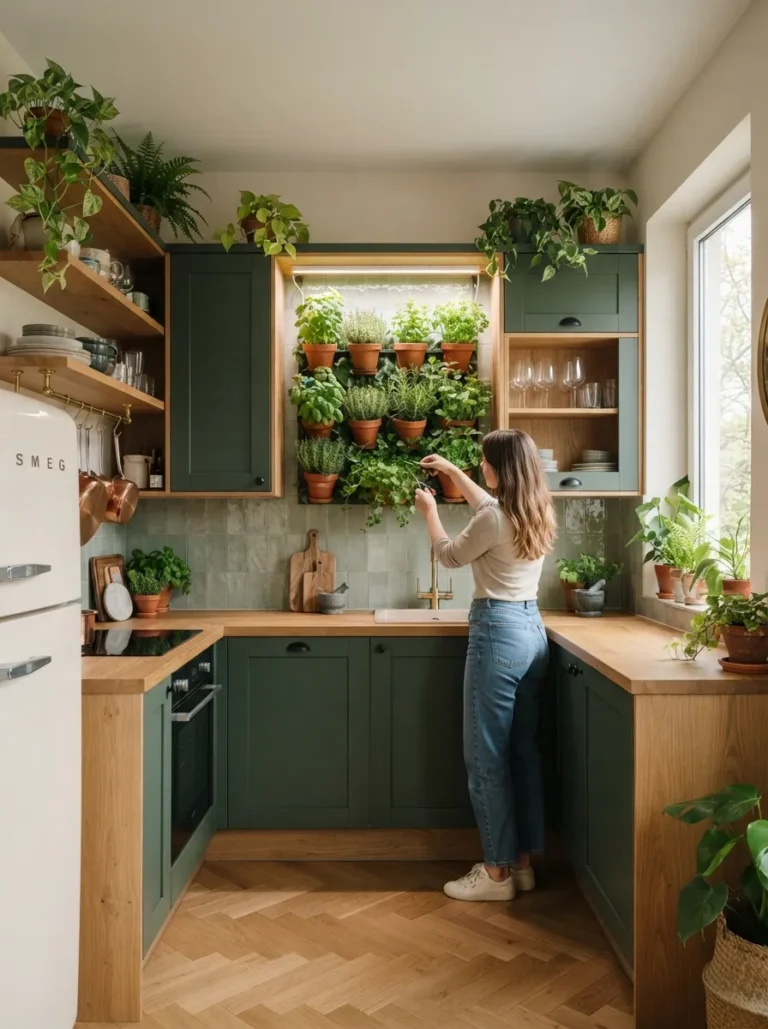
- A windowsill herb garden pairs naturally with plant-based cooking, supplying fresh finishing ingredients daily.
In This Post
1. Prioritizing Prep Space Over Cooking Space
Plant-based meals often involve significantly more chopping, dicing, and assembling than a protein-centered dinner that relies mostly on a single pan. In a small kitchen, this means prep counter space deserves priority over stovetop burners in the layout decision.
- Clear at least 24-36 inches of continuous counter next to the sink specifically for washing and chopping produce.
- A rolling cart or fold-down counter extension adds temporary prep space on the days you’re batch-cooking grains or chopping a large volume of vegetables.
- Position the cutting board zone between the sink and stove, following the natural wash-chop-cook workflow most plant-based recipes follow.
- Keep a second smaller cutting board stored vertically nearby for quick tasks that don’t require clearing the main prep zone.
2. Produce Storage That Actually Works
Fresh produce is the backbone of plant-based cooking, and it has different storage needs than a kitchen stocked mainly with packaged and refrigerated goods.
- Ventilated countertop baskets hold tomatoes, avocados, and other produce that shouldn’t be refrigerated, ripening at room temperature within easy reach.
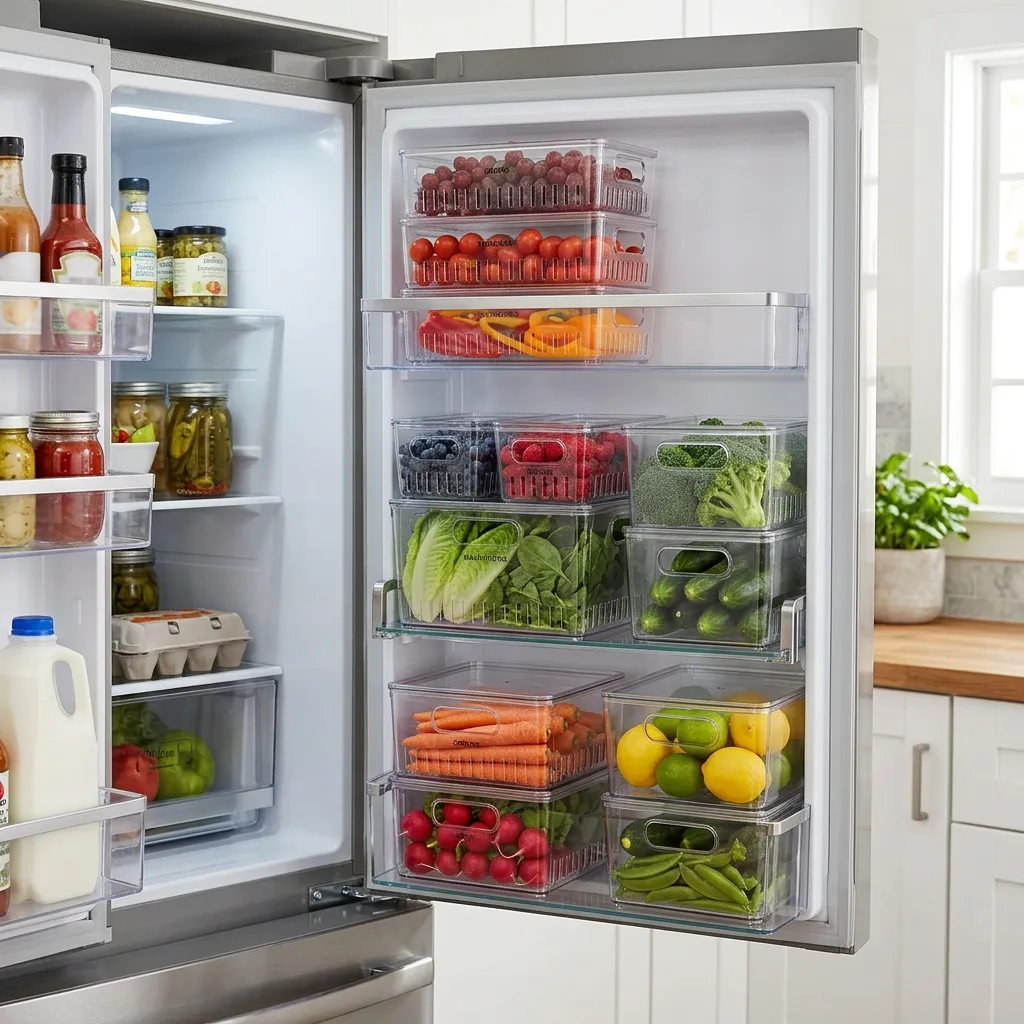
- A dedicated crisper strategy in the fridge — leafy greens in one drawer, root vegetables in another — extends freshness longer than mixed storage.
- Stackable fridge bins maximize refrigerator volume for the higher produce turnover plant-based cooking typically requires.
- A hanging wire basket for onions, garlic, and potatoes keeps them ventilated and off the counter entirely.
- Glass storage containers for washed and prepped produce keep grab-and-go vegetables visible and ready for quick meals.
3. Pantry Planning for Bulk Staples
Grains, legumes, nuts, and flours take up more pantry volume in a plant-based kitchen than in one relying more heavily on animal protein and fewer dry staples.
- Uniform stackable containers for rice, lentils, and grains use vertical pantry space more efficiently than mismatched original packaging.
- A deep pull-out pantry drawer designed for bulk bags of flour or legumes keeps heavy staples accessible without lifting from a high shelf.
- Labeled bins grouped by category — grains, legumes, nuts and seeds, flours — speed up both cooking and restocking.
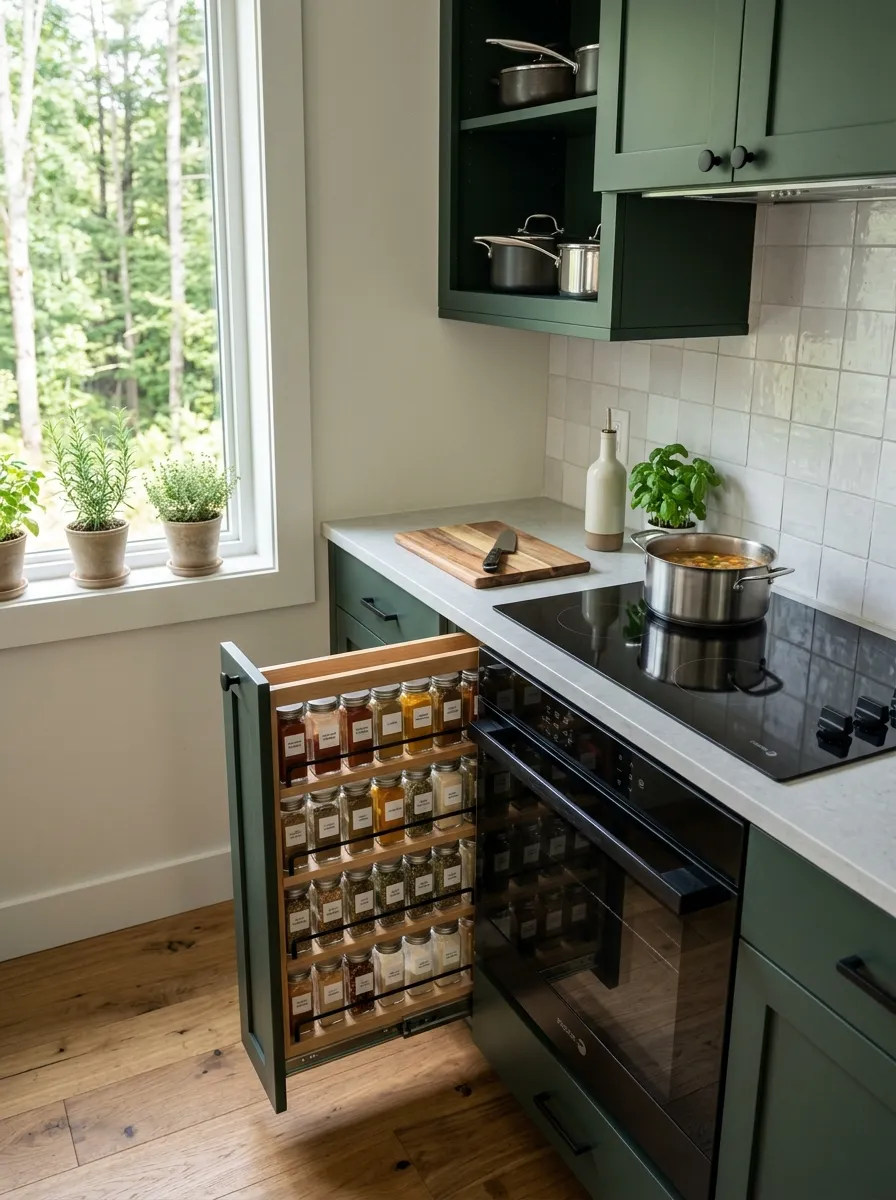
- A dedicated spice drawer with a wider variety of spices than a typical kitchen plans for, since plant-based cooking often leans on spice blends for depth of flavor.
- Clear glass jars for nutritional yeast, tahini, and other specialty staples that plant-based recipes call for more frequently than a standard pantry stocks.
4. Appliance Storage for Blenders & Processors
A high-powered blender and food processor tend to see daily use in a plant-based kitchen, which means they need genuinely accessible storage rather than a bottom-cabinet afterthought.
- A dedicated appliance garage at counter height keeps a blender ready to use without lifting it from a low cabinet daily.
- A pull-out shelf beneath the counter gives a heavy appliance a stable, accessible home that still tucks away visually.
- Vertical storage for blender attachments and extra blades keeps accessories from cluttering a drawer.
- A dedicated outlet near the appliance’s storage spot avoids the daily hassle of hauling it to a distant outlet.
5. Herbs, Finishing Touches & Sustainable Materials
Plant-based cooking leans heavily on fresh herbs and finishing ingredients, and many plant-based households also gravitate toward more sustainable material choices in the kitchen itself.
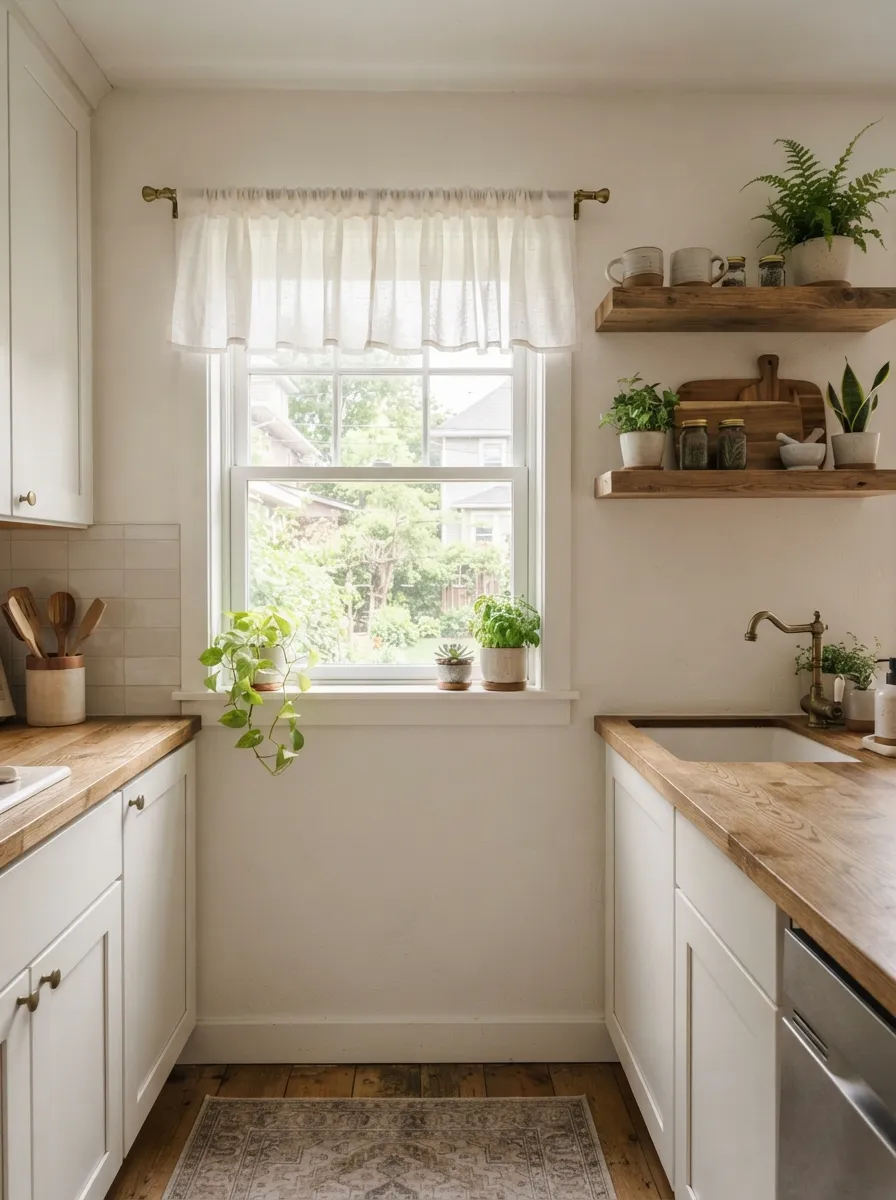
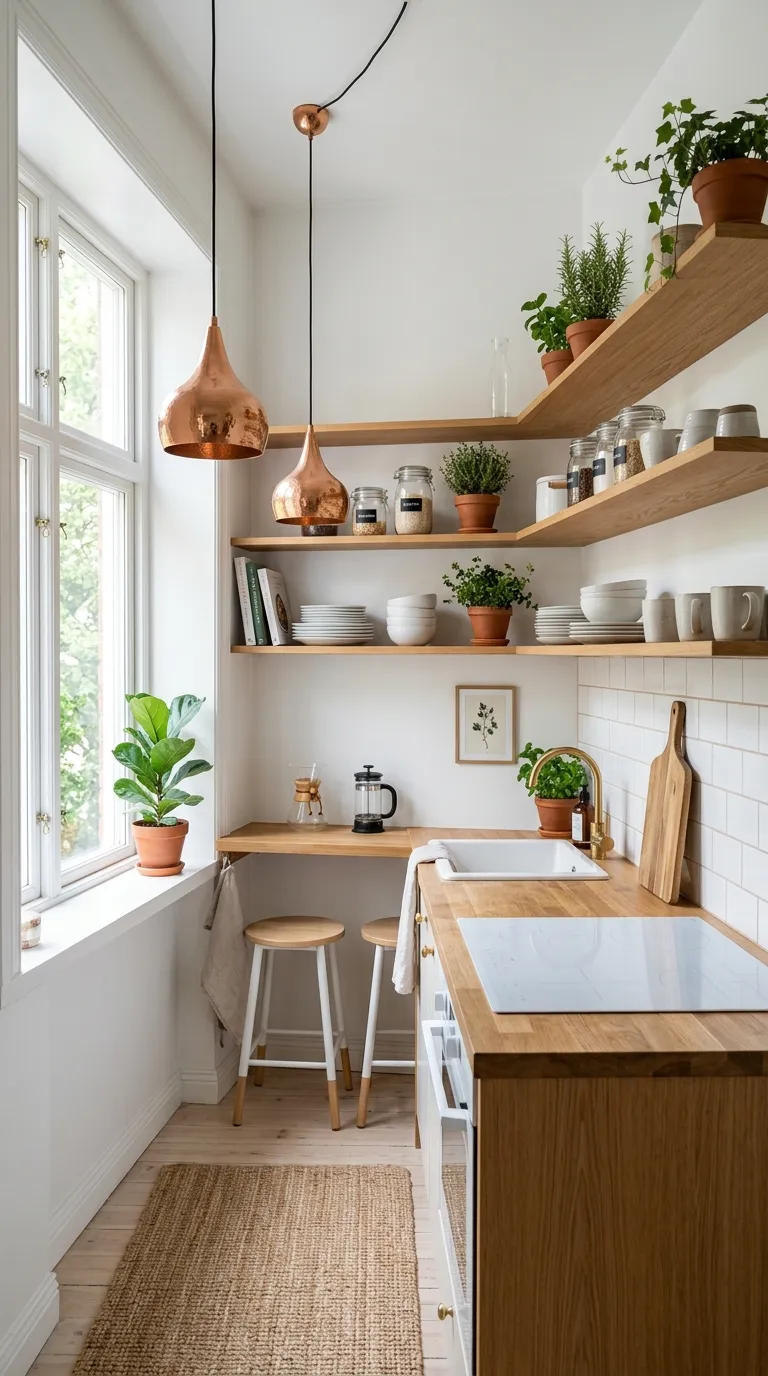
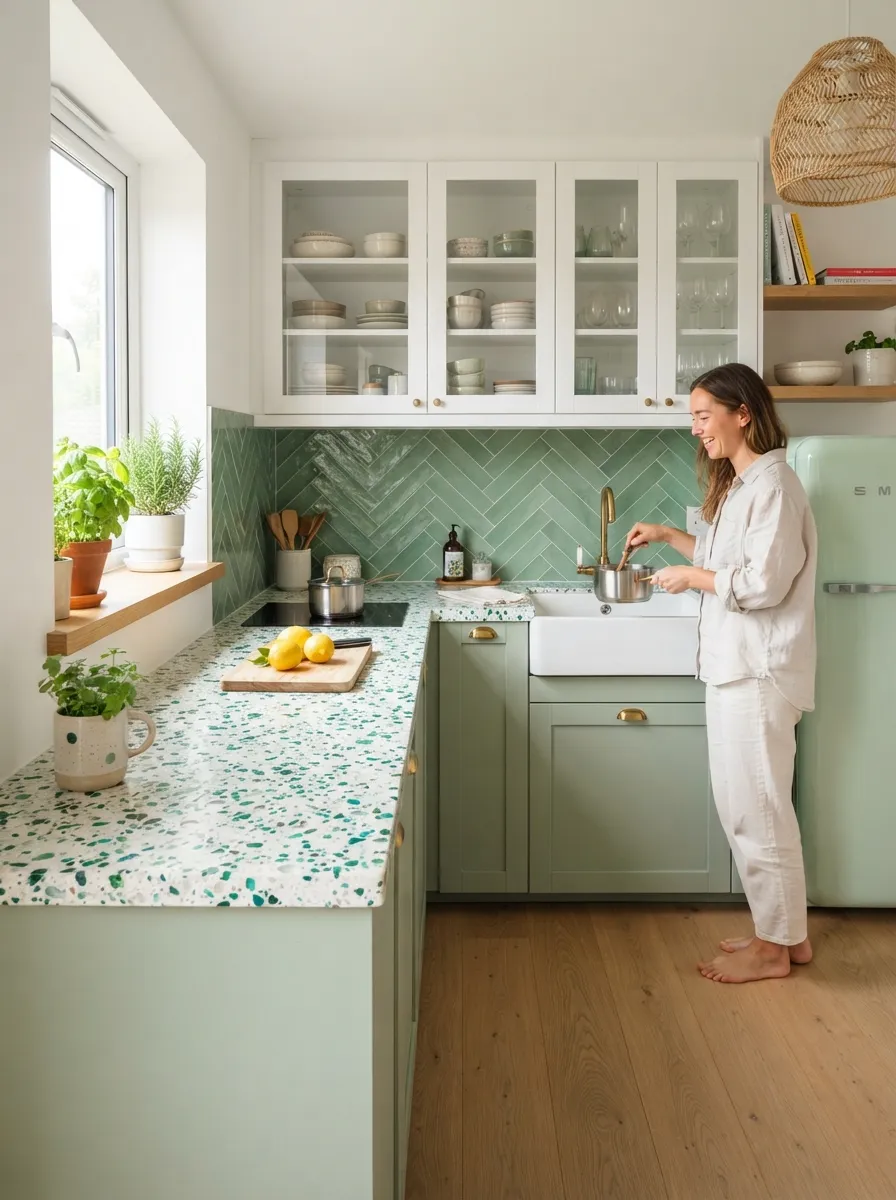
- A windowsill or wall-mounted herb garden supplies fresh basil, cilantro, and parsley for finishing dishes daily — see our herb garden ideas for setup options.
- Recycled glass or composite countertops align material choices with a broader sustainability focus without sacrificing durability.
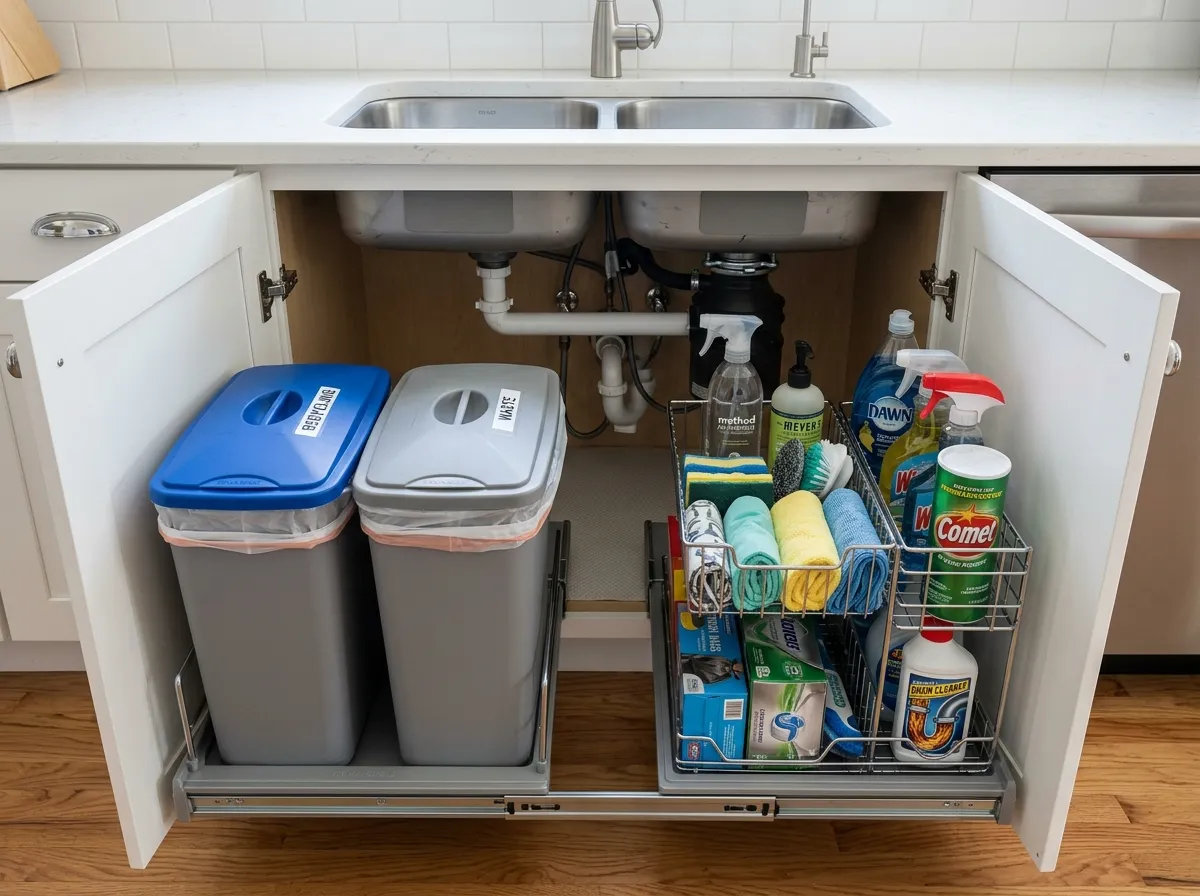
- A compost bin built into an under-sink pull-out handles the higher volume of vegetable scraps plant-based cooking generates.
- Reusable produce bags and containers stored near the entryway reduce single-use plastic on grocery trips.
- A citrus juicer and zester station near the prep zone, since citrus finishes so many plant-based dishes.
Plant-Based Kitchen Gallery
Frequently Asked Questions
What kitchen layout works best for plant-based cooking?
A layout that prioritizes continuous counter space between the sink and stove supports the heavy chopping and prep plant-based cooking requires.
How should I store produce for plant-based cooking in a small kitchen?
Use ventilated countertop baskets for items that shouldn’t be refrigerated, and dedicate specific crisper drawers to leafy greens versus root vegetables.
Do I need more pantry space for plant-based cooking?
Often yes, since bulk grains, legumes, nuts, and flours take up more volume than a kitchen stocked primarily with packaged and refrigerated goods.
Where should I store a blender or food processor I use daily?
An appliance garage or pull-out shelf at counter height keeps a daily-use blender accessible without lifting it from a low cabinet each time.
Is a windowsill herb garden worth it for plant-based cooking?
Yes, fresh herbs are used frequently as finishing ingredients in plant-based cooking, making a windowsill or wall-mounted herb garden especially practical.
How do I handle compost in a small plant-based kitchen?
A compost bin built into an under-sink pull-out handles the higher volume of vegetable scraps without taking up separate counter or floor space.
Related Pages
Design Around How You Actually Cook
A small kitchen built for plant-based cooking looks a little different from a standard layout — more prep counter, more pantry volume for bulk staples, and dedicated storage for the blender that runs almost daily. Start with your prep zone, since that’s where plant-based cooking spends the most time, and build pantry and produce storage around it.
For fresh finishing ingredients within arm’s reach, see our Small Kitchen Herb Garden Ideas guide next.