Small Kitchen Design for Frequent Movers and Military Families
Small kitchen design for frequent movers and military families has a different success metric than most design advice: it’s not about maximizing a single kitchen’s potential, it’s about minimizing the time, cost, and stress of resetting that potential every time a move happens. Families who relocate every one to three years benefit most from upgrades that travel with them, a kitchen inventory that stays genuinely necessary rather than accumulating extras, and a system that works whether the next kitchen is a galley, a one-wall apartment layout, or something in between. This guide covers the specific choices that make repeated moves less disruptive.
Quick Takeaways
- Favor removable, non-permanent upgrades over anything installed with adhesive, screws, or paint
- Choose stackable, nesting cookware that packs efficiently and survives repeated moves
- Keep a duplicate-free, right-sized collection of dishes and tools rather than a full accumulated set
- Use a consistent labeling and organization system that transfers the same logic to any new kitchen
- Photograph your kitchen setup before packing to make unpacking and re-setup in the next home faster
What’s In This Guide
- Why Moving Frequently Changes Kitchen Priorities
- Reversible Upgrades Worth Making
- Choosing Cookware That Travels Well
- Keeping a Lean, Duplicate-Free Inventory
- A Organization System That Transfers
- Packing and Unpacking Efficiently
- Before Signing a Lease
- Building a Repeatable Setup Routine
- Helping Kids Adjust
- Connecting With Others Who Move Often
- Frequently Asked Questions
Why Moving Frequently Changes Kitchen Priorities
Most small kitchen design advice assumes you’ll live with your choices for years, which shapes recommendations toward permanent upgrades, custom-fit storage, and a larger, more complete kitchen inventory. A household that moves every one to three years needs a different approach: upgrades that don’t require leaving money behind in a rental’s walls, an inventory sized for efficient packing rather than maximum convenience, and an organizational system based on consistent logic (not a layout-specific build-out) that works whether the next kitchen is bigger, smaller, or a completely different shape. Designing around repeated moves from the start saves real time and money across each transition.
Reversible Upgrades Worth Making
Military and frequent-mover housing is almost always a rental or government-provided home, which means permanent modifications are often against lease terms and, even when allowed, represent value left behind at every move. A few upgrades deliver real improvement while remaining fully reversible, and all of them hold up well across multiple moves if chosen carefully:
- Removable wallpaper or contact paper on cabinet interiors or a backsplash accent adds style without violating most lease terms, and peels off cleanly at move-out
- Adhesive hooks and strips (the kind rated for clean removal) handle hanging storage without drilling into walls or cabinets
- Tension-rod organizers fit inside cabinets without hardware and come apart in seconds for the next move
- Freestanding shelving or a rolling cart adds storage capacity that travels with you rather than staying behind as a built-in
- Battery-powered or plug-in under-cabinet lighting (rather than hardwired) upgrades a dim kitchen without any electrical work
Choosing Cookware That Travels Well
Cookware takes up significant moving-box volume and weight, so choices that pack efficiently save real effort at every move. Nesting pot and pan sets, where smaller pieces fit inside larger ones, use dramatically less box space than the same number of pieces stored separately. Collapsible or silicone items (measuring cups, colanders, some mixing bowls) fold flat for packing and take up a fraction of their functional size in a box. Cast iron, while excellent cookware, is genuinely heavy to move repeatedly; if you own it, keep the collection intentionally small rather than accumulating multiple pieces that add significant weight to every move.
| Cookware Type | Pack Efficiently? | Notes |
|---|---|---|
| Nesting pot/pan sets | Yes | Smaller pieces fit inside larger ones |
| Collapsible silicone tools | Yes | Fold flat for minimal box space |
| Cast iron | No | Heavy; keep collection small if moving often |
| Large stand mixers/appliances | No | Bulky and heavy; weigh usage against moving cost |
Keeping a Lean, Duplicate-Free Inventory
Every move is a natural checkpoint to reassess what’s actually being used versus what’s been carried along out of habit, and this reassessment matters more for a household that moves frequently than one that’s settled long-term, simply because the cost of carrying unused items compounds with each relocation rather than being a one-time inconvenience. A lean inventory, sized realistically for your household rather than accumulated gradually over years in one place, packs faster, costs less to move (particularly relevant for any move with a weight allowance), and sets up faster in the next kitchen. Before each move, a quick sort into “used regularly,” “used occasionally but worth keeping,” and “hasn’t been used since the last move” catches duplicate gadgets, extra dishware, and single-use tools that quietly accumulate between moves.
What About Sentimental or Heirloom Kitchen Items?
Many families who move often still want to keep a handful of meaningful kitchen pieces, a grandmother’s serving dish, a favorite casserole pan, a set of handed-down mugs. These are worth packing carefully and keeping, but they’re also the items most likely to break or get lost across repeated moves, so it helps to set them apart from everyday inventory. Pack them in dedicated, clearly labeled boxes with extra padding, and consider photographing each piece before packing, both as a record for any insurance claim and as a reference for where it belongs in the next kitchen. Limiting this category to a small number of truly meaningful items, rather than every inherited dish, keeps the packing load manageable from one move to the next.
An Organization System That Transfers
Rather than building storage solutions around one specific kitchen’s exact cabinet layout, a system based on consistent categories and labeling transfers its logic to any new space, even if the physical layout is completely different. Keep the same category groupings (baking, everyday cooking, specialty tools, cleaning) across moves, and use clear, simple labels on bins and containers rather than labels tied to a specific cabinet’s location. This means your brain doesn’t have to relearn an entirely new system each time, only where the same familiar categories happen to live in the new kitchen’s layout.
Packing and Unpacking Efficiently
A few habits specific to kitchen items make both ends of a move faster:
- Photograph your current kitchen setup (drawers open, cabinets organized) before packing, giving yourself a reference for recreating a system that worked well
- Pack by category, not by cabinet location, so unpacking into a differently shaped kitchen is a matter of finding new homes for familiar groups rather than re-sorting from scratch
- Wrap stemware and mugs individually, since these are the most breakage-prone kitchen items across repeated moves
- Keep a small “first week” box separate from the rest, packed with just the essentials (a few plates, basic cookware, coffee setup) so the first few days in a new home don’t require fully unpacking before you can cook
What to Check Before Signing a Lease on a New Kitchen
A few minutes of evaluation during a walkthrough can save real frustration once you’ve already moved in. Check whether the kitchen allows any modifications at all (some leases explicitly prohibit even removable hooks or contact paper), note the exact dimensions of cabinets and drawers so you know whether your existing organizers will transfer directly or need replacing, and check appliance sizes against anything you own or plan to bring, since a mismatch (a full-size fridge that won’t fit a compact nook, for example) is far easier to catch before signing than after moving day.
It’s also worth asking current or previous tenants, if accessible, about any kitchen quirks, insufficient outlets, poor ventilation, a stove that runs hot, since these details rarely show up in listing photos but affect daily use immediately upon moving in.
Building a Repeatable Setup Routine
Families who move frequently often develop a consistent setup sequence that speeds up every transition: unpack the “first week” box first, set up the coffee or breakfast station second (since mornings matter most for settling in quickly), then move through categories in the same order each time, cookware, dishware, pantry, specialty items. Having this sequence memorized, rather than deciding fresh at each move, removes a layer of decision fatigue during an already busy transition period.
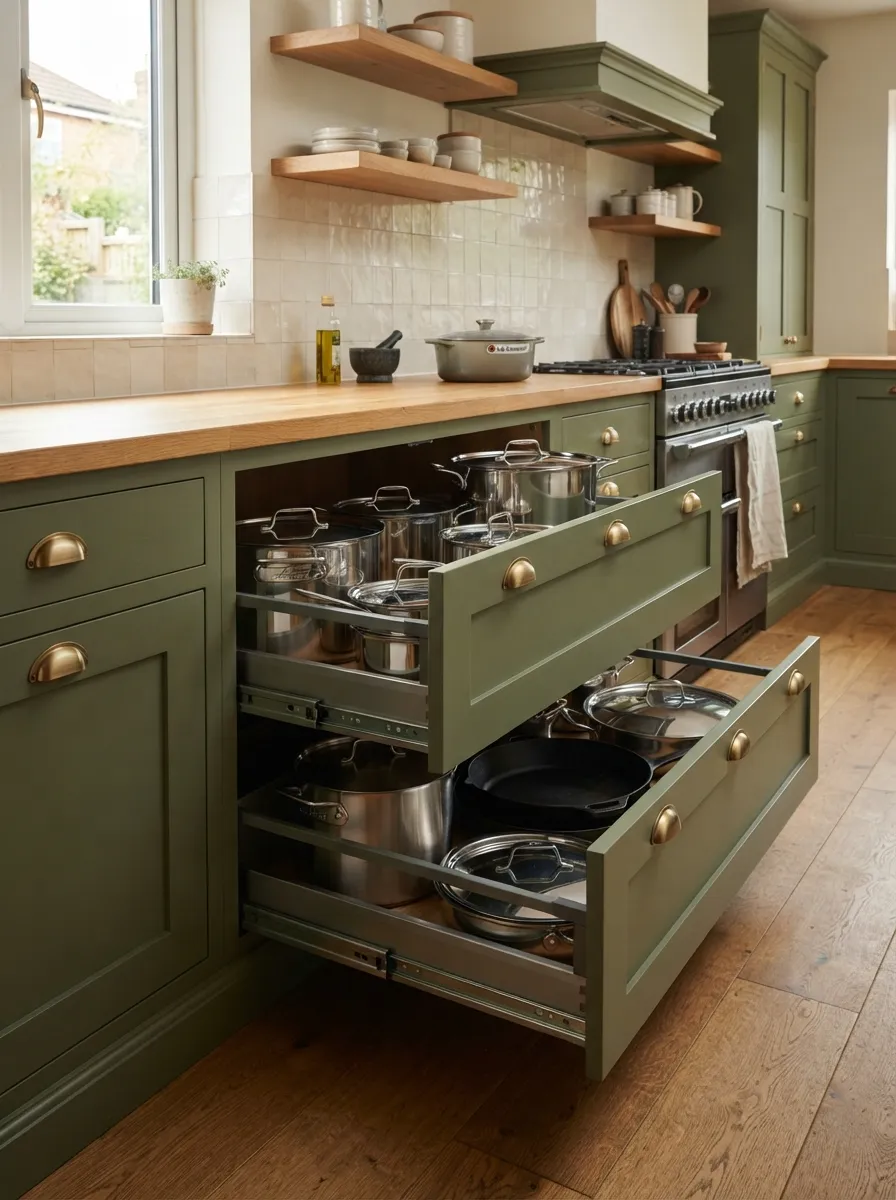
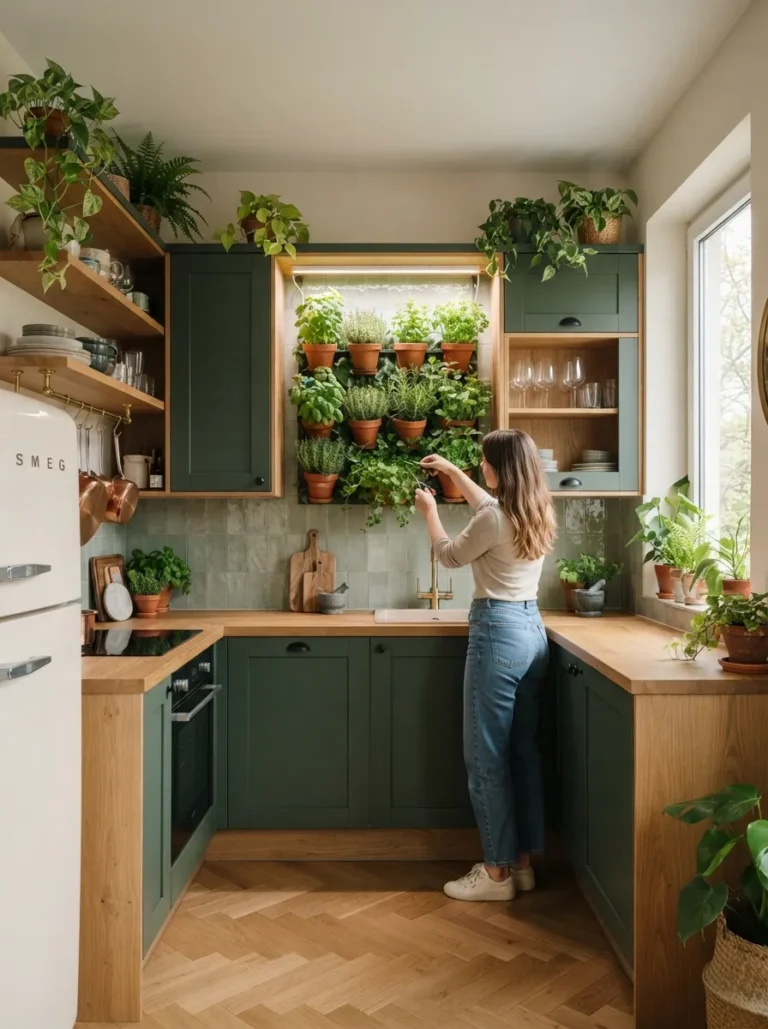
A consistent drawer system transfers easily between different kitchens
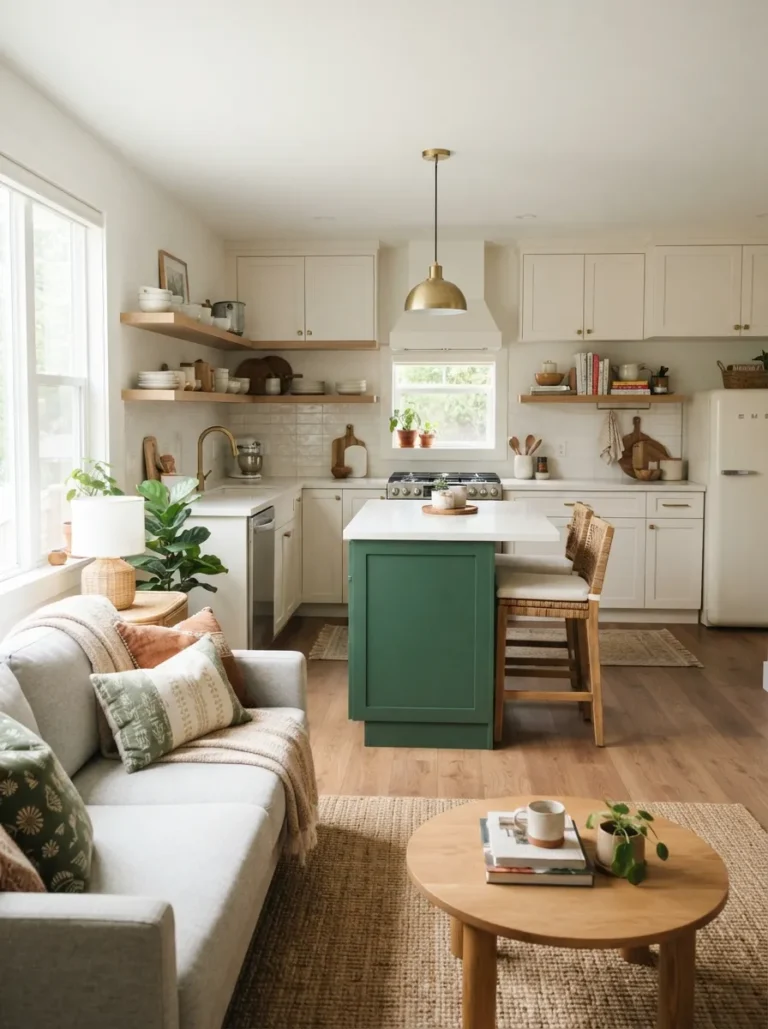
Removable style updates add character without permanent changes
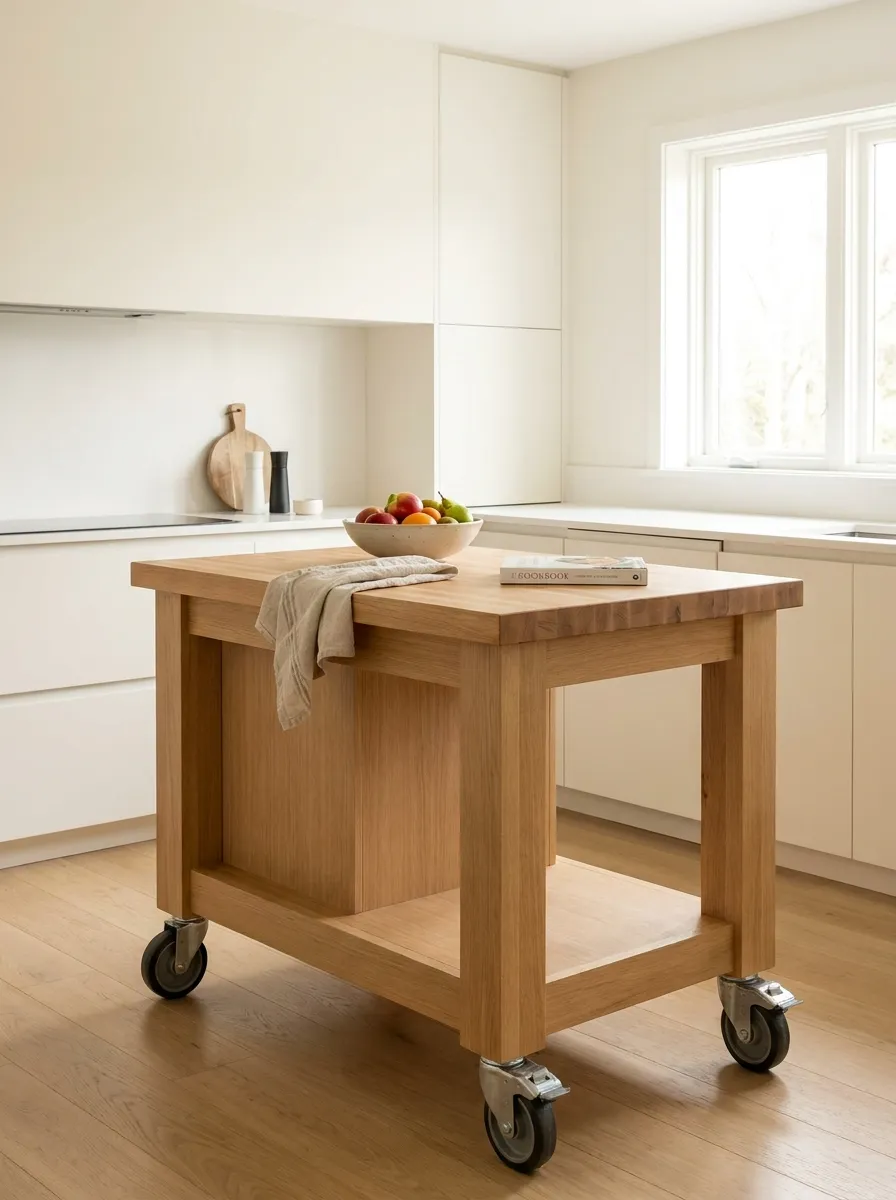
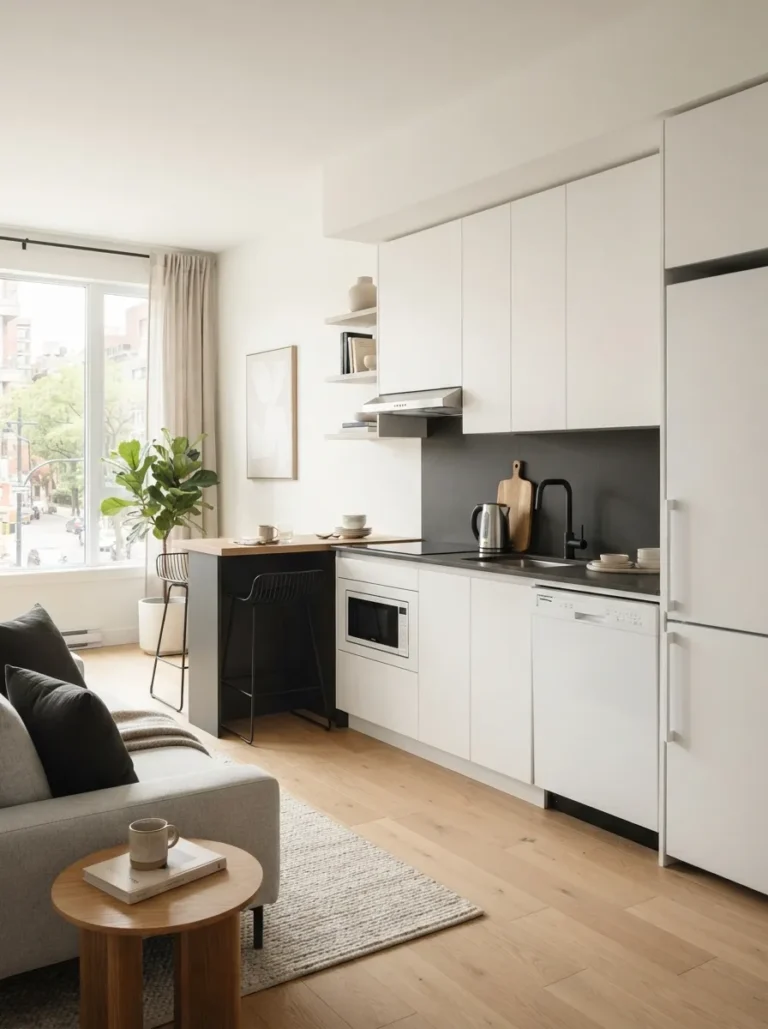
Freestanding storage travels with you rather than staying behind
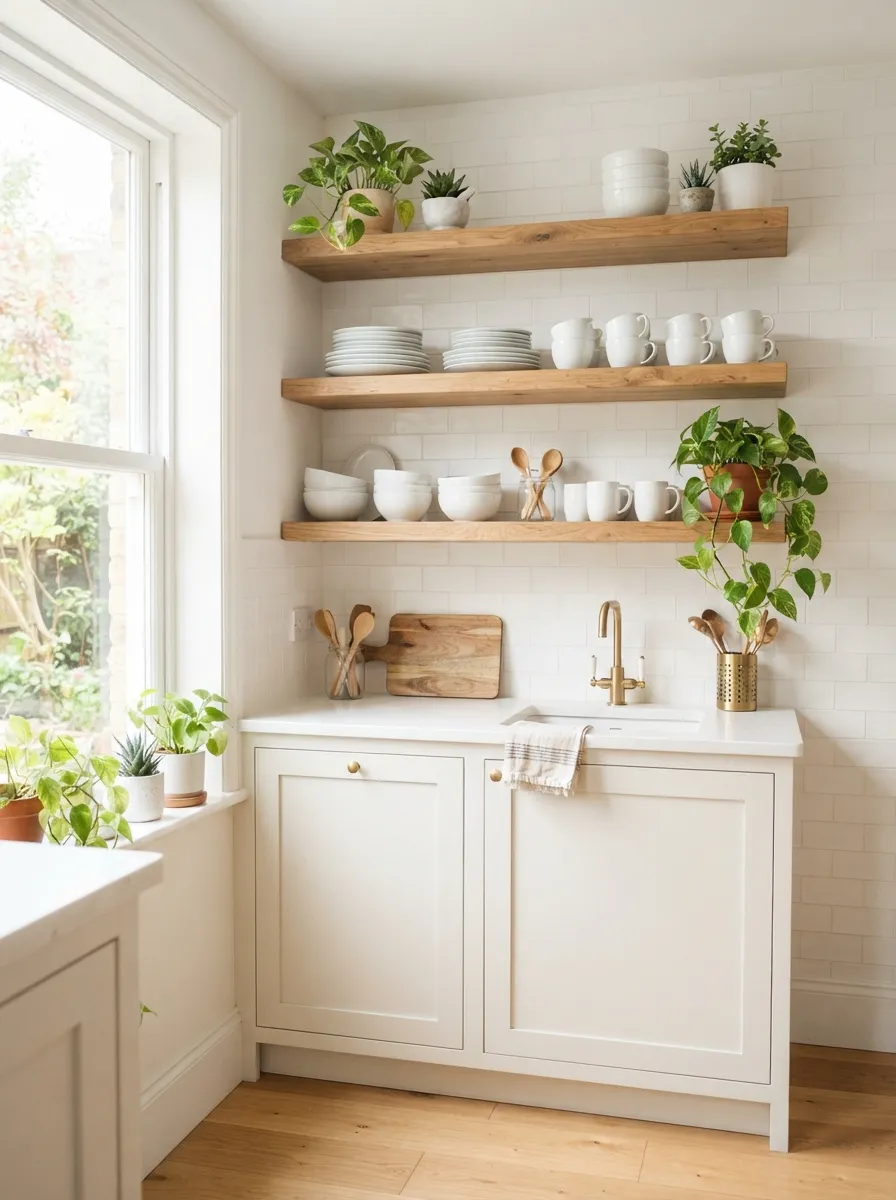
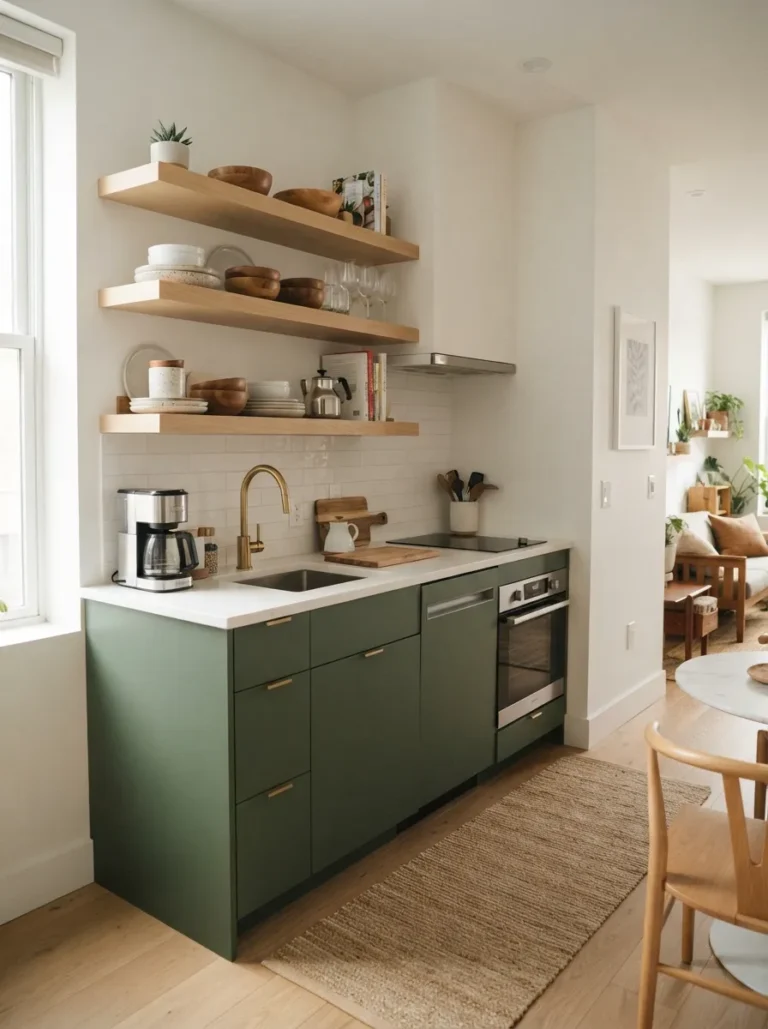
A lean, well-chosen dishware collection packs and unpacks faster
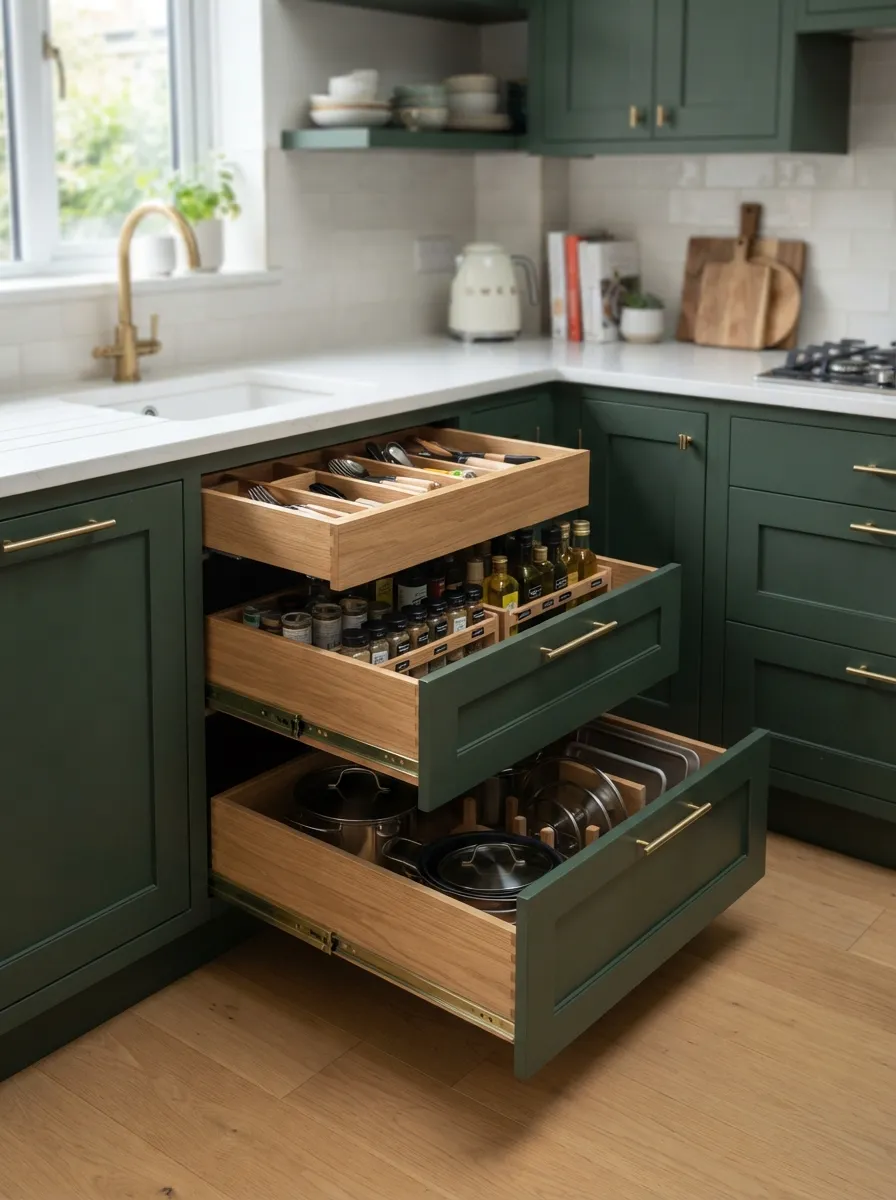
Clear category-based organization transfers to any new layout
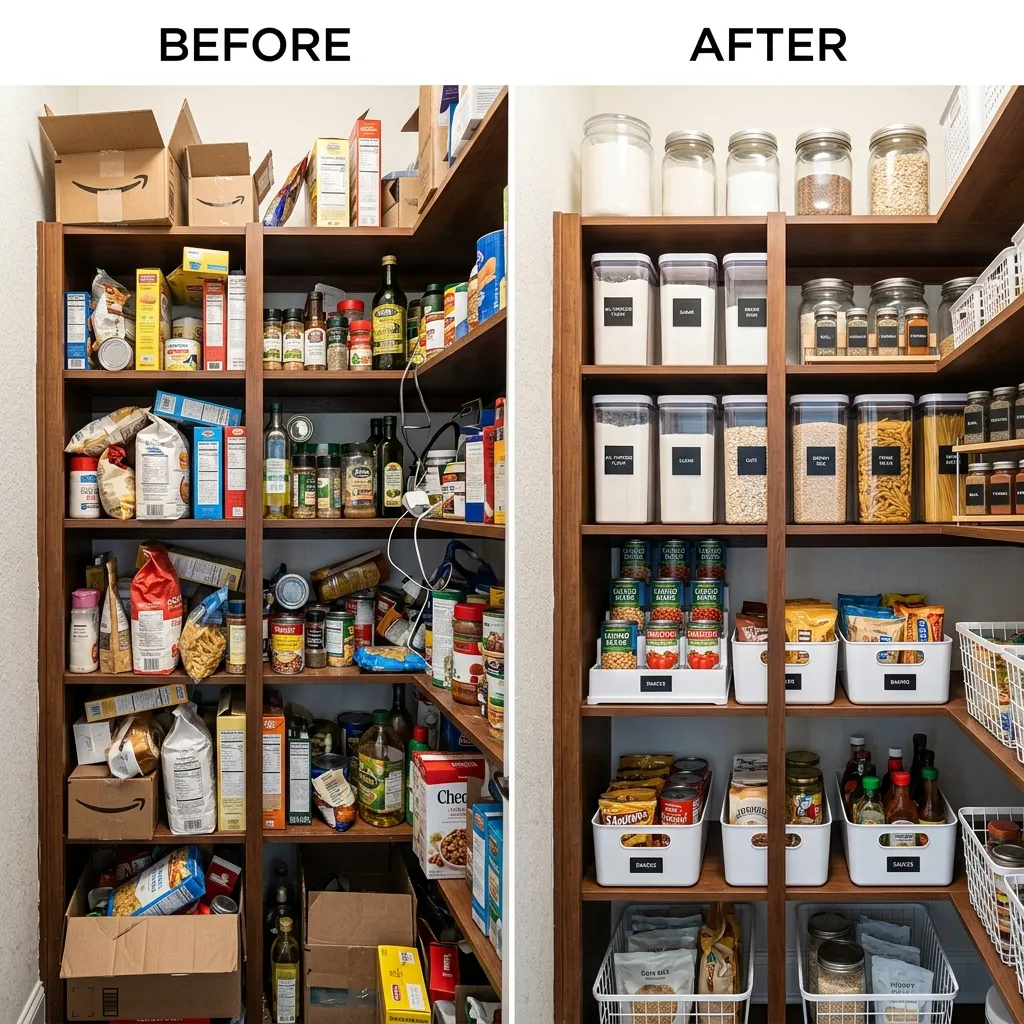
A quick pantry reset at each move keeps the collection lean
Helping Kids Adjust to a New Kitchen Each Move
For military and frequently relocating families with children, a few small consistency touches in the kitchen specifically can ease the broader transition of a move. Keeping the same labeled snack bin or designated kid-accessible shelf in every new kitchen, even if its physical location changes, gives children a familiar routine to latch onto quickly. The same applies to a consistent spot for school lunch packing or a morning breakfast station, both of which matter more for a child’s sense of stability than their exact location within the room. Involving kids in unpacking their own designated kitchen spot, even just a snack drawer, also gives them a small, manageable piece of ownership over settling into yet another new home.
Connecting With Others Who Move Often
Military spouse and frequent-mover communities, both online and through base or local support networks, are often a genuinely useful resource specifically for kitchen setup questions, since members have usually faced the exact same layout and rental-restriction challenges many times over. Posting a photo of a new kitchen’s layout before move-in, if base housing policy allows early access, often generates practical, specific suggestions from people who’ve furnished a similar space before, faster than researching generic small kitchen advice from scratch each time. These communities are also a reliable source for honest reviews of which removable products (adhesive hooks, contact paper, tension rods) actually hold up well through a full moving cycle versus which ones look good in theory but fail in practice.
Mistakes to Avoid
Making permanent modifications to a rental. Drilled-in shelving, painted cabinets, or hardwired lighting upgrades represent real value left behind at every move, and may violate lease terms depending on the property.
Letting the kitchen inventory grow unchecked between moves. Without a deliberate reset, duplicate gadgets and rarely used items accumulate gradually and add real weight and packing time to the next move.
Organizing around one kitchen’s specific cabinet layout. A system too tied to a particular kitchen’s quirks has to be rebuilt from scratch at the next move, while a category-based system adapts more easily.
Packing kitchen items by cabinet rather than by category. This makes unpacking into a differently laid-out kitchen far more confusing than packing by consistent category groupings.
Frequently Asked Questions
What kitchen upgrades are safe for a military or rental kitchen?
Removable wallpaper, adhesive hooks rated for clean removal, tension-rod organizers, and freestanding shelving or carts all add function without permanent modification or lease violations.
What cookware is best for families who move often?
Nesting pot and pan sets and collapsible silicone tools pack far more efficiently than bulky or heavy cookware like cast iron, which adds significant weight to repeated moves.
How can I keep my kitchen inventory from growing too large between moves?
Use each move as a checkpoint to sort items into regularly used, occasionally used, and unused-since-last-move categories, removing duplicates and items that have quietly gone unused.
What’s the best way to organize kitchen items so they transfer to a new home easily?
Use consistent category groupings (baking, everyday cooking, specialty tools) with clear labels, rather than organizing around one specific kitchen’s cabinet layout.
Does a kitchen’s weight matter for military moves?
Yes, if your move includes a weight allowance, a lean kitchen inventory can meaningfully affect total shipment weight, making it worth reviewing kitchen items specifically before each move.
What should go in a “first week” box when moving?
A small set of essentials, a few plates, basic cookware, and a coffee setup, packed separately so the first few days in a new home don’t require fully unpacking before you can cook.
What should I check before signing a lease with a small kitchen?
Confirm whether any modifications are allowed, note cabinet and drawer dimensions, and check appliance sizes against anything you own, since mismatches are easier to catch before signing than after moving in.
Why does a repeatable setup routine help with frequent moves?
Having a consistent unpacking sequence, starting with essentials and the coffee station, removes decision fatigue during an already busy transition period and speeds up settling into each new kitchen.
How can military spouse communities help with kitchen setup?
Members often share practical, layout-specific suggestions and honest reviews of which removable products actually hold up through a full moving cycle, which is harder to find from generic design advice alone.
How can I help kids adjust to a new kitchen after each move?
Keep the same labeled snack bin, lunch-packing spot, or breakfast station concept in every new kitchen, even if the physical location changes, to give kids a familiar routine to settle into quickly.
Related Pages
Final Thought
A small kitchen built for frequent moves prioritizes flexibility over permanence — upgrades that travel, an inventory sized for efficient packing, and an organizational logic that adapts to whatever layout comes next. None of this sacrifices a functional, pleasant kitchen in the meantime; it just means the choices made today won’t cost extra time, money, or stress at the next move. Over several moves, these habits compound into a noticeably smoother transition each time, turning what could be a stressful, from-scratch project into a routine you’ve already refined.
Settling into a new apartment kitchen?
Explore Small Apartment Kitchen Design