The True Cost of Small Kitchen Cabinet Refacing (2026 Price Breakdown)
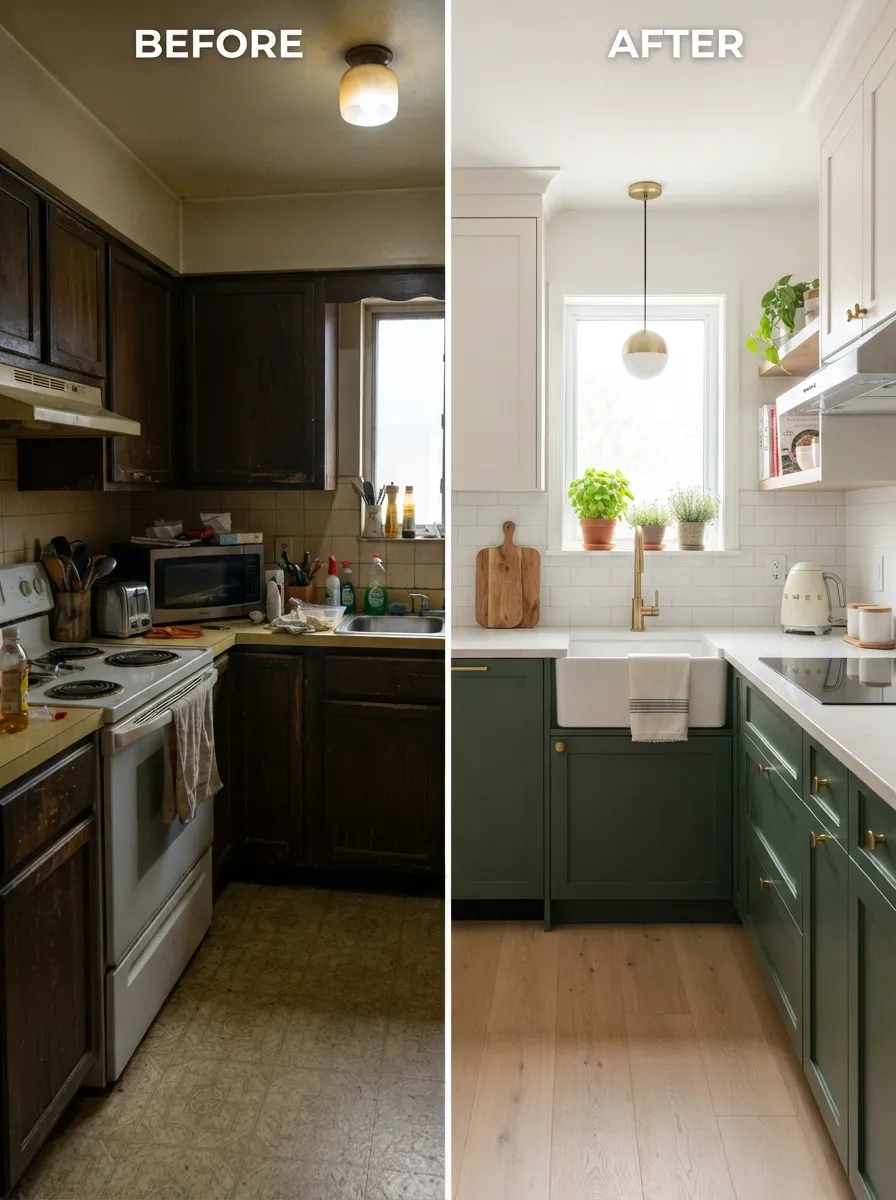
The true cost of small kitchen cabinet refacing depends heavily on material choice, kitchen size, and whether you hire a professional or do it yourself, but most small kitchens (roughly 8–12 linear feet of cabinets) land somewhere between $4,000 and $9,000 for a full refacing job. That’s a fraction of the $15,000 to $30,000-plus a full cabinet replacement typically runs, which is exactly why refacing has become one of the most popular small kitchen upgrades: it delivers most of the visual transformation of new cabinets at a much smaller price tag and a much shorter timeline. This guide breaks down real cost ranges by material, explains what actually drives your final price up or down, and compares refacing against full replacement so you can decide which makes more financial sense for your kitchen.
Quick Takeaways
- Small kitchen refacing typically runs $4,000–$9,000 total, or $100–$250 per linear foot
- Full cabinet replacement costs 2–4x more than refacing for the same kitchen
- Laminate is the most budget-friendly refacing material; solid wood veneer is the priciest
- DIY refacing can cut costs by 40–60%, but only for cabinet boxes in genuinely good structural condition
- Refacing only makes sense when your existing cabinet boxes are solid — if they’re warped, water-damaged, or poorly laid out, replacement is usually the better investment
What’s In This Guide
What Is Cabinet Refacing, Exactly?
Cabinet refacing means keeping your existing cabinet boxes — the structural frames bolted to your walls and floor — and replacing everything you actually see: doors, drawer fronts, hinges, handles, and a thin veneer applied over any exposed side panels. It’s different from refinishing, which just repaints or restains the existing doors without replacing them, and it’s very different from full replacement, which tears out the boxes entirely and installs new cabinetry from scratch.
| Method | What Changes | Typical Cost (Small Kitchen) |
|---|---|---|
| Refinishing | Paint or stain on existing doors only | $1,000–$3,000 |
| Refacing | New doors, drawer fronts, veneer over boxes | $4,000–$9,000 |
| Full Replacement | Entirely new cabinet boxes and doors | $15,000–$30,000+ |
Refacing sits in the middle both in cost and in how much it transforms a kitchen — it looks like brand-new cabinetry from the outside, because it essentially is, while the money-saving part (the boxes) stays exactly where it was.
Small Kitchen Cabinet Refacing Cost Breakdown by Material
Material is the single biggest factor in what refacing actually costs, since the doors and drawer fronts are almost the entire visible cost of the job. Here’s what to expect from each option, based on a typical small kitchen with 8–12 linear feet of cabinets.
Laminate
Laminate is the most budget-friendly refacing material, typically running $70–$150 per linear foot, or roughly $3,500–$6,500 for a full small kitchen. It’s available in a wide range of colors and wood-look finishes, resists moisture well, and is one of the easier materials to clean day to day. The trade-off is a slightly less premium feel underhand compared to real wood, and lower-end laminate can show wear at the edges sooner.
Wood Veneer
A thin layer of real wood applied over the existing cabinet boxes and new doors, wood veneer runs $110–$220 per linear foot, landing around $5,500–$8,500 for a small kitchen. It gives you the genuine look and grain of solid wood at a lower material cost, since you’re using a thin real-wood layer rather than solid boards throughout.
Thermofoil / Rigid Thermofoil (RTF)
Thermofoil is a vinyl coating heat-pressed over an MDF door core, giving a smooth, seamless painted look without visible wood grain. It typically costs $90–$180 per linear foot ($4,500–$7,500 for a small kitchen) and is especially popular for all-white or matte-finish kitchens. It holds up well to daily use but can be more sensitive to heat (avoid placing it too close to a range or oven) than laminate or wood veneer.
Solid Wood
Full solid wood doors and drawer fronts (rather than a veneer layer) are the most expensive refacing option, running $150–$280 per linear foot, or $7,500–$9,000-plus for a small kitchen. This is the closest a refacing job gets to a genuine cabinet replacement in terms of material quality, and it’s the option most likely to be worth refinishing again down the road instead of replacing entirely.
What Affects Your Final Price
Beyond material, several other factors shift your final refacing cost up or down, sometimes significantly:
- Kitchen size: More linear feet of cabinets means more doors and drawer fronts to replace, scaling cost roughly linearly with the size of your kitchen.
- Door style complexity: A simple flat slab door costs less than a raised-panel or shaker-style door with more detailed millwork.
- Number of drawers vs. doors: Drawer fronts are typically priced slightly lower than full doors, so a kitchen with more drawers can come in a bit cheaper than one with mostly full-height doors.
- Hardware included or not: New handles and hinges are sometimes bundled into refacing quotes and sometimes billed separately, so confirm this before comparing quotes from different contractors.
- Condition of existing boxes: If your cabinet boxes need minor repairs before the veneer or new doors go on, expect an added $200–$800 depending on the extent of the repair.
- DIY vs. professional installation: Professional labor typically adds 40–60% to the material cost alone, which is the single biggest lever for reducing your total price if you’re comfortable doing some of the work yourself.
Refacing vs Full Replacement: Which Actually Costs Less Long-Term
Upfront, refacing is almost always the cheaper choice — often by $10,000 or more for a small kitchen. The long-term math depends on one key question: are your existing cabinet boxes actually in good shape? If they are, refacing gives you 80–90% of the visual transformation of new cabinets for 30–40% of the cost, and a well-executed refacing job can last 15–20 years, similar to the lifespan of a full replacement.
If your cabinet boxes have structural problems — water damage, warping, or a layout that genuinely doesn’t work for how you cook — refacing just puts a new face on the same underlying issues. In that case, spending more upfront on full replacement is usually the better long-term investment, since you’d likely need to replace the boxes within a few years anyway.
Hidden Costs to Budget For
A refacing quote often covers the doors, drawer fronts, and veneer, but a few line items commonly get added on afterward:
- New hardware: $150–$500 for handles and hinges across a small kitchen, if not included in the base quote
- Box repairs: $200–$800 if any existing cabinet boxes need reinforcement before refacing
- Matching end panels or fillers: $100–$300 to make sure exposed sides and gaps match the new door finish
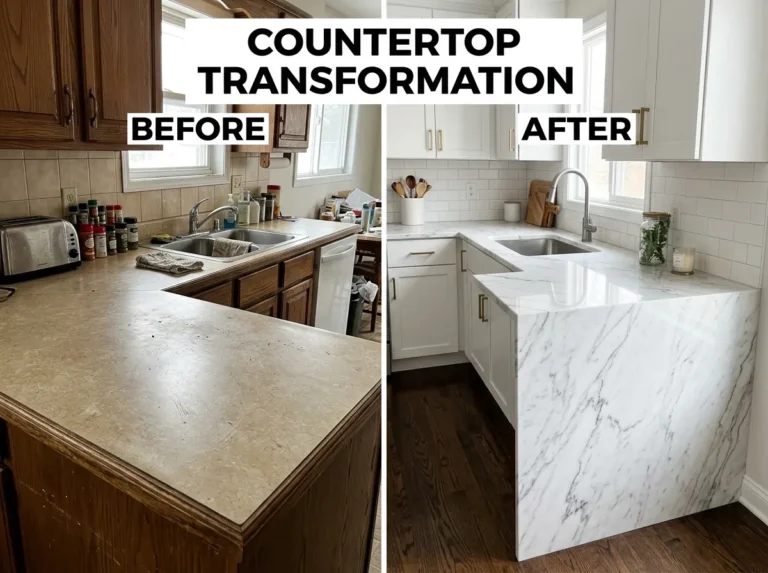
- Countertop touch-up: Not required, but many homeowners choose to update the countertop at the same time since the kitchen is already disrupted, which can add $1,500–$4,000 depending on material
- Temporary kitchen setup: If your kitchen will be unusable for a few days, budget for a few days of takeout or a simple temporary cooking setup elsewhere in the home
Is DIY Cabinet Refacing Worth the Savings?
DIY refacing can realistically cut 40–60% off your total cost, since labor is the biggest line item after materials. It’s a genuinely achievable weekend-to-week-long project if your cabinet boxes are in good condition and you’re comfortable with basic tools, since much of the work is measuring, cutting veneer to size, and installing pre-made doors and drawer fronts rather than complex carpentry.
That said, DIY refacing is worth approaching carefully if you’ve never done cabinet work before — a small measurement error on veneer or door sizing is much harder to fix after installation than before. Many homeowners land on a middle ground: DIY-installing the veneer and doors themselves, but having a professional handle any structural box repairs first.
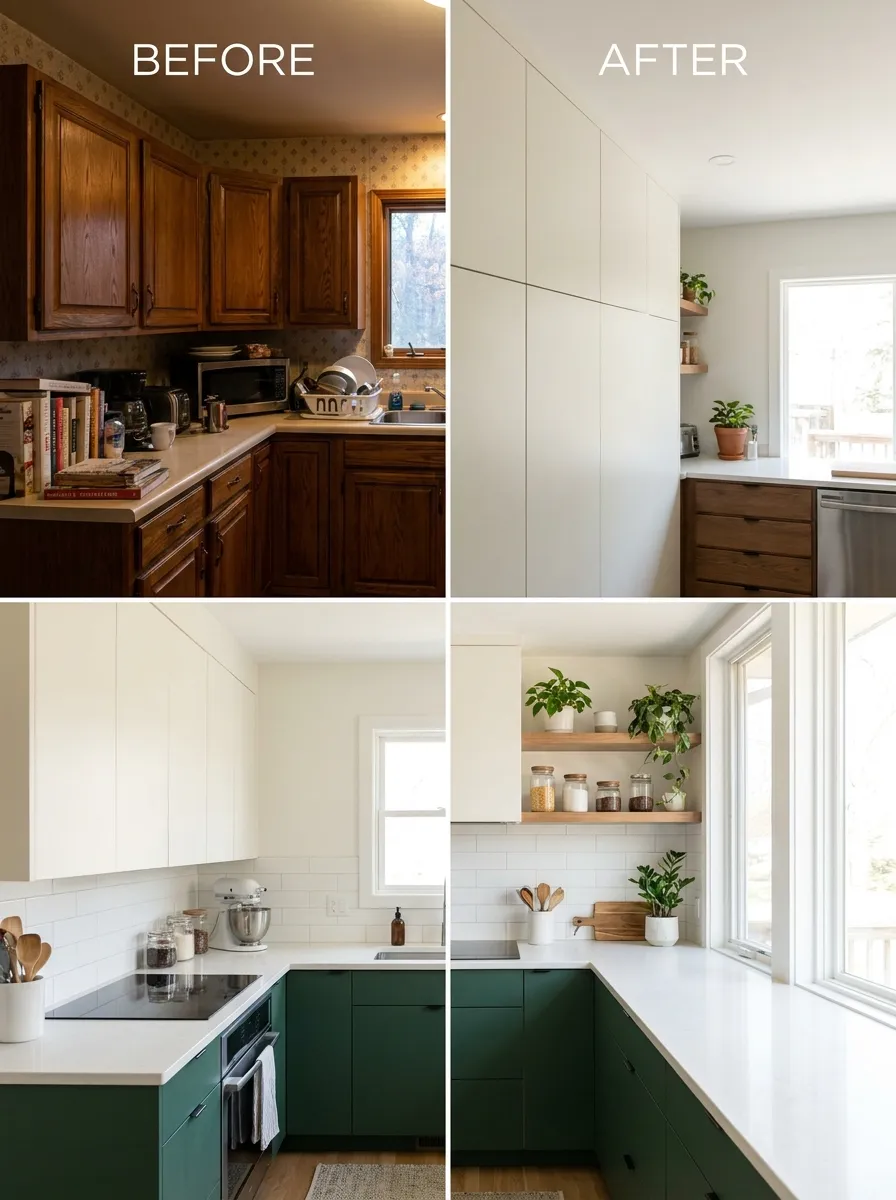
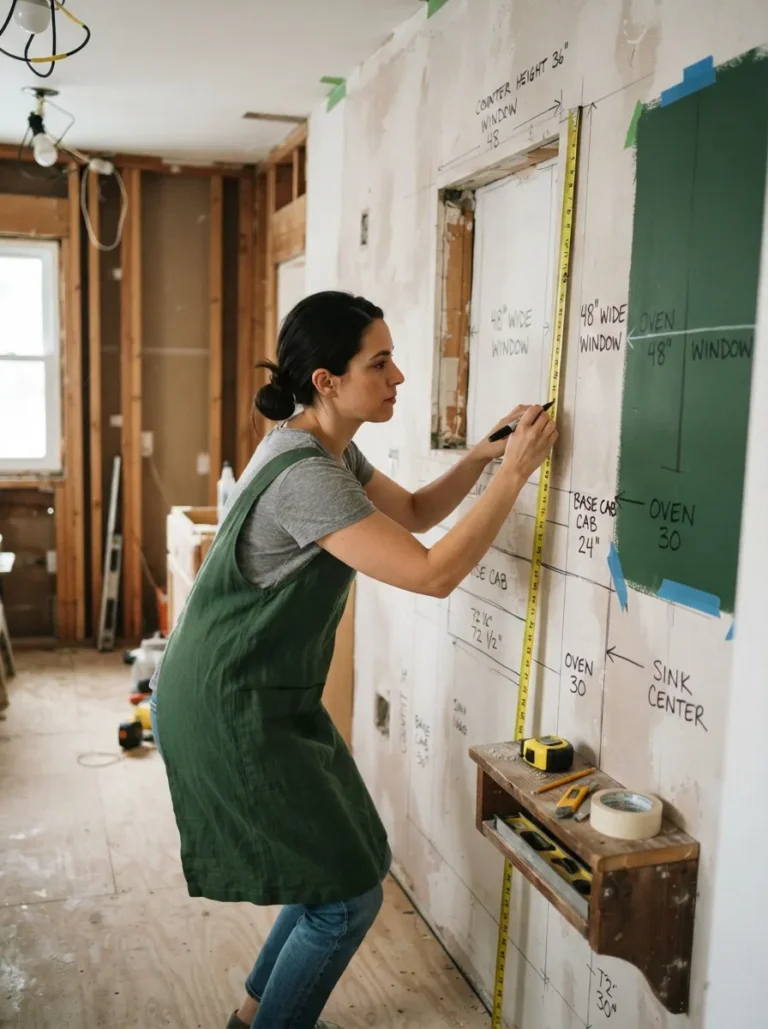
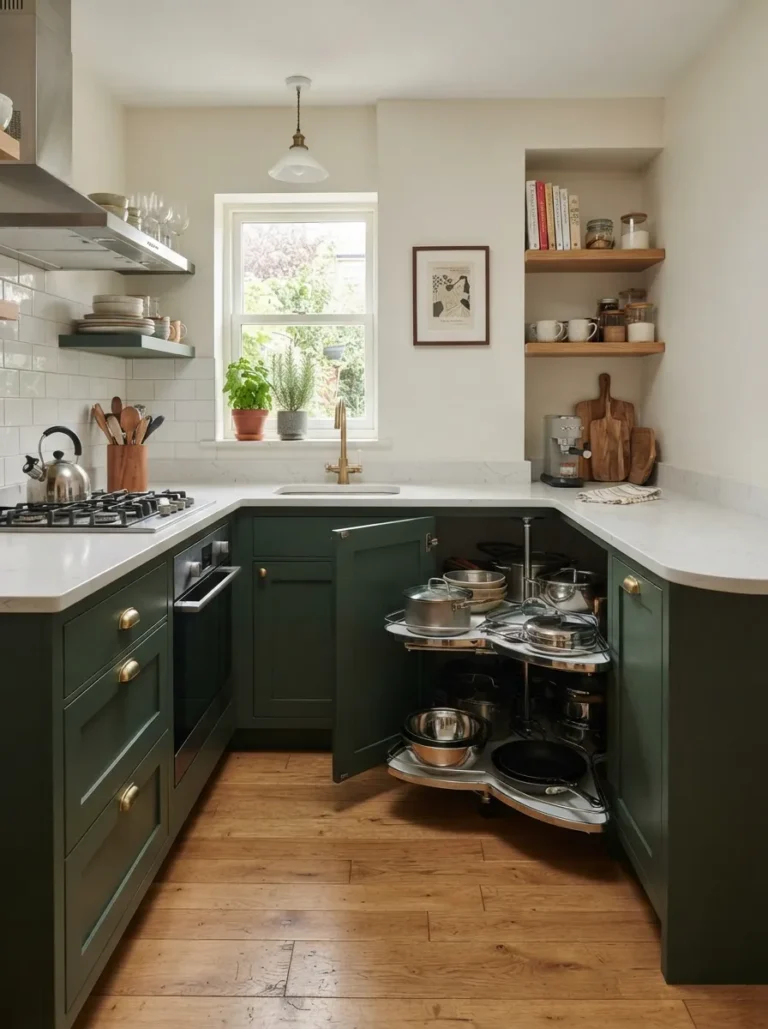
A refacing job can deliver a full visual transformation without new cabinet boxes
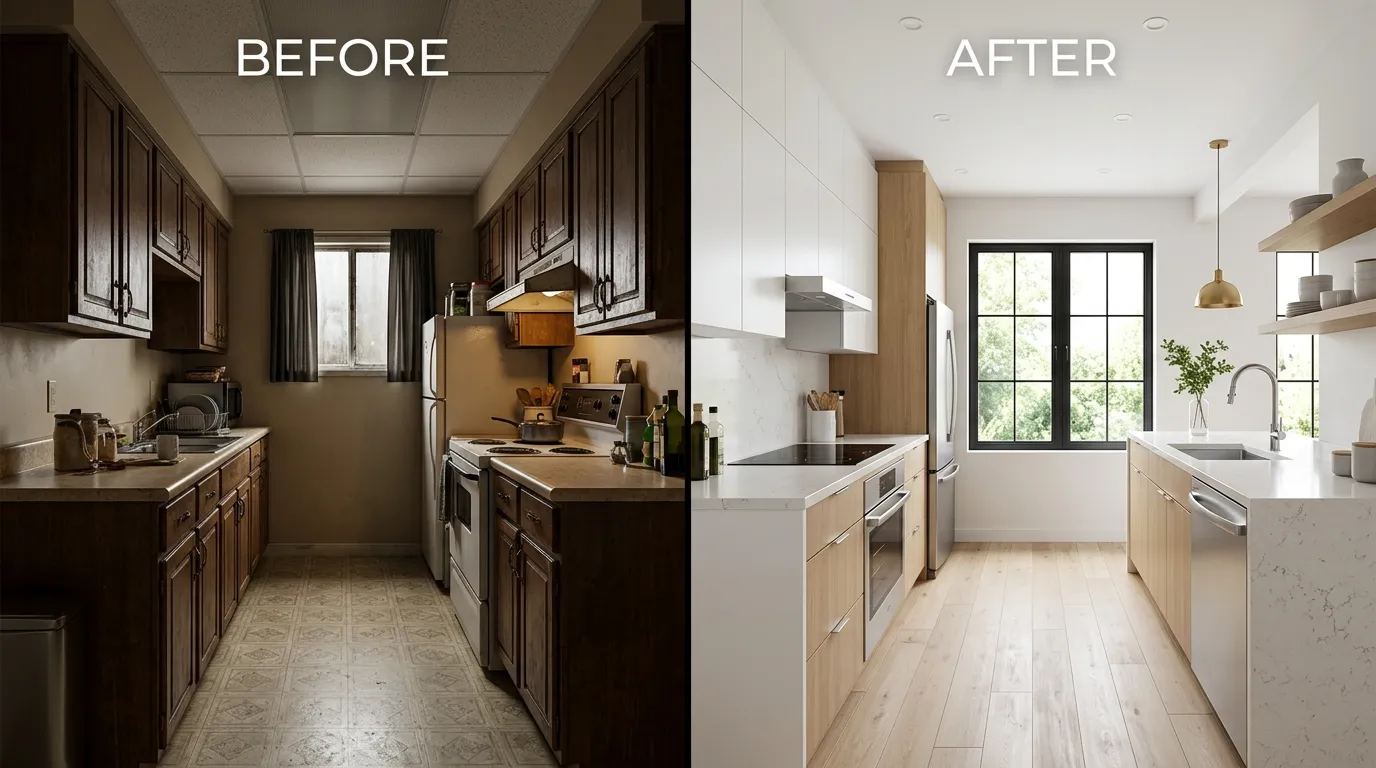
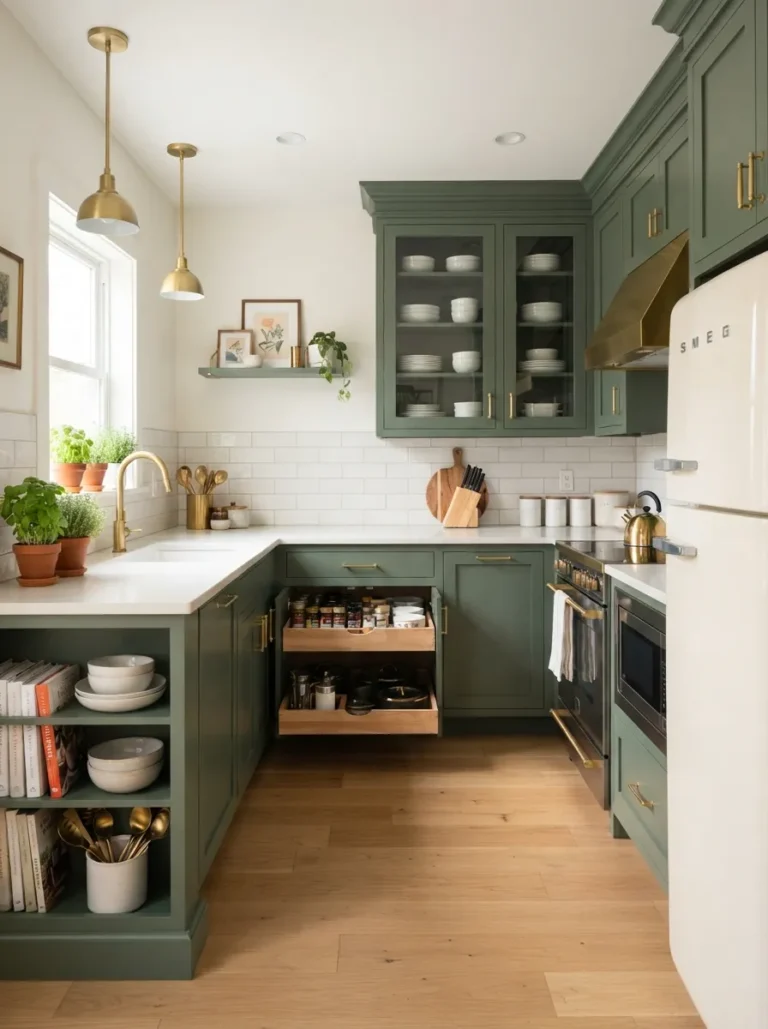
Refacing keeps the existing layout and cabinet boxes in place
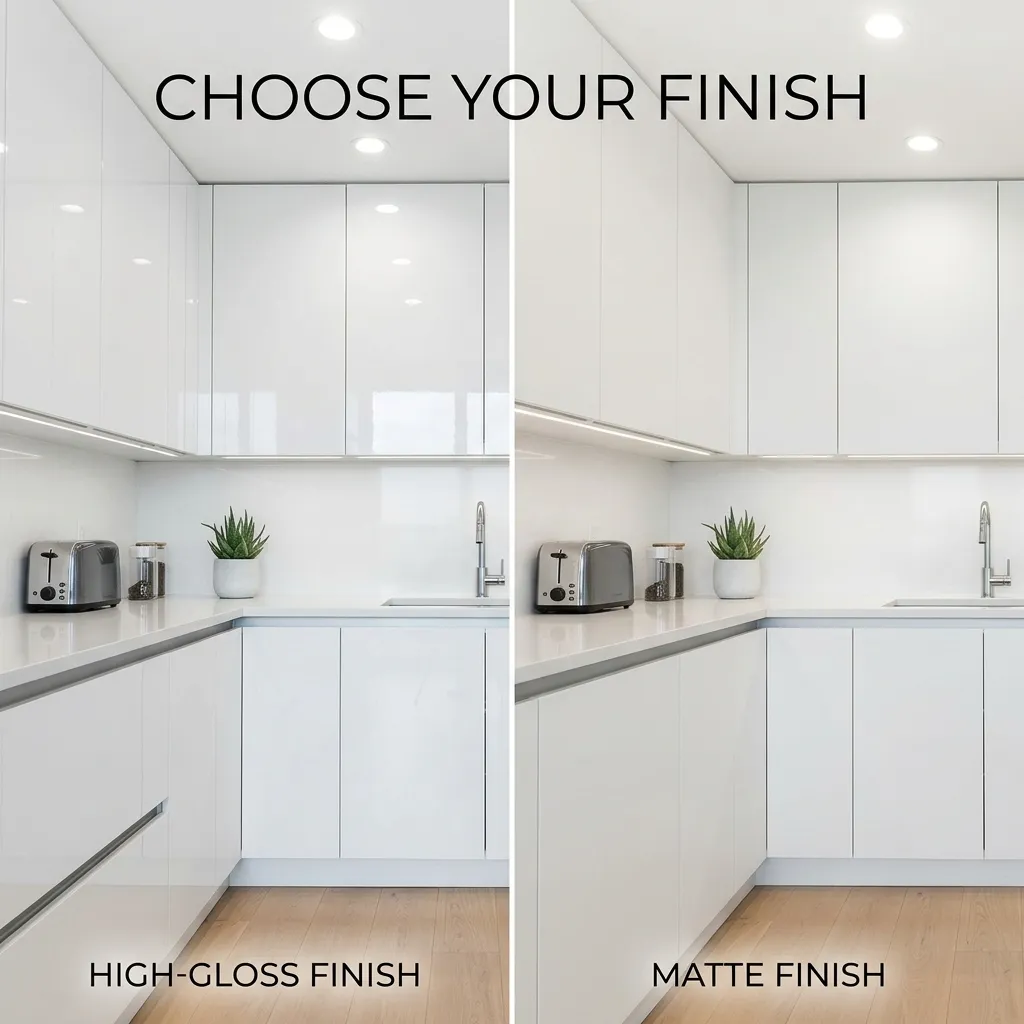
Comparing laminate, veneer, and solid wood finish options side by side

Refacing makes it easy to try a two-tone cabinet look at a lower cost
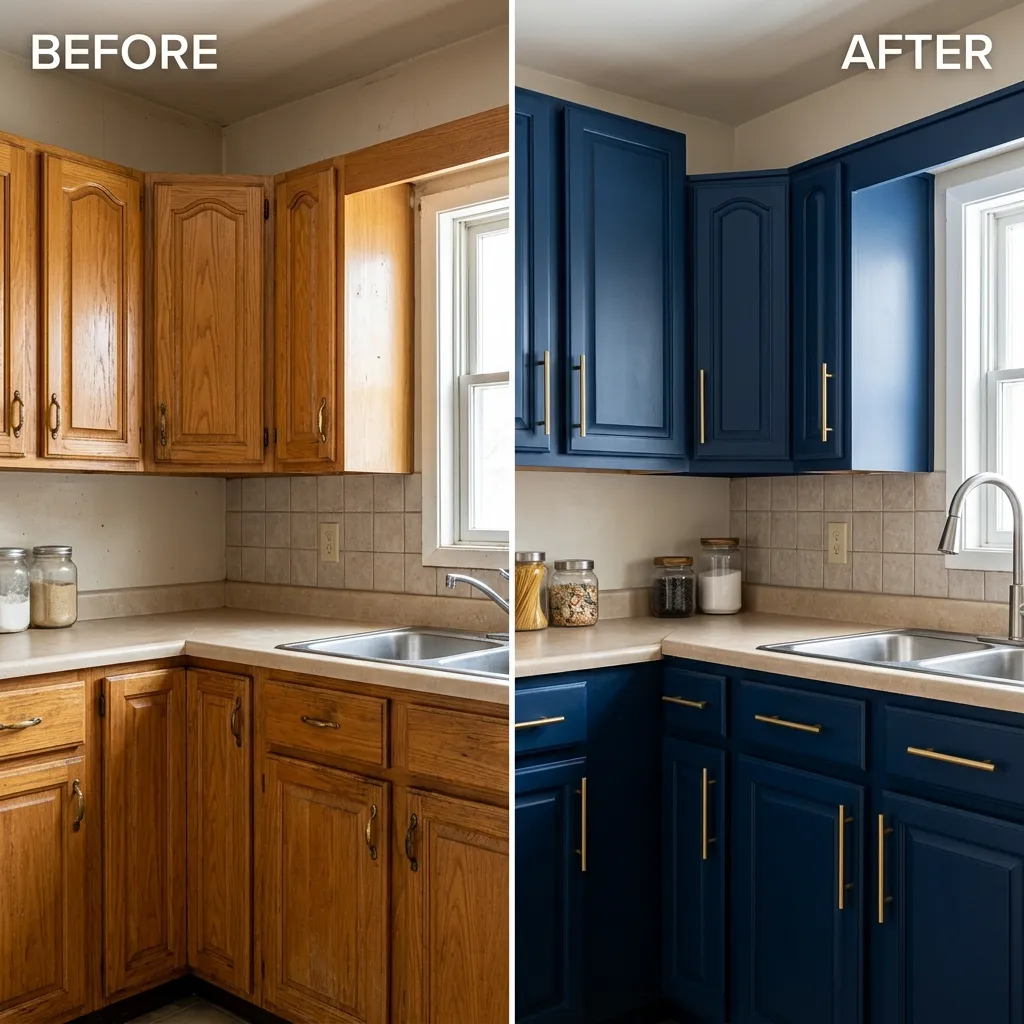
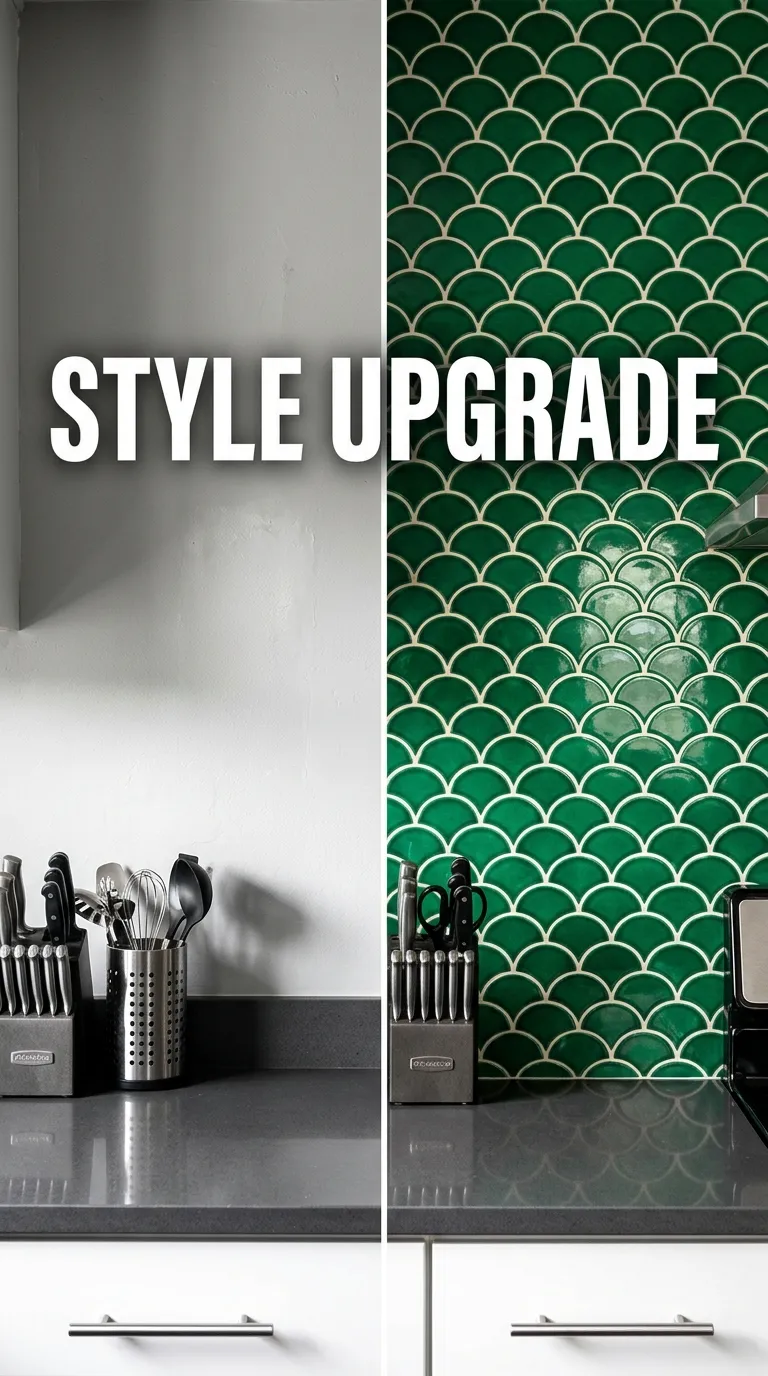
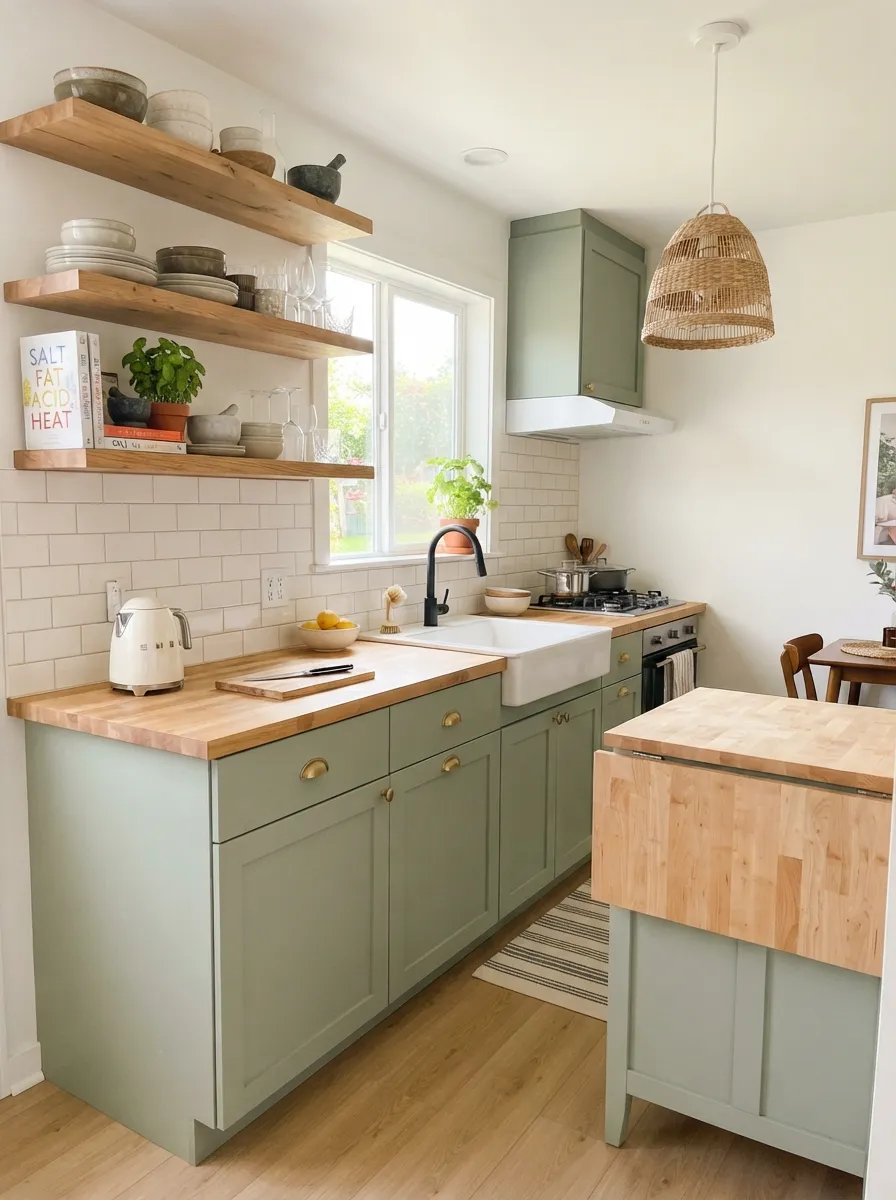
A bold color change is one of the most popular reasons to reface
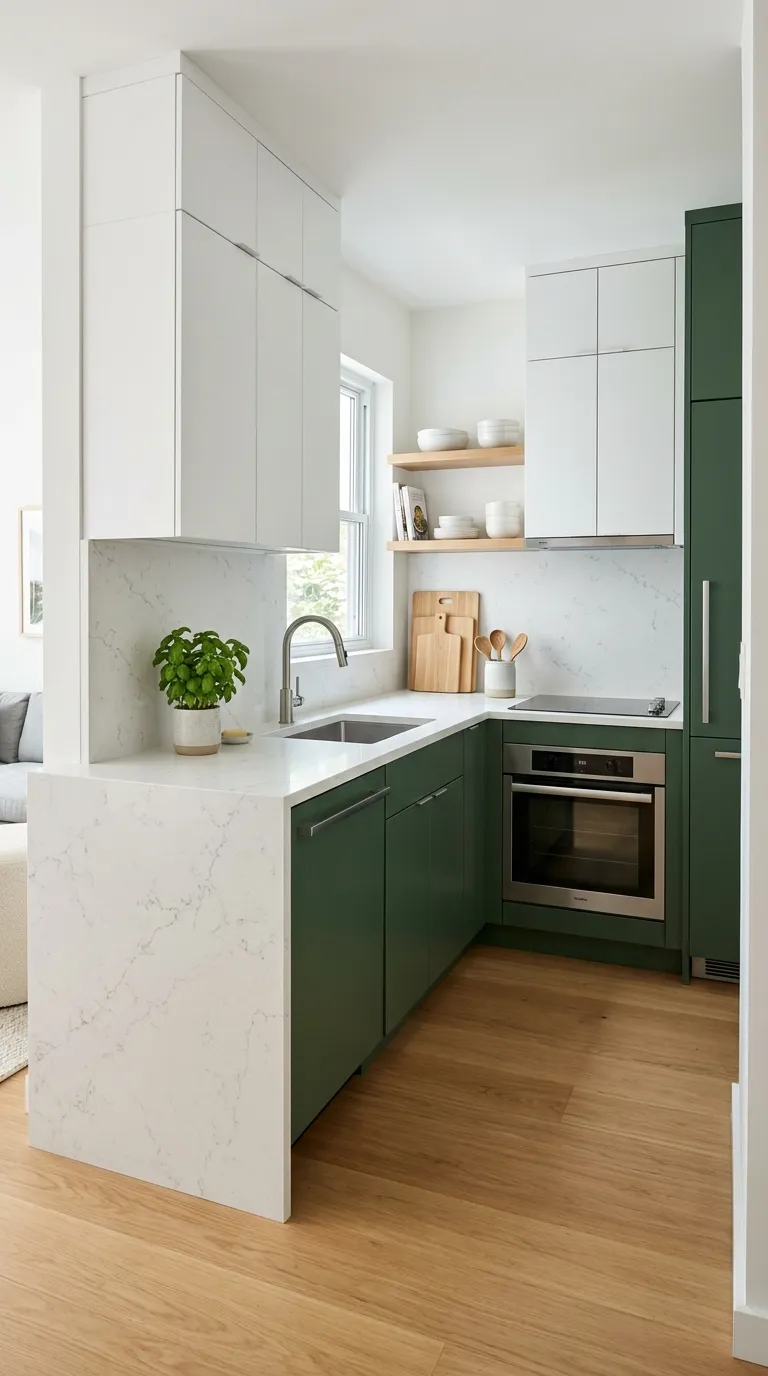
Small kitchens see a big visual return from a relatively small refacing budget
A Real-World Cost Example: 10-Linear-Foot Small Kitchen
Numbers are easier to plan around when they’re tied to an actual kitchen size. Here’s how the math typically plays out for a common small kitchen with 10 linear feet of cabinets (a fairly standard galley or L-shaped small kitchen):
| Material | Cost per Linear Foot | Estimated Total (10 ft) |
|---|---|---|
| Laminate | $70–$150 | $700–$1,500 × adjusted for full door/drawer count ≈ $3,500–$6,000 |
| Wood Veneer | $110–$220 | ≈ $5,000–$8,000 |
| Thermofoil (RTF) | $90–$180 | ≈ $4,200–$7,000 |
| Solid Wood | $150–$280 | ≈ $7,000–$9,500 |
Notice the per-linear-foot rate alone understates the total, since pricing also accounts for the number of individual doors and drawer fronts (a 10-foot run might include 8 doors and 6 drawer fronts, each priced separately for cutting, finishing, and hardware prep) rather than a flat per-foot charge. When you’re comparing quotes from different contractors, always ask for the breakdown by door/drawer count as well as linear footage, since two quotes with the same per-foot rate can still land far apart in total cost depending on how many individual pieces your kitchen actually needs.
Financing and Timing Your Refacing Project
Because refacing costs so much less than a full remodel, many homeowners pay out of pocket or use a low-interest home improvement card rather than a full renovation loan. If you are financing, ask contractors whether they offer in-house payment plans, since refacing companies often do given the shorter project timeline and lower total cost compared to full remodels.
Timing also affects price: many cabinet refacing companies see slower demand in late fall and winter compared to spring and summer, which can mean better availability and occasionally better pricing if you’re willing to schedule the work during an off-peak season.
Signs Your Kitchen Is a Good Candidate for Refacing
Not every small kitchen benefits equally from refacing. A few signs your kitchen is a strong candidate:
- Cabinet boxes open and close smoothly with no soft, warped, or water-stained spots
- You’re happy with the current layout and just want a different look
- The interior shelving and drawer boxes are still structurally sound
- Your budget is meaningfully tighter than a full replacement would require
- You want a faster timeline — refacing typically takes 3–7 days versus 3–6 weeks for full replacement
On the other hand, if you’re hoping to change your kitchen’s actual layout (moving the sink, adding an island, reconfiguring where appliances sit), refacing won’t help with that, since it only changes the surface of cabinets that stay exactly where they are.
Frequently Asked Questions
How much does it cost to reface cabinets in a small kitchen?
Most small kitchens (8–12 linear feet of cabinets) cost $4,000–$9,000 to reface, depending on material choice, with laminate on the lower end and solid wood on the higher end.
Is cabinet refacing cheaper than replacing cabinets?
Yes, significantly. Refacing typically costs 30–40% of what full cabinet replacement costs for the same kitchen, since the existing cabinet boxes stay in place and only the visible surfaces are replaced.
How long does cabinet refacing take?
A professional refacing job typically takes 3 to 7 days for a small kitchen, compared to 3 to 6 weeks for a full cabinet replacement.
Can you reface cabinets yourself to save money?
Yes, DIY refacing can save 40–60% off the total cost, though it’s best attempted only if your cabinet boxes are in good structural condition and you’re comfortable with careful, precise measuring.
What’s the difference between cabinet refacing and refinishing?
Refinishing repaints or restains your existing cabinet doors without replacing them, typically costing $1,000–$3,000. Refacing replaces the doors and drawer fronts entirely and adds new veneer to exposed surfaces, costing more but delivering a more complete transformation.
Does cabinet refacing add resale value to a small kitchen?
Cabinet refacing generally recovers a strong share of its cost at resale, since a visually updated kitchen is one of the features buyers notice most, even though the underlying cabinet boxes are unchanged.
When should I choose full replacement instead of refacing?
Choose full replacement if your existing cabinet boxes are structurally damaged, if you want to change your kitchen’s actual layout, or if more than a few cabinet boxes show water damage or warping that refacing can’t fix.
Can I finance a small kitchen cabinet refacing project?
Yes, many refacing companies offer in-house payment plans given the shorter timeline and lower total cost compared to a full remodel, and a low-interest home improvement card is another common option for spreading out the cost.
Related Pages
Final Thought
Cabinet refacing is one of the best-value upgrades available for a small kitchen, largely because a small kitchen has fewer linear feet of cabinets to reface in the first place — the same upgrade that costs $9,000 in a large kitchen might run closer to $5,000 in a compact one. The key is being honest about the condition of your existing cabinet boxes before you commit: if they’re solid, refacing will give you most of the transformation of new cabinets for a fraction of the price and disruption.
Planning a bigger renovation instead?
Explore Small Kitchen Remodel Designs