What Is the Best Countertop Material for a Small Budget Kitchen?
The best countertop material for a small budget kitchen depends less on which material is cheapest per square foot and more on how few square feet you actually need to cover. A typical small kitchen needs only 15–25 square feet of countertop, compared to 40–60+ square feet in a larger kitchen, which means the total price difference between a budget material and a premium one is often smaller than people expect. This guide compares countertop materials by real cost, explains which ones are DIY-friendly, and works through an actual budget example so you can see how far your money goes in a small footprint.
Quick Takeaways
- Laminate and butcher block are the cheapest options, both under $45/sq ft installed
- A small kitchen’s lower total square footage makes mid-range materials like tile or quartz more attainable
- Butcher block, tile, and laminate are the most DIY-friendly; quartz and granite require professional templating and installation
- Quartz remnants (leftover slab pieces) can cost 30–50% less than a full new slab and are often enough for a small kitchen
- Sealing and maintenance costs vary a lot by material — factor that into the true long-term budget, not just the install price
What’s In This Guide
Why Small Kitchens Can Afford Pricier Materials
Countertop pricing is almost always quoted per square foot, which means total cost scales directly with the size of your kitchen. A material priced at $80 per square foot sounds expensive until you realize a small kitchen might only need 18 square feet of it — a total of roughly $1,440, compared to the same material costing $4,000+ in a large kitchen needing 50 square feet. This is the single biggest reason small kitchen owners can often afford materials (quartz, granite, even marble) that would blow the budget in a bigger space. The budget conversation for a small kitchen isn’t just “which material is cheap,” it’s “which material fits my total square footage budget,” and the two questions have different answers.
Countertop Materials Compared by Cost
Laminate
Laminate is the most affordable countertop material available, running $20–$45 per square foot installed. Modern laminate comes in a wide range of colors and convincing wood- or stone-look finishes, and it’s lightweight enough to be one of the easier DIY installation options. The trade-off is lower heat resistance (always use a trivet) and a shorter overall lifespan, typically 10–15 years, compared to stone surfaces.
Butcher Block
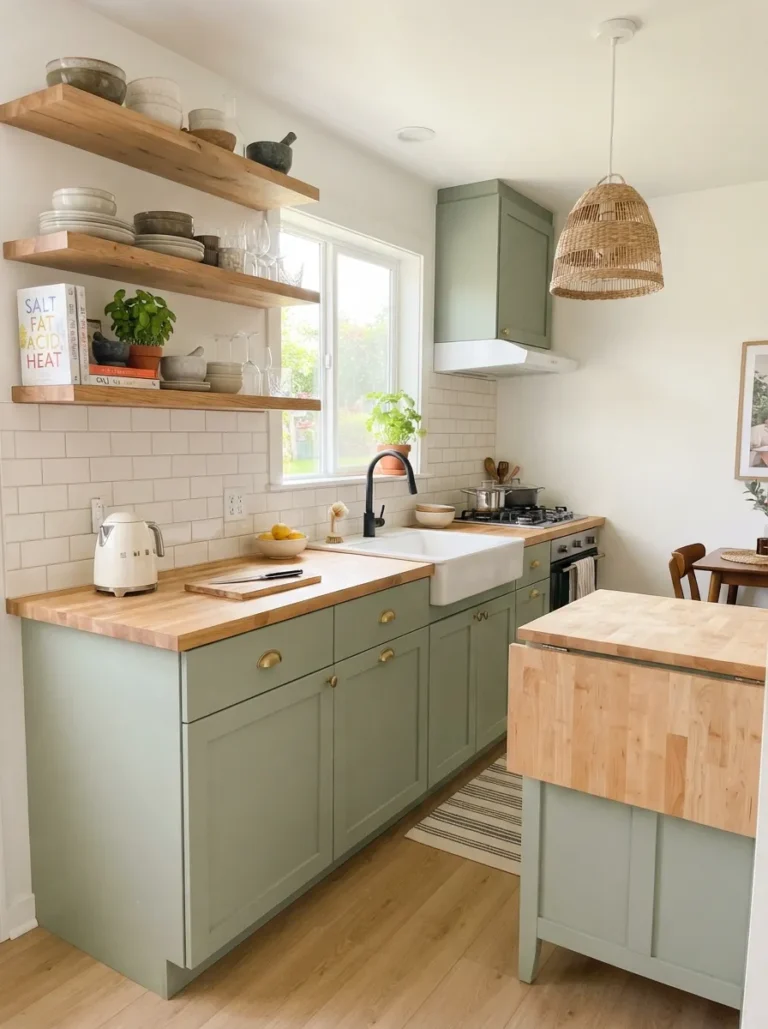
Solid wood butcher block runs $35–$70 per square foot for mid-range hardwoods, though budget birch or bamboo options can come in closer to $20–$35. It brings genuine warmth to a small kitchen and can be sanded and refinished repeatedly over its lifespan, which sets it apart from every other material on this list. It does require regular oiling to prevent drying and cracking, and it’s less forgiving of standing water than stone or laminate.
Ceramic or Porcelain Tile
Tile countertops run $25–$50 per square foot including installation, and they offer the widest range of colors and patterns of any option here, making them a strong pick for a small kitchen that wants a distinctive look. The main downside is the grout lines, which need periodic resealing and can trap crumbs and spills if not wiped promptly.
Solid Surface (e.g., Corian-Type)
Solid surface material runs $45–$80 per square foot and offers a completely seamless look, since seams can be fused invisibly during installation. It’s non-porous, so it doesn’t require sealing, and minor scratches can often be buffed out rather than requiring full replacement. It’s less heat-resistant than stone, so it’s not ideal directly behind a range without a buffer.
Quartz (Engineered Stone)
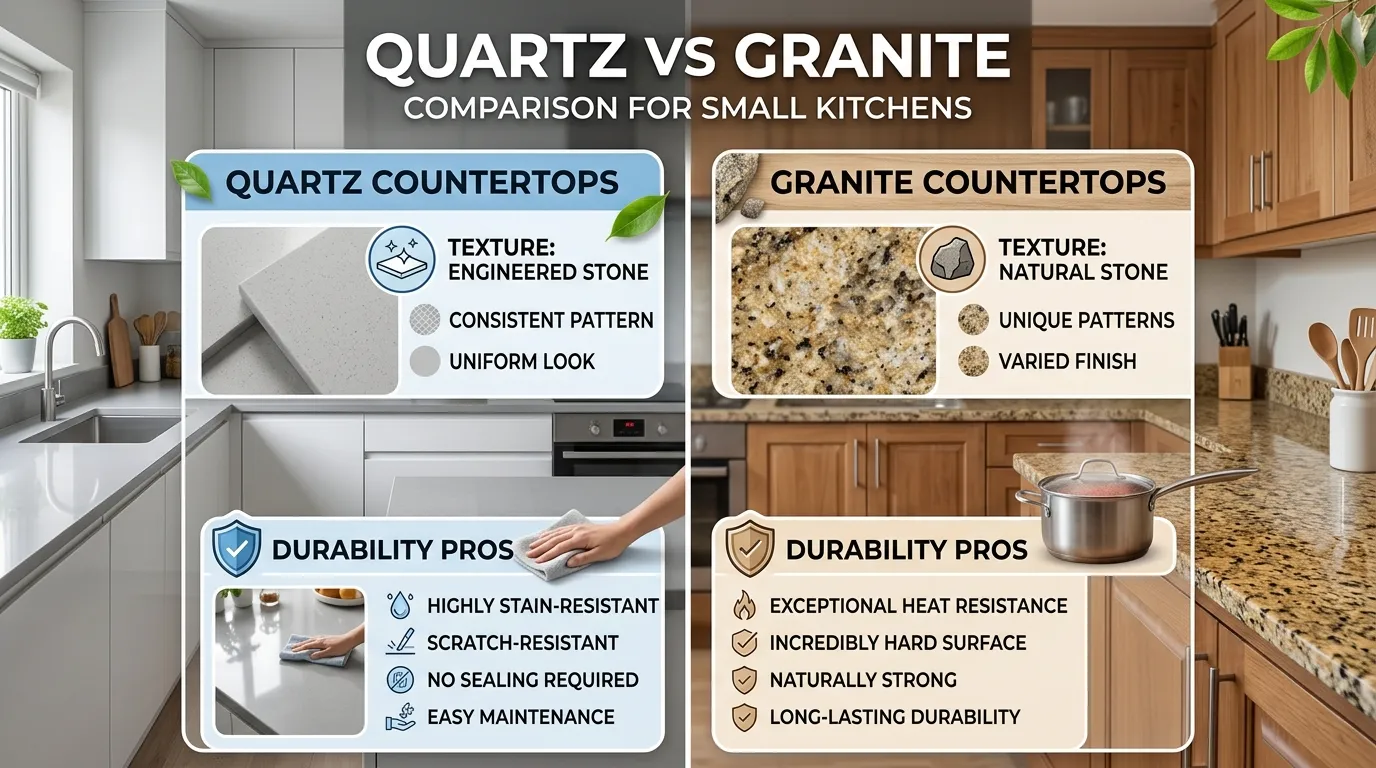
Quartz typically runs $60–$120 per square foot, but for a small kitchen needing only 15–25 square feet, the total cost often lands between $1,200 and $3,000 — well within reach even though quartz is considered a premium material. It’s non-porous, doesn’t need sealing, and resists scratching and staining better than almost any other option, making it a genuinely practical choice once you look at the total cost rather than the per-square-foot number alone.
Granite
Granite runs $50–$100 per square foot depending on the specific slab and origin, and it brings natural stone variation that no engineered material fully replicates. It does require sealing roughly once a year to stay stain-resistant, which is a small but real ongoing maintenance cost to factor in.
Stainless Steel
Less common in residential kitchens but growing in popularity for a modern, industrial look, stainless steel countertops run $70–$150 per square foot. They’re extremely heat- and stain-resistant and pair naturally with stainless appliances, though they do show scratches and fingerprints more visibly than most other materials.
Durability & Maintenance by Material
Cost on install day is only part of the real budget picture. A material that’s cheaper upfront but needs frequent sealing, oiling, or early replacement can end up costing more over a decade than a pricier material that needs almost no upkeep, so it’s worth weighing both numbers together before deciding.
| Material | Needs Sealing | Heat Resistance | Typical Lifespan |
|---|---|---|---|
| Laminate | No | Low | 10–15 years |
| Butcher Block | Regular oiling | Low-Medium | 20+ years (refinishable) |
| Tile | Grout only | High | 20+ years |
| Solid Surface | No | Medium | 15–25 years |
| Quartz | No | Medium-High | 25+ years |
| Granite | Yearly | High | 25–100 years |
| Stainless Steel | No | Very High | 25+ years |
DIY-Friendly vs Pro-Install-Only Materials
If you’re trying to stretch a small kitchen budget further, installation labor is often a bigger lever than material choice, and some materials are far more realistic DIY projects than others.
Genuinely DIY-friendly: Laminate (especially pre-formed sheets), butcher block, and tile are all commonly installed by confident DIYers, which can cut 20–35% off your total cost by removing professional labor from the equation.
Best left to professionals: Quartz, granite, and solid surface all require precise templating and heavy-slab handling that’s genuinely difficult and risky to do without specialized equipment. Attempting these without experience risks costly slab breakage, which can end up costing more than just paying for professional installation from the start.
A Real Cost Example for a Small Kitchen
Here’s how the numbers actually play out for a typical small kitchen needing 20 square feet of countertop:
| Material | Cost per Sq Ft | Estimated Total (20 sq ft) |
|---|---|---|
| Laminate | $20–$45 | $400–$900 |
| Butcher Block | $35–$70 | $700–$1,400 |
| Tile | $25–$50 | $500–$1,000 |
| Solid Surface | $45–$80 | $900–$1,600 |
| Quartz | $60–$120 | $1,200–$2,400 |
| Granite | $50–$100 | $1,000–$2,000 |
At this scale, the gap between the cheapest option (laminate) and a premium material like quartz is roughly $800–$1,500 total — a meaningful but often manageable difference for a one-time kitchen upgrade, especially compared to the $3,000–$6,000+ gap the same materials would create in a full-size kitchen.
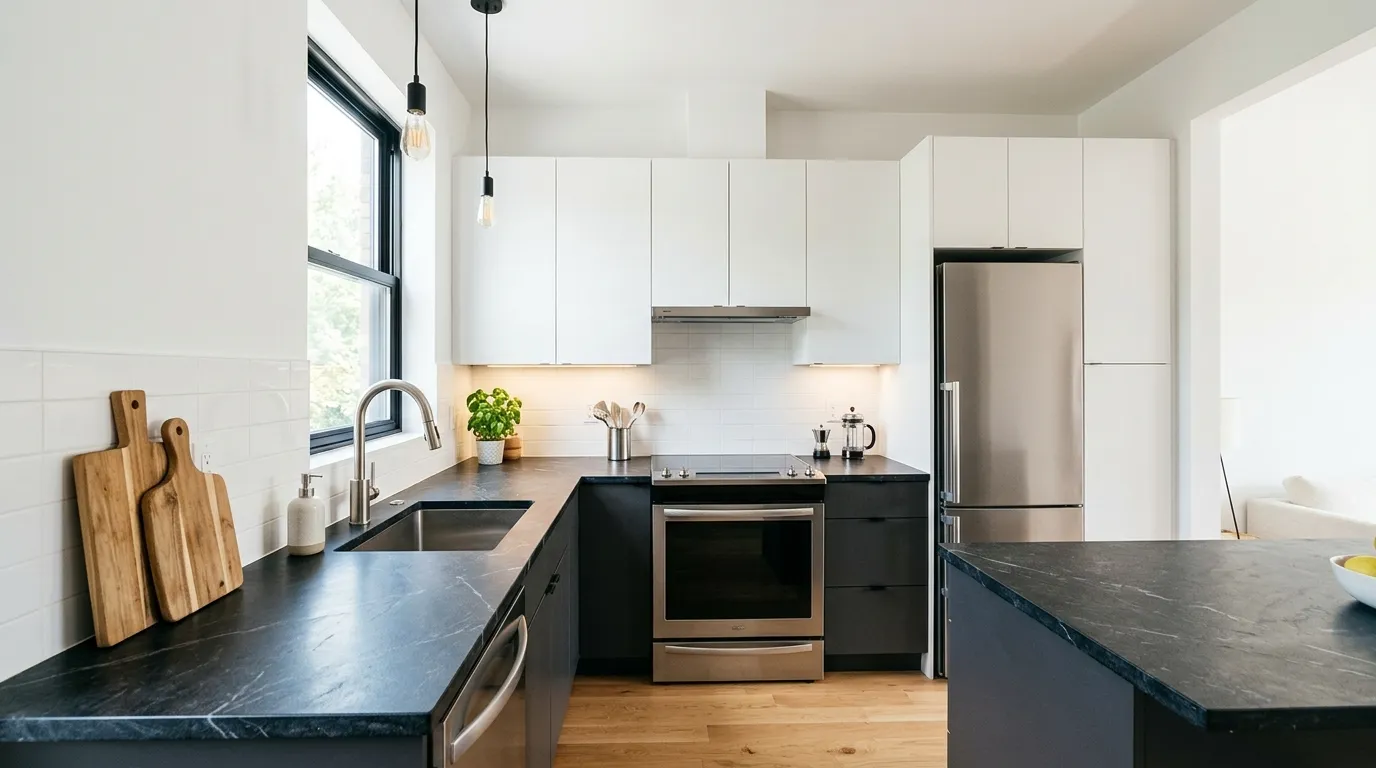
Natural stone options can fit a small kitchen’s total budget better than expected
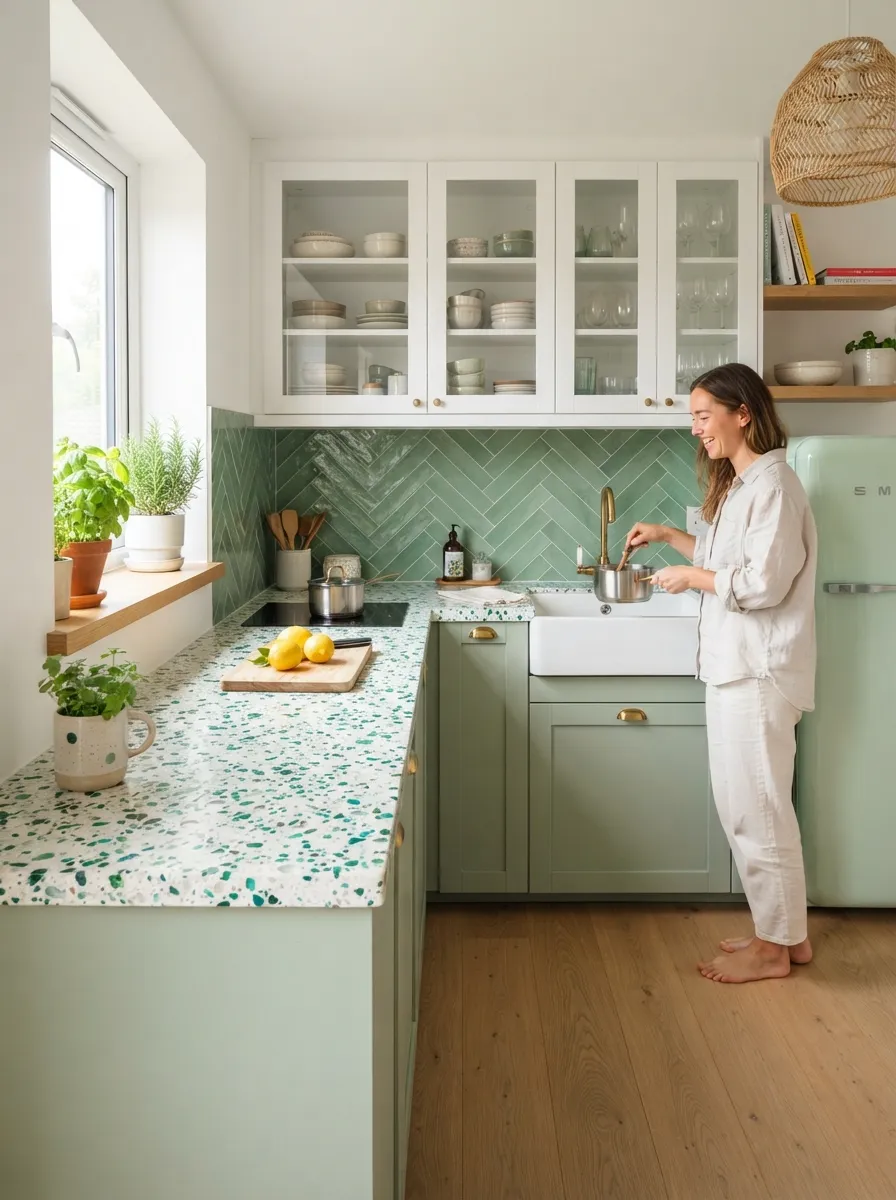
Recycled glass is a distinctive, eco-friendly mid-range option
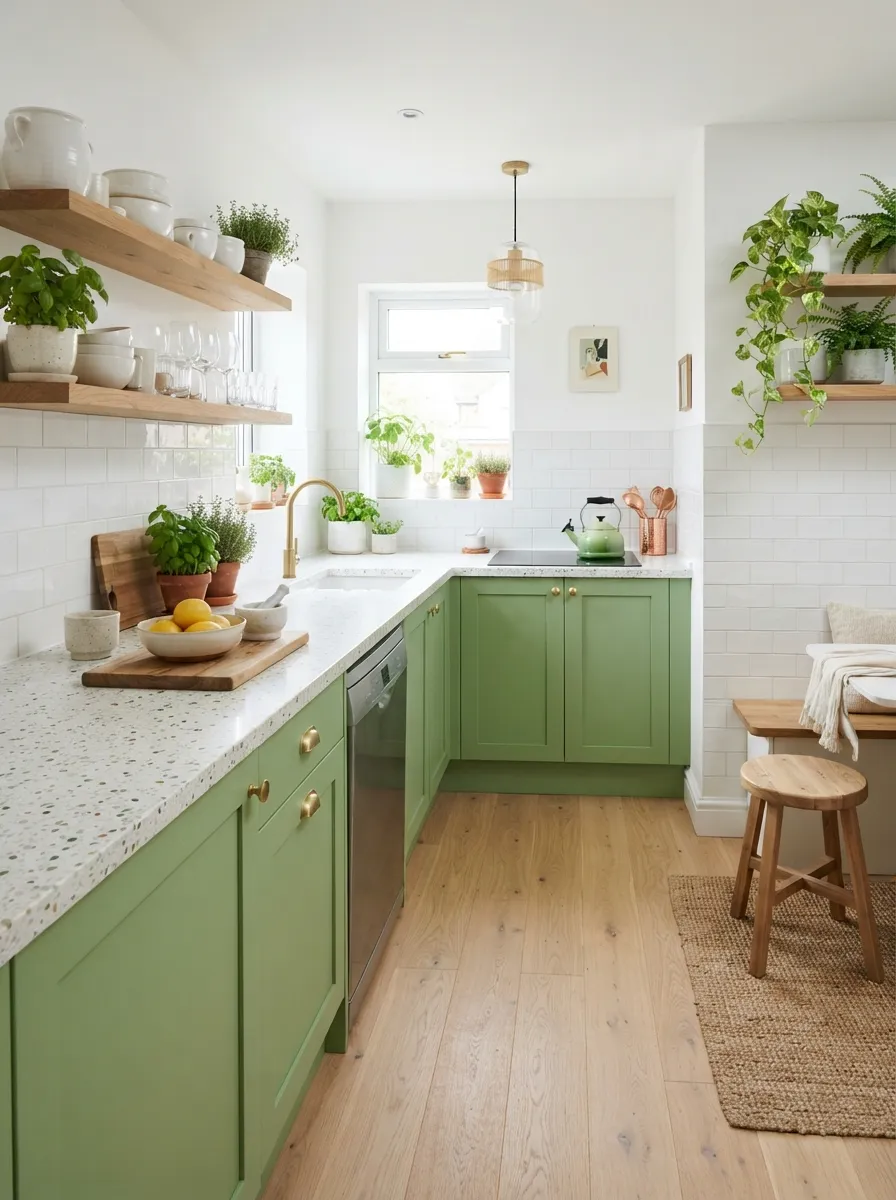
Texture and color variation make small footprints feel intentional
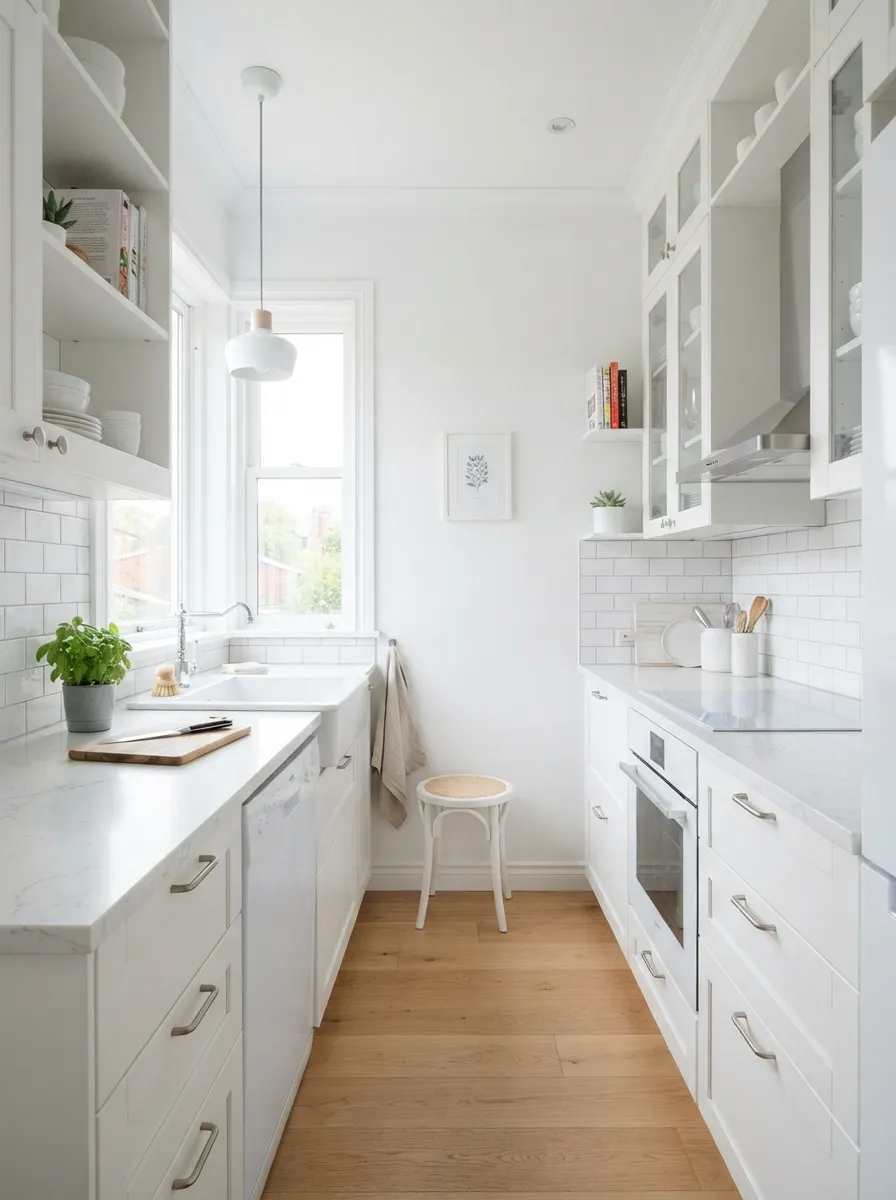
Light surfaces help a small kitchen feel brighter regardless of material
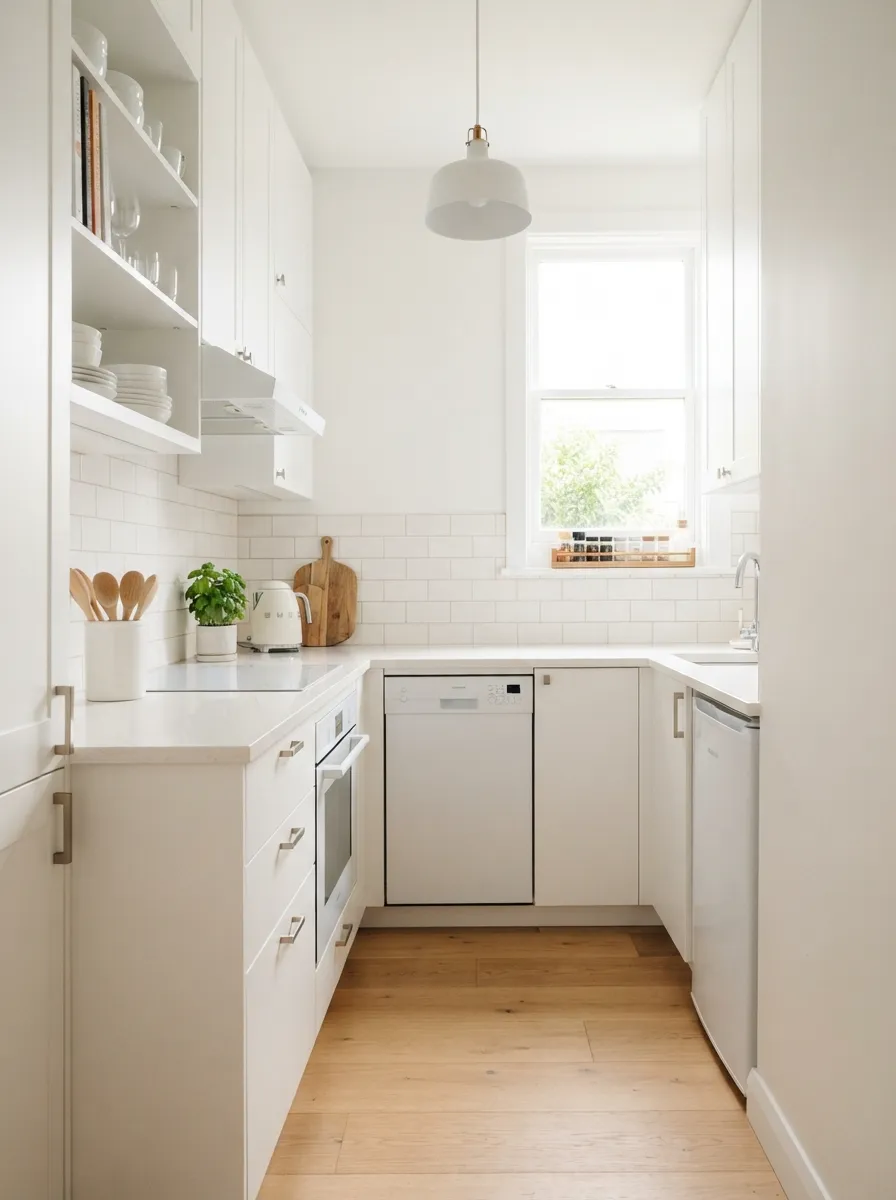
A well-chosen budget material can still look high-end in the right light
Every material choice should still prioritize usable prep space
Which Material Fits Your Cooking Habits
Beyond cost, the material that makes the most sense for your budget also depends on how you actually use your kitchen day to day, since the wrong match can mean paying for maintenance or repairs you could have avoided.
Frequent bakers who roll out dough directly on the counter benefit from a cool, smooth surface like quartz, granite, or marble-look solid surface, all of which keep dough at a workable temperature better than laminate or wood.
Heavy daily cooks who place hot pans directly on the counter more often than they’d like to admit should prioritize heat-resistant materials: granite, quartz (to a slightly lesser degree), tile, or stainless steel all tolerate occasional heat exposure far better than laminate or solid surface.
Households that prep a lot of raw meat or produce benefit from a non-porous surface like quartz or solid surface, both of which resist absorbing bacteria and odors more effectively than natural stone or wood without sealing.
Anyone prioritizing a lower environmental footprint might lean toward recycled glass or reclaimed butcher block, both of which repurpose existing material rather than requiring new quarrying or manufacturing.
Renters or short-term homeowners often do best with laminate or a well-chosen tile, both of which deliver a strong visual upgrade without the long-term investment that granite or quartz represent for a space you may not stay in for decades.
Countertop Trends Worth Knowing for a Small Budget Kitchen
A few current shifts in the countertop market specifically benefit small-kitchen budgets. Quartz remnant availability has grown significantly as more fabricators handle large slab jobs, meaning more leftover pieces sized perfectly for a small kitchen’s modest footprint end up available at steep discounts. Butcher block has also become more accessible in pre-cut, ready-to-install panels sized for standard cabinet runs, cutting both material waste and labor cost compared to custom-cut solid wood. And laminate manufacturing has improved enough that higher-end laminate lines now convincingly mimic stone and wood grain at a fraction of the cost, closing the visual gap between budget and premium materials more than at any point in the past decade.
Budget Mistakes to Avoid When Choosing a Countertop Material
Comparing only the per-square-foot price. As this guide covers, the total cost for your actual square footage matters far more than the sticker price per foot, and a “premium” material can land close to a “budget” one once your kitchen’s small size is factored in.
Ignoring long-term maintenance costs. Granite’s annual sealing and butcher block’s regular oiling both add small recurring costs that laminate, quartz, and solid surface avoid entirely. Factor a few years of that maintenance into your real comparison, not just the install-day price.
Skipping the remnant question. Many homeowners never ask fabricators about remnant slabs, missing out on 30–50% savings on premium materials that would otherwise be out of budget.
Choosing a material based on trend alone. A material’s popularity doesn’t tell you whether it fits your cooking habits — if you bake often and need heat and moisture resistance at the counter, that should weigh more heavily than which material is currently trending.
Take these ranges as planning estimates rather than fixed quotes — actual pricing varies by region, fabricator, and current material availability, so always confirm current local pricing before finalizing a budget.
Frequently Asked Questions
What is the cheapest countertop material for a small kitchen?
Laminate is the cheapest option overall, typically running $20–$45 per square foot installed, followed closely by budget butcher block options like birch or bamboo.
Can I afford quartz countertops in a small kitchen?
Often, yes. Because a small kitchen typically needs only 15–25 square feet of countertop, quartz can total $1,200–$2,400, which is far more attainable than the $3,000–$6,000+ it would cost in a larger kitchen.
What is a countertop remnant and how much can it save?
A remnant is a leftover piece of slab material from a larger fabrication job, sold at 30–50% below full-slab pricing. A small kitchen’s modest square footage is often small enough to be fully covered by a single remnant piece.
Which countertop material is easiest to install myself?
Laminate, butcher block, and tile are the most DIY-friendly options. Quartz, granite, and solid surface require professional templating and heavy-slab handling that’s best left to fabricators.
Does butcher block need a lot of maintenance?
It needs regular oiling, roughly monthly with normal use, to prevent drying and cracking. In exchange, it can be sanded and refinished repeatedly, giving it one of the longest usable lifespans of any material on this list.
Do I need to seal quartz countertops?
No, quartz is non-porous and doesn’t require sealing, which is one of its biggest practical advantages over natural stone options like granite.
What countertop material lasts the longest?
Granite, quartz, and stainless steel all offer 25+ year lifespans with proper care, while butcher block can effectively last indefinitely since it can be resanded and refinished as it wears.
Is laminate countertop actually good, or just cheap?
Modern high-definition laminate has improved significantly and can convincingly mimic stone or wood grain, making it a genuinely solid choice rather than simply a compromise. Its main limitations are lower heat resistance and a shorter lifespan compared to stone, not overall appearance.
How much should I budget for countertop installation labor separately from material?
Installation labor typically adds 20-35% on top of material cost for stone surfaces like quartz or granite, while laminate, tile, and butcher block have lower labor costs and are realistic DIY projects that can remove this cost entirely.
Related Pages
Final Thought
The best countertop material for a small budget kitchen isn’t necessarily the cheapest one per square foot — it’s the one that fits your total budget once you account for how little material your kitchen actually needs. Run the real math for your specific square footage before ruling out a material as “too expensive,” since a small kitchen often has more room in the budget than the per-foot price tag suggests.
One more thing worth factoring in: countertops are one of the few kitchen elements you’ll touch, lean on, and prep food on every single day, so the “right” budget material is ultimately the one that fits both your wallet and how you actually cook, not just the one that photographs best.
Planning your full small kitchen remodel budget?
Explore Small Kitchen Remodel Designs