20 Small Kitchen Range Hood Options
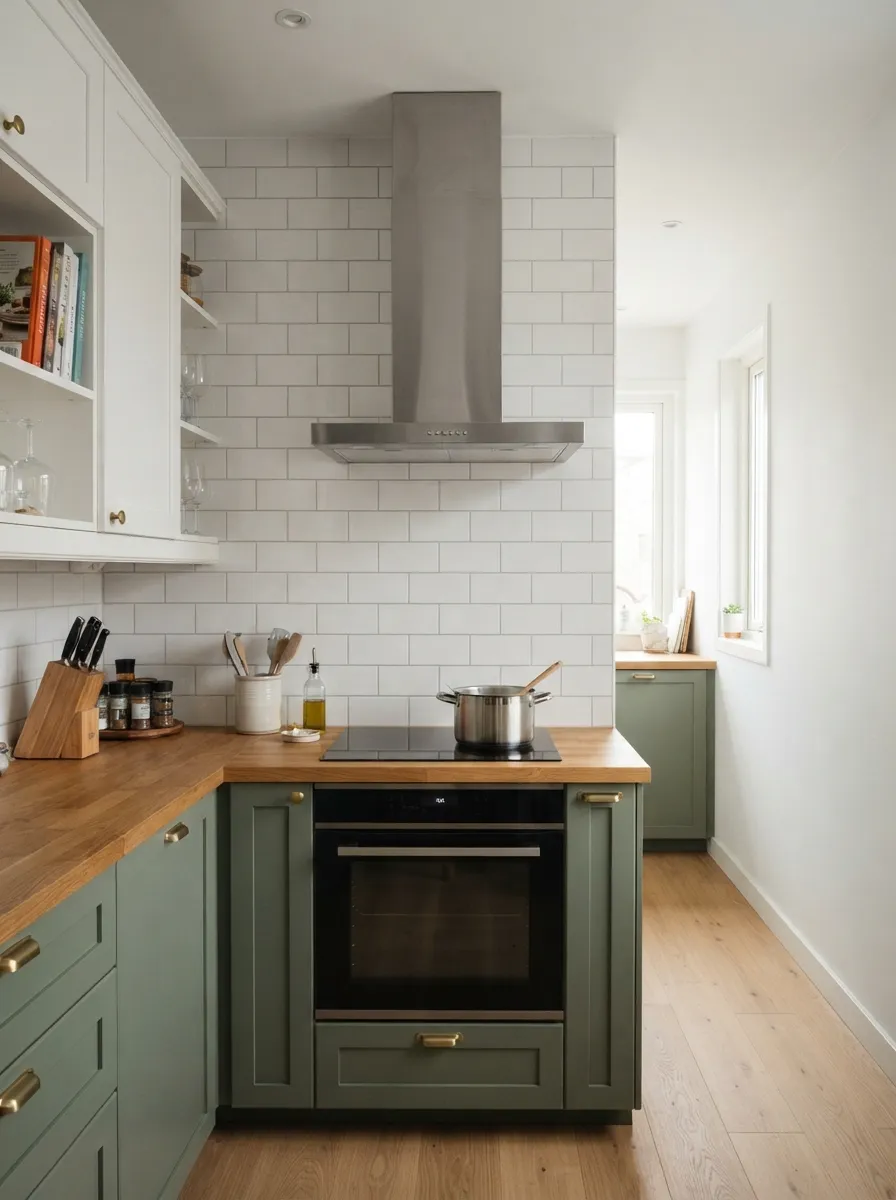
The best range hood option for a small kitchen depends less on style and more on your ceiling, cabinet layout, and cooktop type — under-cabinet hoods suit standard setups, wall-mount and island hoods work as focal points, and downdraft or microwave-combo units solve the problem when there’s no room for a hood at all. These 20 options cover every common small kitchen configuration.
Quick Takeaways
- Under-cabinet hoods are the most common, affordable option for a standard layout.
- Slim, low-profile hoods fit kitchens with limited cabinet clearance above the stove.
- Downdraft systems rise from behind the cooktop, useful when overhead space is tight.
- A microwave-hood combo saves space by combining two appliances in one unit.
- Always size CFM to your cooktop’s BTU output, not just the hood’s appearance.
Table of Contents
1. Under-Cabinet Hoods
These mount directly beneath an upper cabinet and are the most common, budget-friendly option for a standard small kitchen layout. Options include:
- A basic 30-inch under-cabinet hood matched to a standard range width.
- A low-profile under-cabinet hood for kitchens with limited clearance above the stove.
- A stainless steel under-cabinet hood for a clean, commercial-inspired look.
- An under-cabinet hood with integrated task lighting for the cooktop below.
2. Wall-Mount & Chimney Hoods
These hang without an upper cabinet above, often becoming a design focal point:
- A stainless chimney-style hood that vents straight up through the ceiling.
- A curved glass-and-metal wall hood for a modern statement piece.
- A plaster or wood-clad hood surround for a period or farmhouse look.
- A slim pyramid-style hood suited to a narrower cooking wall.
3. Downdraft Ventilation
Downdraft systems rise from behind or within the cooktop and pull air downward rather than up, which is useful when there’s no overhead space for a traditional hood, such as under a window or open shelving:
- A pop-up downdraft vent that rises only when in use and retracts flat afterward.
- An integrated downdraft cooktop combining ventilation and cooking surface in one unit.
- A telescoping downdraft system built into the counter behind the range.
4. Microwave-Hood Combos
Combining a microwave with a built-in exhaust fan saves cabinet space by eliminating the need for a separate hood:
- A standard 30-inch over-the-range microwave with integrated venting.
- A slim, low-profile microwave-hood combo for tighter overhead clearance.
- A stainless steel combo unit matched to surrounding appliance finishes.
5. Recirculating & Ductless Options
Where ducting to the outside isn’t possible, recirculating hoods filter air through a charcoal filter and return it to the room:
- A recirculating under-cabinet hood for kitchens without exterior duct access.
- A ductless wall-mount hood suited to apartments where venting outside isn’t an option.
- A recirculating microwave-hood combo for a rental or apartment kitchen.
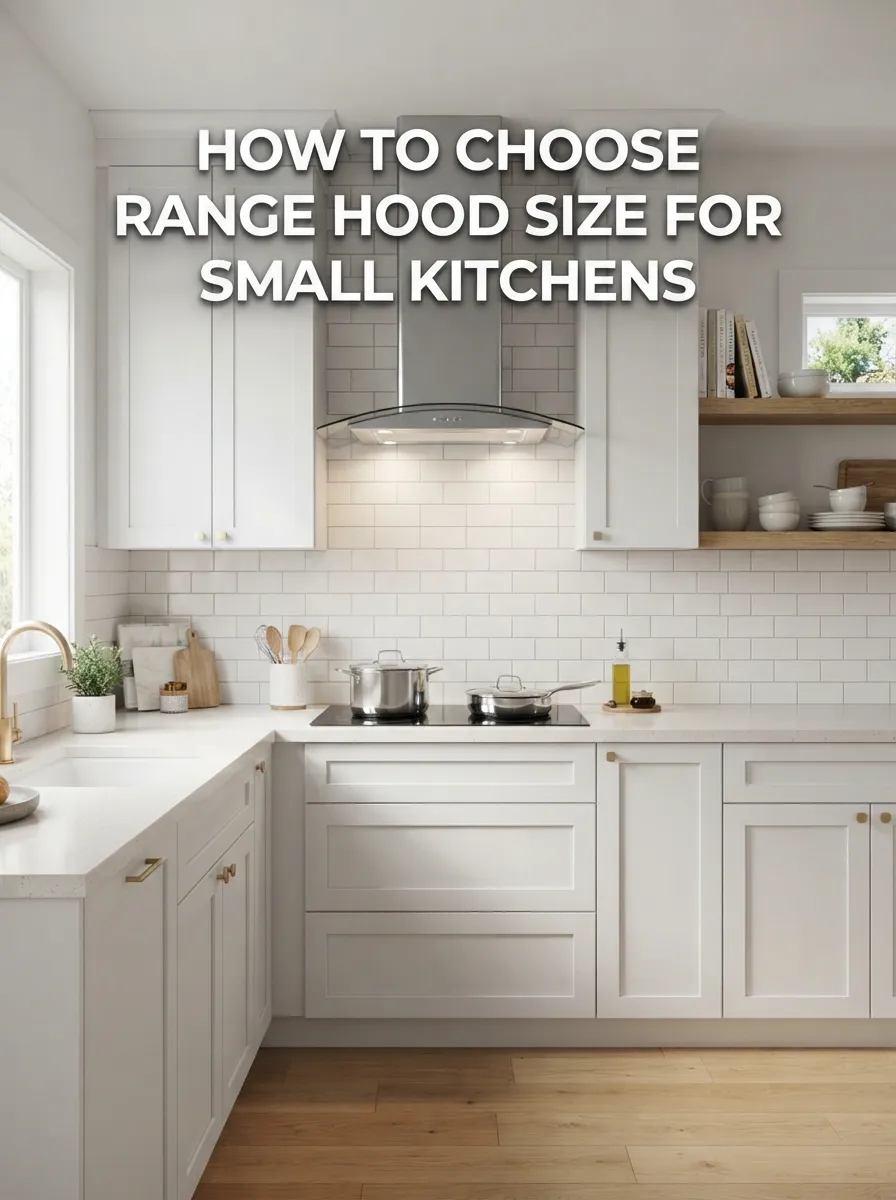
A properly sized range hood is essential ventilation for any small kitchen.

A stainless chimney hood suits an industrial-inspired small kitchen.
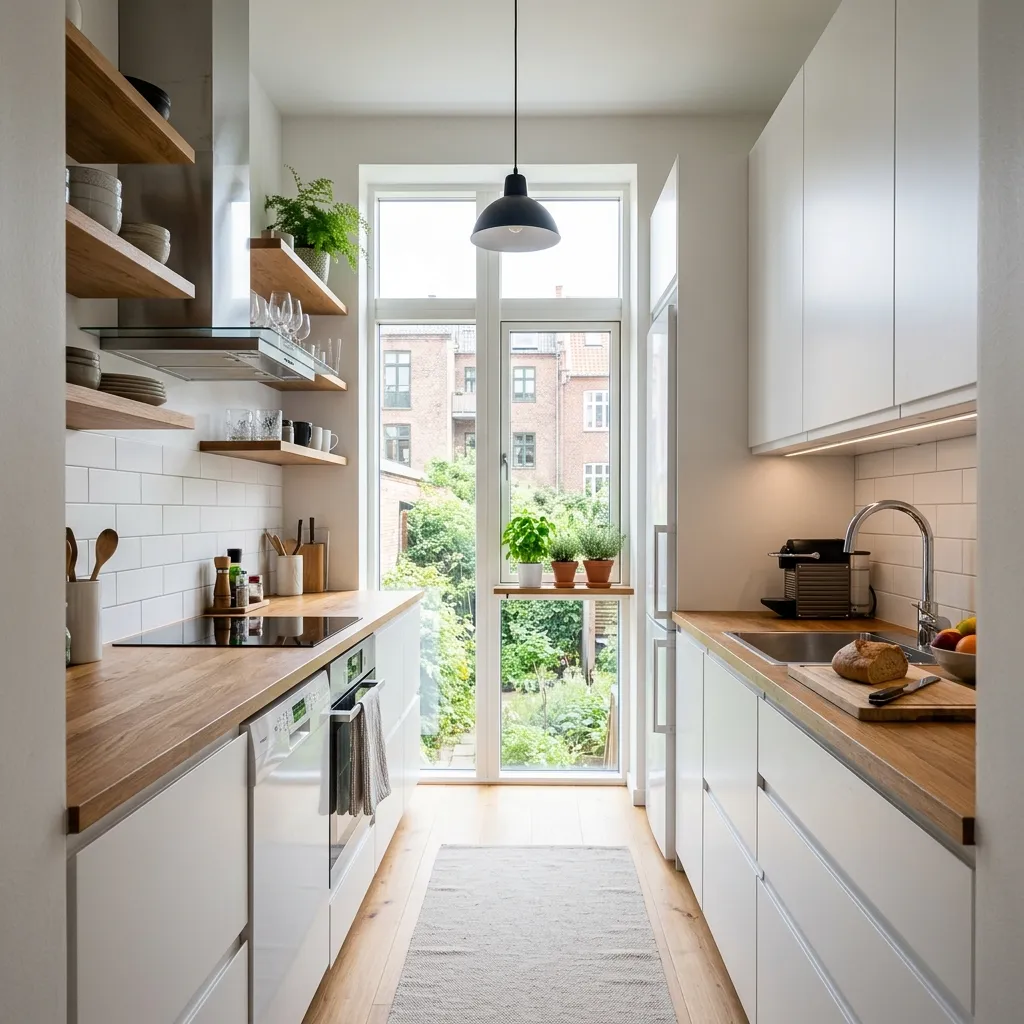
A slim under-cabinet hood suits a narrow modern galley kitchen.
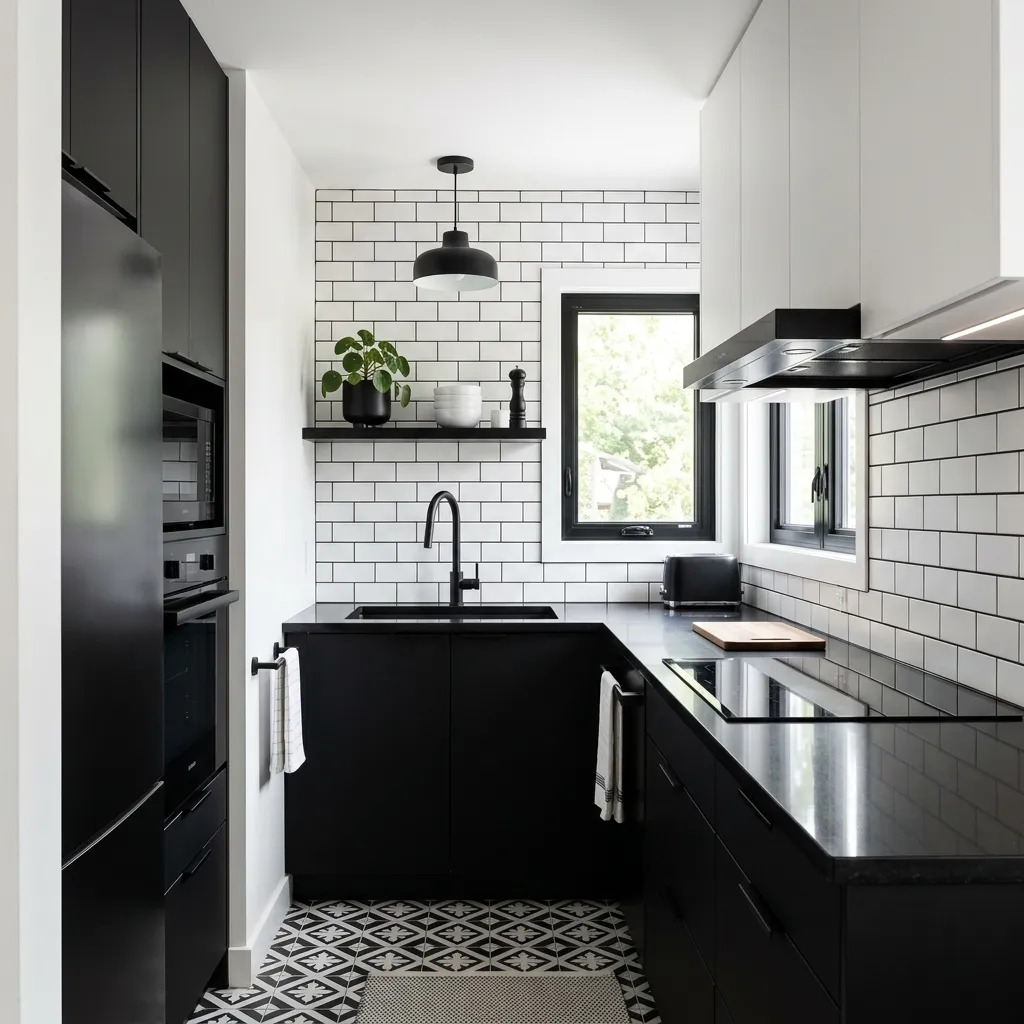
A wall-mount hood can become a striking focal point in a small kitchen.
Updating ventilation is often part of a broader small kitchen refresh.

A low-profile hood keeps a minimalist small kitchen feeling uncluttered.
Frequently Asked Questions
What range hood type works best for a very small kitchen?
A slim, low-profile under-cabinet hood is generally the most practical choice for standard small kitchen layouts with limited overhead clearance.
Is downdraft ventilation as effective as an overhead hood?
Generally no, downdraft systems are less effective at capturing steam and smoke since they work against the natural upward movement of heat.
Can I use a microwave-hood combo instead of a separate hood?
Yes, this is a common space-saving choice that combines two appliances in one unit, though venting capacity is often lower than a dedicated hood.
What if I can’t vent to the outside?
A recirculating (ductless) hood filters air through a charcoal filter and returns it to the room, which works when exterior venting isn’t possible.
How much clearance do I need for an under-cabinet hood?
Most under-cabinet hoods need at least 24-30 inches of vertical clearance between the cooktop and cabinet bottom.
Should I size a hood by appearance or by CFM?
Always prioritize CFM sized to your cooktop’s BTU output — style should come second to actual ventilation capacity.
Related Pages
Choosing Your Range Hood?
Measure your overhead clearance and size CFM to your cooktop before choosing style. Browse our cabinet design guide for more layout inspiration.