The Future of Smart Appliances in Small Kitchens
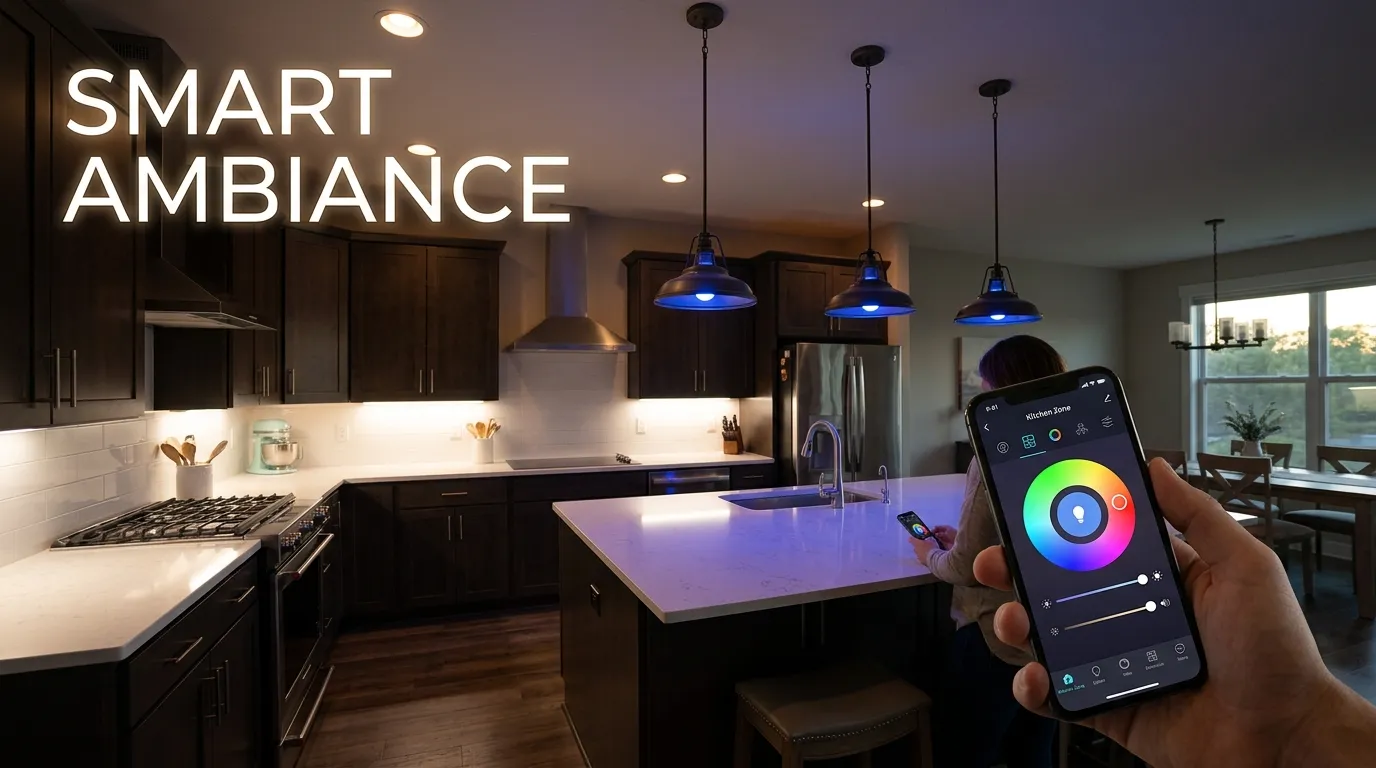
Smart technology is becoming less about novelty features and more about genuine space efficiency, which makes it especially relevant for small kitchens where every appliance decision has outsized impact. Here’s where smart appliances in small kitchens are headed, which features actually earn their keep in a compact footprint, and what’s worth planning for now versus waiting on.
🔌 Quick Takeaways
- Multi-function smart appliances that combine tasks are more valuable in a small kitchen than single-purpose smart gadgets.
- Voice and app control matter less for space-saving than the physical footprint reduction smart appliances can enable.
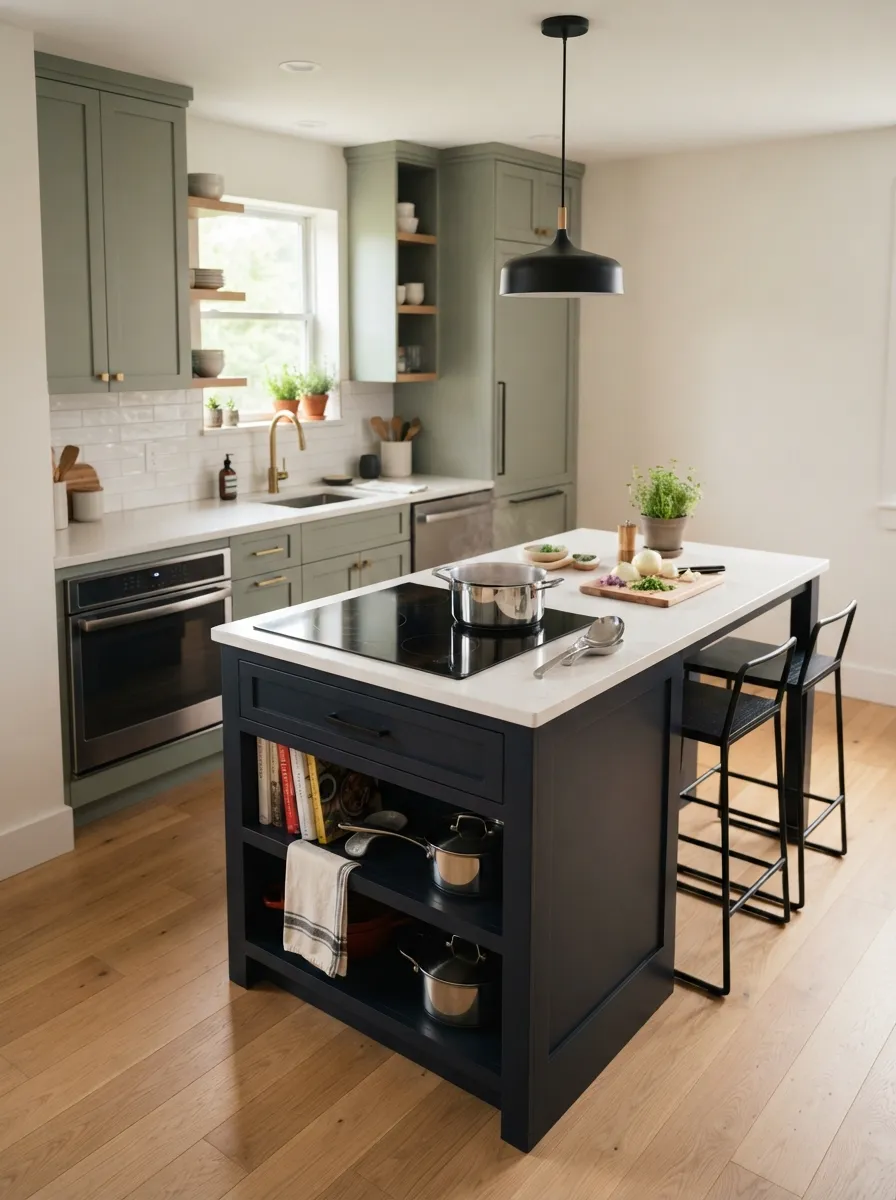
- Smart induction cooktops with precise temperature control reduce the need for separate specialty appliances.
- Connected refrigerators with inventory tracking can reduce over-purchasing, which matters more in limited pantry space.
- Not every smart feature justifies its cost in a small kitchen — prioritize ones that save physical space or reduce daily friction.
In This Post
1. Why Smart Technology Matters More in Small Kitchens
In a full-size kitchen, smart features are often about convenience layered on top of already-generous space. In a small kitchen, the calculus is different — a genuinely useful smart appliance can consolidate what would otherwise be two or three separate pieces of equipment, freeing physical counter and cabinet space that a large kitchen simply doesn’t need to reclaim.
This reframes which smart features matter most: not remote control or voice assistants for their own sake, but multi-function consolidation that reduces the total number of appliances competing for the same limited footprint.
2. Smart Appliances Worth Considering Now
Several smart appliance categories already deliver real space and time savings in a compact kitchen, beyond novelty.
- Smart induction cooktops with precise, app-guided temperature control can replace the need for a separate slow cooker, sous vide setup, or rice cooker in some cases.
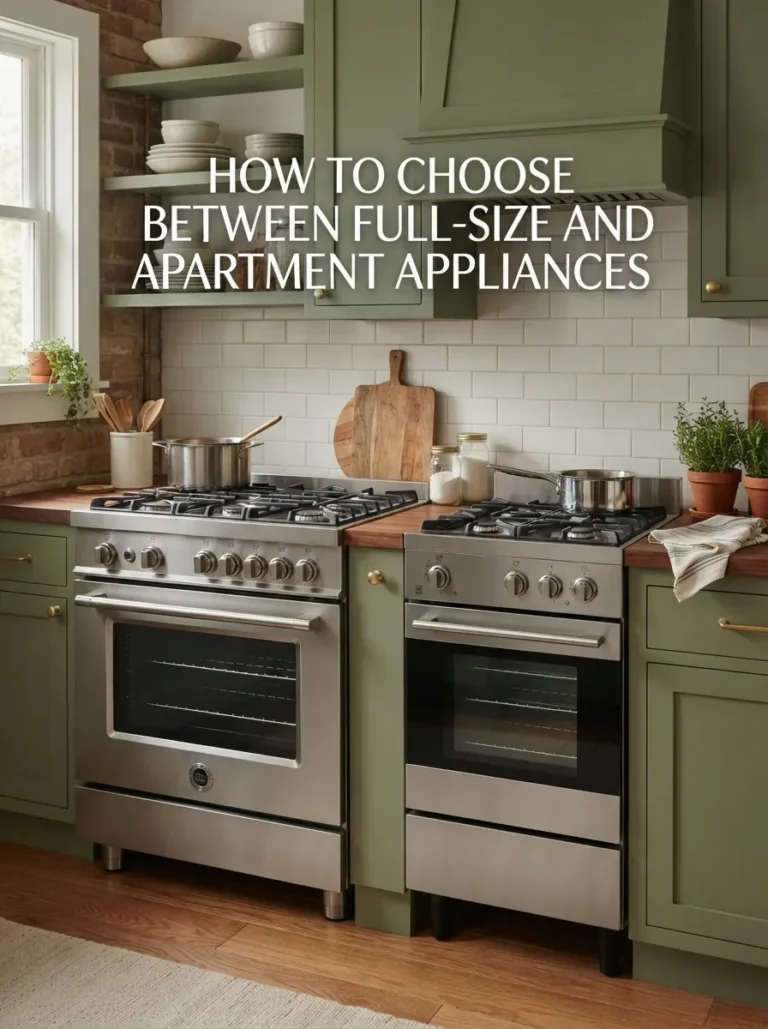
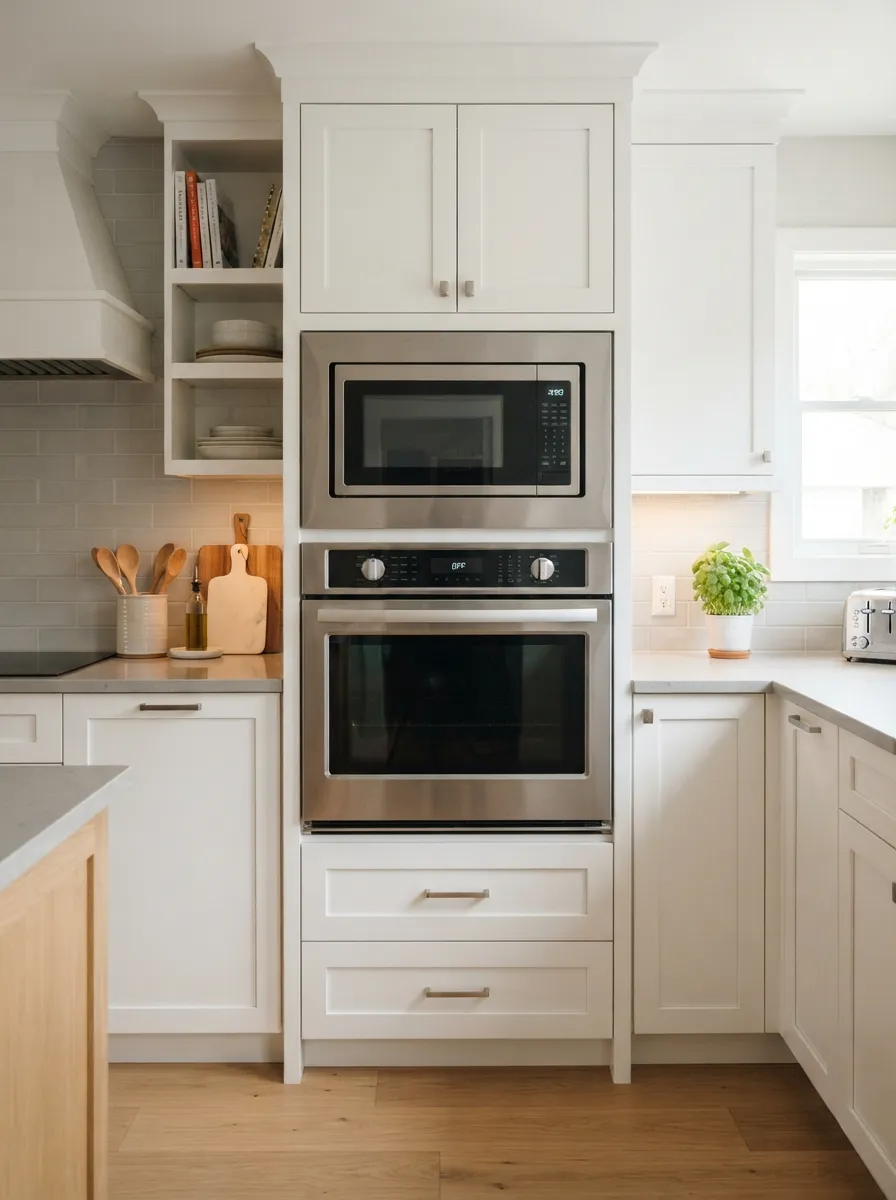
- Multi-function combi ovens that handle convection, steam, and air fry in one unit consolidate what used to require three separate appliances.
- Connected refrigerators with internal cameras let you check contents remotely, reducing duplicate grocery purchases in a kitchen with limited pantry backup space.
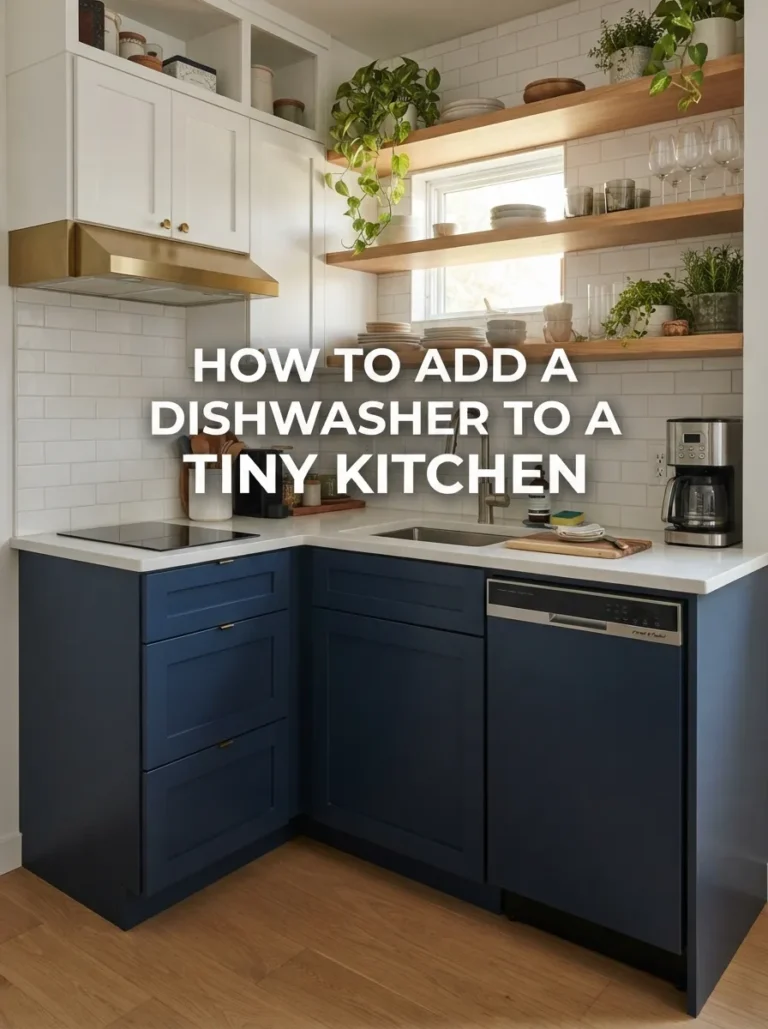
- Smart dishwashers with load-sensing cycles optimize water and energy use automatically, useful for the smaller, more frequent loads common in a compact kitchen.
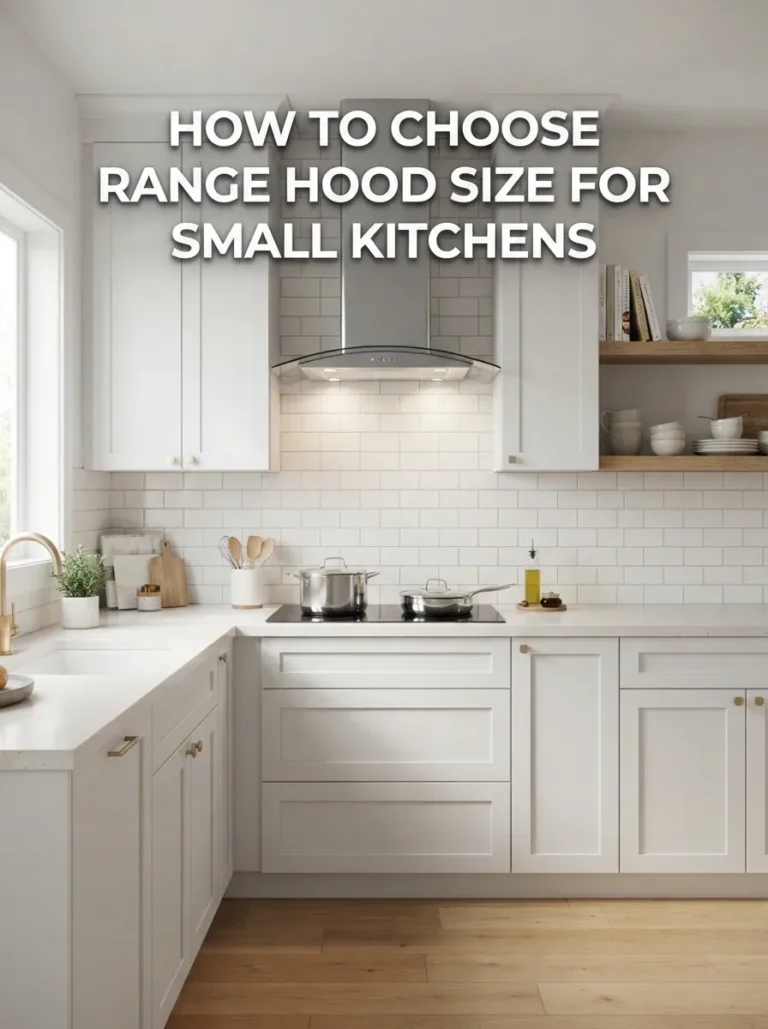
- App-controlled range hoods that adjust fan speed automatically based on cooktop temperature reduce the need to manually monitor ventilation.
3. Emerging Technology to Watch
A few developing categories are worth tracking, even if they’re not yet standard in most small kitchen remodels.
- Modular countertop systems with interchangeable cooking surfaces (induction, grill, prep) built into a single footprint are gaining traction for compact kitchens.
- AI-assisted recipe and inventory matching, where a connected fridge suggests meals based on what’s actually on hand, could reduce food waste in a kitchen with less storage buffer.
- Compact robotic prep assistants for tasks like chopping or stirring are an early-stage category that may eventually reduce counter space needed for manual prep tools.
- Smart water filtration built into faucets is reducing the need for separate counter or under-sink filtration units.
4. Planning Electrical for Smart Appliances
Smart appliances often have specific electrical and connectivity requirements that are easiest to plan for during a remodel rather than retrofitting later, connecting directly to broader electrical outlet planning.
- Confirm Wi-Fi signal strength reaches the kitchen before relying on app-connected appliances, especially in an interior kitchen without an exterior wall.
- Some smart induction cooktops require a dedicated higher-amperage circuit — verify this during electrical planning, not after cabinets are installed.
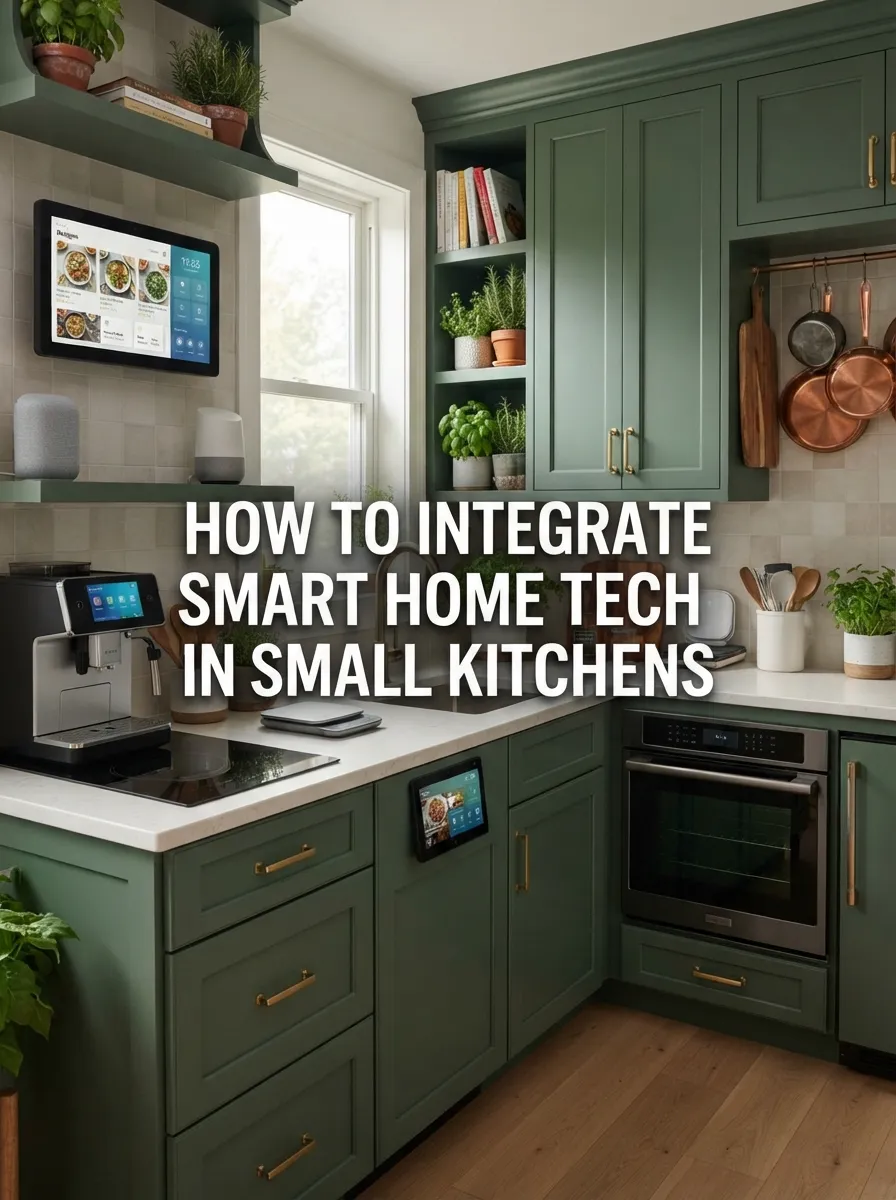
- Leave a dedicated outlet near any planned smart hub or central control panel location.
- Consider a smart circuit breaker panel if you’re doing a full electrical panel upgrade, allowing remote monitoring of individual kitchen circuits.
5. Where to Be Cautious
Not every smart feature is worth the added cost or complexity, particularly in a small kitchen where the payoff needs to be genuinely functional rather than novel.
- Smart features that only add remote control without any space or time savings rarely justify their price premium in a compact kitchen.
- Appliances requiring proprietary apps with subscription fees add ongoing cost beyond the purchase price.
- Early-generation smart hardware often has a shorter useful life than traditional appliances, since software support may lapse before the hardware itself wears out.
- Overly complex smart systems can create a steeper learning curve that outweighs convenience gains for some households.
Smart Kitchen Technology Gallery

Frequently Asked Questions
Are smart appliances worth it in a small kitchen?
They can be, especially multi-function appliances that consolidate what would otherwise require two or three separate pieces of equipment, freeing physical space.
Do smart appliances need special electrical planning?
Some do — smart induction cooktops in particular may require a dedicated higher-amperage circuit, which is easiest to plan during a remodel rather than retrofitting later.
What happens if a smart appliance’s app support ends?
This varies by manufacturer, so it’s worth confirming an appliance’s core function still works without connectivity before purchasing primarily for its smart features.
Which smart appliance category saves the most space in a small kitchen?
Multi-function combi ovens that handle convection, steam, and air fry in one unit typically save the most physical footprint by consolidating separate appliances.
Is Wi-Fi signal strength something to check before buying app-connected appliances?
Yes, especially in an interior kitchen without an exterior wall, since weak signal can limit or disable app-based features entirely.
Should I avoid smart appliances with subscription fees?
It depends on the value delivered, but it’s worth factoring ongoing subscription costs into the total cost of ownership before purchasing.
Related Pages
Choose Consolidation Over Novelty
The most valuable smart appliances for a small kitchen aren’t the ones with the most app features — they’re the ones that genuinely replace a piece of equipment you’d otherwise need to store separately. Evaluate each smart purchase by what it actually consolidates or saves in physical space, and stay cautious of subscription-dependent features that add ongoing cost without a clear space payoff.
For the electrical groundwork these appliances need, see our Electrical Outlet Planning guide next.